Artwork
Playing Card
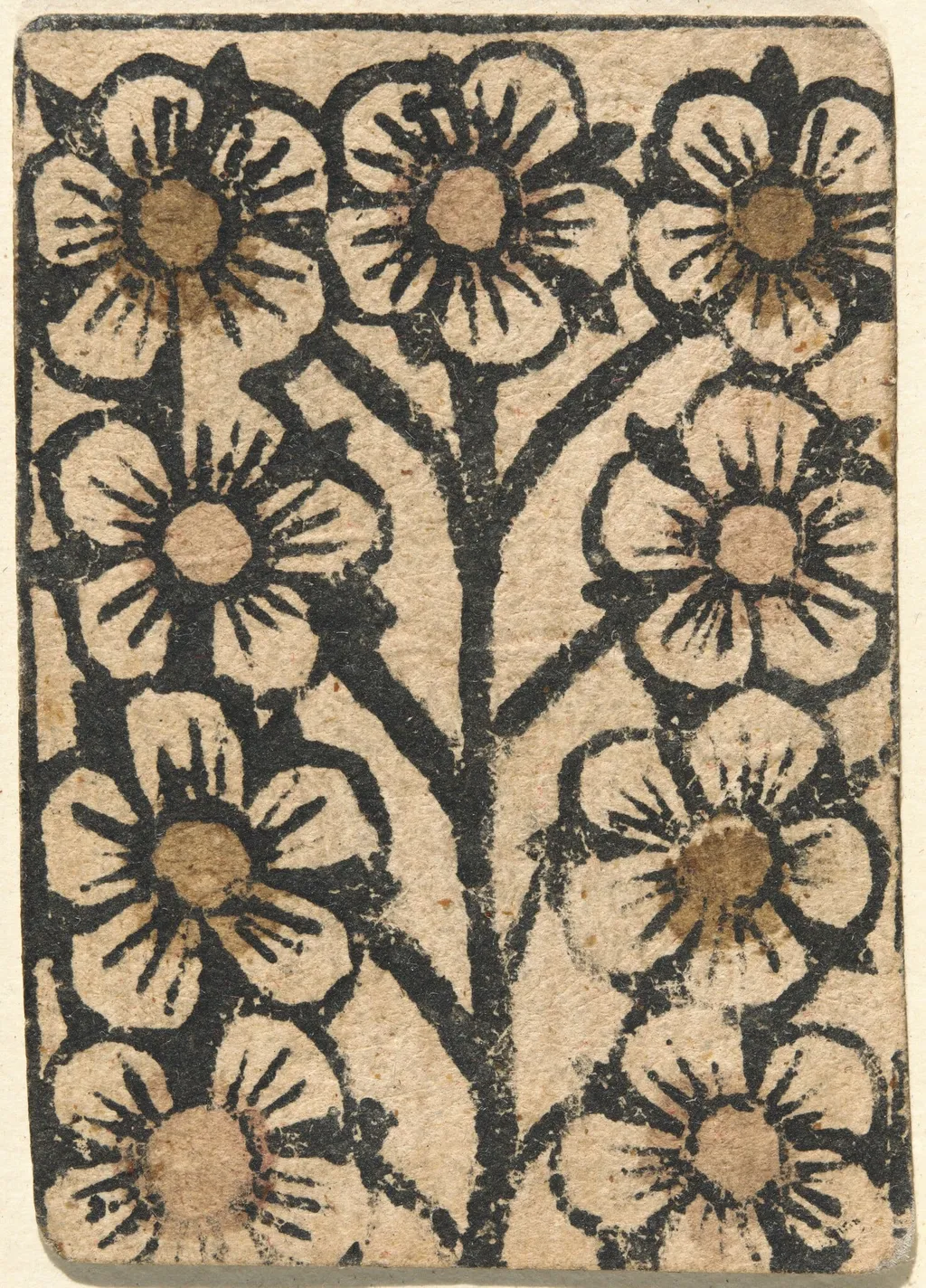
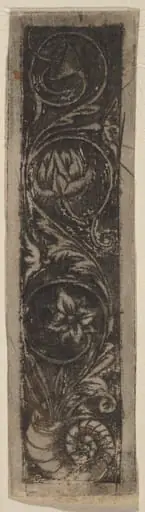
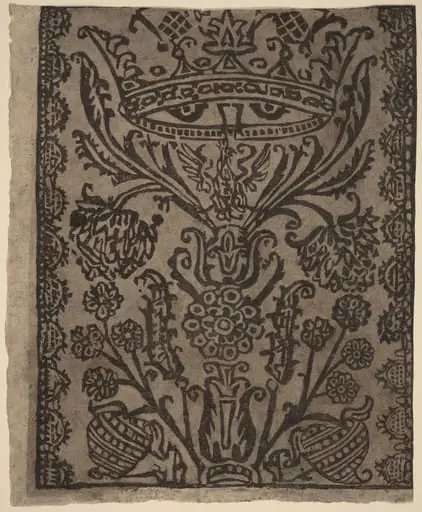
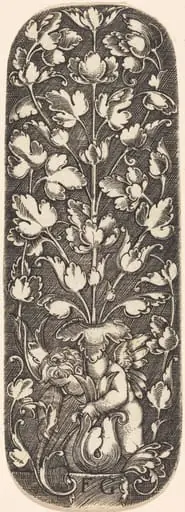
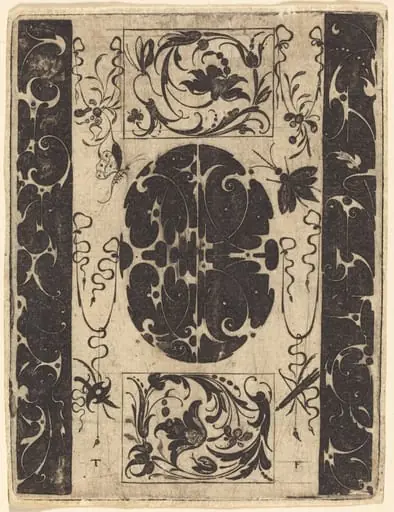
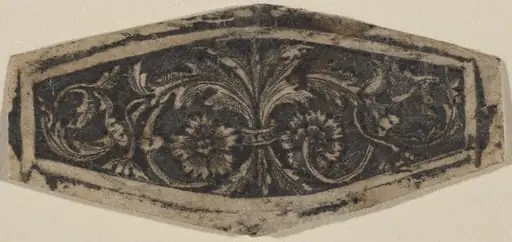
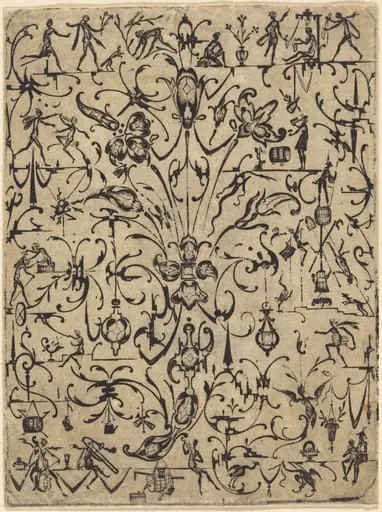
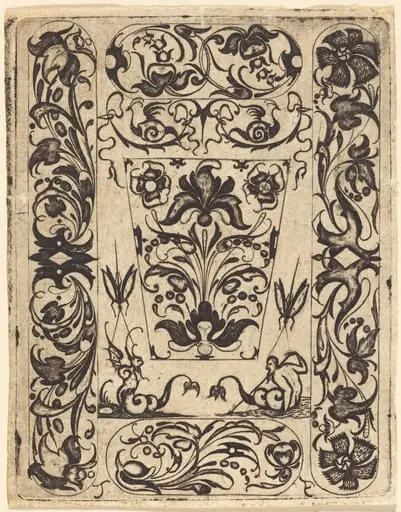
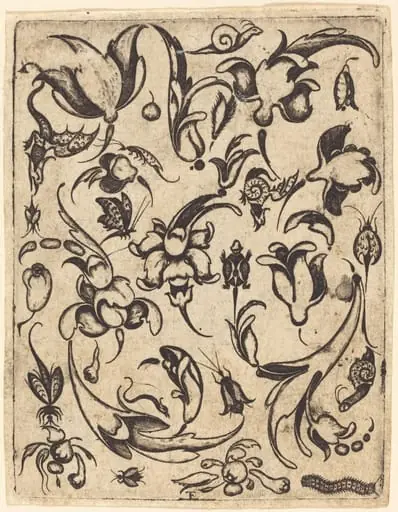
Playing Card is an ink print by the Renaissance artist German 15th Century. It dates from 1401 and is held in the collection of the National Gallery of Art.
About this work
Overview
This hand-colored woodcut depicts a single playing card, likely produced in the early modern period. Though woodcut printing allowed for multiple impressions, the addition of manual coloration distinguishes each copy. The work reflects a hybrid approach: mechanical reproduction tempered by artisanal intervention, suggesting a market for personalized or elevated mass-produced imagery.
Subject & Meaning
The subject is a standard playing card, identifiable by its suit symbol, but devoid of numerical or face details. Its simplicity may reflect functional use in games, or perhaps serve as a study in visual notation. The focus on the suit alone could imply symbolic intent—representing categories of social order, chance, or ritual—common in early card culture.
Technique & Style
Executed as a woodcut, the image was carved into a wooden block and inked for printing. Colors were applied by hand after impression, a labor-intensive step that deviated from fully mechanized production. The brushwork is loose yet deliberate, indicating individual attention to each print, blending industrial efficiency with craft sensibility.
History & Provenance
Hand-colored woodcut playing cards were common in Europe from the 15th through 17th centuries, particularly before lithography and chromolithography emerged. Few examples survive intact, as cards were used and discarded. This piece likely originated in a regional workshop, possibly German or Dutch, where such hybrid techniques flourished.
Context
During this period, playing cards were both recreational tools and cultural artifacts. Their production often involved guilds and printers, with hand-coloring adding value for wealthier patrons. The coexistence of mass production and individual embellishment mirrors broader tensions between standardization and personal expression in early print culture.
Legacy
This object exemplifies the transitional phase between handmade and mechanized art. It influenced later developments in decorative printing and illustrated ephemera. Today, such cards are studied as artifacts of early consumer culture, revealing how ordinary objects could carry subtle artistic intention beyond their utilitarian purpose.
Artist & collection

Artist
This 15th-century German artist carved vivid religious scenes into metal and wood, then hand-painted them in bright, symbolic colors.

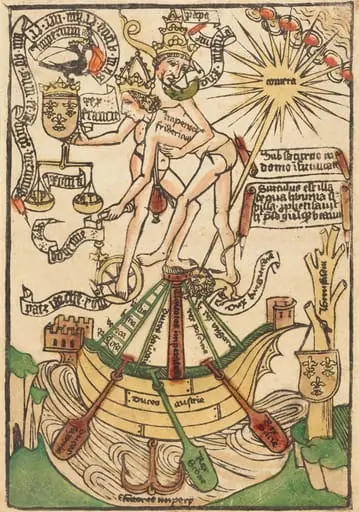 Allegory of the Meeting of Pope Paul II and Emperor Frederick III
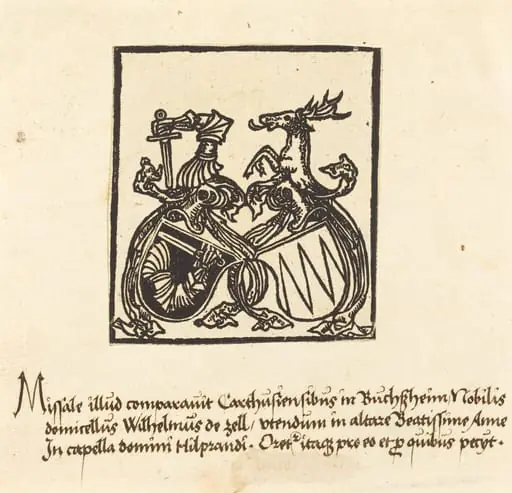 Bookplate of Wilhelm von Zell
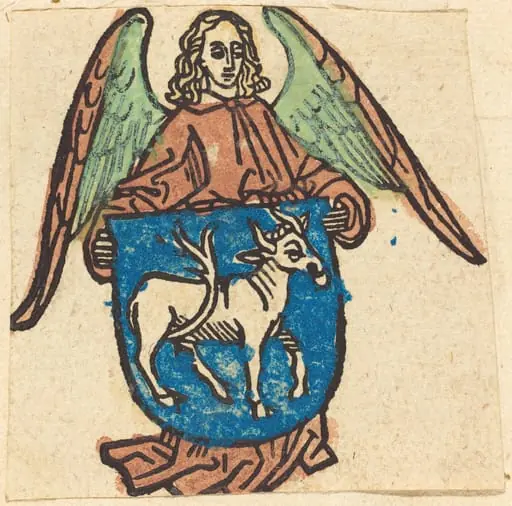 Bookplate of Hilprand Brandenburg of Bibrach
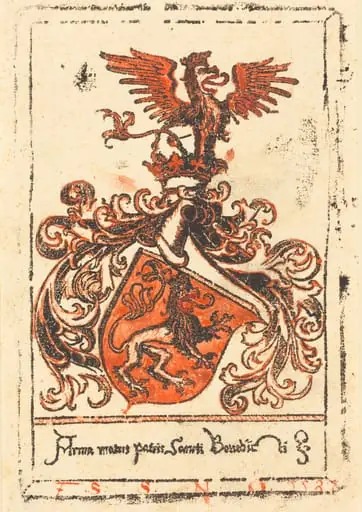 Bookplate of the Abbey of Ottobeuren
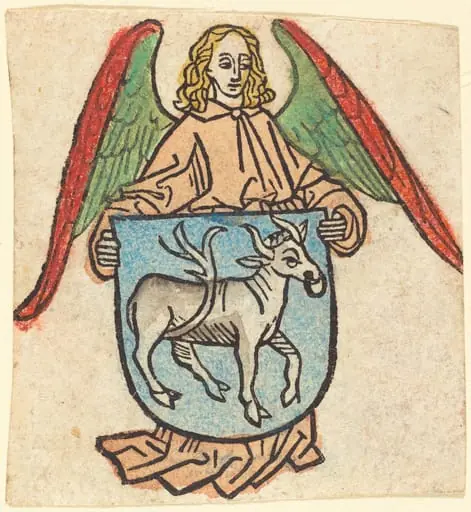 Bookplate of Hilprand Brandenburg of Bibrach
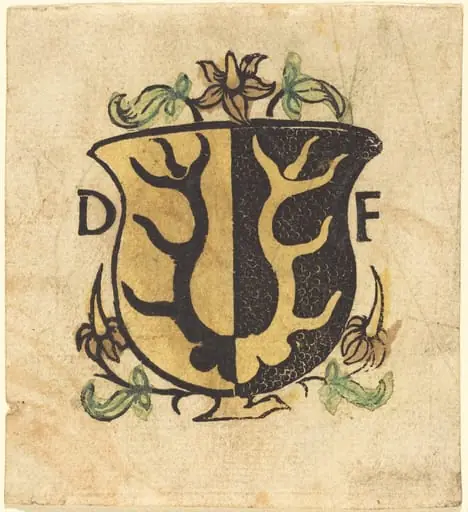 Bookplate of Dominicus Frauenfelder
![Studies for Six Figures (sheet from a model book) [recto], by German 15th Century](https://artifactworldgallery.com/img/german-15th-century--studies-for-six-figures-sheet-from-a-model-book-recto--4837429e0755bc3f-w320.webp) Studies for Six Figures (sheet from a model book) [recto]
Studies for Six Figures (sheet from a model book) [recto]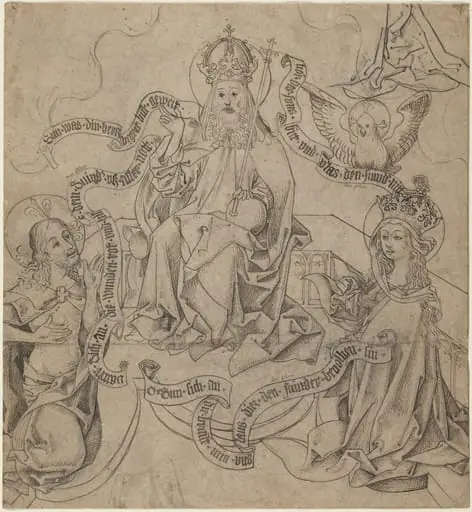 Christ and Mary Interceding with God the Father