Artwork
The Adoration of the Magi
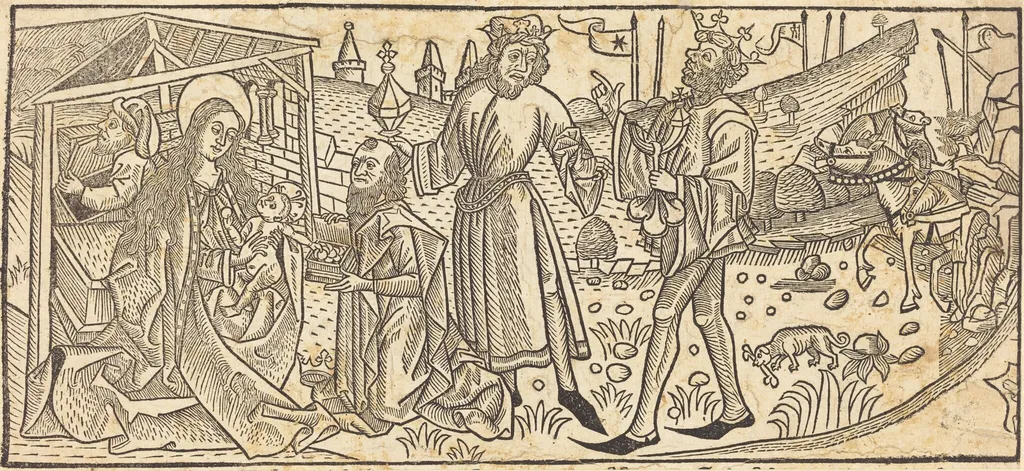
The Adoration of the Magi is an ink print by the Renaissance artist German 15th Century. It dates from 1486 and is held in the collection of the National Gallery of Art. This woodcut, attributed to the Renaissance period, illustrates the biblical moment when the Magi pay homage to the infant Jesus.
About this work
Overview
This woodcut, attributed to the Renaissance period, illustrates the biblical moment when the Magi pay homage to the infant Jesus.
This woodcut, attributed to the Renaissance period, illustrates the biblical moment when the Magi pay homage to the infant Jesus. Executed in black ink on paper, it relies on incised lines to define forms, with minimal tonal variation. The composition centers on the Virgin and Child, framed by the approaching figures and a sparse architectural backdrop. Its clarity and restraint reflect the technical priorities of early printmaking in Northern Europe.
Subject & Meaning
The scene depicts the visit of the Three Kings, a narrative symbolizing the recognition of Christ’s divine status by Gentile rulers. Each Magus presents a gift—gold, frankincense, and myrrh—each carrying theological significance. The Virgin, seated with the child, embodies humility and grace, while the kings’ varied postures suggest reverence and procession. The inclusion of distant buildings and a single flag implies a broader world beyond the sacred moment.
Technique & Style
The artist employed woodcut printing, carving lines into a wooden block to create bold, continuous contours. Shading and texture are suggested through parallel and cross-hatched strokes rather than gradation. Forms are simplified but emotionally resonant, with elongated figures and flattened space typical of early Renaissance printmaking. The medium’s inherent contrast enhances the clarity of the narrative, prioritizing legibility over naturalism.
History & Provenance
The work resides in the collection of the National Gallery of Art in Washington, D.C., acquired as part of a broader effort to document early Northern European prints. Its origin is likely German or Dutch, dating to the late 15th or early 16th century. While the artist’s identity remains unconfirmed, the style aligns with anonymous workshop practices common in print production before the rise of signed editions.
Context
During the Renaissance, woodcuts served both religious devotion and the growing demand for affordable images. This print would have been distributed widely, possibly as a devotional aid or instructional image in monastic or domestic settings. The emphasis on clear narrative and symbolic detail reflects the period’s fusion of spiritual instruction with emerging print culture, bridging manuscript illumination and mass-produced imagery.
Legacy
As an early example of narrative woodcut, this work contributed to the standardization of biblical imagery in print form. Its compositional clarity influenced later religious prints across Europe, helping to establish visual conventions for the Adoration scene. Though unsigned, its preservation in a major collection underscores its role in the evolution of printmaking as a respected artistic medium.
Artist & collection

Artist
This 15th-century German artist carved vivid religious scenes into metal and wood, then hand-painted them in bright, symbolic colors.

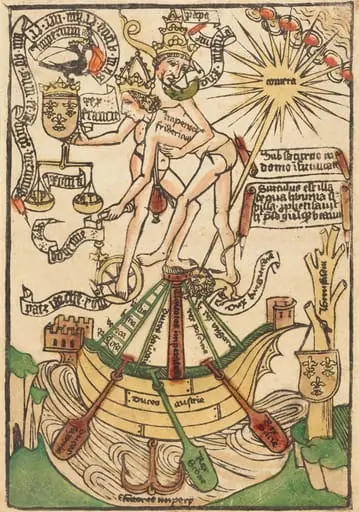 Allegory of the Meeting of Pope Paul II and Emperor Frederick III
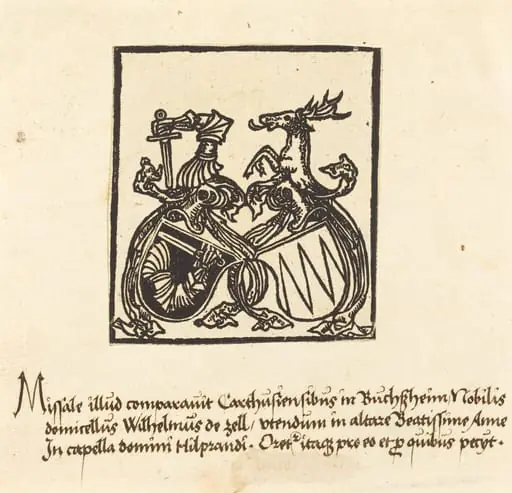 Bookplate of Wilhelm von Zell
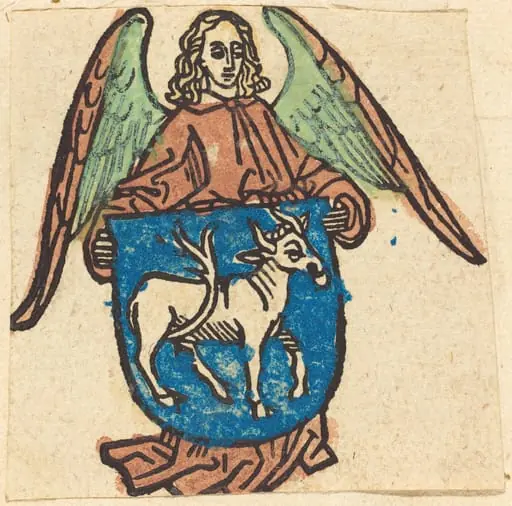 Bookplate of Hilprand Brandenburg of Bibrach
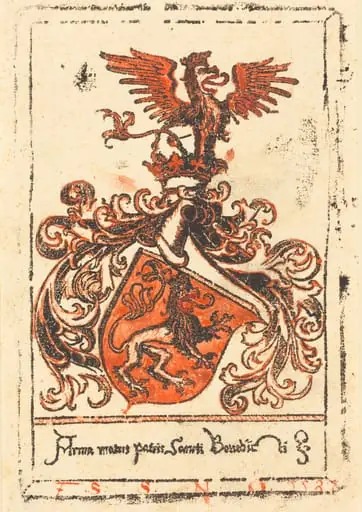 Bookplate of the Abbey of Ottobeuren
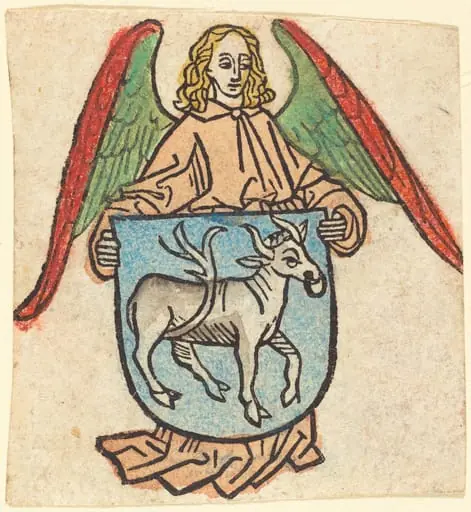 Bookplate of Hilprand Brandenburg of Bibrach
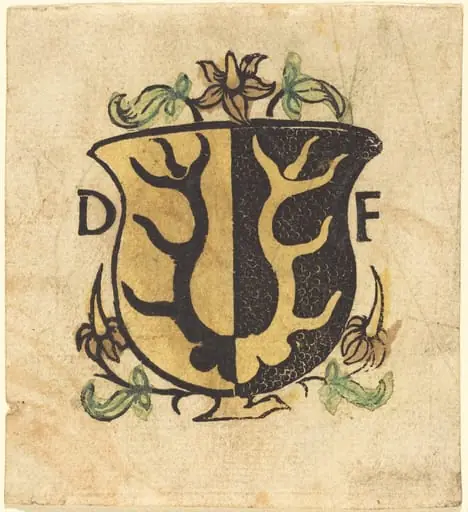 Bookplate of Dominicus Frauenfelder
![Studies for Six Figures (sheet from a model book) [recto], by German 15th Century](https://artifactworldgallery.com/img/german-15th-century--studies-for-six-figures-sheet-from-a-model-book-recto--4837429e0755bc3f-w320.webp) Studies for Six Figures (sheet from a model book) [recto]
Studies for Six Figures (sheet from a model book) [recto]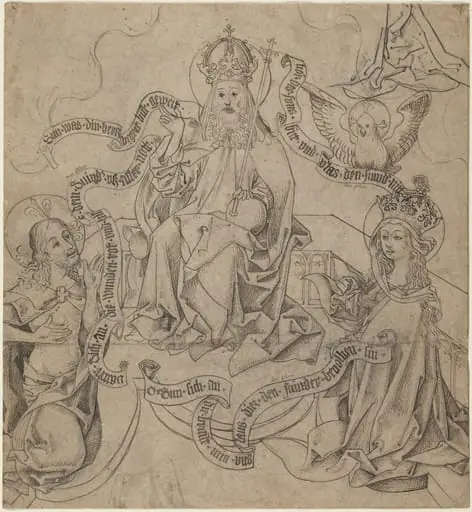 Christ and Mary Interceding with God the Father
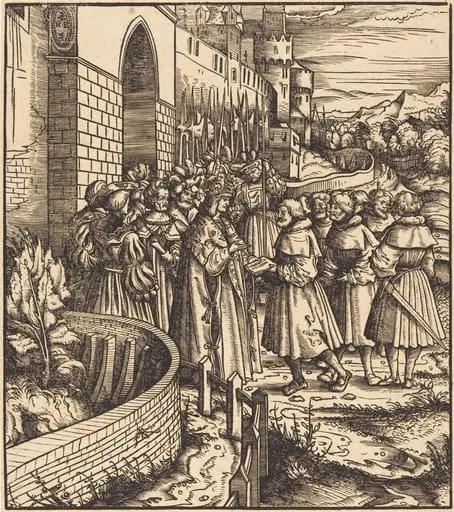 The Swiss Embassy against the Blue King
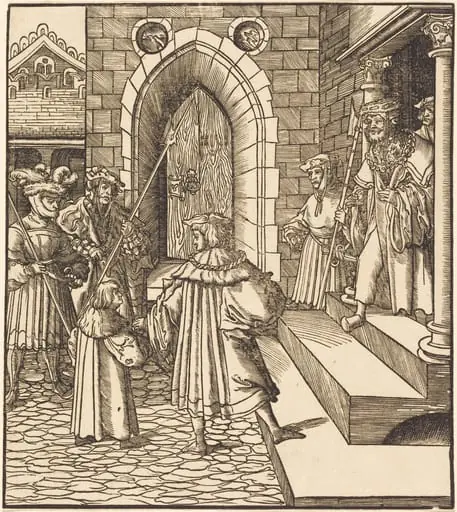 Three Men and a Boy in the Court of a Castle, to the Right Three Men on a Staircase
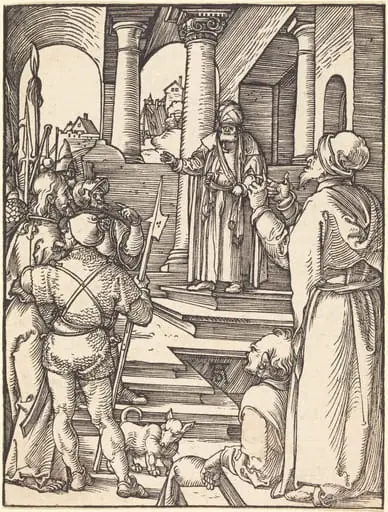 Christ before Pilate
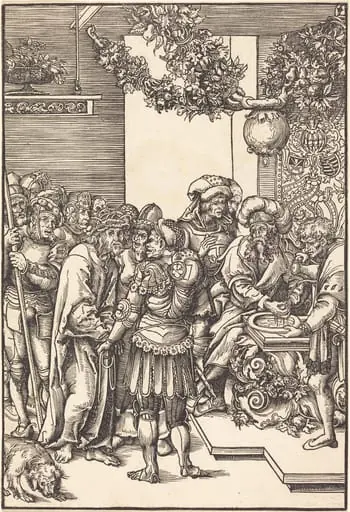 Pilate Washing His Hands
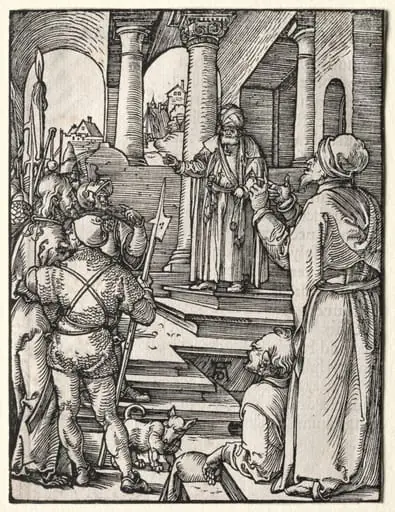 The Small Passion: Christ Before Pilate
!["Do Not Walk outside the Public Highway" [fol. 35 recto], by French early 16th Century](https://artifactworldgallery.com/img/french-early-16th-century--do-not-walk-outside-the-public-highway-fol-35-recto--5d74d03d25205a7b-w320.webp) "Do Not Walk outside the Public Highway" [fol. 35 recto]
"Do Not Walk outside the Public Highway" [fol. 35 recto]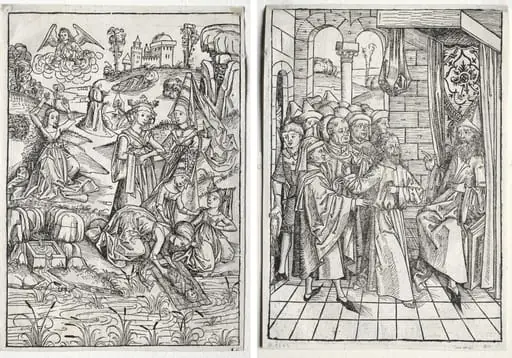 Der Schatzbehalter: Moses Found by Pharaoh's Daughter (recto); Der Schatzbehalter: Christ before Caiaphas (verso)
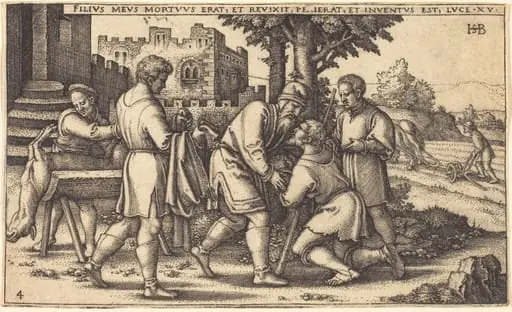 The Return of the Prodigal Son
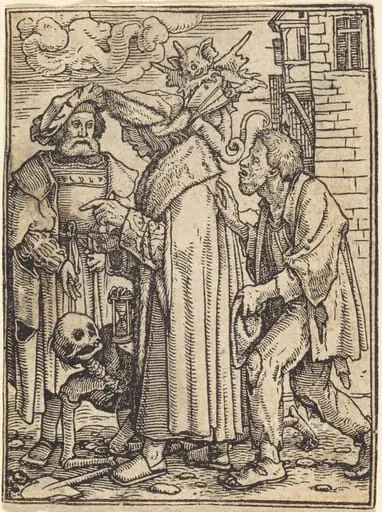 The Councillor
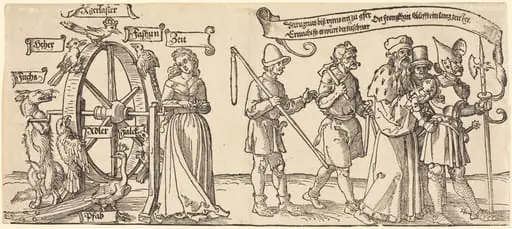 Time and a Fox Turning the Wheel of Fortune with People of all Ranks to the Right
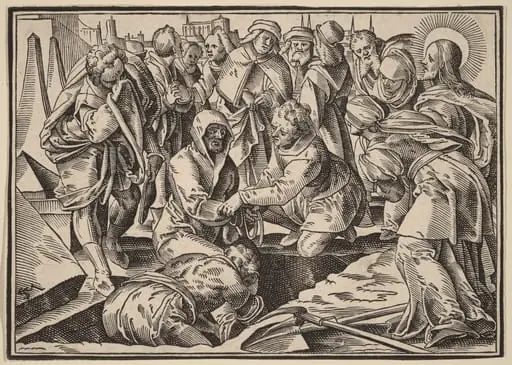 Christ Tells His Disciples of the Last Judgment
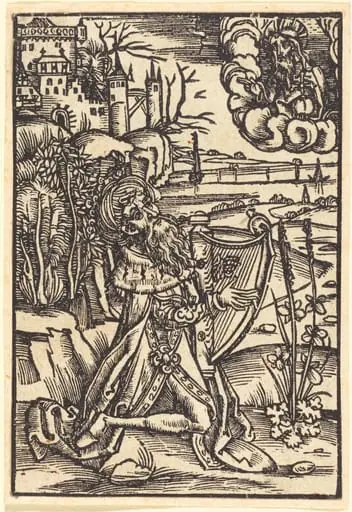 David Playing the Harp