Artwork
Martyrdom of Saint Sebastian
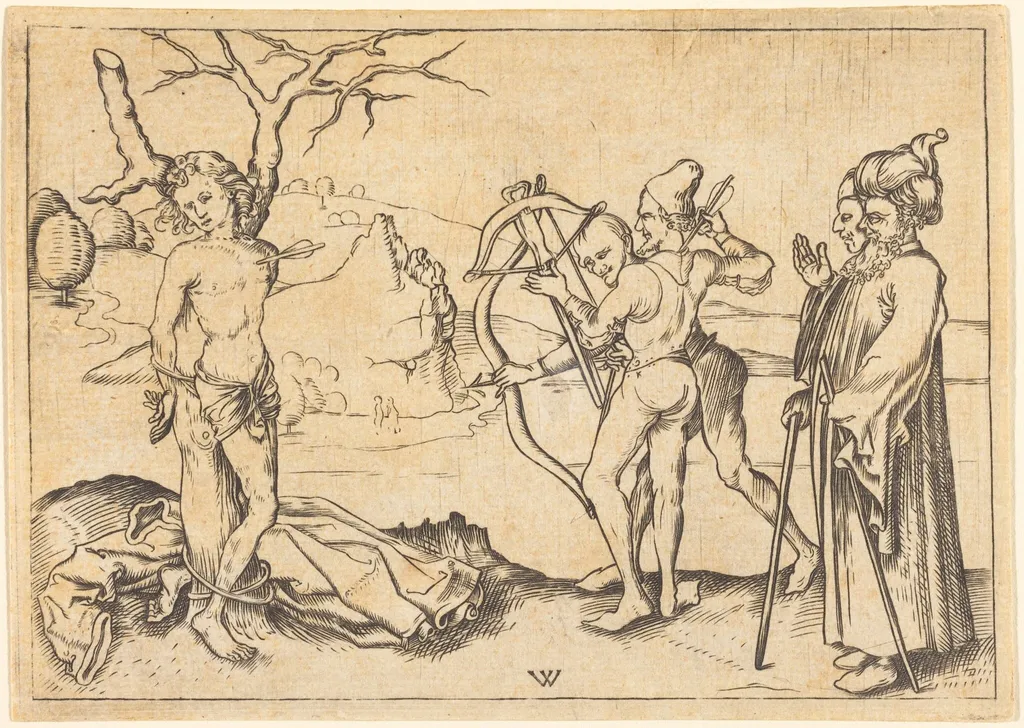
Martyrdom of Saint Sebastian is an ink print by the Baroque artist German 18th Century. It dates from 1750 and is held in the collection of the National Gallery of Art.
About this work
Overview
Rendered in fine linear detail, the scene unfolds in a wooded setting with four figures: the bound saint, two musicians, and a distant observer.
This engraving depicts the martyrdom of Saint Sebastian, a Christian saint traditionally executed by archers. Rendered in fine linear detail, the scene unfolds in a wooded setting with four figures: the bound saint, two musicians, and a distant observer. The composition emphasizes tension through posture and lighting, characteristic of early modern printmaking techniques that prioritized precision and emotional gravity over color.
Subject & Meaning
Saint Sebastian, bound to a tree and pierced by arrows, represents endurance in faith amid persecution. The presence of lyre players may allude to his patronage of music or the contrast between earthly harmony and divine suffering. The lone watcher, cloaked and still, introduces an element of moral distance, inviting contemplation rather than intervention. The scene avoids overt gore, focusing instead on quiet solemnity.
Technique & Style
Executed in engraving, the image relies on incised lines on a metal plate to create texture and depth. Fine cross-hatching and controlled shading model the figures’ forms and suggest atmospheric light, enhancing the drama without color. The Baroque influence is evident in the dynamic tension between stillness and movement, and in the emotional restraint that amplifies the spiritual weight of the moment.
History & Provenance
Though the artist remains unidentified, the style aligns with Northern European printmakers active in the late 16th or early 17th century. Engravings of Saint Sebastian were widely circulated as devotional images and artistic studies. This version likely served both religious and aesthetic purposes, reproduced for private collections and ecclesiastical use across Catholic regions.
Context
During the Counter-Reformation, images of martyrdom were used to reinforce Catholic devotion and resilience. Saint Sebastian, already a popular subject in painting and sculpture, became a frequent theme in prints due to their accessibility. The inclusion of musicians may reflect contemporary associations between sacred suffering and divine melody, a motif found in liturgical texts and sermons of the period.
Legacy
This engraving exemplifies how printmaking extended religious narratives beyond altarpieces into domestic and educational spheres. Its restrained drama and technical finesse influenced later generations of printmakers who sought to convey spiritual themes through line and shadow alone. Though unsigned, it remains a representative work of a broader tradition of devotional imagery in early modern Europe.
Artist & collection
Artist
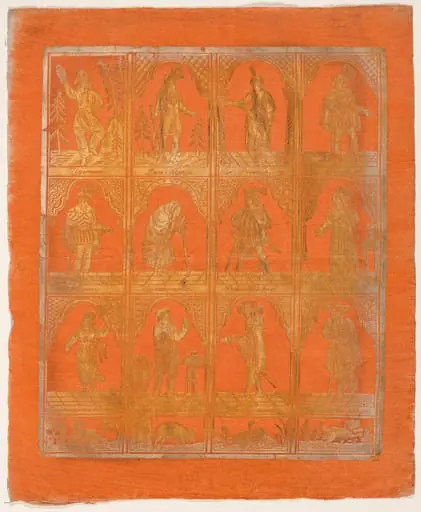
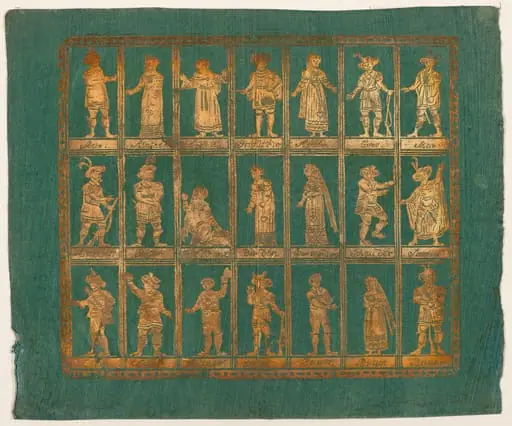
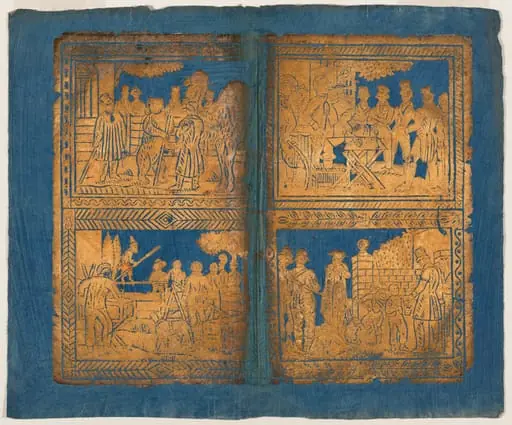
This artist kept meticulous endpapers—like secret notebooks—filled with tiny gold figures standing in a row.

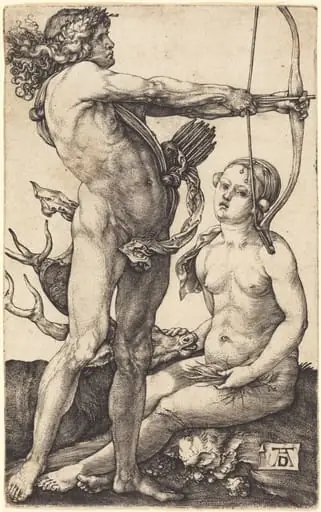 Apollo and Diana
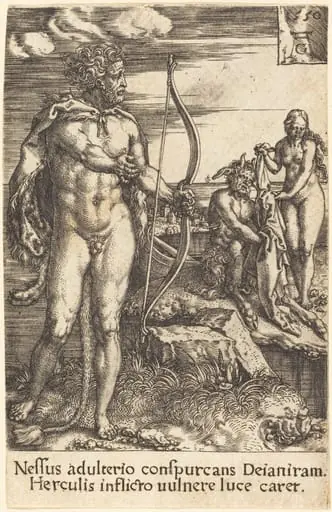 Hercules Killing Nessus
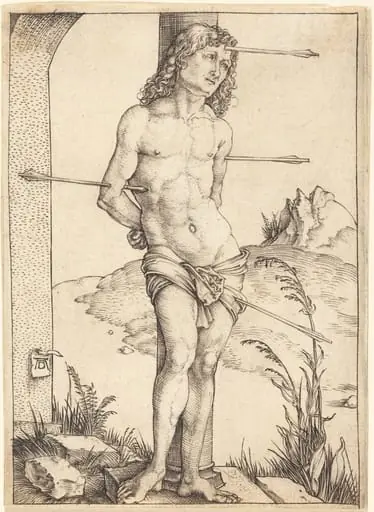 Saint Sebastian Bound to the Column
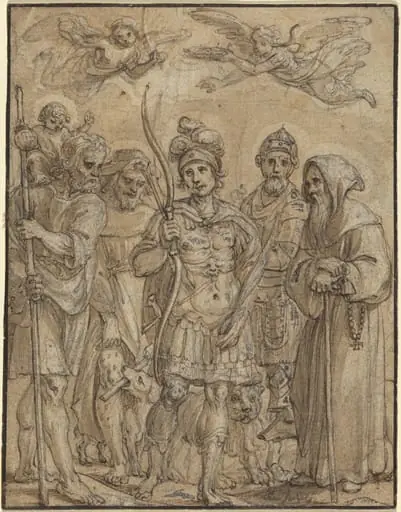 Five Saints
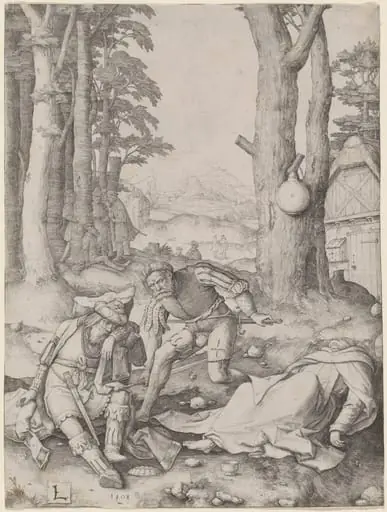 Mahomet and the Monk Sergius
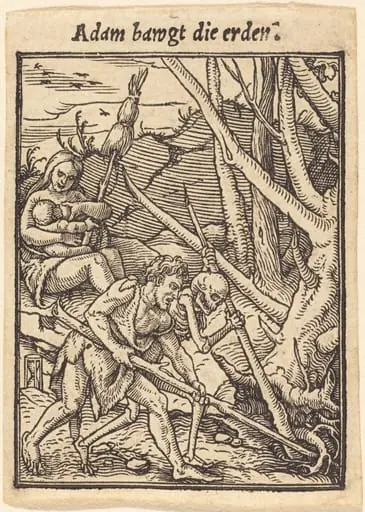 Adam bawgt die erden (Adam Ploughing)
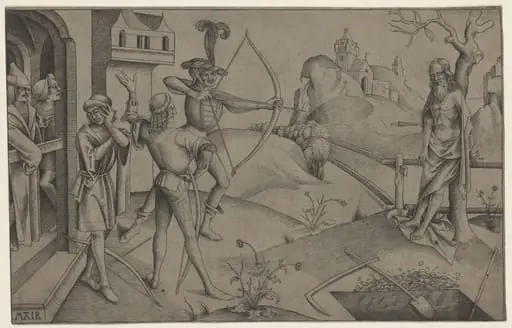 The King's Sons Shooting at their Dead Father's Body
 Five Soldiers and a Turk on Horseback
 Romulus and Remus Found by Faustulus (recto)
 Mahomet and the Monk Sergius