Artwork
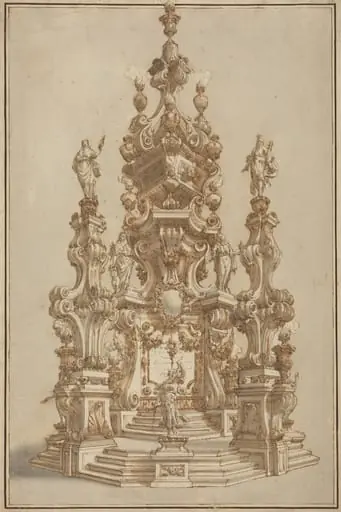
Study for an Altar and a Reredos
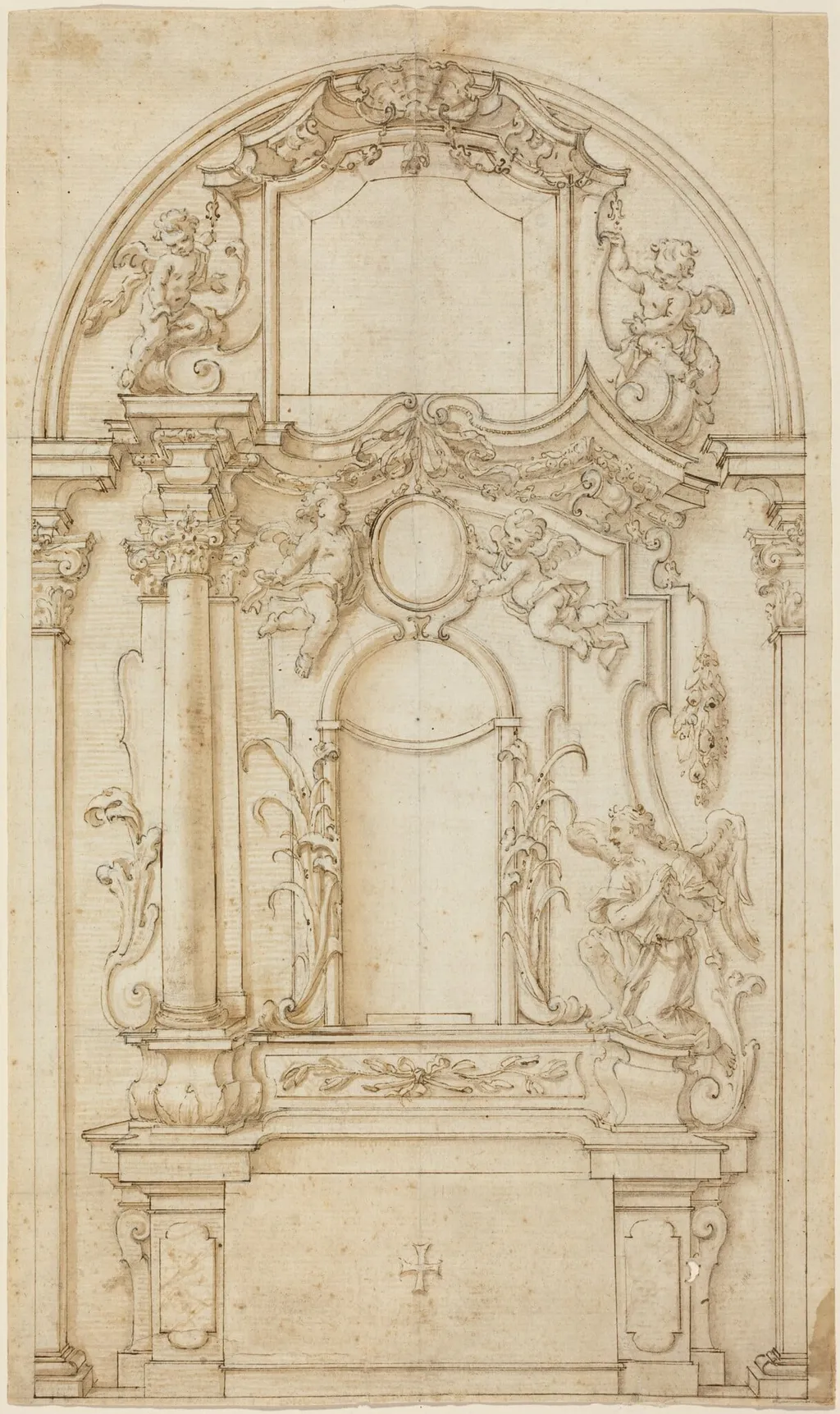
Study for an Altar and a Reredos is an ink drawing by the Baroque artist German 18th Century. It dates from 1750 and is held in the collection of the National Gallery of Art.
About this work
This is a drawing titled Study for an Altar and a Reredos.
It's from the 18th Century, created by a German artist.
The artist used pen, brown ink, and brown wash over graphite on laid paper to create this work, which is now held at the National Gallery of Art, Washington, and is an example of the Baroque movement, and to learn more about this style, look up the movement: Baroque.
Overview
The drawing, entitled *Study for an Altar and a Reredos*, is a preparatory work executed in the eighteenth century by a German artist. Rendered on laid paper, it presents a detailed design for a liturgical altar and its accompanying reredos, reflecting the compositional concerns typical of large‑scale ecclesiastical commissions of the period.
Technique & Style
The artist employed a combination of graphite underdrawing, pen work, and brown ink, finished with a brown wash to model depth and volume. This layered approach, characteristic of Baroque drawing practices, allows for a nuanced interplay of line and tone, suggesting the dramatic chiaroscuro and dynamic spatial organization associated with the movement.
Context
During the eighteenth century, German workshops frequently produced elaborate altar fronts and reredoses for Catholic churches, integrating sculpture, painting, and architecture. Such studies served as visual blueprints, enabling patrons and craftsmen to visualize the intended ornamental program before execution, and they illustrate the period’s emphasis on theatricality and ornate religious settings.
History & Provenance
The drawing is presently part of the collection of the National Gallery of Art in Washington, D.C. It entered the museum through acquisition policies that prioritize works exemplifying European Baroque design processes, thereby providing scholars with insight into the preparatory stages of sacred interior decoration.
Artist & collection
Artist
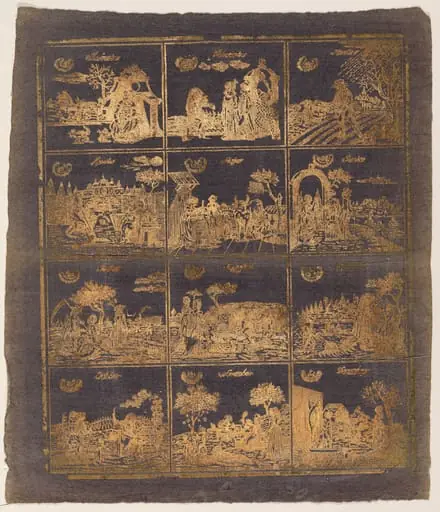
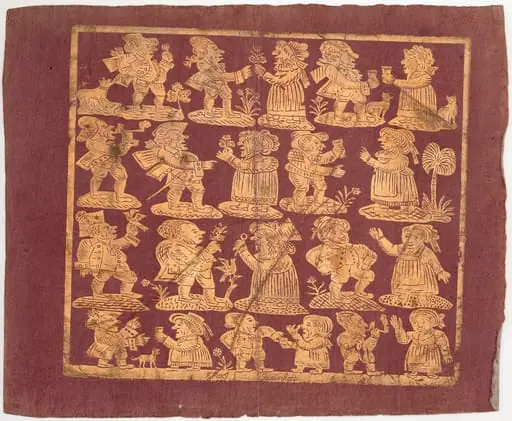
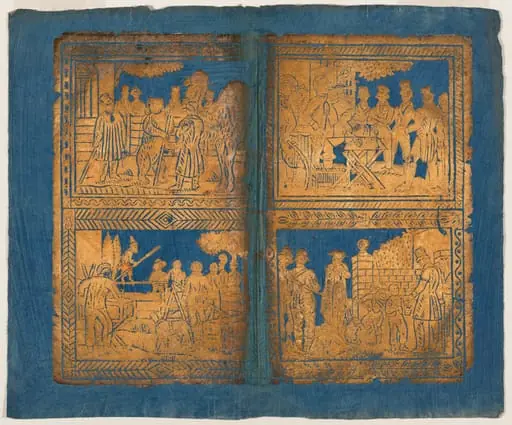
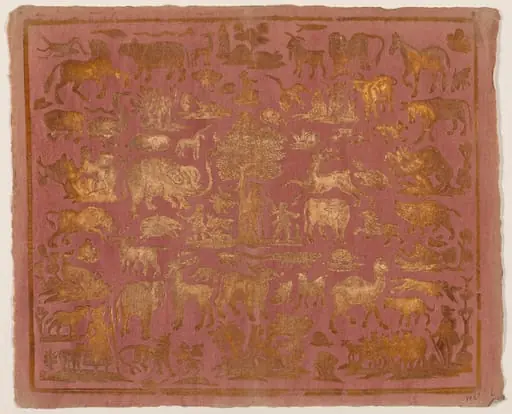
This artist kept meticulous endpapers—like secret notebooks—filled with tiny gold figures standing in a row.

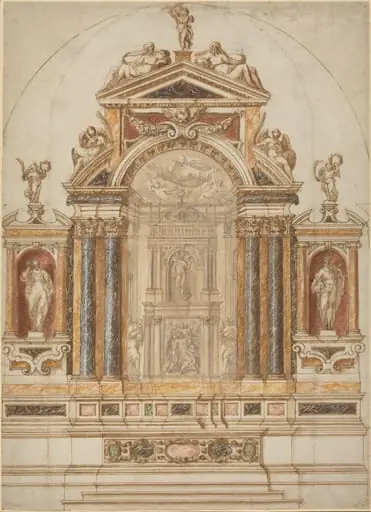 An Elaborate Altar of Colored Marble Ornamented with Sculptures
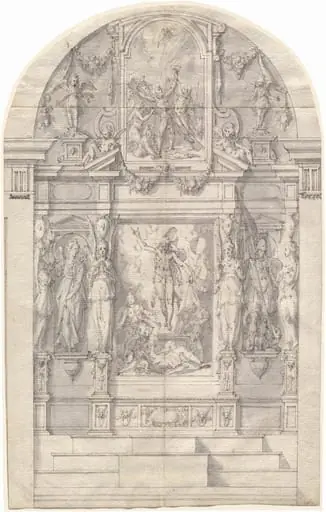 An Elaborate Altar with the Resurrection of Christ and the Martyrdom of Saint Andrew
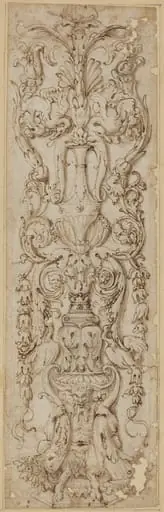 Grotesque with a Satyr
 Design for wall decoration, possibly at Chatsworth, Derbyshire
 Design for an Architectural Framework
 Fantasy of a Façade with Bizarre Ornaments
 Untitled
 Magnificent Catafalque for a Deceased Noble
 Study for the 'Essequie' Conducted in San Lorenzo, Florence, in 1637 in Honour of Holy Roman Emperor Ferdinand II