Artwork
Neptune's Kingdom
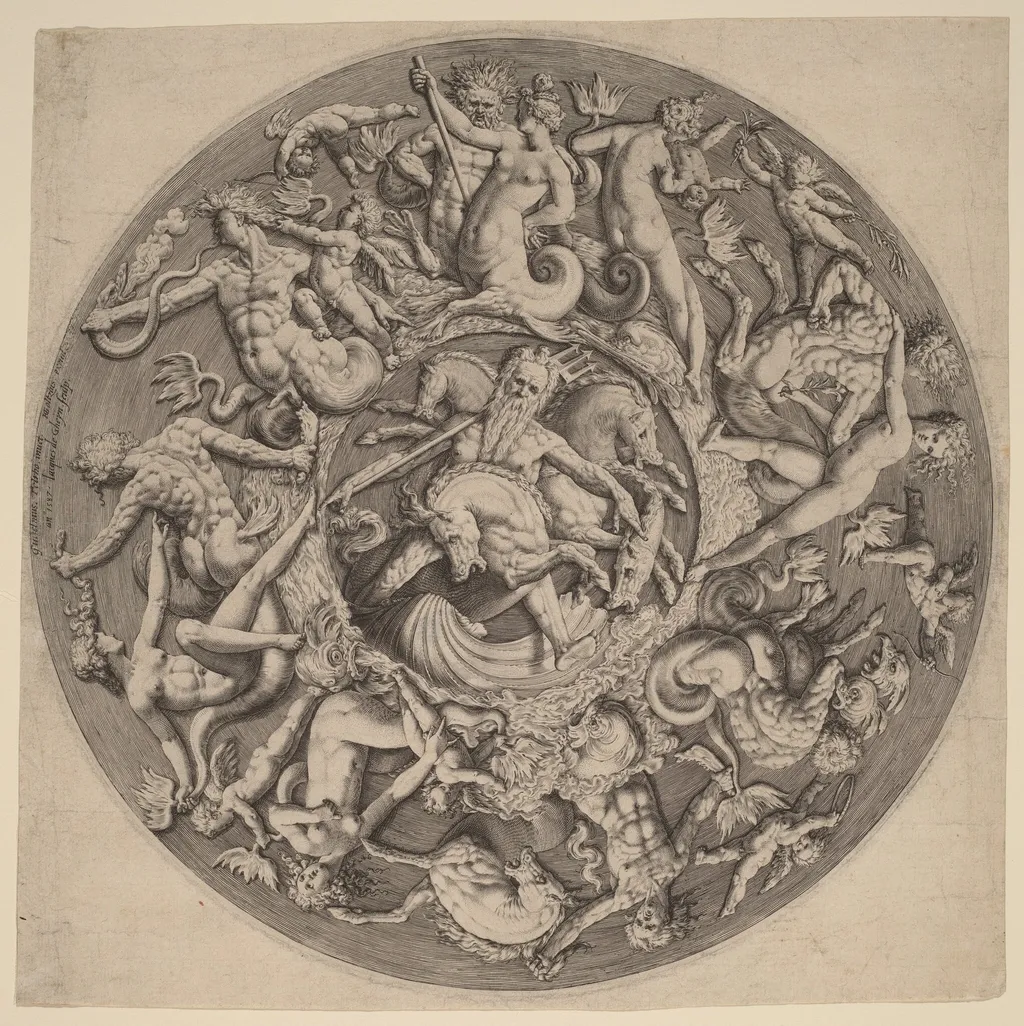
Neptune's Kingdom is an ink print by the Renaissance artist Jacques de Gheyn II. It dates from 1587 and is held in the collection of the National Gallery of Art.
About this work
Overview
The scene is filled with numerous smaller figures, fish, and vegetal forms that occupy the entire surface.
Jacques de Gheyn II’s print Neptune’s Kingdom, executed in 1587, is an engraving on laid paper. The composition presents a densely populated underwater tableau centered on a bearded figure surrounded by marine life, shells, and tangled seaweed, while a muscular rider on a trident‑armed sea monster looms above. The scene is filled with numerous smaller figures, fish, and vegetal forms that occupy the entire surface.
Subject & Meaning
The central bearded man appears to preside over a fantastical ocean realm, suggesting a mythological ruler or a personification of the sea’s authority. The accompanying muscular figure with a trident, traditionally associated with Neptune, reinforces the theme of dominion over marine forces. The multitude of creatures and shells may symbolize the abundance and diversity of the ocean, reflecting contemporary fascination with the natural world.
Technique & Style
Created by incising lines into a copper plate and printing onto laid paper, the work demonstrates the intricate line work characteristic of late‑sixteenth‑century engravings. Gheyn employs fine cross‑hatching and stippling to render texture in shells, scales, and water, achieving a high level of detail that fills the picture plane. The crowded composition and emphasis on decorative intricacy align with the Mannerist tendency to pack visual information into a single frame.
History & Provenance
Neptune’s Kingdom was produced in the Netherlands during Gheyn’s mature period, shortly after his appointment as court engraver to the Dutch stadholder. The print was likely circulated among collectors of prints and scholars interested in allegorical and natural subjects. Surviving copies are held in several European print collections, confirming its distribution in the late Renaissance print market.
Context
The engraving reflects the broader sixteenth‑century European interest in classical mythology and the natural sciences. Depictions of Neptune and sea monsters were common motifs in decorative arts, serving both ornamental and didactic purposes. Gheyn’s work also parallels contemporary botanical and zoological illustrations, which aimed to catalogue the world’s diversity through meticulous visual records.
Artist & collection


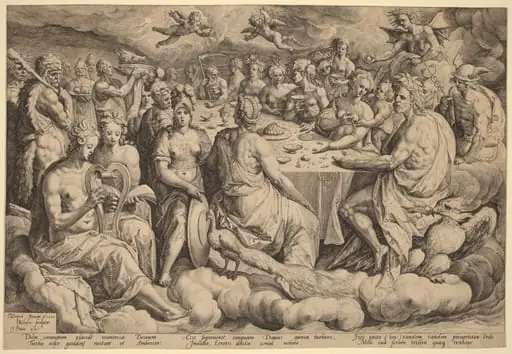 Banquet of the Gods at the Wedding of Peleus and Thetis
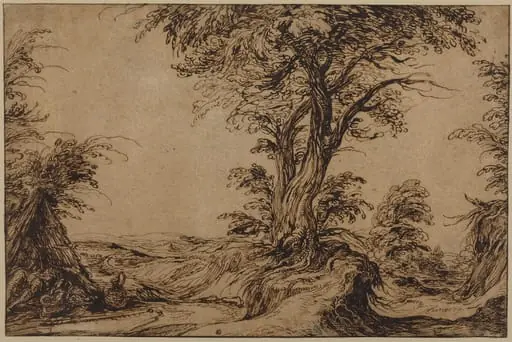 Landscape with Sleeping Peasants
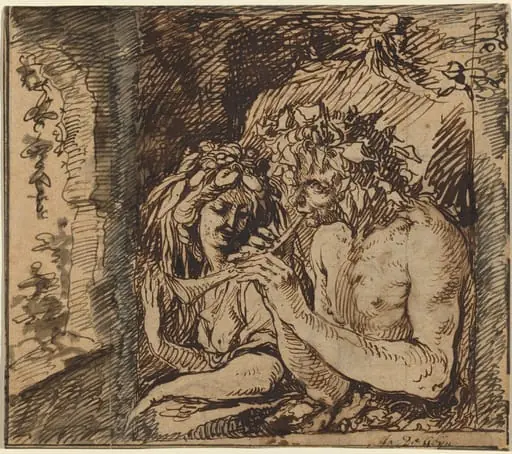 Bacchus and Ceres
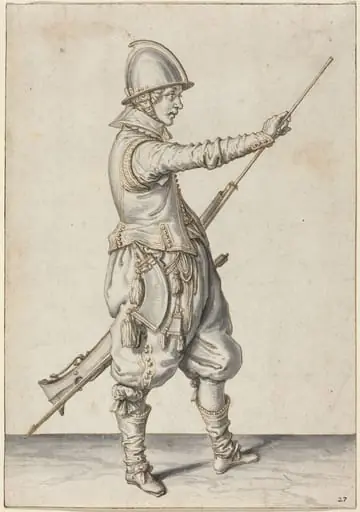 Elegantly Dressed Soldier Tamping His Caliver
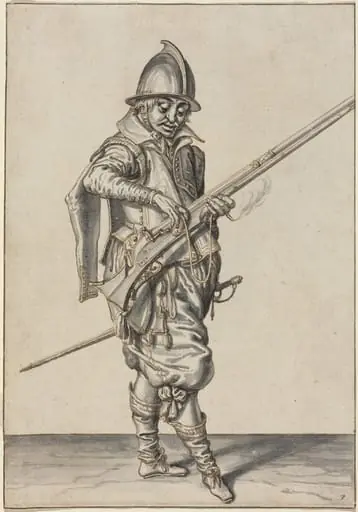 Elegantly Dressed Soldier Preparing to Fire His Caliver
![Witchcraft Scene with a Vampire [recto], by Jacques de Gheyn II](https://artifactworldgallery.com/img/jacques-de-gheyn-ii--witchcraft-scene-with-a-vampire-recto--a791adbd7e97db30-w320.webp) Witchcraft Scene with a Vampire [recto]
Witchcraft Scene with a Vampire [recto]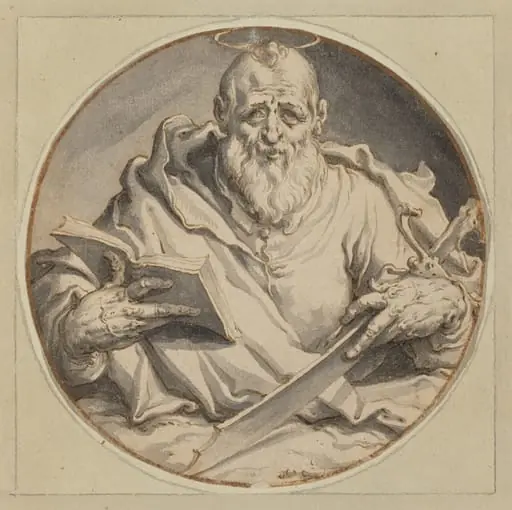 Saint Matthew
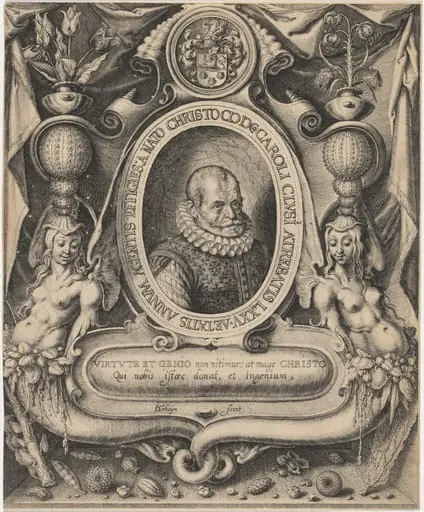 Carolus Clusius, Professor of Botany at Leyden
 Bacchus Riding in a Wagon
 Pandora Opening Her Box
 Pandora Opening Her Box
 Sirens, Naiads, and Tritons
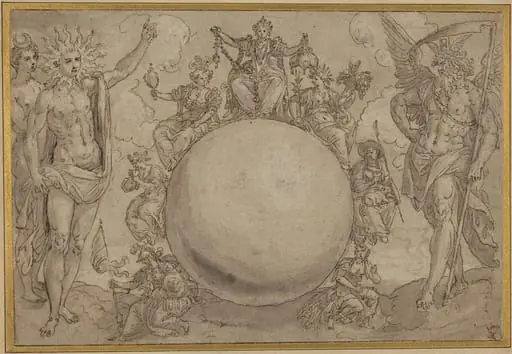 Apollo, Diana, and Time with the Cyclic Vicissitudes of Human Life
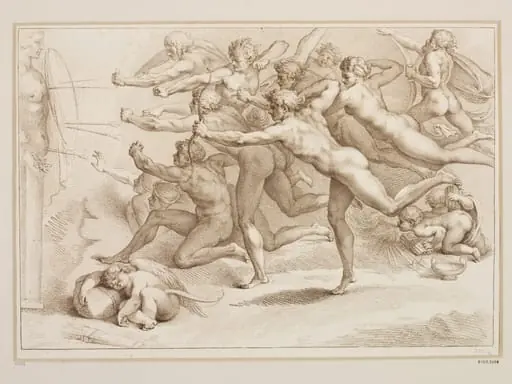 The Archers
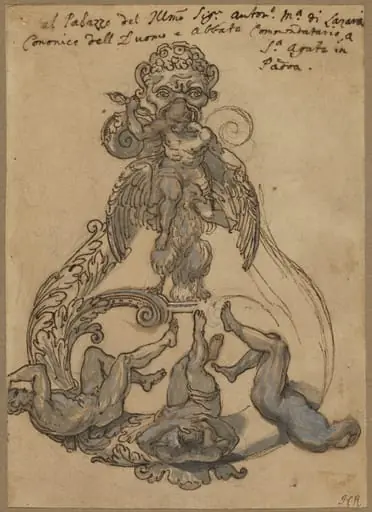 Door Knocker with Zeus Vanguishing Giants
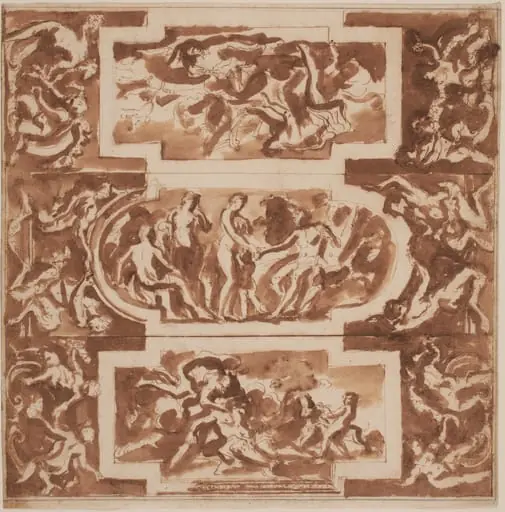 Modello for a Ceiling: Diana and the Dead Endymion, the Judgment of Paris, and the Death of Adonis
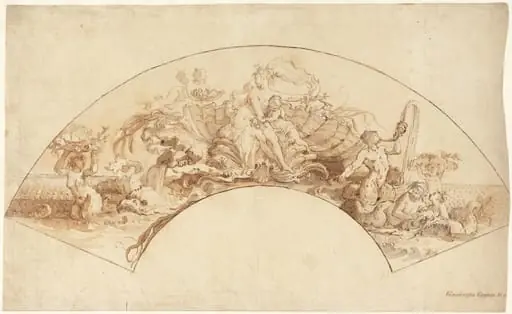 The Triumph of Amphitrite
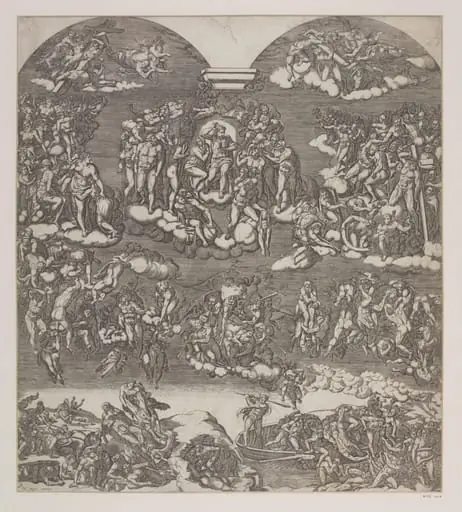 Last Judgment
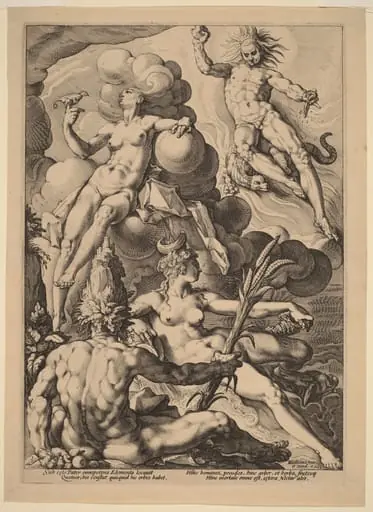 The Four Elements
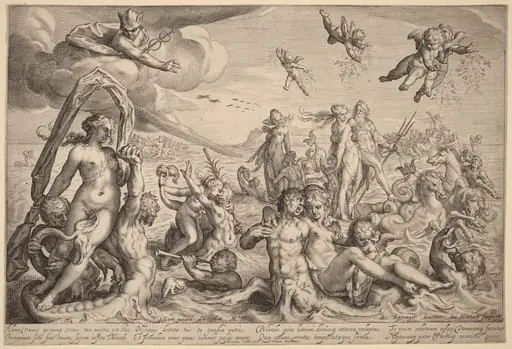 The Triumph of Neptune and Thetis