Artwork
Feste de Diane, Troublee par des Satyres (Feast of Diana Disrupted by Satyrs)
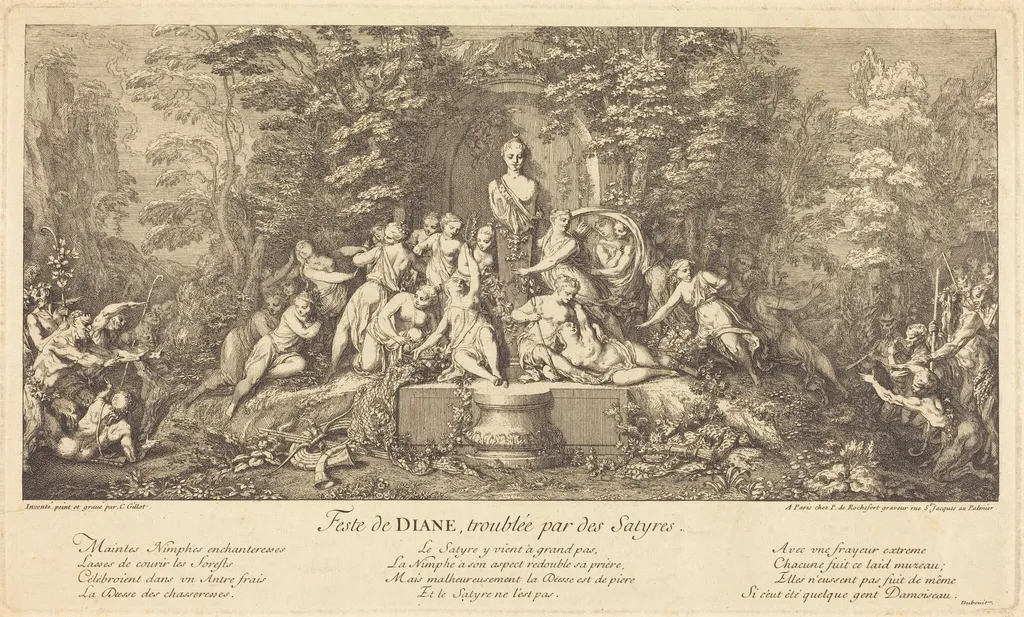
Feste de Diane, Troublee par des Satyres (Feast of Diana Disrupted by Satyrs) is an ink print by the Baroque artist Claude Gillot. It dates from 1698 and is held in the collection of the National Gallery of Art.
About this work
Overview
The work reflects his skill in rendering intricate detail and dynamic movement through fine linear techniques typical of late 17th-century printmaking.
Created in 1698 by French artist Claude Gillot, this print combines etching and engraving to depict a mythological scene titled *Feste de Diane, Troublee par des Satyres*. Gillot, known for his decorative and theatrical compositions, captured a moment of disruption within an idyllic ritual. The work reflects his skill in rendering intricate detail and dynamic movement through fine linear techniques typical of late 17th-century printmaking.
Subject & Meaning
The scene portrays a gathering of nymphs and women honoring Diana, goddess of the hunt, in a forest setting. Their serene activities—dancing, playing music, resting—are abruptly framed by the looming presence of satyrs, mythical forest spirits associated with chaos and desire. The intrusion of these half-animal figures suggests a tension between order and wildness, a common theme in classical mythology interpreted through Baroque sensibilities.
Technique & Style
Gillot employed fine, precise etched lines to define textures: the ripple of fabric, the roughness of tree bark, and the delicate foliage of the woodland. Engraving added depth and contrast, particularly in the shadows where the satyr lurks. The composition is densely packed yet carefully balanced, with figures arranged to guide the eye through the scene, emphasizing movement and spatial depth without perspective distortion.
History & Provenance
The print was produced during Gillot’s early career, before his influence on the Rococo movement became widely recognized. It circulated among collectors and artists in Paris, contributing to his reputation as a skilled printmaker. Though no specific early ownership records are documented, its survival in multiple institutional collections suggests it was valued for its technical finesse and thematic richness.
Context
In late 17th-century France, mythological subjects were popular in decorative arts, often commissioned for private collections or theatrical sets. Gillot’s work responded to this demand while subtly engaging with contemporary interests in nature, fantasy, and the boundaries between civilization and wilderness. His prints served both as artistic studies and as models for other creators, including his pupils Watteau and Lancret.
Legacy
Though less celebrated than his students, Gillot’s prints influenced the development of Rococo aesthetics through their intimate scale, lyrical themes, and emphasis on naturalistic detail. *Feste de Diane* exemplifies his ability to blend narrative tension with decorative elegance, paving the way for a generation of artists who would prioritize emotional nuance and atmospheric storytelling over grand historical drama.
Artist & collection
Artist
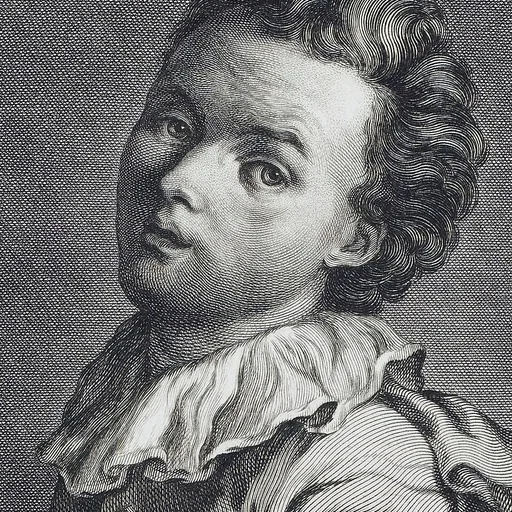
Claude Gillot (April 27, 1673 – May 4, 1722) was a French painter, printmaker, and illustrator, best known as the master of Watteau and Lancret.

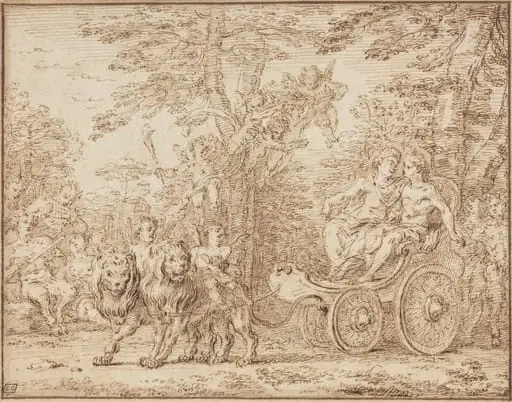 The Triumph of Marriage
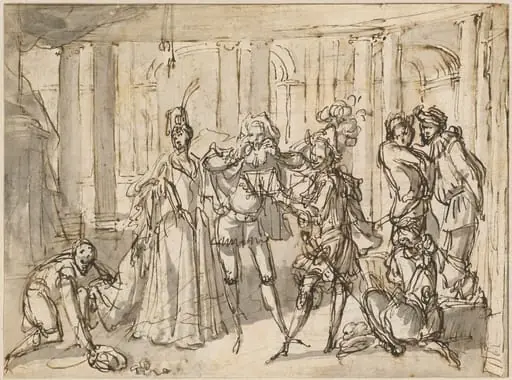 A Performance by the Commedia dell'Arte
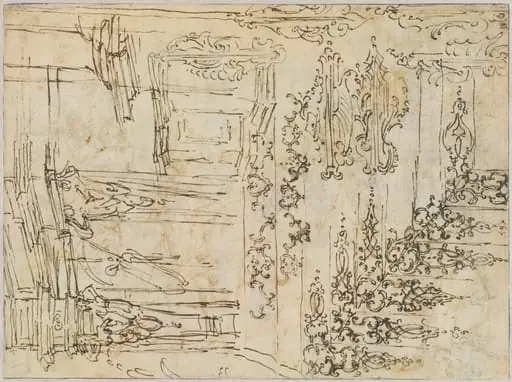 Studies of Ornament and Architecture
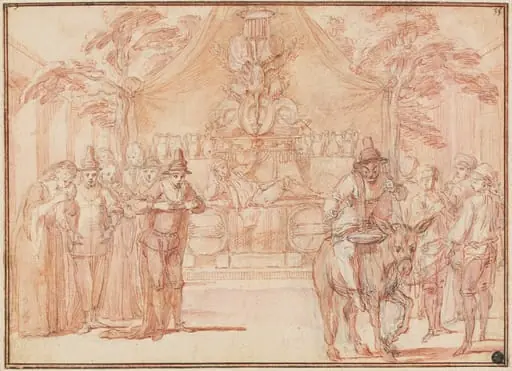 Scene from "The Tomb of Master André"
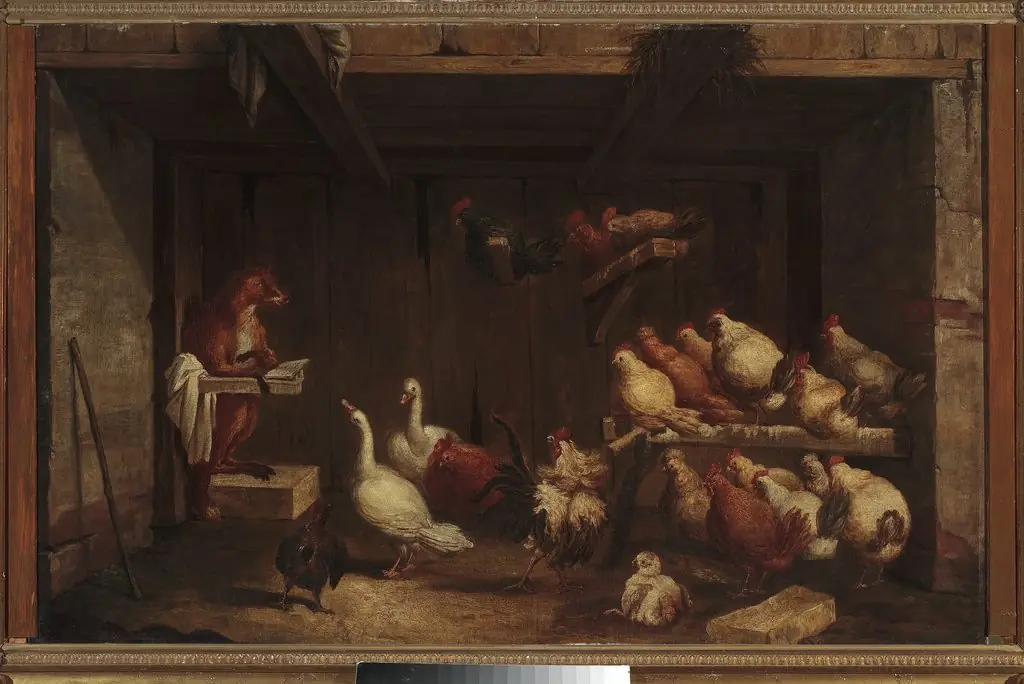 Fox preaching to birds
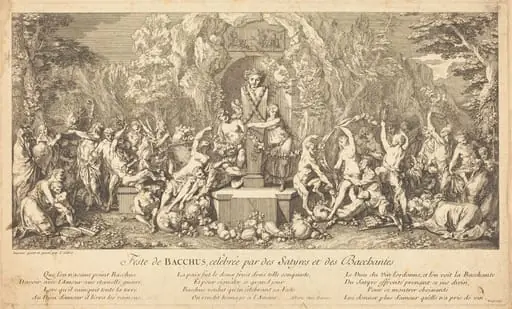 Feste de Bacchus, celebree par des Satyres et des Bacchantes (Feast of Bacchus Celeb rated by Satyrs and Bacchanales)
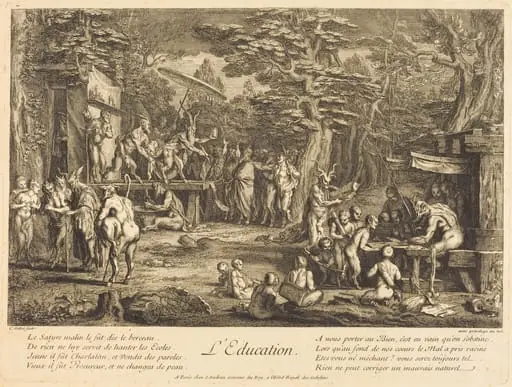 L'Education (Education)
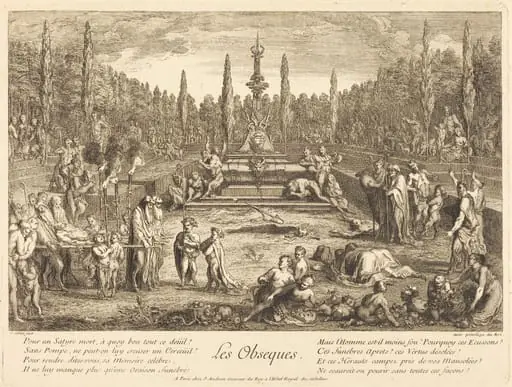 Les Obseques (The Funeral Rites)
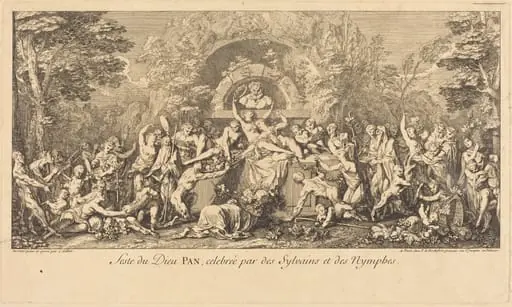 Feste du Dieu Pan, celebree par des Sylvains et des Nymphes (Feast of the God Pan Celebrated by Sylvans and Nymphs)
 The Four Festivals: Festival of the God Pan
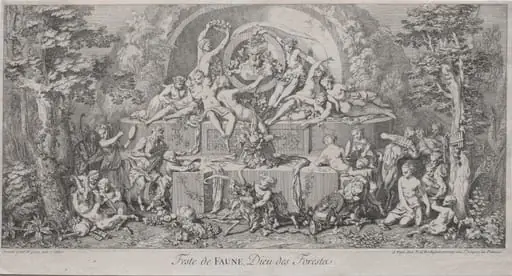 The Four Festivals: Festival of Faune
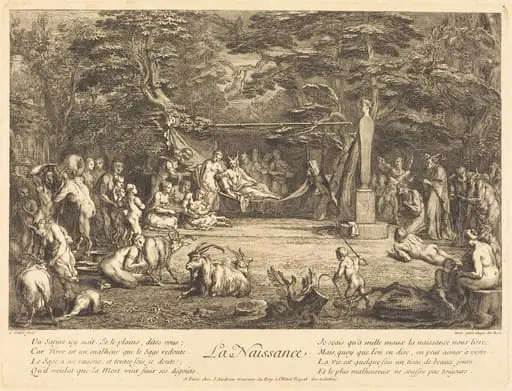 La Naissance (Birth)
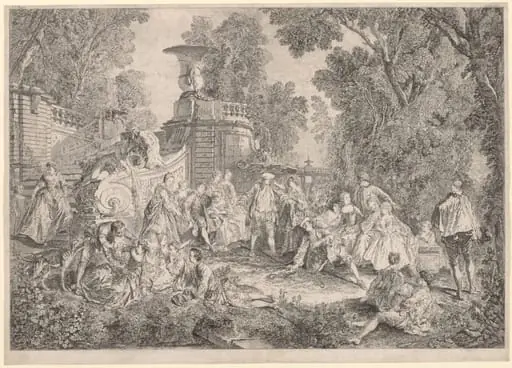 The Game of Blind Man's Bluff
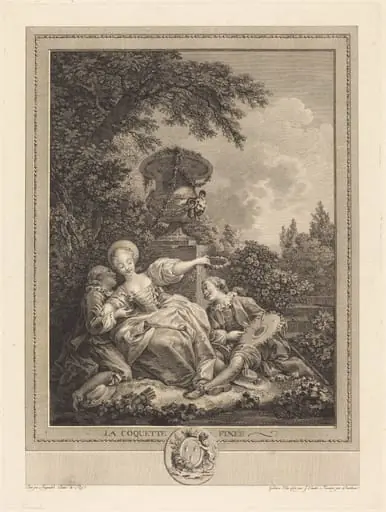 La coquette fixee
 Fete of Pan
 L'automne
 Finding of Moses
 Classical Scene