Artwork
Allegory of the Rescue of Humanity: Virtus Deserta
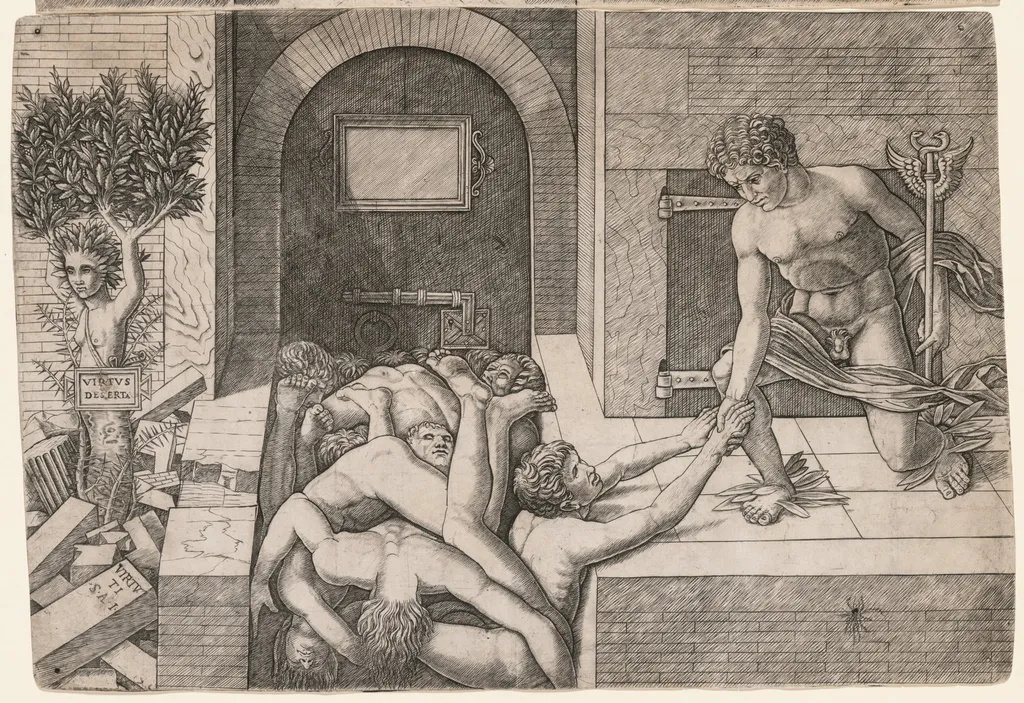
Allegory of the Rescue of Humanity: Virtus Deserta is a print by the Renaissance artist Giovanni Antonio da Brescia. It dates from 1502 and is held in the collection of the Cleveland Museum of Art.
About this work
Overview
Allegory of the Rescue of Humanity: Virtus Deserta is a print created by Italian engraver Giovanni Antonio da Brescia around 1502. It is an allegorical work held in The Cleveland Museum of Art's collection.
Subject & Meaning
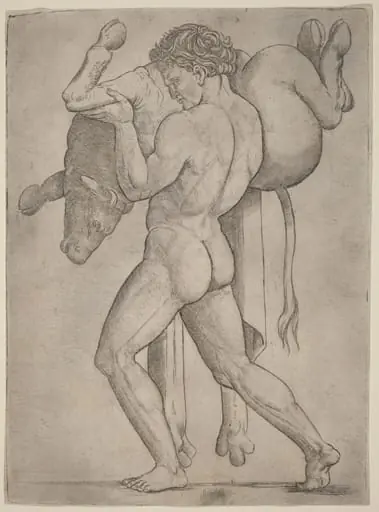
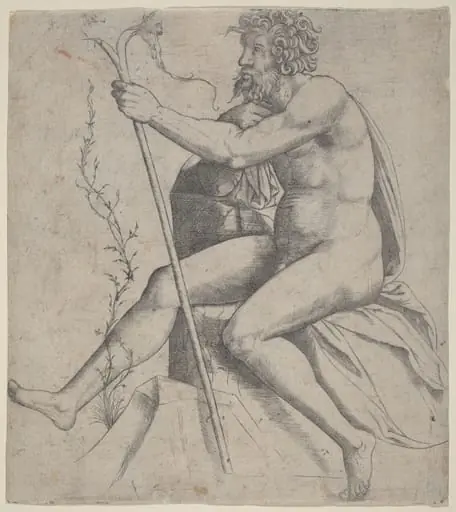
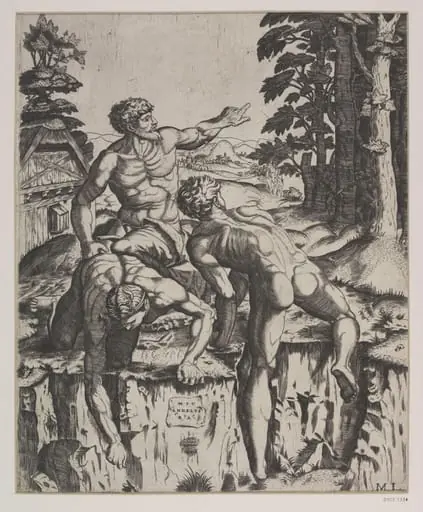
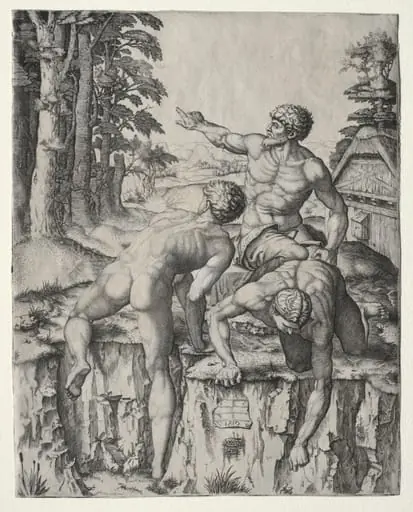
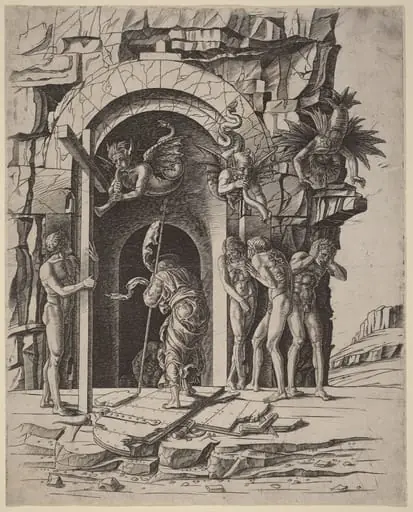
The print depicts a dramatic scene with three naked men and a laurel-crowned woman holding a 'Virtus Deserta' banner. The figures convey a narrative of struggle and rescue, with the standing man's strong posture and the broken column suggesting a complex interplay between chaos and triumph.
Technique & Style
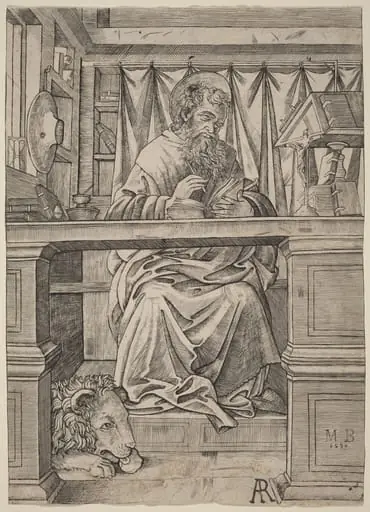
The print showcases Giovanni Antonio da Brescia's early engraving style, characterized by the use of initials 'Z.A.' that he often signed during the initial years of his career.
History & Provenance
Created during the Italian Renaissance, the print reflects the artistic themes and allegorical motifs prevalent during that period. Giovanni Antonio da Brescia was active in northern Italy from approximately 1490 to 1519.
Artist & collection

Artist
Giovanni Antonio da Brescia was an Italian engraver of northern Italy, active in the approximate period 1490–1519, during the Italian Renaissance.