Artwork
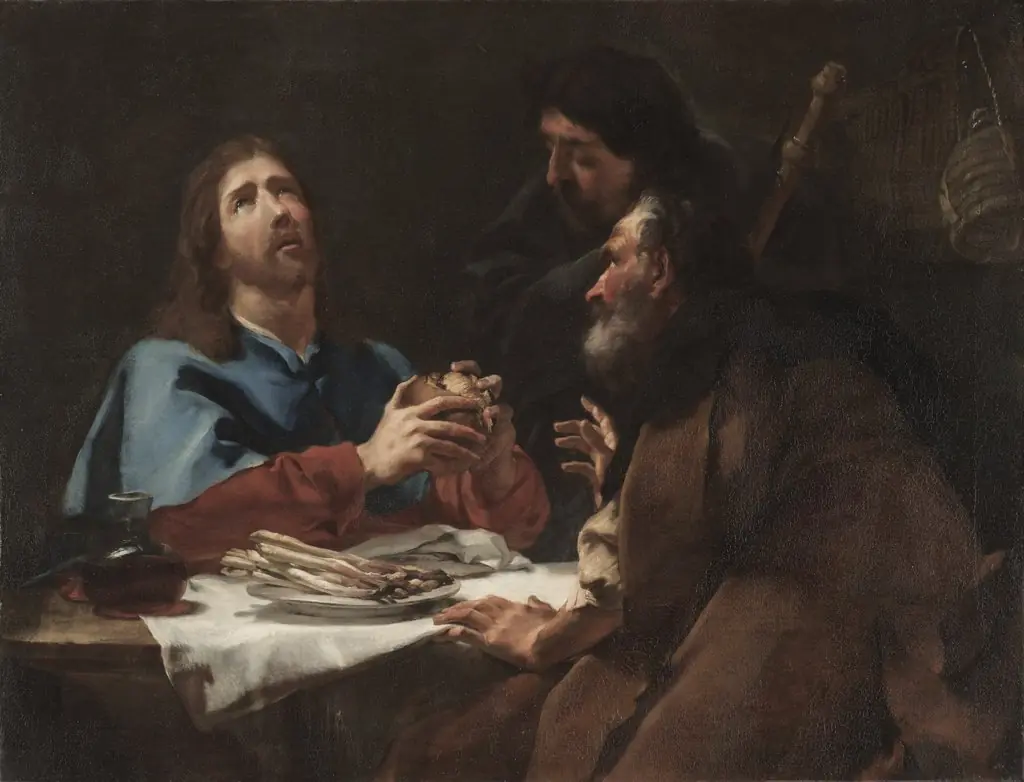
The Supper at Emmaus
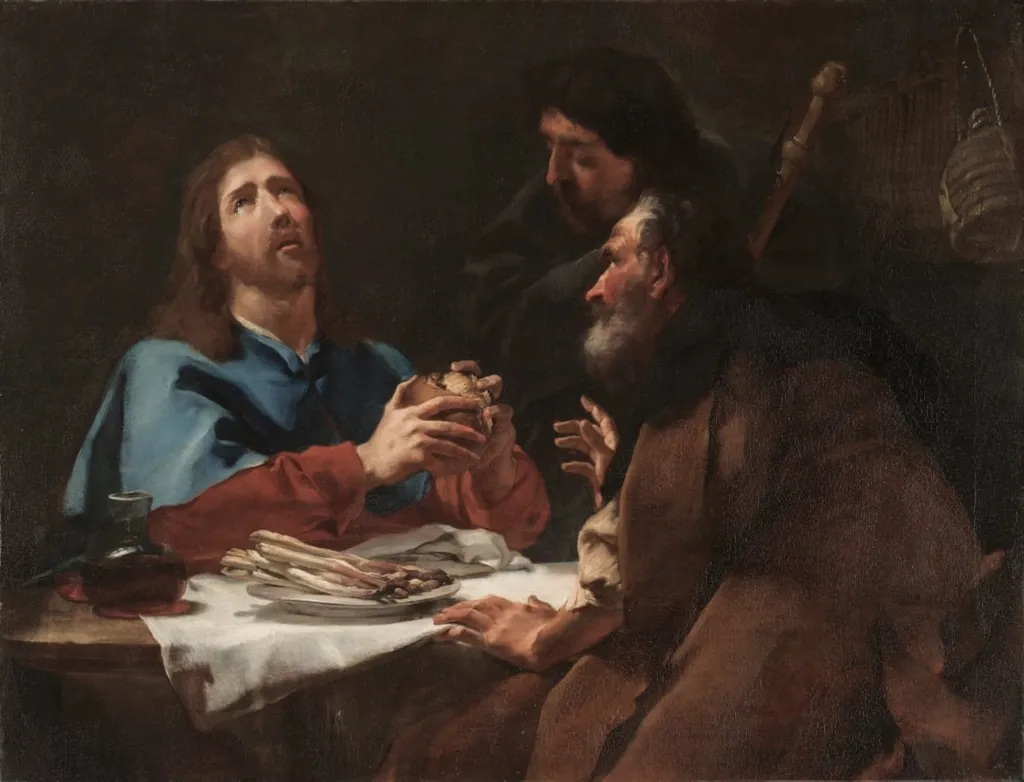
The Supper at Emmaus is an unspecified painting by the Baroque artist Giovanni Battista Piazzetta. It dates from 1720 and is held in the collection of the Cleveland Museum of Art.
About this work
Overview
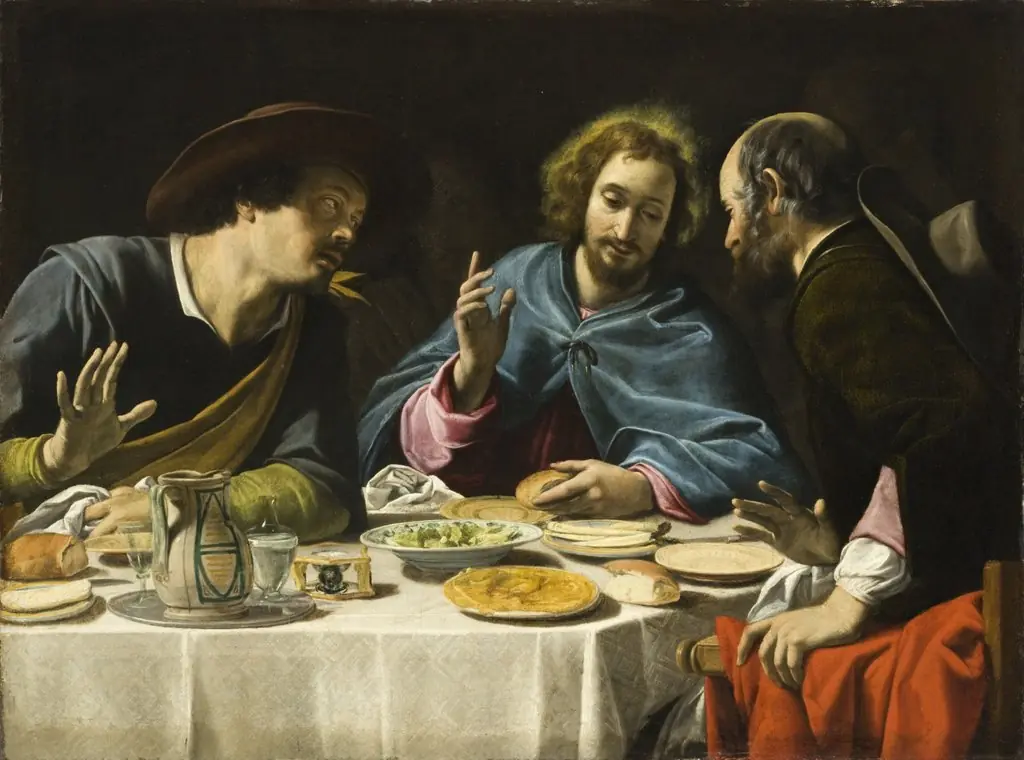
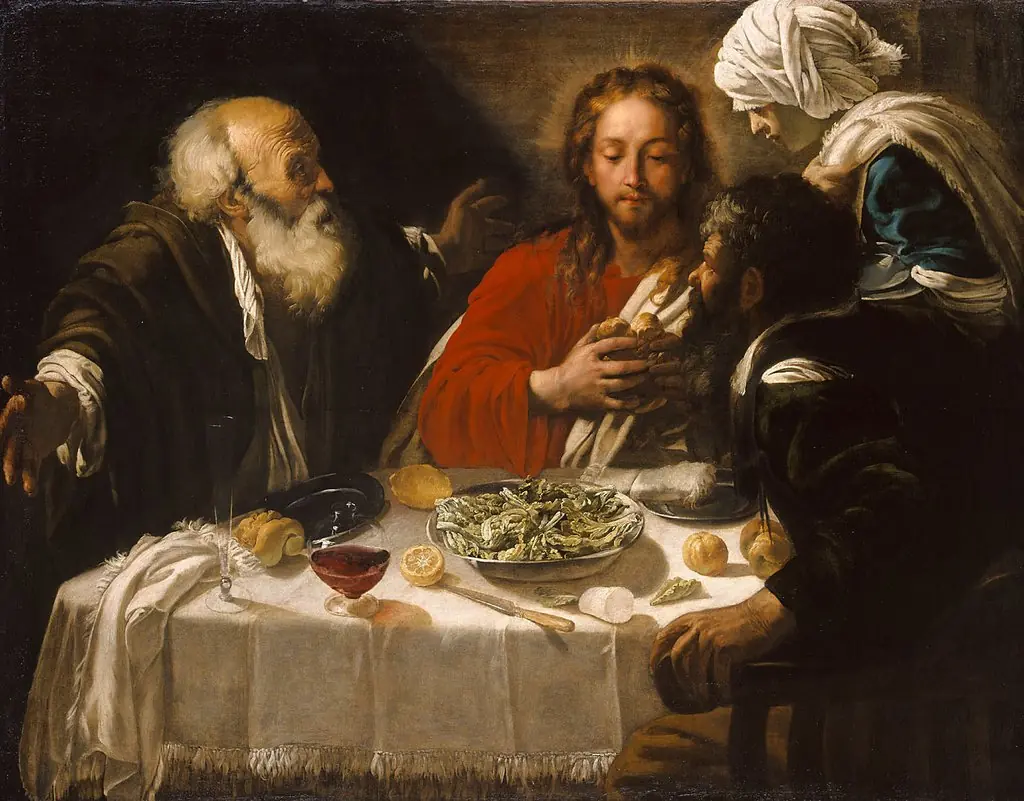
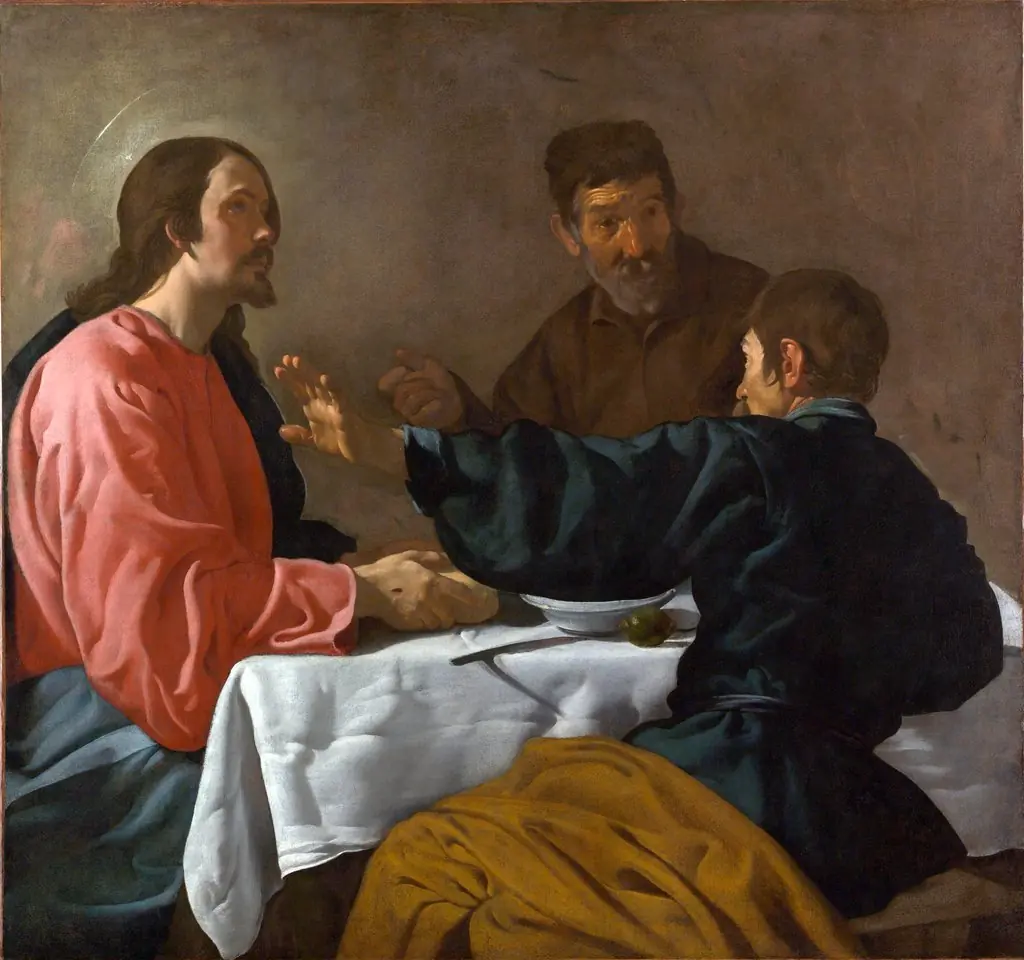
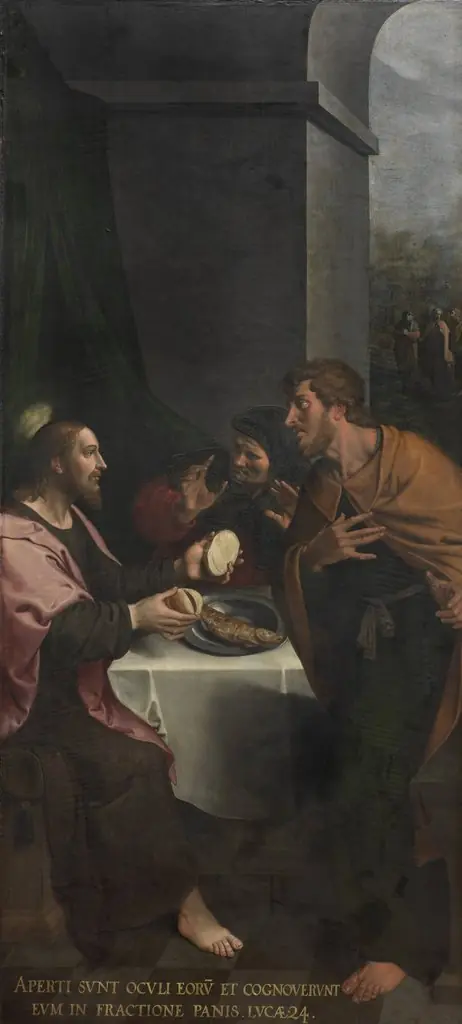
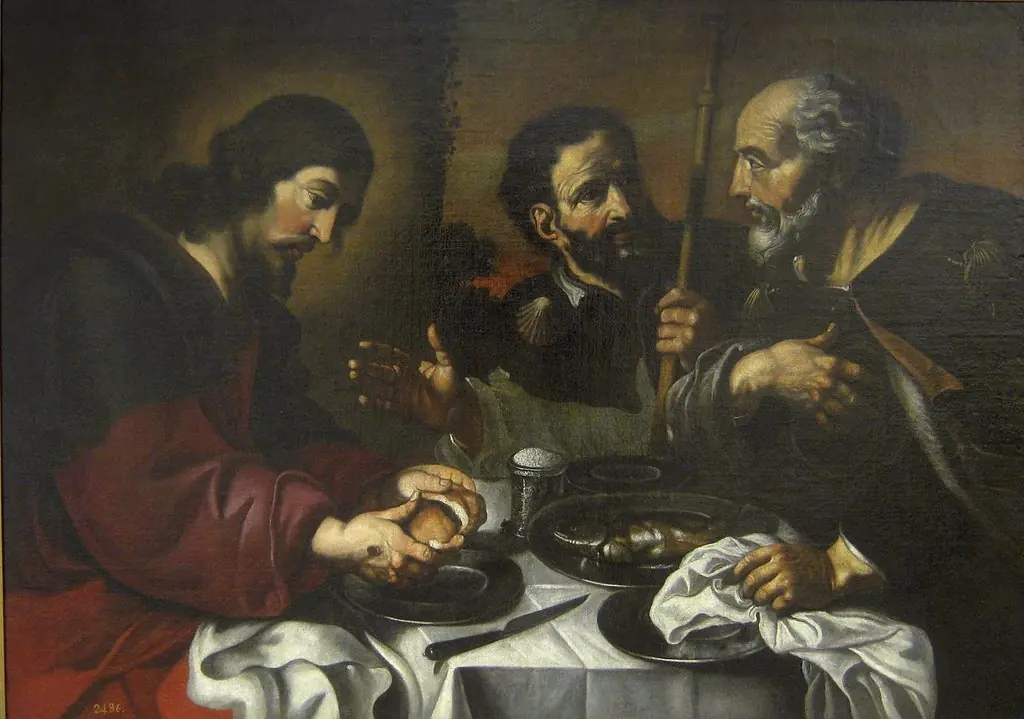
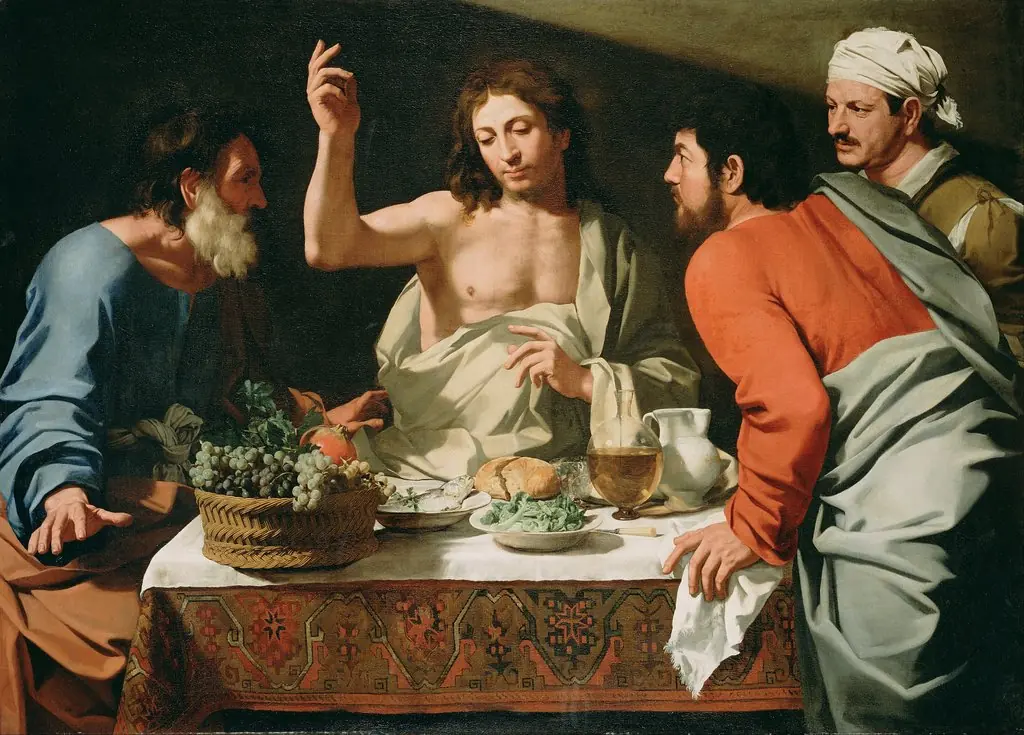
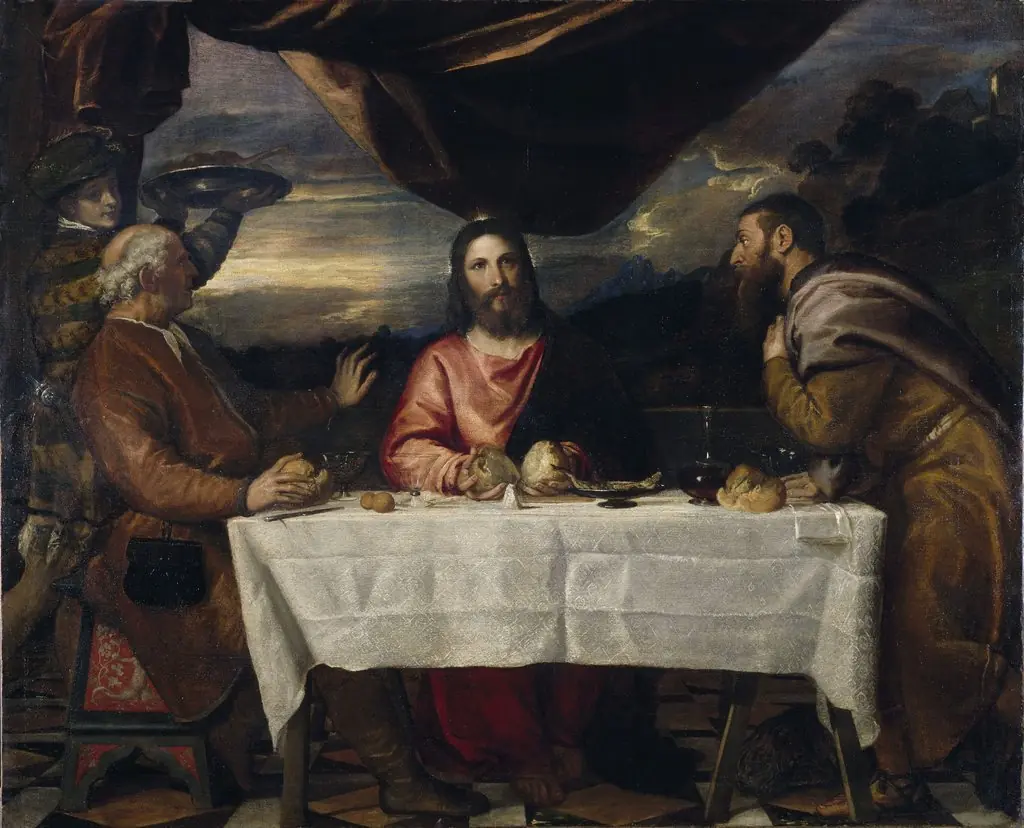
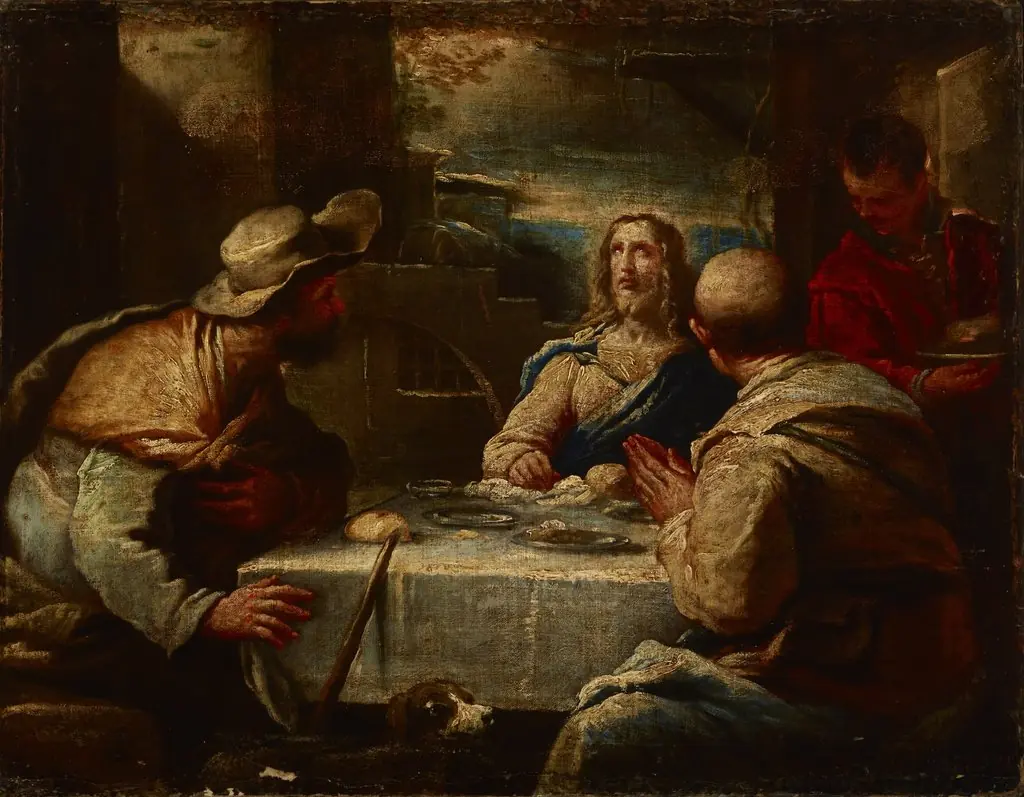
The canvas portrays the biblical episode of the Emmaus supper, where the resurrected Jesus, still in disguise, makes his identity known to two bewildered disciples during a shared meal. The composition centers on a dimly lit table occupied by three figures, the newly revealed Christ and the two companions, whose expressions capture the instant of astonishment.
Subject & Meaning
The work visualizes the moment of revelation described in the Gospel of Luke, emphasizing the transformative power of recognition. By focusing on the disciples' stunned reactions, the painting conveys themes of faith, revelation, and the transition from doubt to belief, inviting viewers to contemplate the significance of divine presence in ordinary settings.
Technique & Style
The artist renders the hands, bread, knife, and the folds of the tablecloth with precise, crisp brushwork, while allowing the surrounding drapery and background to dissolve into soft shadows. This deliberate contrast between sharply defined foreground elements and vague peripheral forms creates a dramatic chiaroscuro effect, directing attention to the faces and gestures that define the narrative moment.
History & Provenance
Created by the 18th‑century Italian painter Giambattista Piazzetta, the piece reflects his mature period, during which he explored theatrical lighting and emotional intensity. The painting entered private collections before being acquired by a public museum in the early 20th century, where it remains part of the European Baroque holdings.
Context
Piazzetta’s treatment aligns with the Counter‑Reformation’s emphasis on vivid, emotionally resonant religious scenes. By employing stark light contrasts, he joins a lineage of artists—from Caravaggio to his own contemporaries—who used chiaroscuro to heighten spiritual drama and to make biblical narratives more immediate for viewers.
Artist & collection

Artist
Giovanni Battista Piazzetta (also called Giambattista Piazzetta or Giambattista Valentino Piazzetta) (February 13, 1682 or 1683 – April 28, 1754) was an Italian Rococo painter of religious subjects and genre scenes.