Artwork
Tenth Day, Ninth Story: Saladin Bestows Rich Gifts on the Sleeping Torello
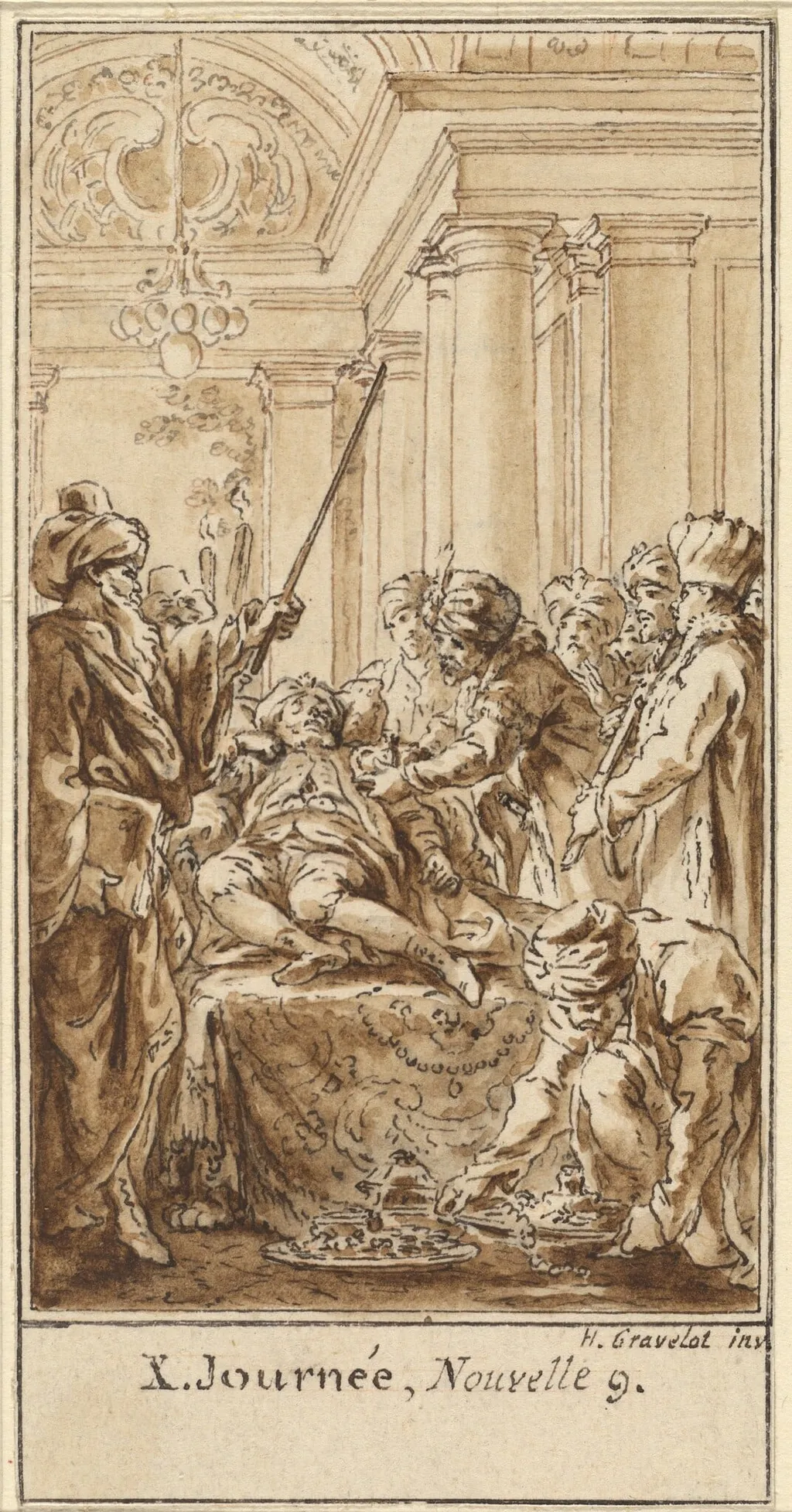
Tenth Day, Ninth Story: Saladin Bestows Rich Gifts on the Sleeping Torello is an ink drawing by the Romanticist artist Hubert François Gravelot. It dates from 1757 and is held in the collection of the National Gallery of Art.
About this work
Overview
Created around 1757, this drawing by Hubert-François Gravelot is executed in pen and black ink with brown wash and selective red chalk on laid paper.
Created around 1757, this drawing by Hubert-François Gravelot is executed in pen and black ink with brown wash and selective red chalk on laid paper. It was later mounted on a backing sheet. Gravelot, a French artist active in both Paris and London, was known for his refined illustrative style, particularly in book design. This work belongs to a series of drawings illustrating literary narratives, reflecting his engagement with textual sources and his skill in translating story into visual form.
Subject & Meaning
The scene depicts Saladin, the 12th-century Muslim leader, presenting valuable objects to Torello, a sleeping Christian knight. The moment captures an act of quiet generosity, where the ruler’s gesture is observed by attendants but remains unseen by the oblivious sleeper. The contrast between the stillness of the reclining figure and the alert postures of those around him underscores themes of mercy, humility, and the unseen impact of noble deeds.
Technique & Style
Gravelot employed fluid pen lines and layered brown wash to define form and shadow, while red chalk added warmth to skin tones and fabric folds. The sketchy, energetic strokes convey movement and tension among the figures, and the sparse use of cross-hatching suggests depth without heaviness. The composition directs attention to the sleeper through spatial isolation and the directional gaze of the onlookers, emphasizing narrative focus over decorative excess.
History & Provenance
The drawing was likely made as part of a larger illustrated project, possibly for a published edition of a medieval tale. Gravelot’s time in London exposed him to English literary culture, influencing his choice of subjects drawn from chivalric and orientalist narratives. Though its early ownership is undocumented, the work’s preservation and mounting suggest it was valued within artistic or collector circles by the late 18th century.
Context
In mid-18th-century Europe, interest in Eastern history and chivalric romance was revived through translated texts and theatrical works. Gravelot’s drawing reflects this fascination, blending historical figures with romanticized settings. His style, influenced by French draftsmanship and British print culture, helped bridge continental and British aesthetic traditions, particularly in illustrated books aimed at educated audiences.
Legacy
Gravelot’s drawings, including this one, contributed to the dissemination of narrative illustration in print culture. His ability to convey emotion and narrative through economical line work influenced later illustrators and engravers. Though not widely exhibited today, the work remains a testament to the intersection of literature, diplomacy, and visual storytelling in Enlightenment-era Europe.
Artist & collection

Artist
Hubert-François Bourguignon, commonly known as Gravelot (26 March 1699 – 20 April 1773), was a French engraver, a famous book illustrator, designer and drawing-master.

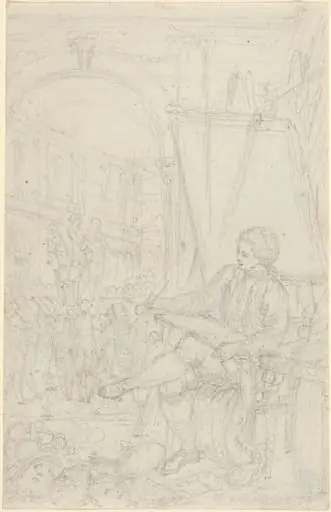 Self-Portrait
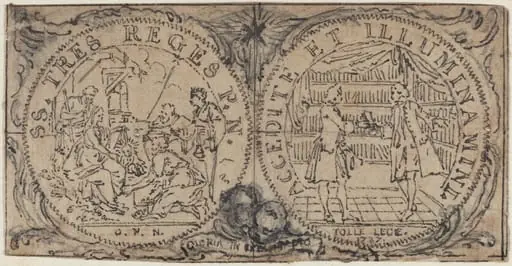 Ornamental Medallions with the Adoration of the Magi and Two Bibliophiles
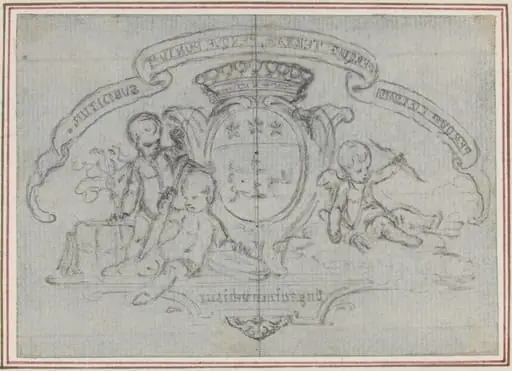 Coat of Arms with Three Putti
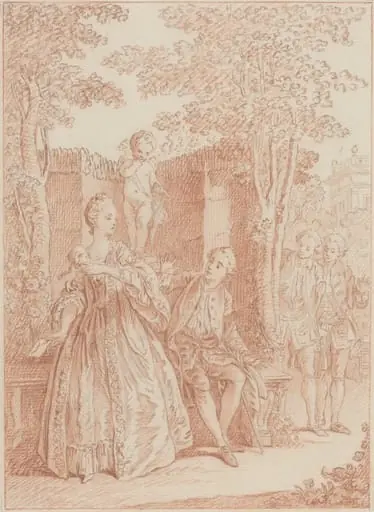 Oui, je la connais Traitre, et je connais ton Coeur
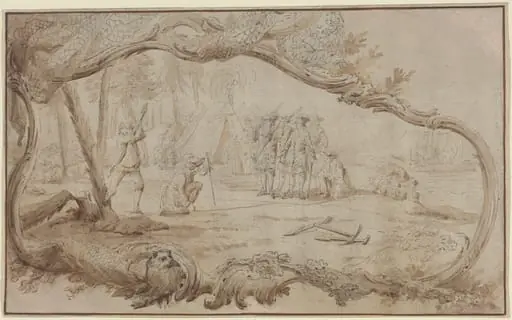 The Landing of the Dutch Expedition Party in New York
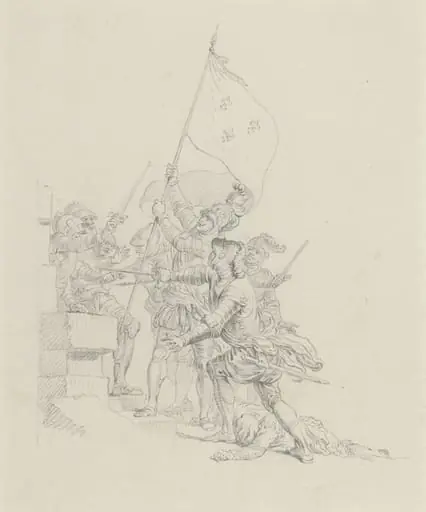 Il monte: il a déjà de ses mains triomphantes...
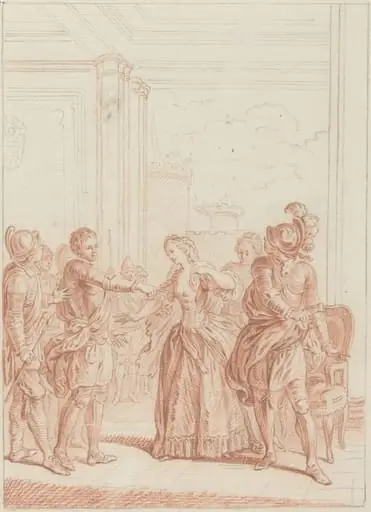 Je suis vengé de toi: l'on te hait, et l'on m'aime
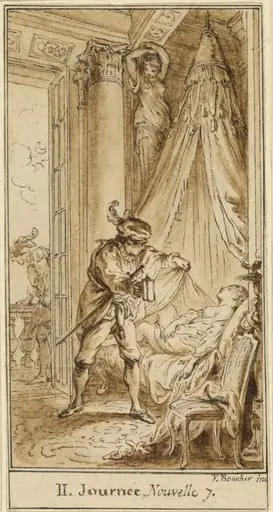 Second Day, Seventh Story: The Duke of Athens Contemplating the Sleeping Princess Alatiel
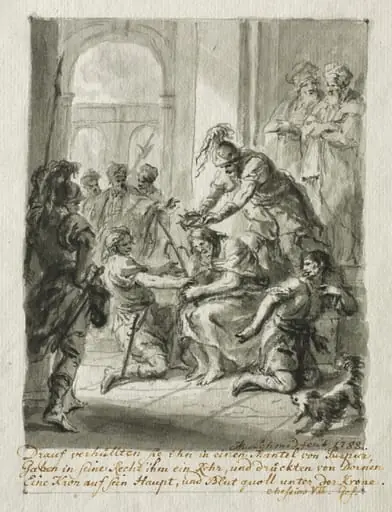 Christ Crowned with Thorns
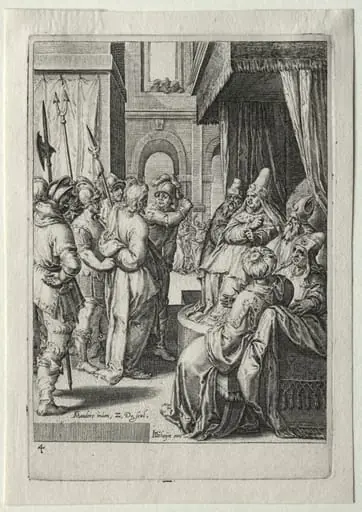 Passion Set: Christ before Herod
![The Death of Tancred [left], by Gabriel de Saint-Aubin](https://artifactworldgallery.com/img/gabriel-de-saint-aubin--the-death-of-tancred-left--c0a4b5e0d77d5ed0-w320.webp) The Death of Tancred [left]
The Death of Tancred [left]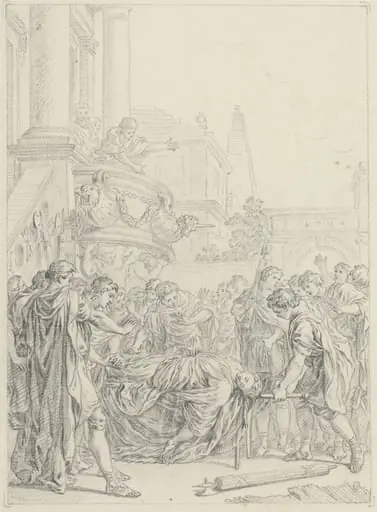 Du plus grand des Romains voilà ce qui vous reste
![The Challenge [right], by Gabriel de Saint-Aubin](https://artifactworldgallery.com/img/gabriel-de-saint-aubin--the-challenge-right--75162e00e6876b27-w320.webp) The Challenge [right]
The Challenge [right]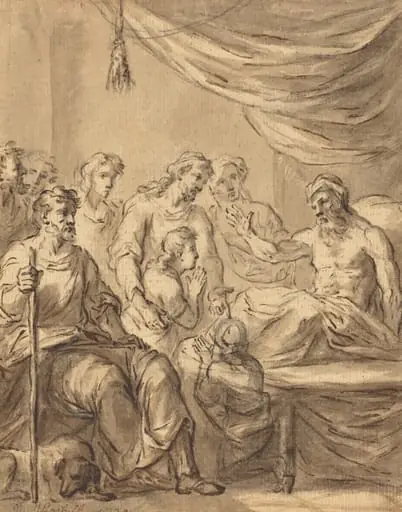 Jacob Allowing Benjamin to Go to Egypt with His Brothers
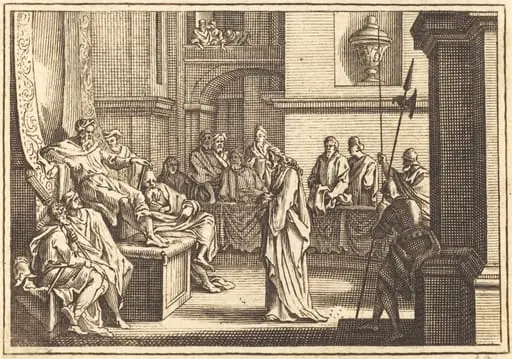 Christ before Herod
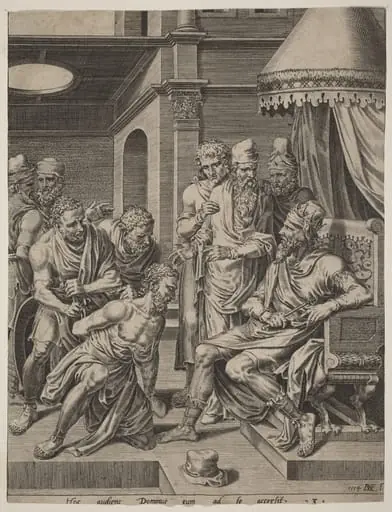 The Unmerciful Servant Brought before the King
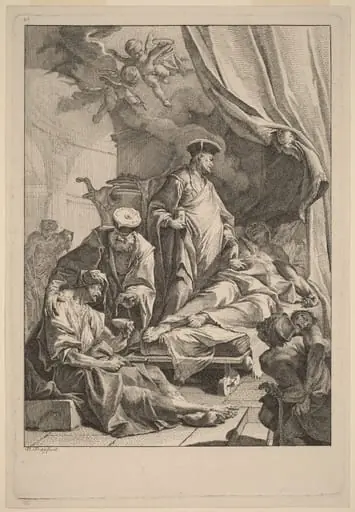 Saints Cosmas and Damian Caring for the Sick
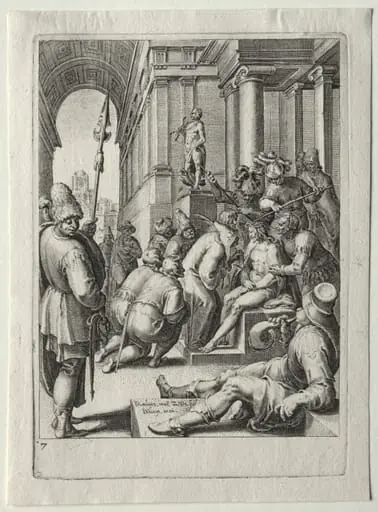 Passion Set: Christ Crowned with Thorns
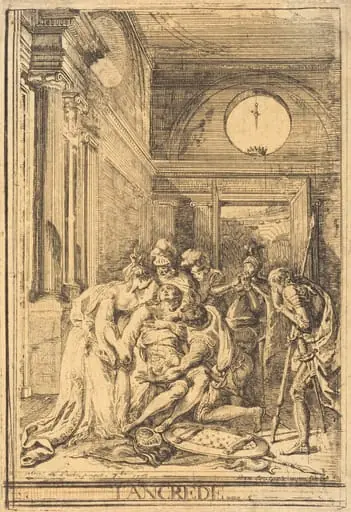 The Death of Tancred
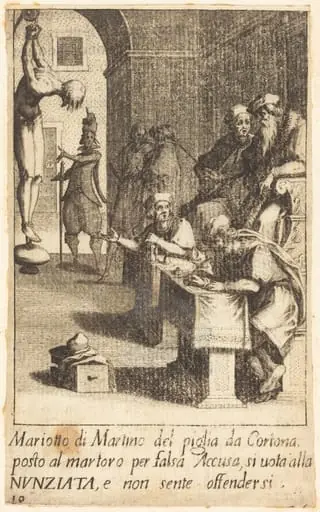 Mariotto di Martino