Artwork
Mary Tudor
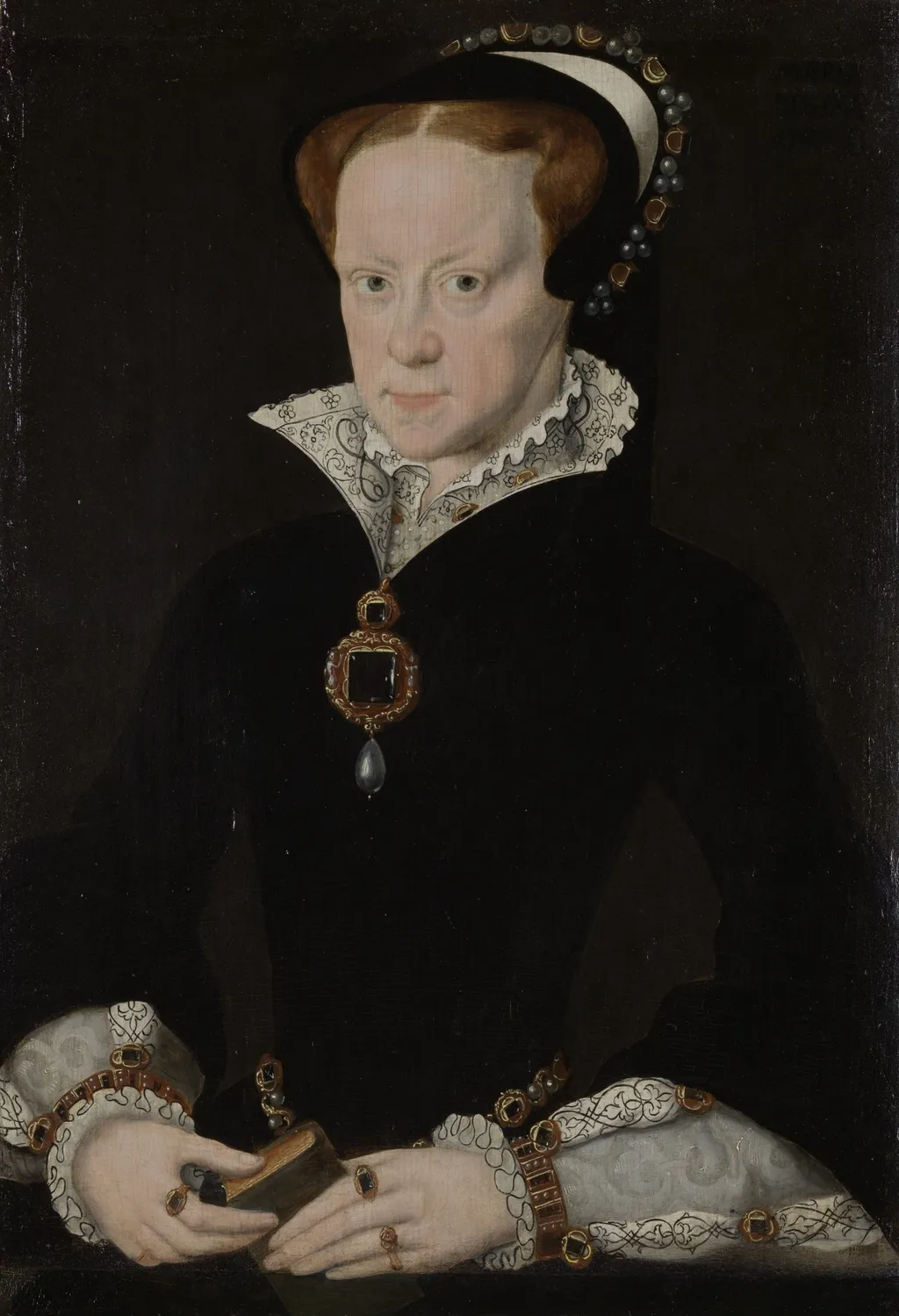
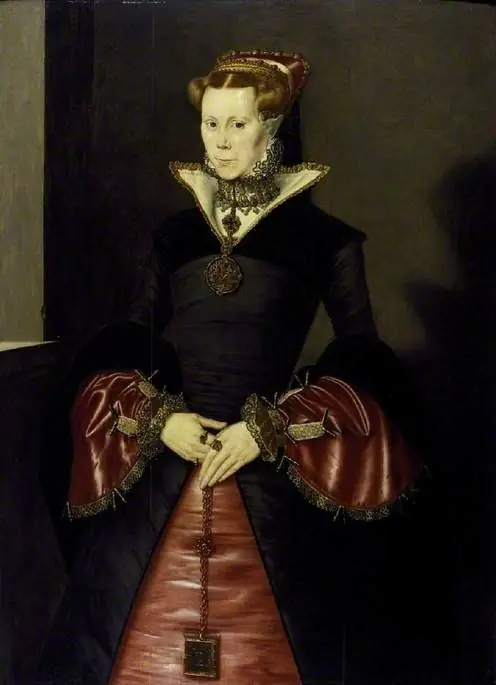
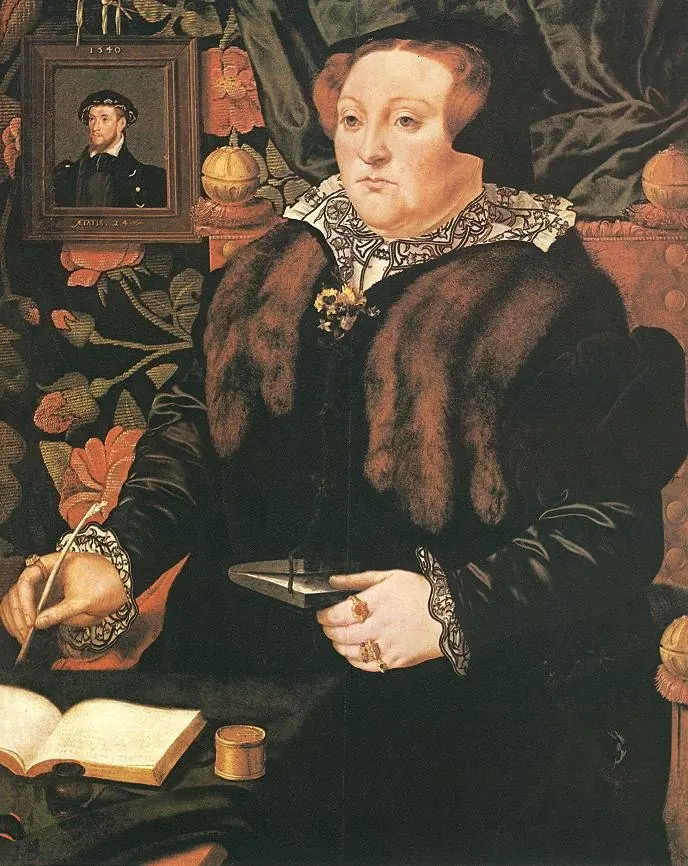
Mary Tudor is an oil painting by the Northern Renaissance artist Hans Eworth. It dates from 1538 and is held in the collection of the Royal Museum of Fine Arts Antwerp.
About this work
Overview
Her hands, resting on a white cloth, hold an indeterminate small object, possibly a book or jewel case.
This 1538 oil portrait, attributed to Flemish painter Hans Eworth, depicts Mary I (Mary Tudor) against a dark background, emphasizing her calm and slightly serious expression. The subject is adorned in attire indicative of high status, including a black dress with white lace, gold-trimmed sleeves, and a gold necklace with a square pendant. Her hands, resting on a white cloth, hold an indeterminate small object, possibly a book or jewel case.
Subject & Meaning
The portrait's subject is Mary I, later Queen of England and Ireland, here represented in a manner conveying dignity and composure. The choice of attire and accessories (gold jewelry, lace) signifies her noble status, while the overall demeanor suggests a portrayal of restrained personality.
Technique & Style
Eworth employs chiaroscuro, a Northern Renaissance technique, to create deep contrasts between light and dark, drawing attention to the subject's face. The use of a dark background, golden accents, and the play of light on the subject's clothing and hands further exemplify this style.
History & Provenance
Created in 1538 by Hans Eworth, a Flemish exile active in Tudor London, the portrait is now part of the Royal Museum of Fine Arts Antwerp's collection. Eworth's oeuvre includes approximately 40 attributed works, spanning portraits of nobility and allegorical pieces.
Context
This work reflects the artistic exchange of the Northern Renaissance, with Eworth, one of several Flemish painters in 16th-century England, influencing and being influenced by the local artistic landscape. The portrait also captures the sartorial norms of Tudor nobility.
Legacy
While specific lasting impacts of *Mary Tudor* on subsequent art movements are not prominently documented, Eworth's contributions to introducing Flemish techniques (like chiaroscuro) to England have had a lasting, albeit broad, influence on the development of portraiture in the region.
Own this work as a print
Artist & collection
Artist
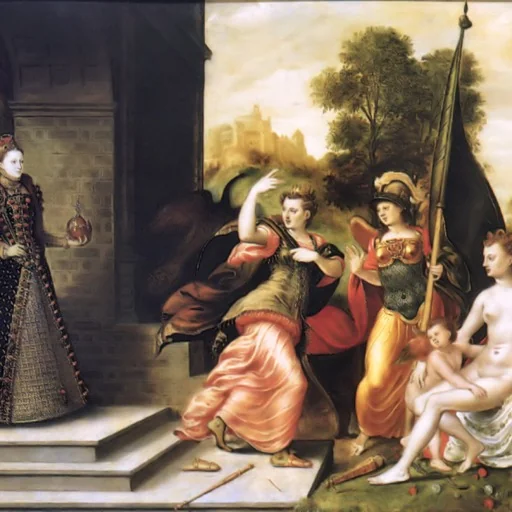
Hans Eworth (or Ewouts; c. 1520–1574) was a Flemish painter active in England in the mid-16th century. Along with other exiled Flemings, he made a career in Tudor London, painting allegorical images as well as portraits…

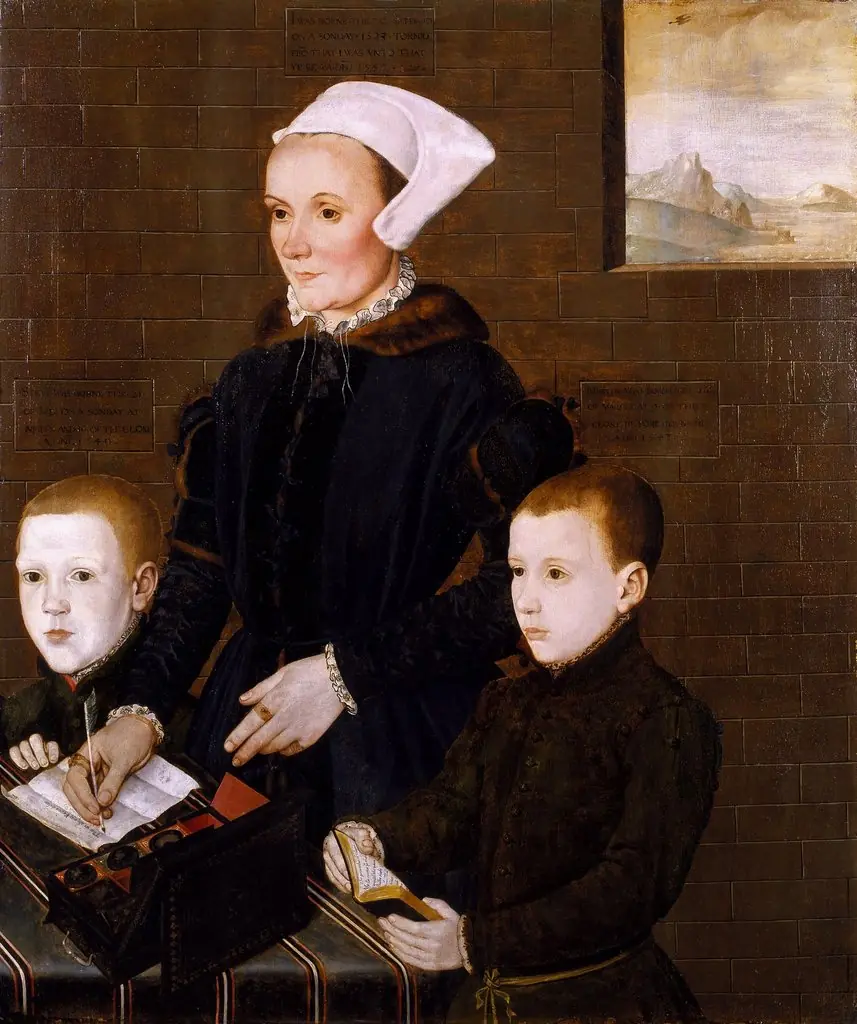
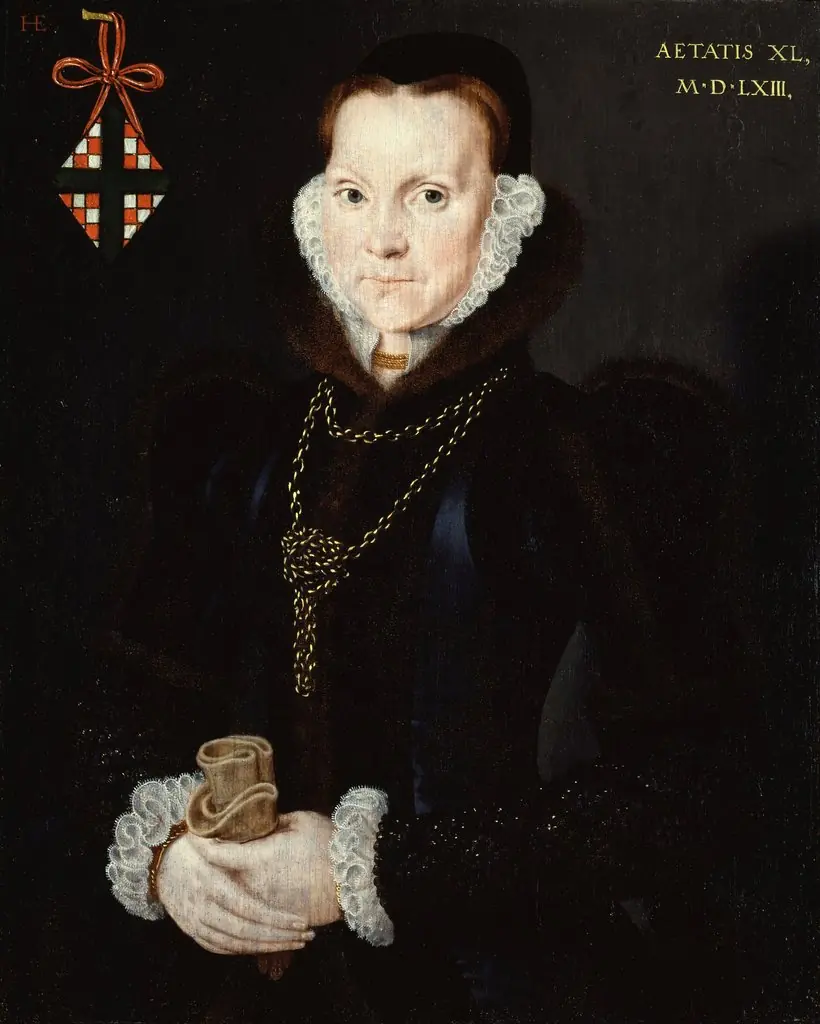
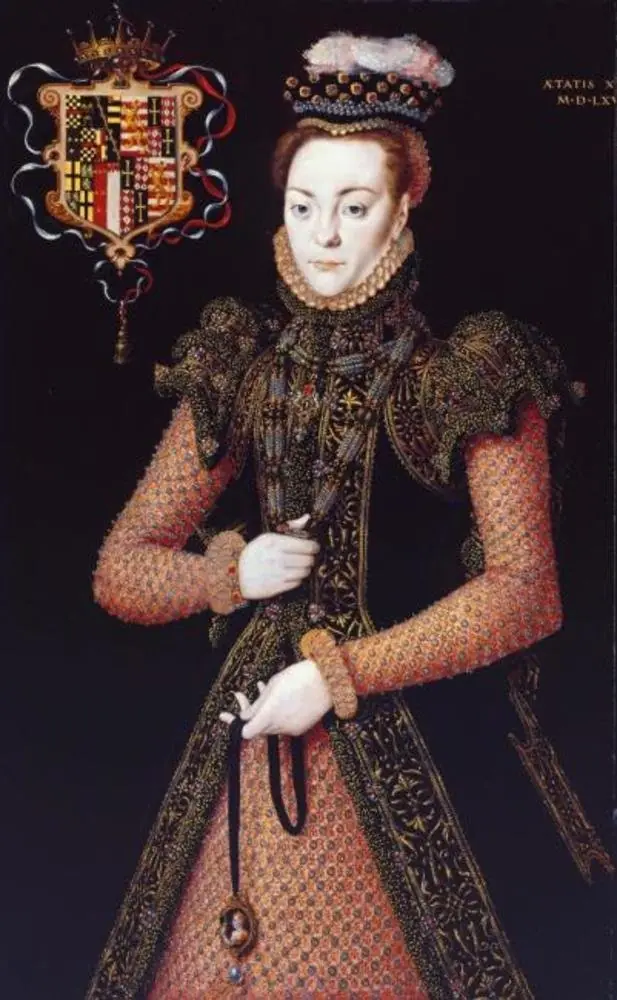
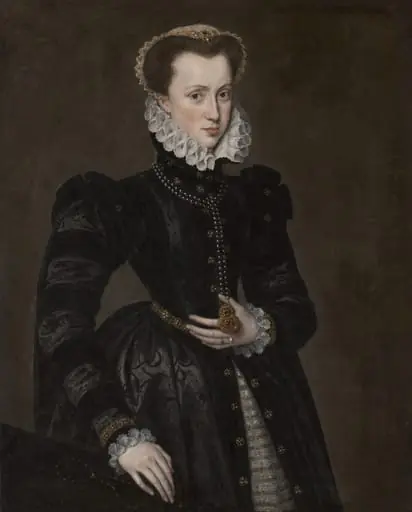 Portrait of a Court Lady
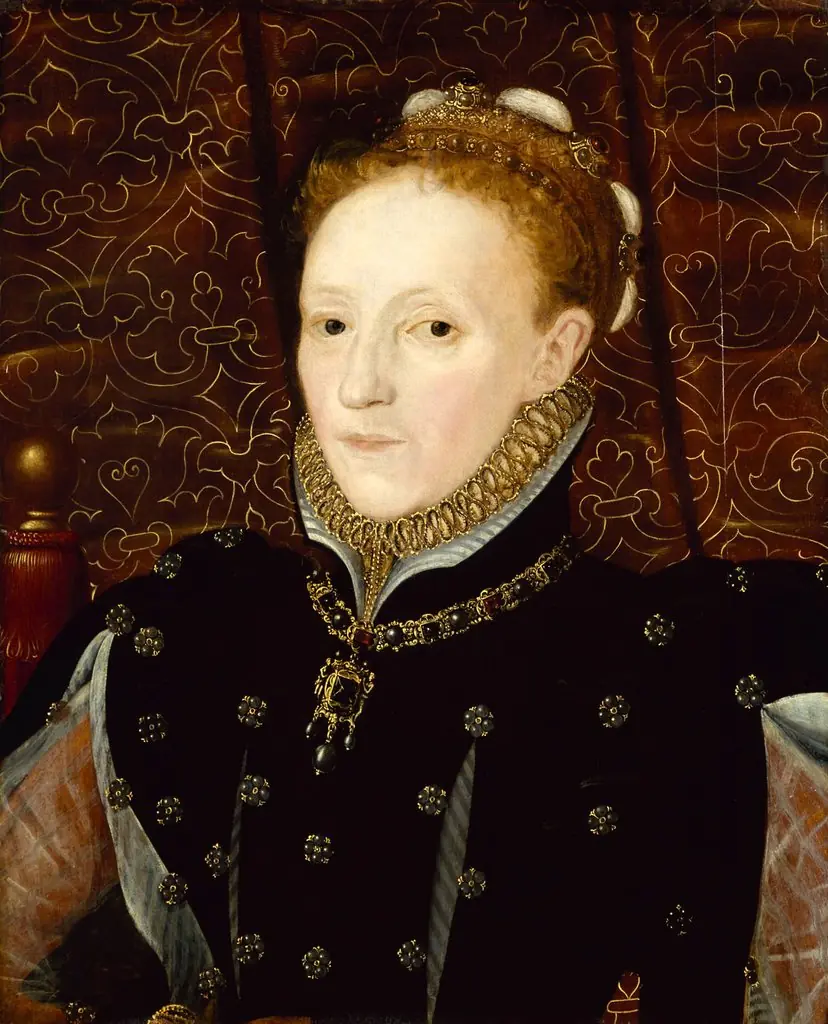 Elizabeth I
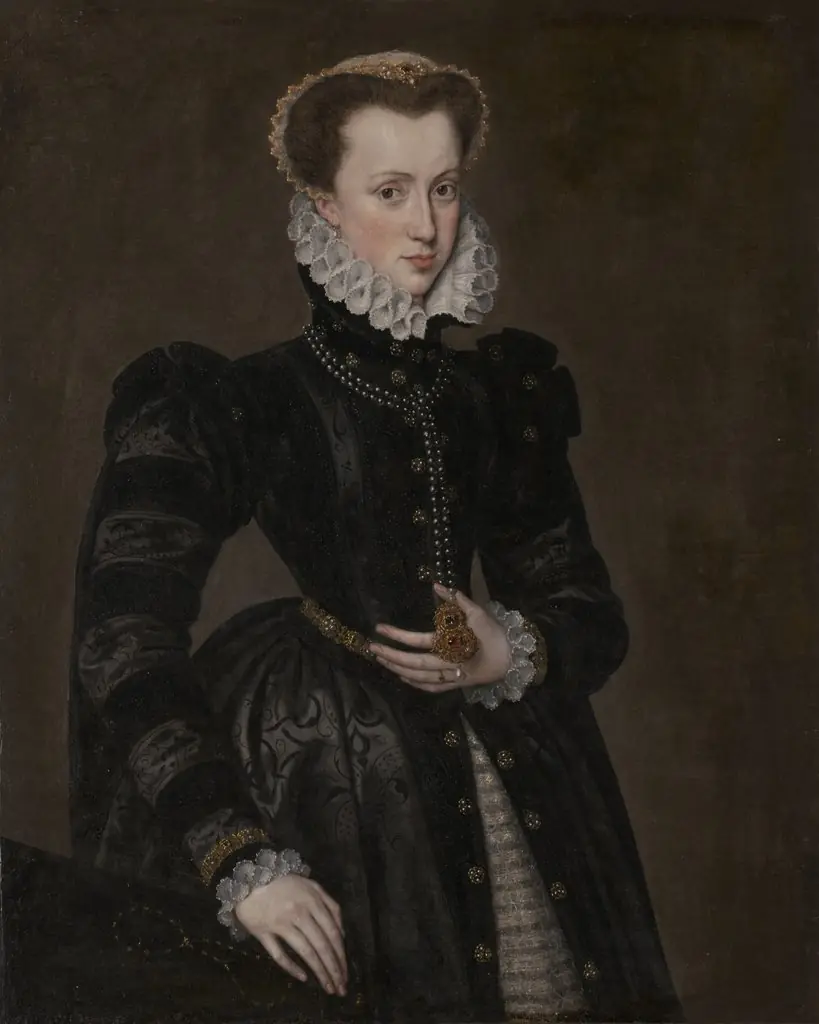 Portrait of a Court Lady
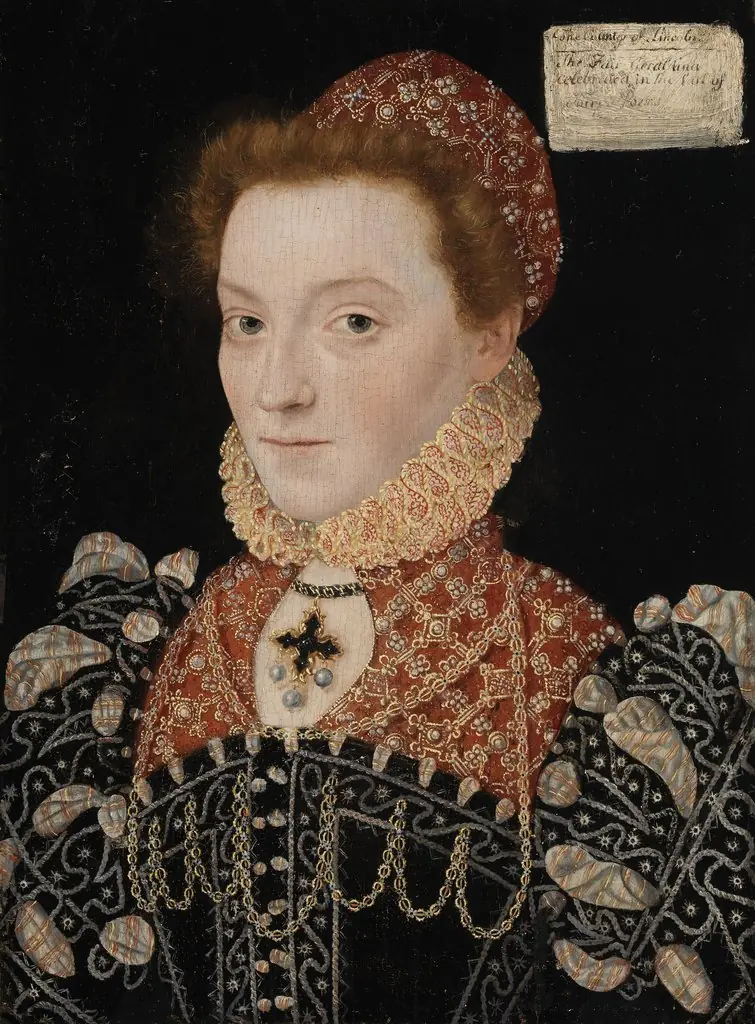 Portrait of 'The Fair Geraldine' (Elizabeth Fitzgerald, Countess of Lincoln, c1528-1590)
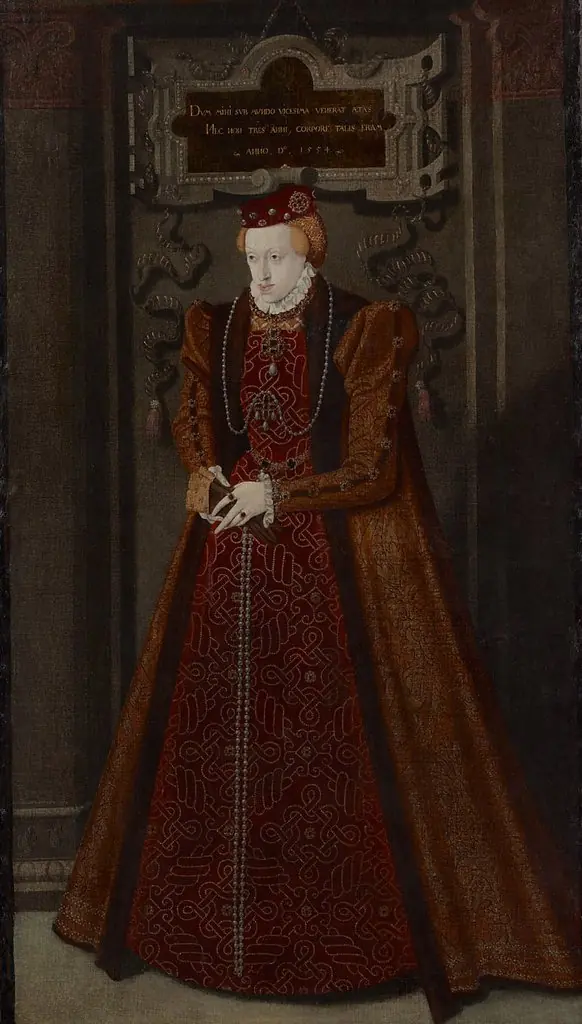 Erzherzogin Maria (1531-1581), Herzogin von Jülich - Cleve - Berg, Bildnis in ganzer Figur
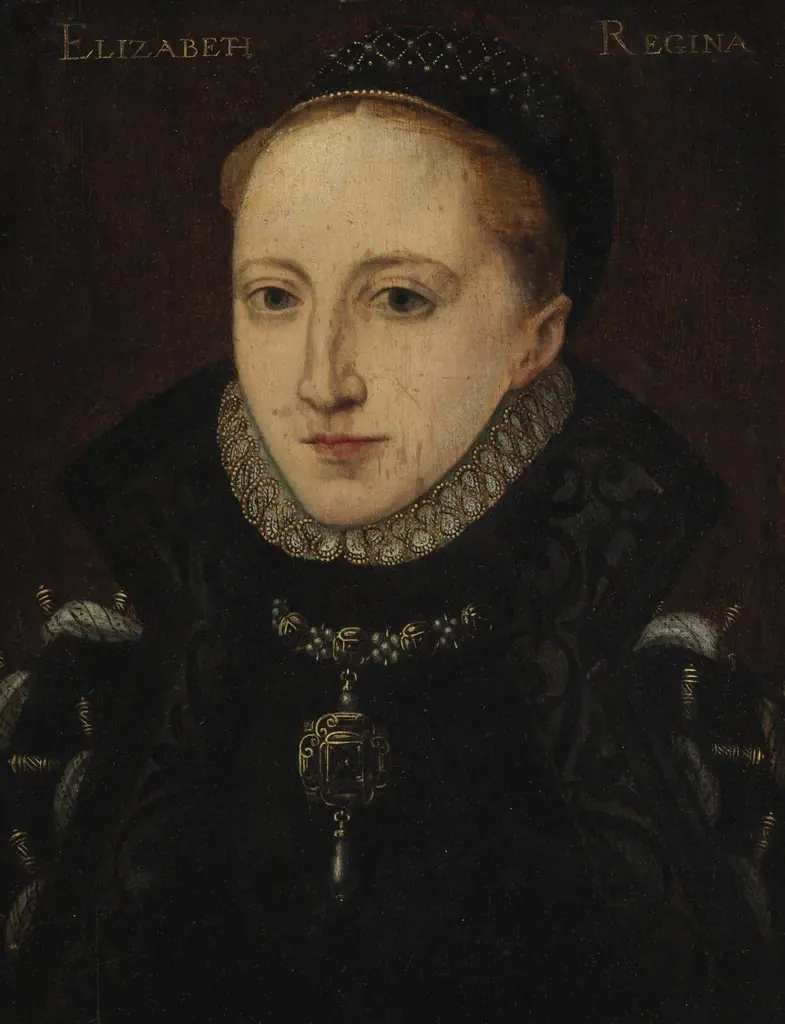 Portrait of Elizabeth I, Queen of England (1503-1603)
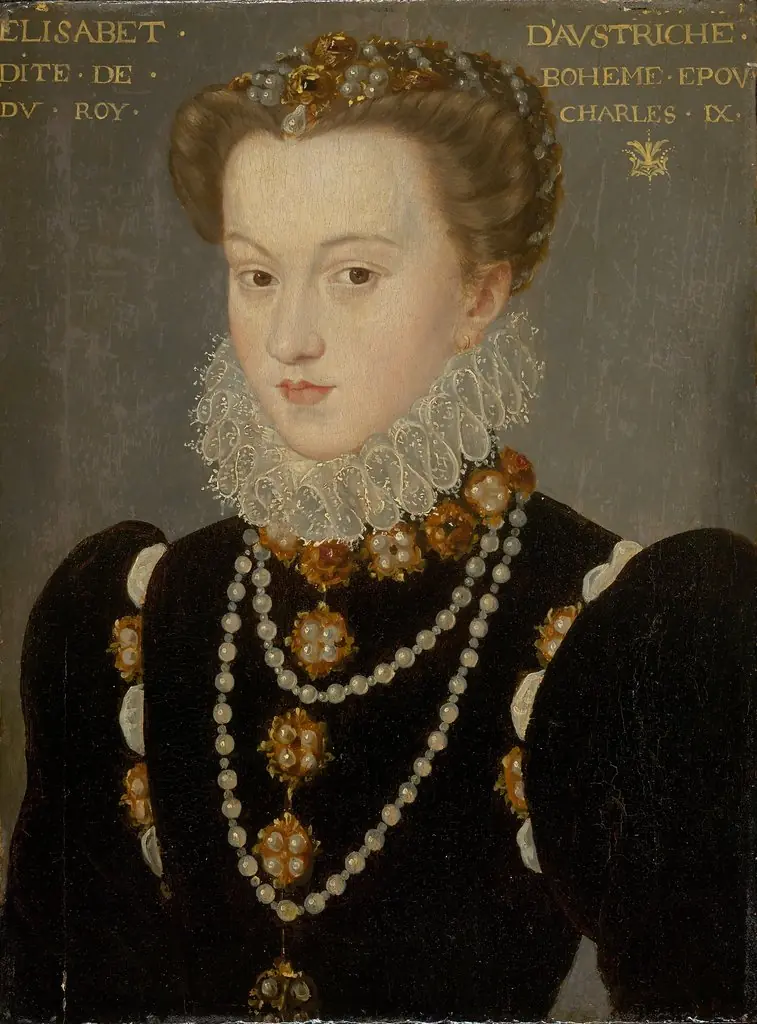 Portrait of Elizabeth of Austria, Wife of King Charles IX of France
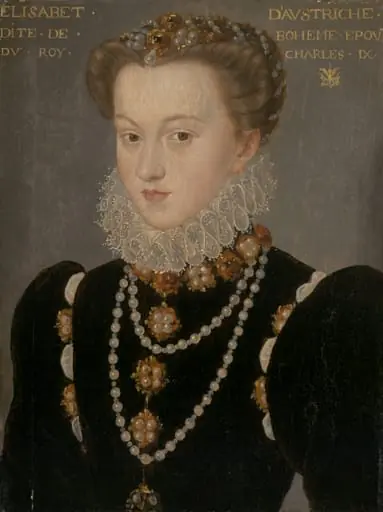 Portrait of Elizabeth of Austria, Wife of King Charles IX of France
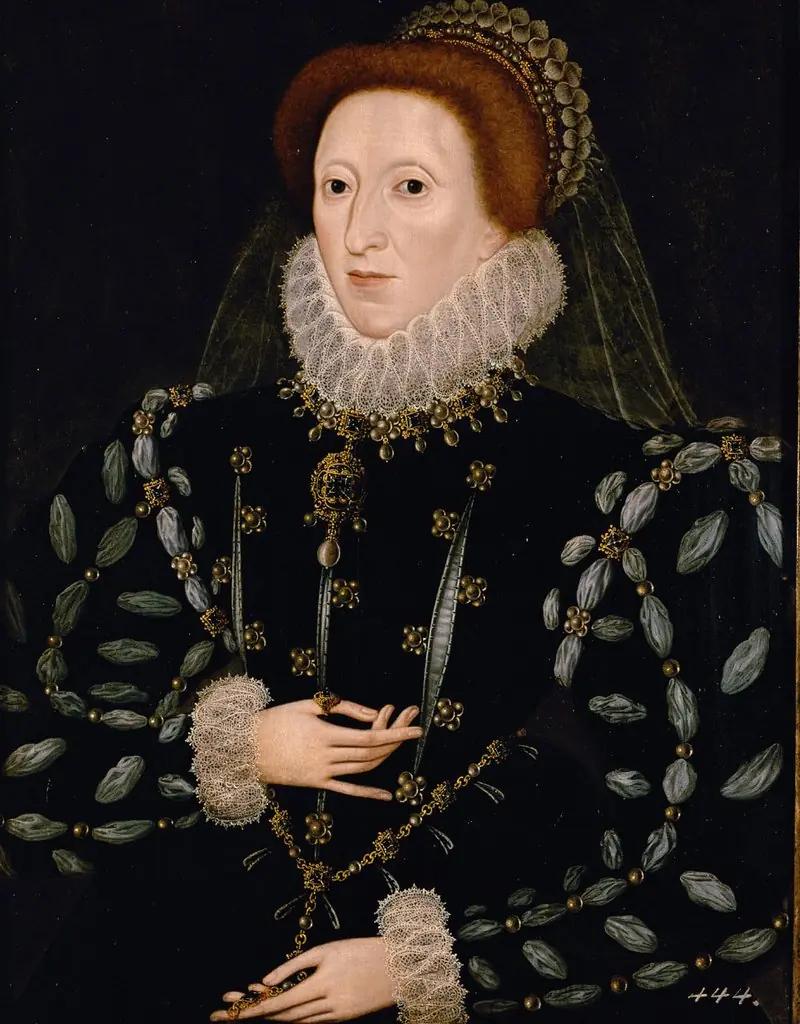 Queen Elizabeth I