Artwork
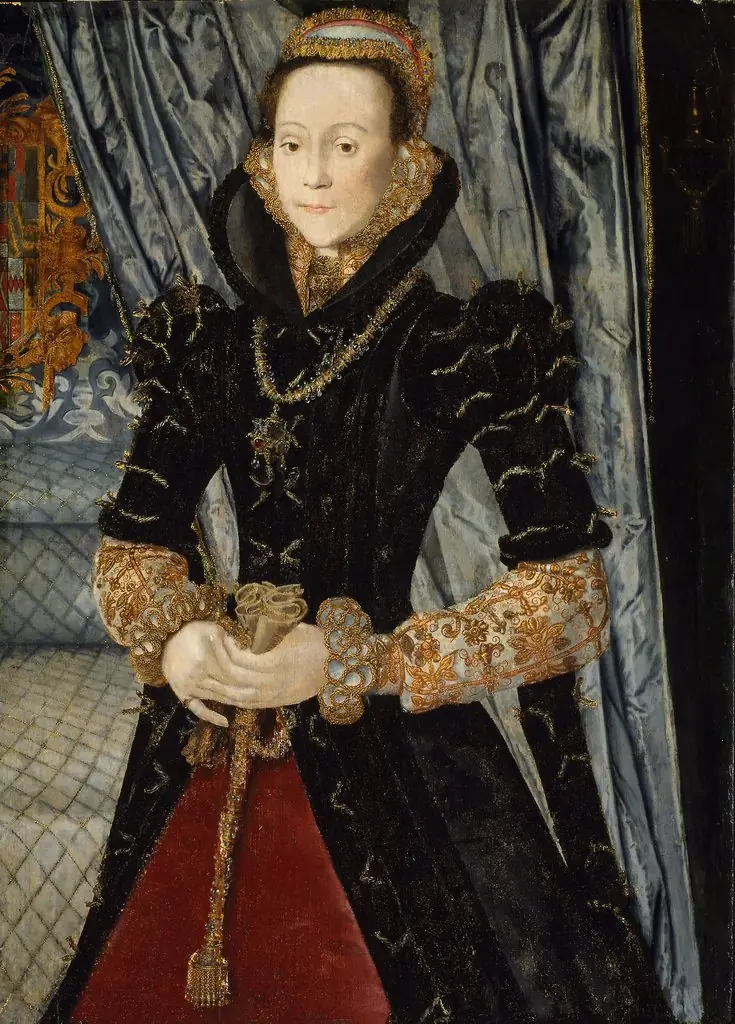
Portrait of an Unknown Lady
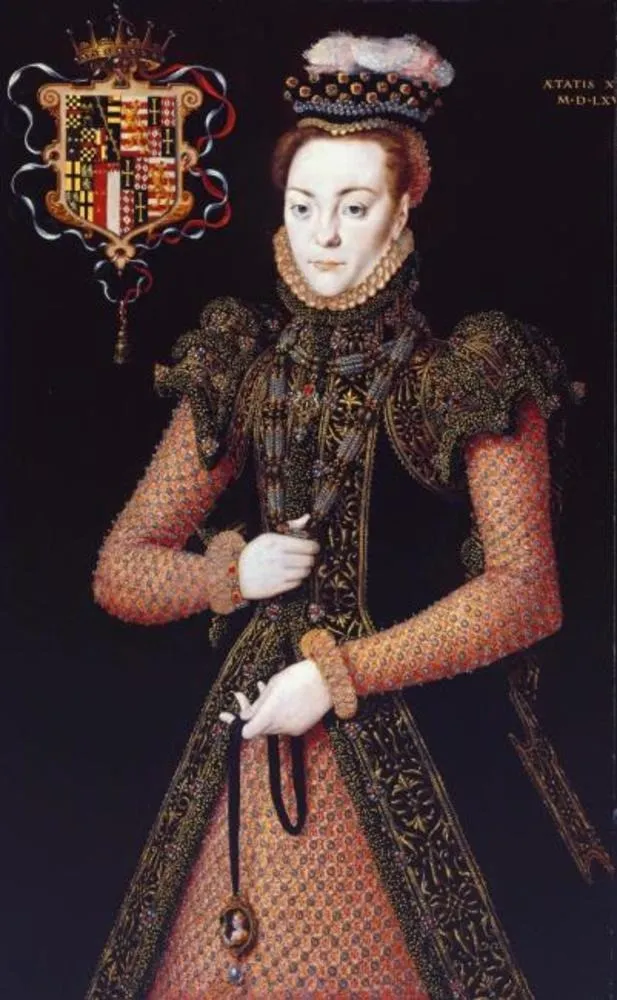
Portrait of an Unknown Lady is an oil painting by the Northern Renaissance artist Hans Eworth. It dates from 1566 and is held in the collection of the Tate Britain.
About this work
Overview
Portrait of an Unknown Lady is a 1566 oil painting by Hans Eworth, a Flemish artist active in 16th-century England. The work is characteristic of the Northern Renaissance style and is part of the Tate Britain collection.
Subject & Meaning
The painting depicts a unidentified noblewoman, emphasized against a dark background. Her elaborate, patterned attire, ornate hat adorned with feathers and jewels, and substantial necklace signify her high social status. Her serious expression contributes to the overall formal and elegant atmosphere.
Technique & Style
Eworth employed oil painting to achieve a Northern Renaissance aesthetic, marked by attention to detail in the subject's clothing and accessories, and a strong contrast between the dark background and the vibrant, intricately rendered dress.
History & Provenance
Created in 1566, the portrait is one of approximately 40 attributed works by Eworth, who also painted royalty such as Mary I and Elizabeth I. It is currently held in the collection of Tate Britain.
Context
This portrait reflects the artistic and social conventions of mid-16th-century England, where such works served to display the wealth and status of the nobility and gentry.
Artist & collection
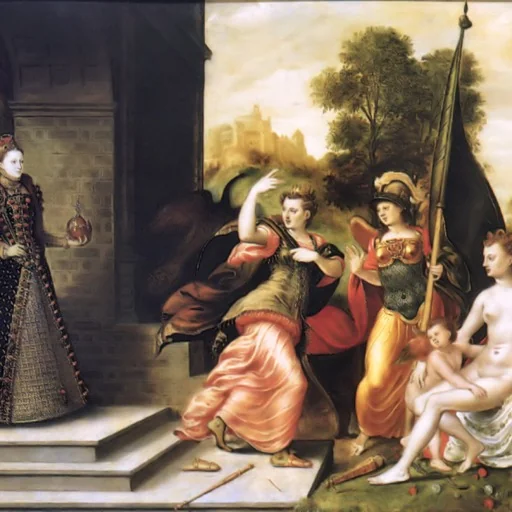
Artist
Hans Eworth (or Ewouts; c. 1520–1574) was a Flemish painter active in England in the mid-16th century. Along with other exiled Flemings, he made a career in Tudor London, painting allegorical images as well as portraits…

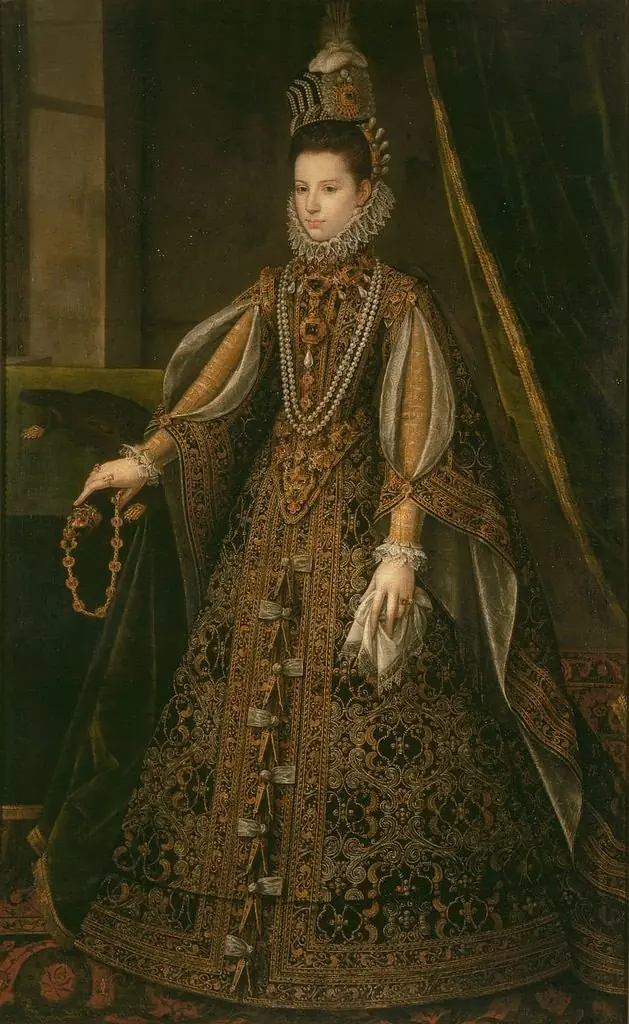 Possible portrait of archduchess Isabella Clara Eugenia
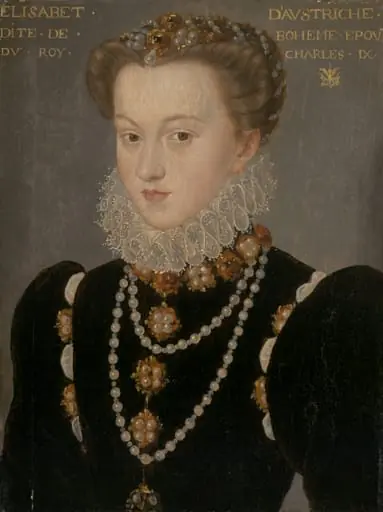 Portrait of Elizabeth of Austria, Wife of King Charles IX of France
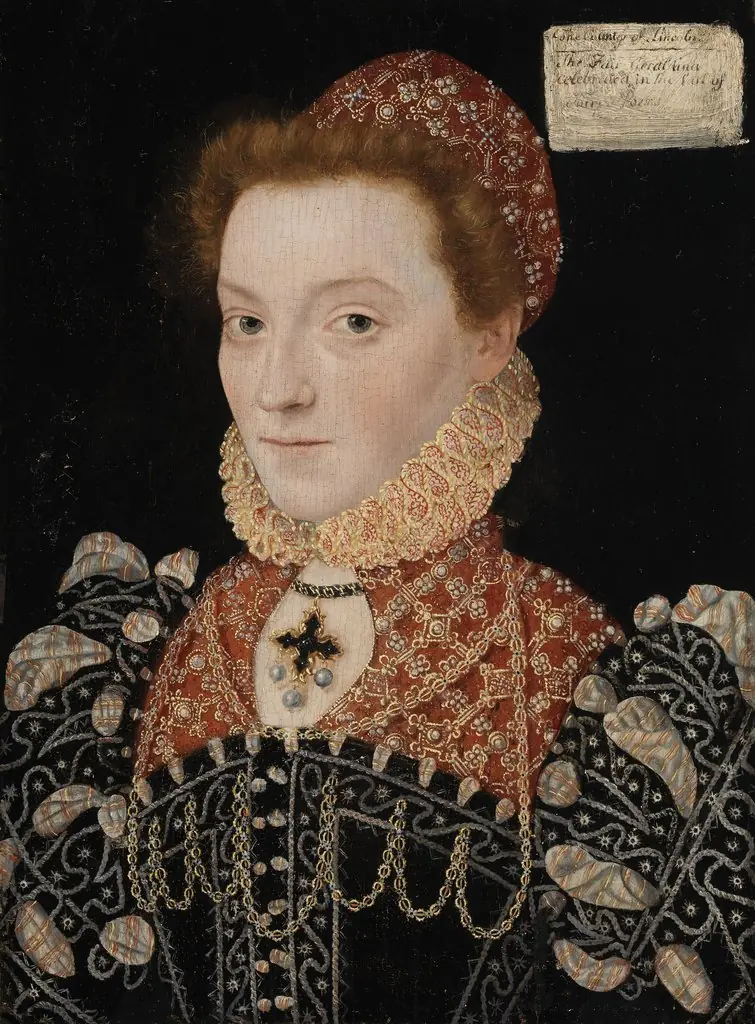 Portrait of 'The Fair Geraldine' (Elizabeth Fitzgerald, Countess of Lincoln, c1528-1590)
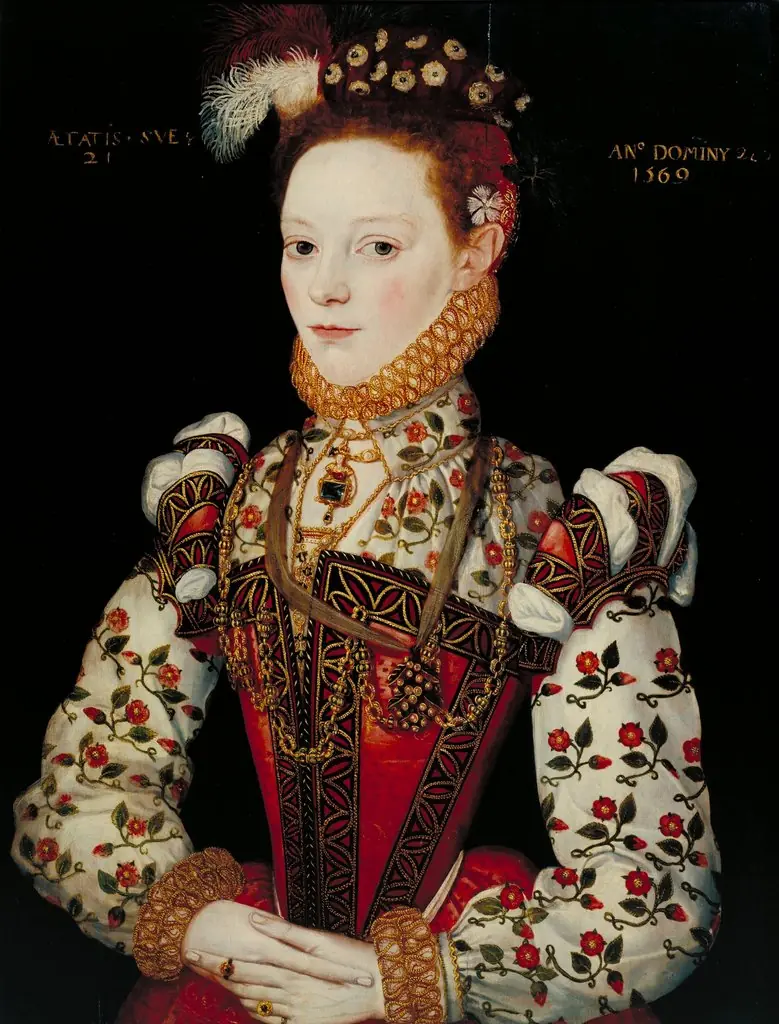 A Young Lady Aged 21, Possibly Helena Snakenborg, later Marchioness of Northampton
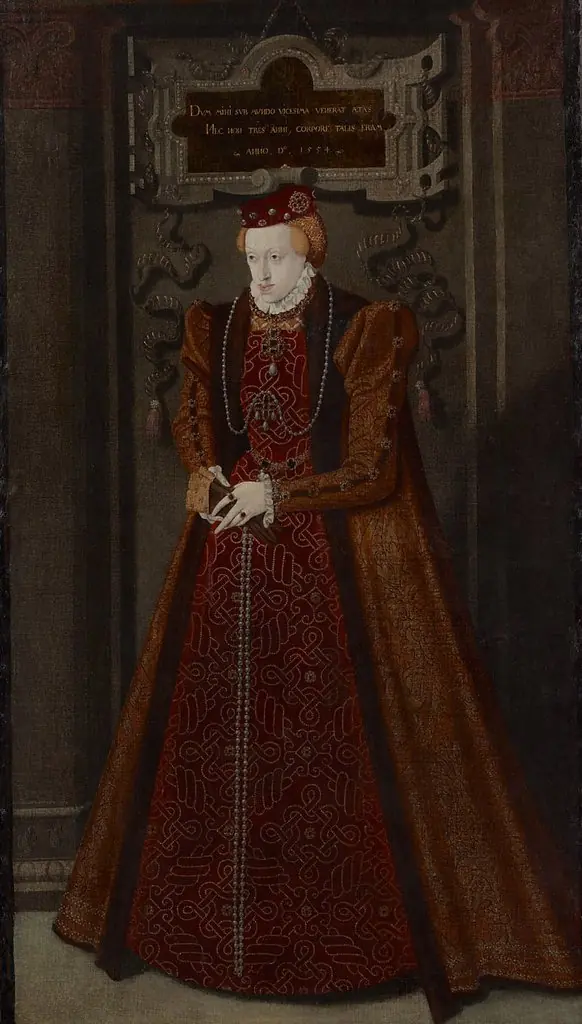 Erzherzogin Maria (1531-1581), Herzogin von Jülich - Cleve - Berg, Bildnis in ganzer Figur
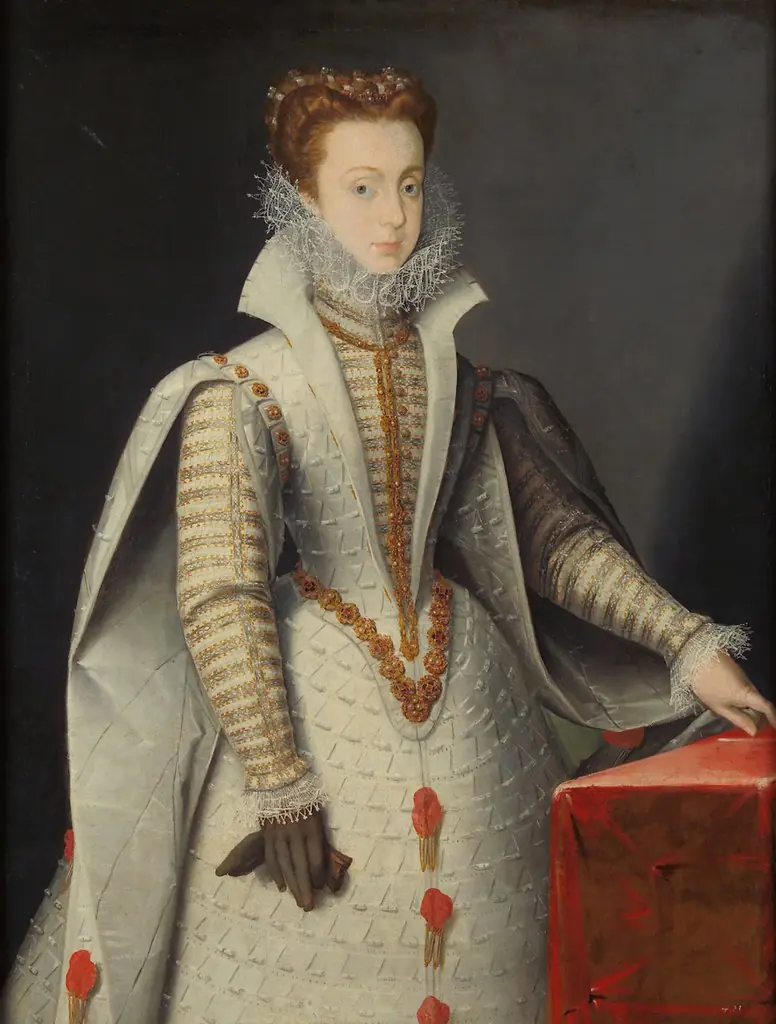 Herzogin Margarete von Joyeuse (1564-1625), Dreiviertelbildnis
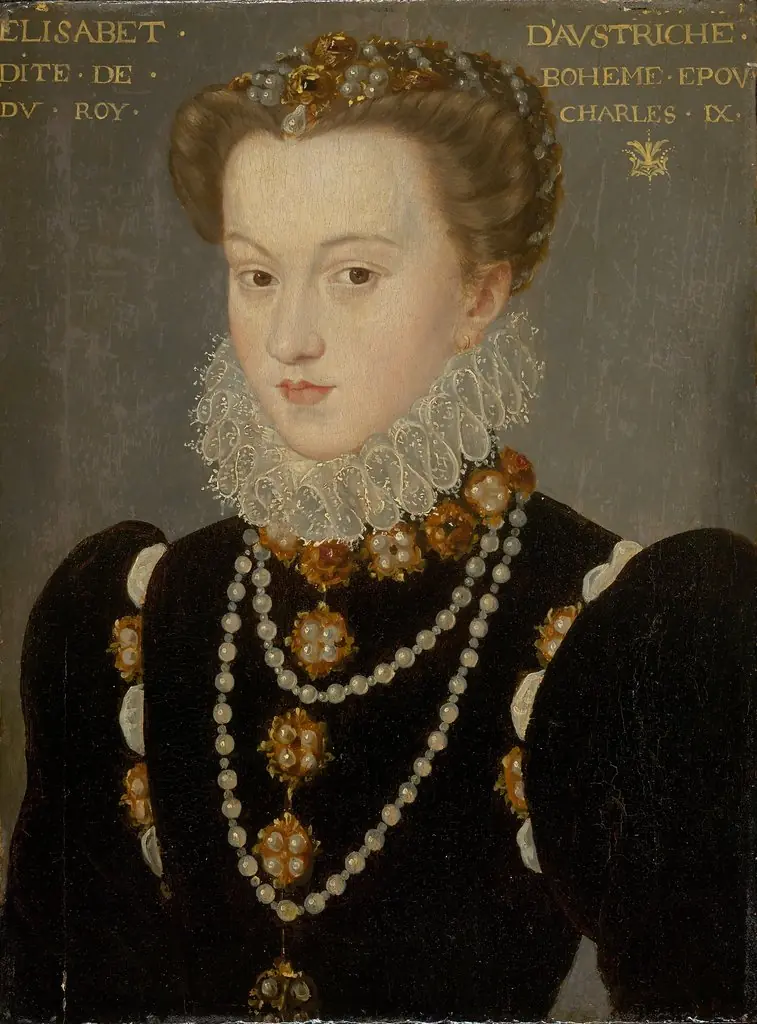 Portrait of Elizabeth of Austria, Wife of King Charles IX of France
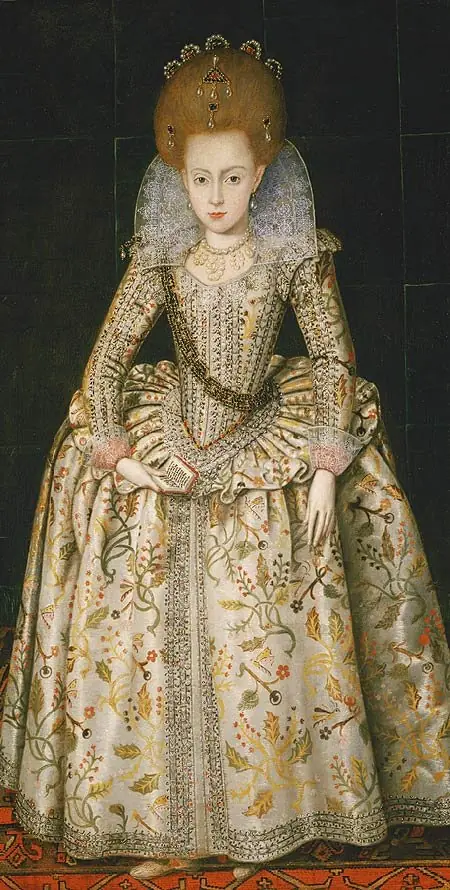 Princess Elizabeth (1596–1662), Later Queen of Bohemia
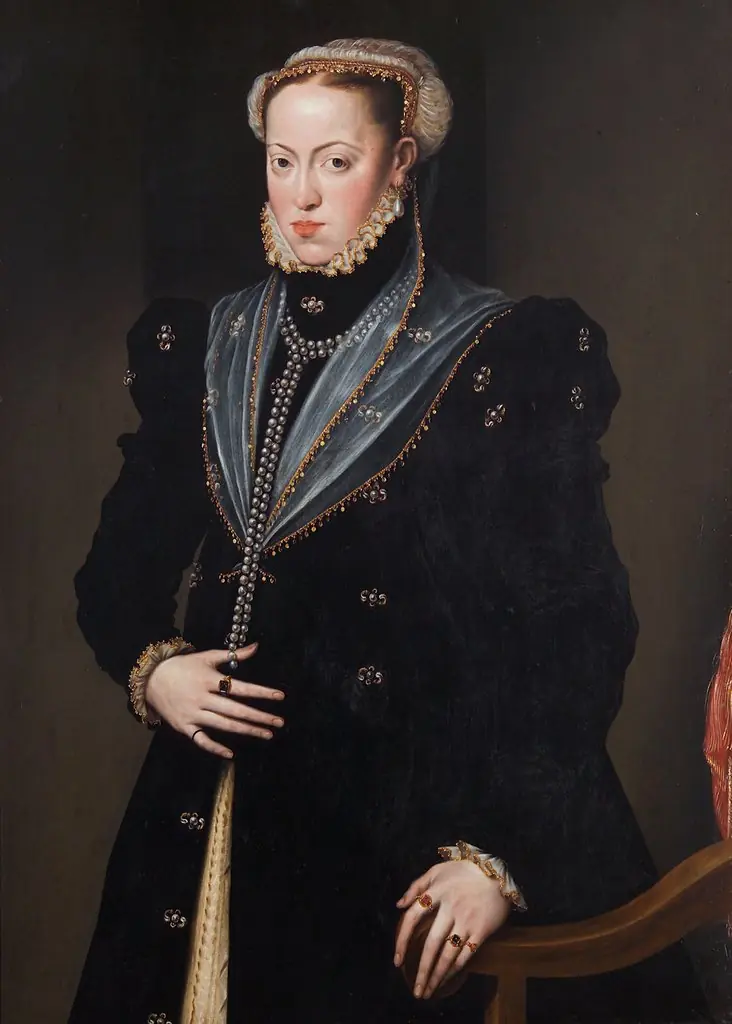 Infantin Maria (1528-1603), Kaiserin, Bildnis in halber Figur
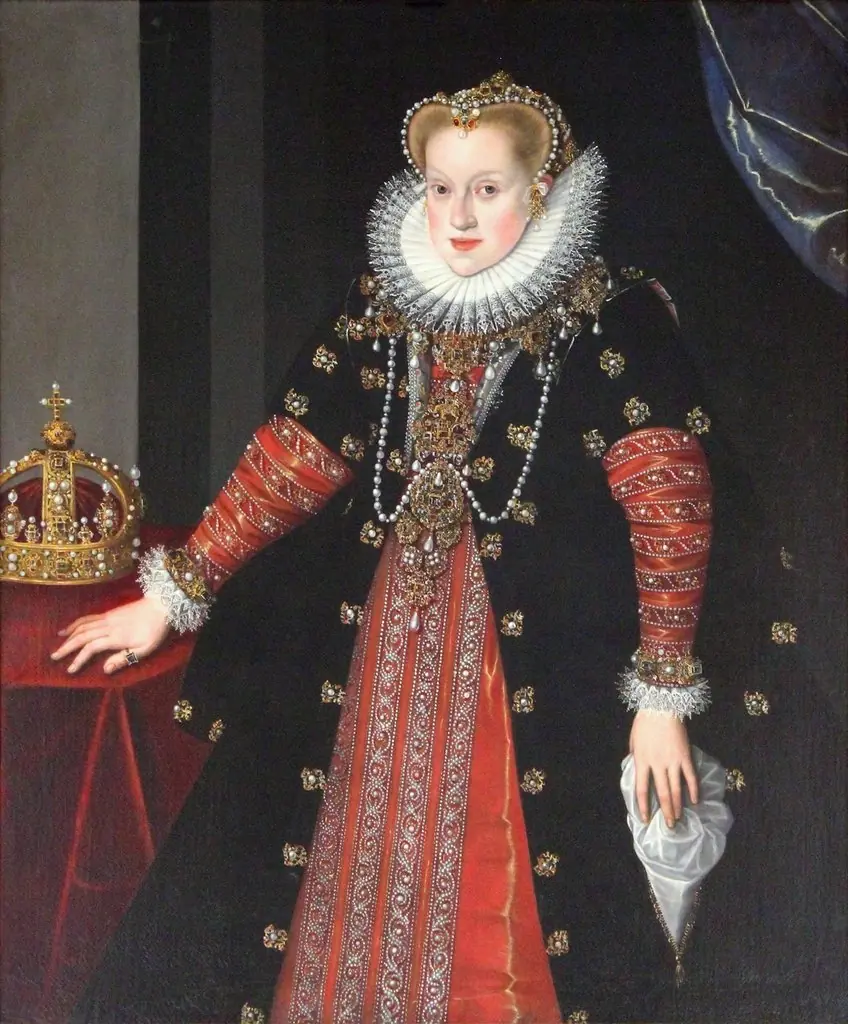 Portrait of Anne of Austria, Queen of Poland (1573-1598)
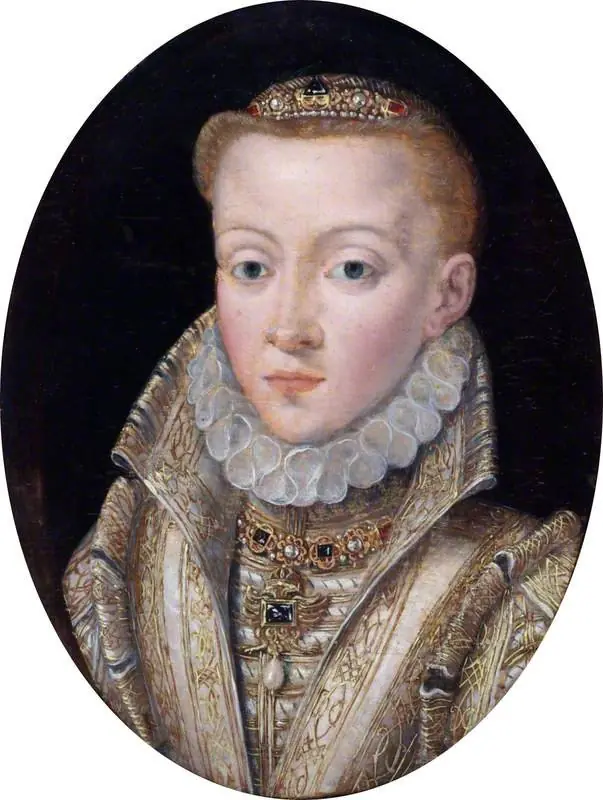 Portrait of an Unknown Woman