Artwork
Kaisheimer Altar: Auferstehung Christi
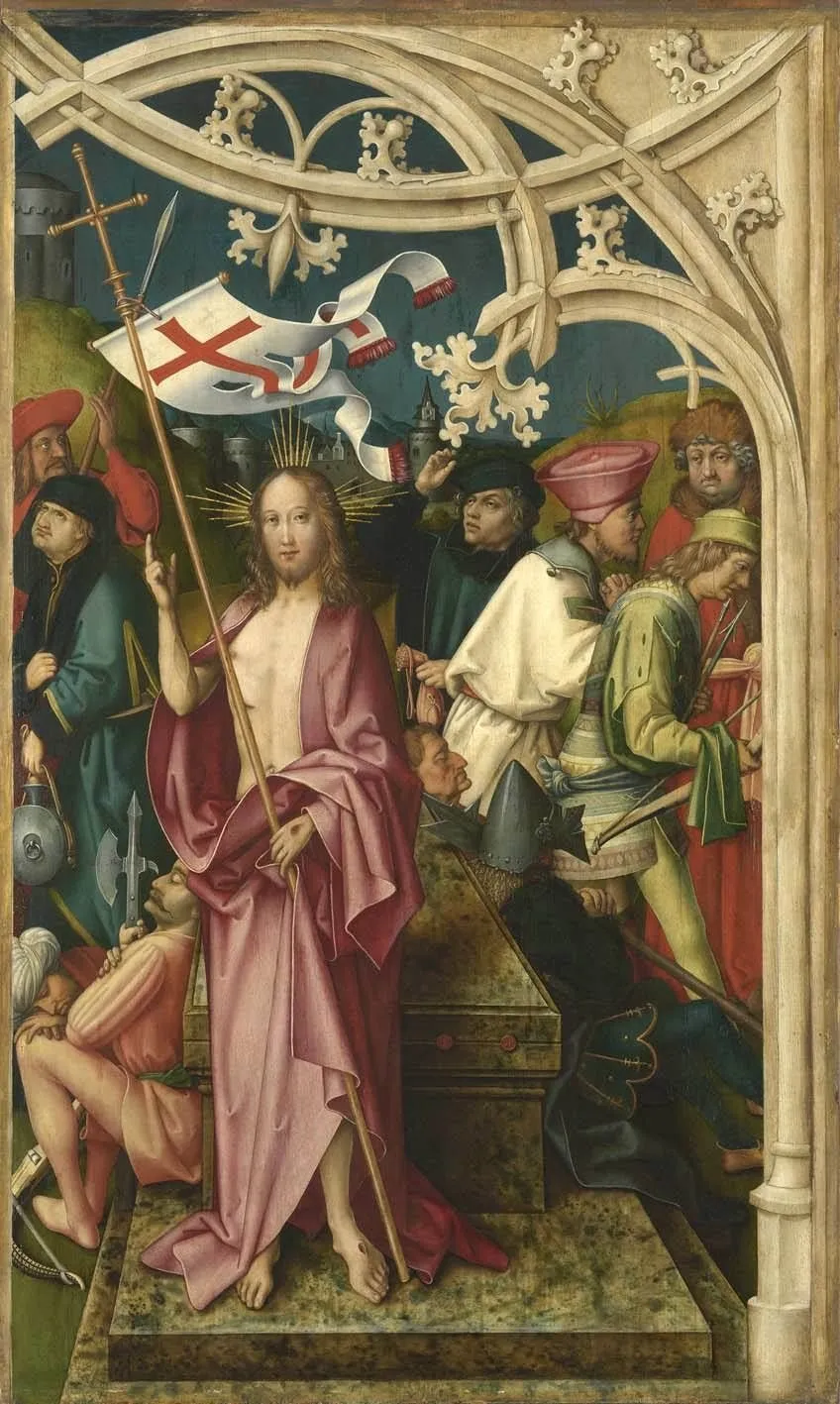
Kaisheimer Altar: Auferstehung Christi is an unspecified painting by the Northern Renaissance artist Hans Holbein the Elder. It dates from 1502 and is held in the collection of the Bavarian State Painting Collections.
About this work
Overview
The Kaisheimer Altar: Auferstehung Christi is a 1502 painting by Hans Holbein the Elder, representative of the Northern Renaissance. It depicts a pivotal religious scene and is housed in the Alte Pinakothek.
Subject & Meaning
The painting portrays the Resurrection of Christ, with the central figure, identified by a halo of light rays, standing amidst a group of men in varied attire, including armor and robes. A kneeling figure and another pointing upwards accompany him, while a red flag with a white cross, akin to a military standard, is held by Christ.
Technique & Style
Holbein employs chiaroscuro, leveraging strong contrasts of light and dark to emphasize the central figure. The composition also features a detailed, ornate background with a gilded, star-studded arch and a distant building, showcasing the artist's attention to decorative detail.
History & Provenance
Created in 1502 by Hans Holbein the Elder, the painting is part of the Alte Pinakothek's collection. Notably, Holbein was the patriarch of a notable artistic family, including his sons Ambrosius and Hans Holbein the Younger, also painters.
Artist & collection
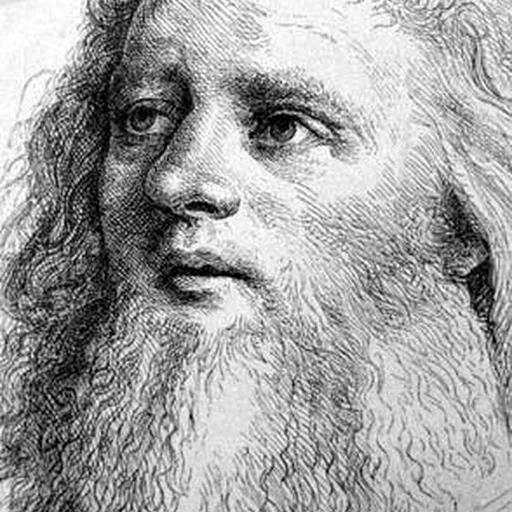
Artist
Hans Holbein the Elder (c. 1460/65 – 1524) was a German painter of the early German Renaissance. He was the father of painters Ambrosius and Hans the Younger.

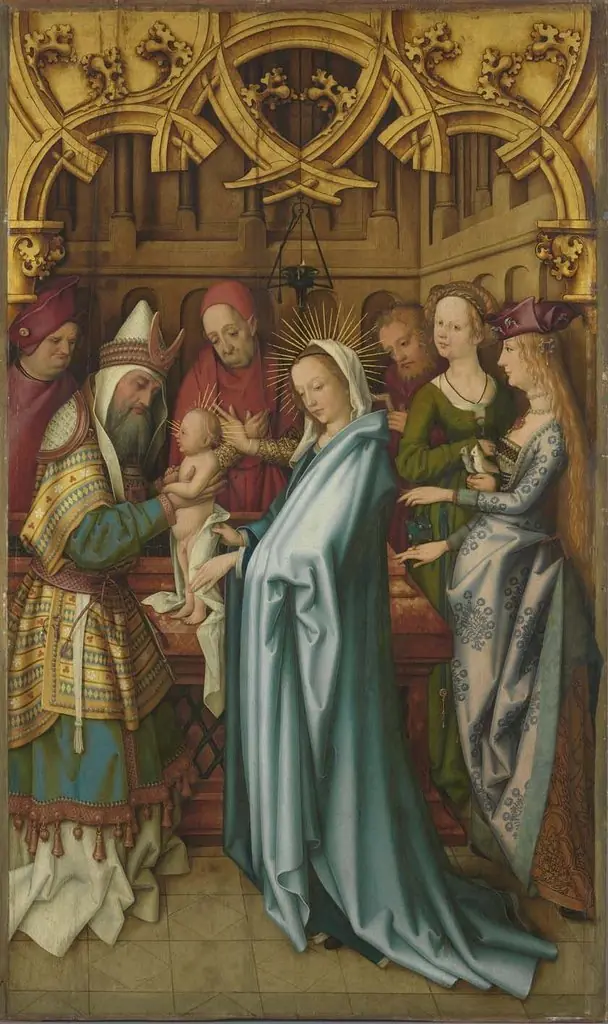 Kaisheimer Altar: Darbringung im Tempel
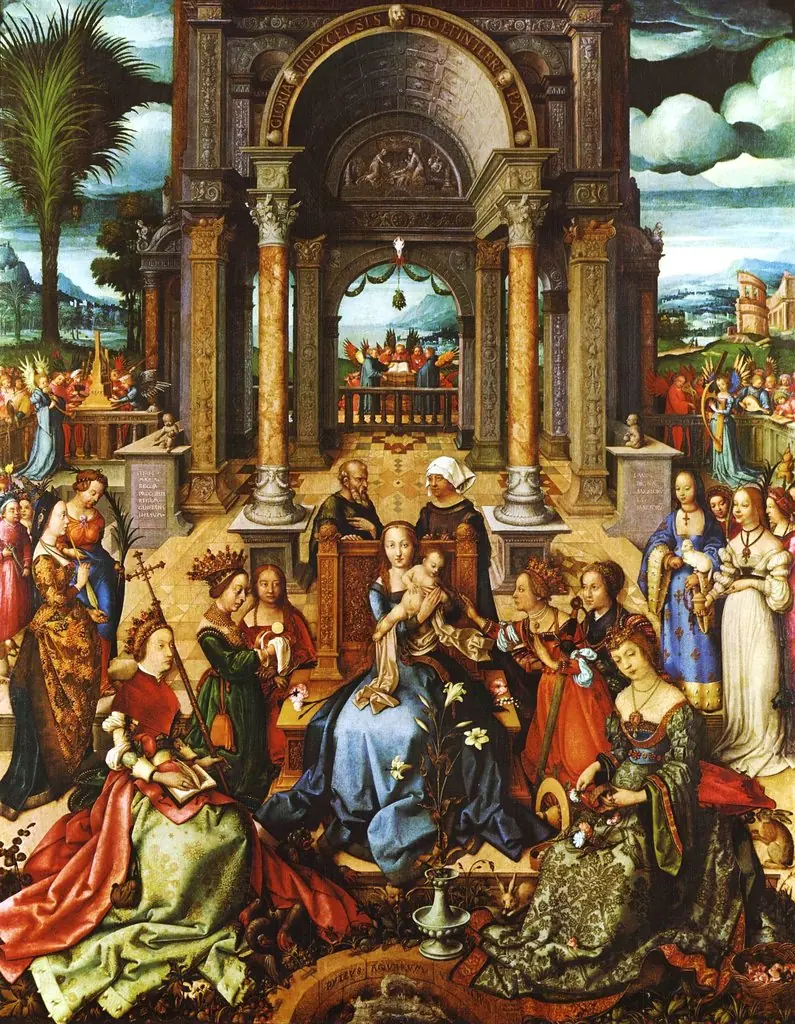 Virgin with Child by Hans Holbein the Elder, Museu Nacional de Arte Antiga
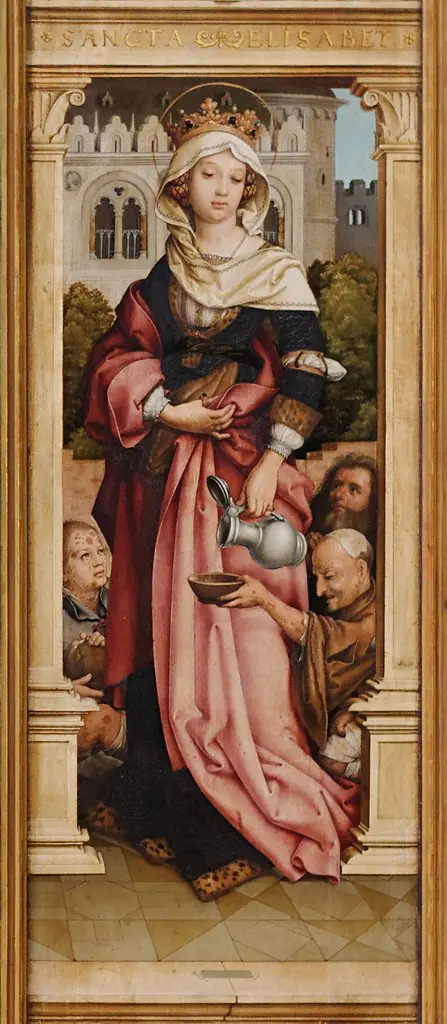 St. Sebastian Altar: St. Elizabeth of Hungary
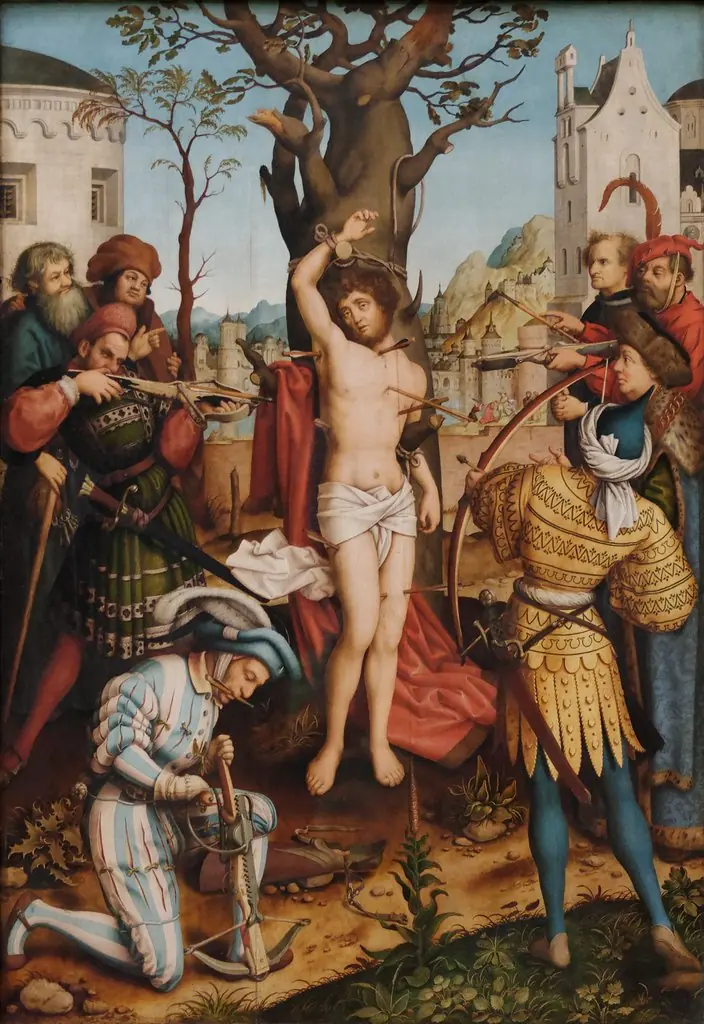 St. Sebastian Altar: The Martyrdom of St. Sebastian
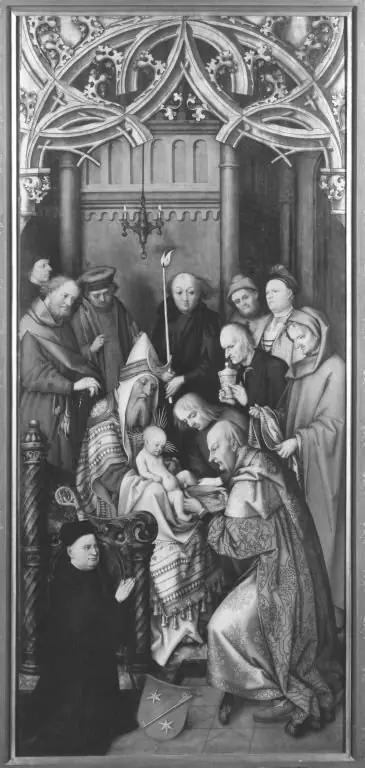 Kaisheimer Altar: Beschneidung Christi
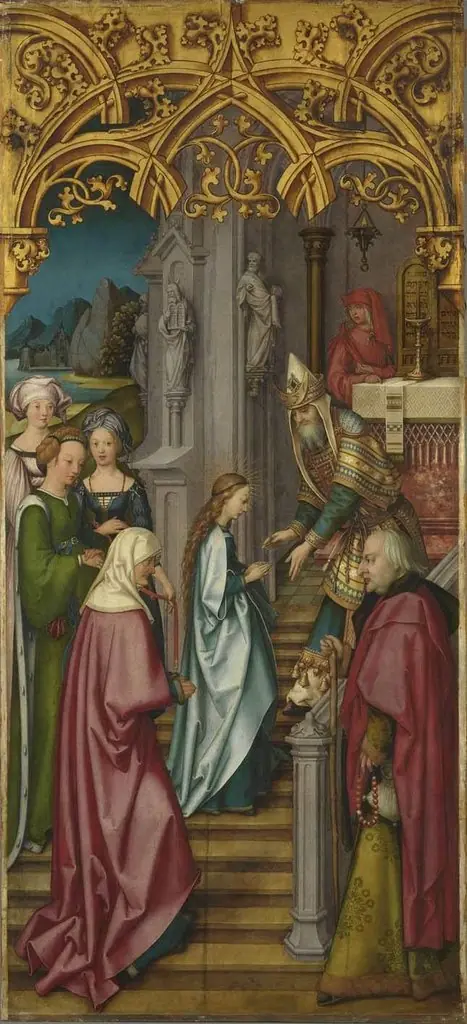 Kaisheimer Altar: Tempelgang Mariens
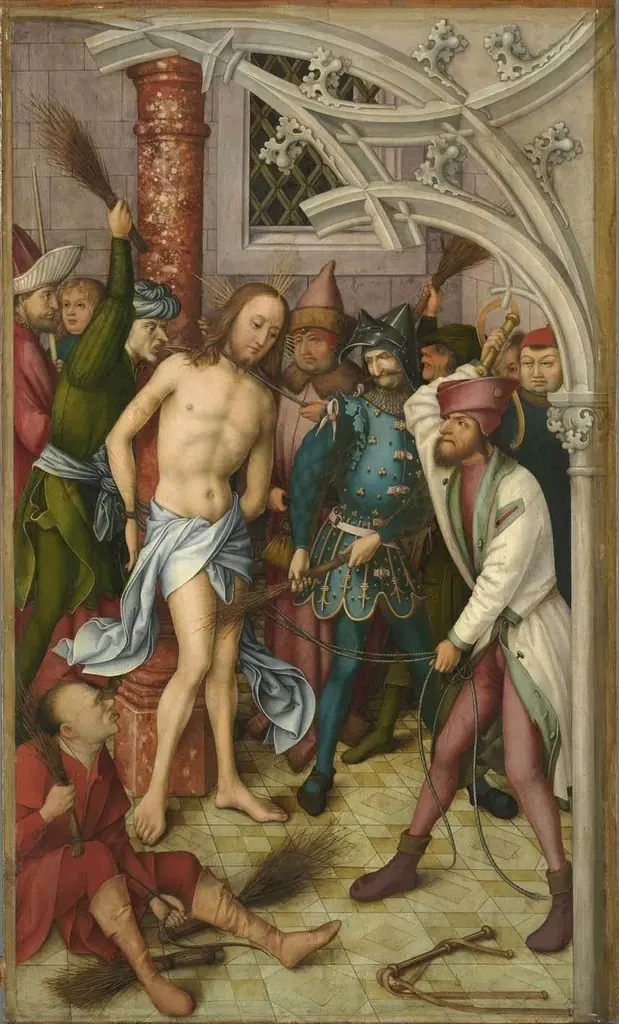 Kaisheimer Altar: Geißelung Christi
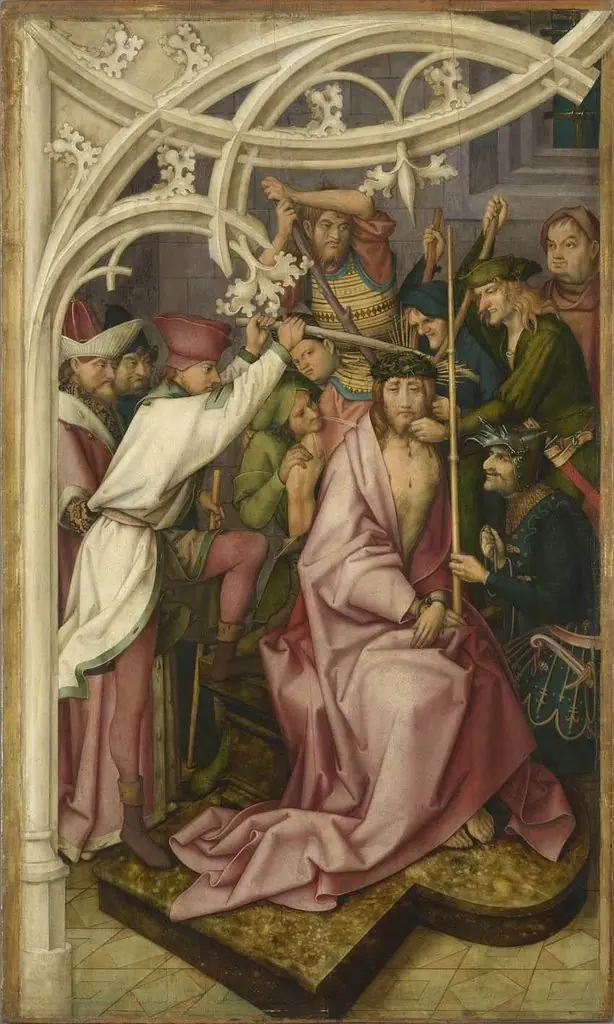 Kaisheimer Altar: Dornenkrönung Christi
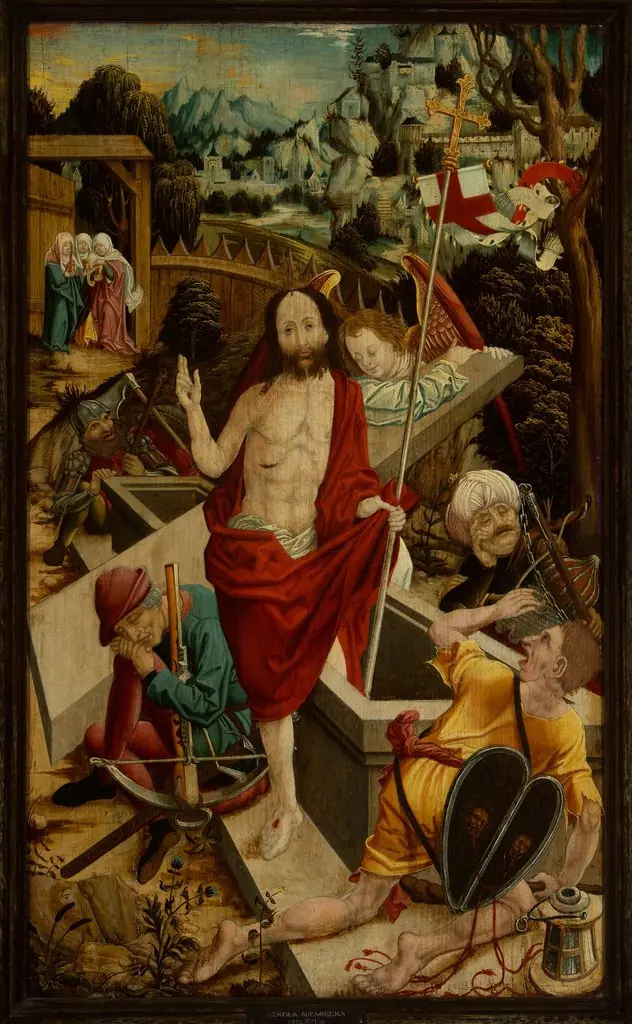 Resurrection of Christ
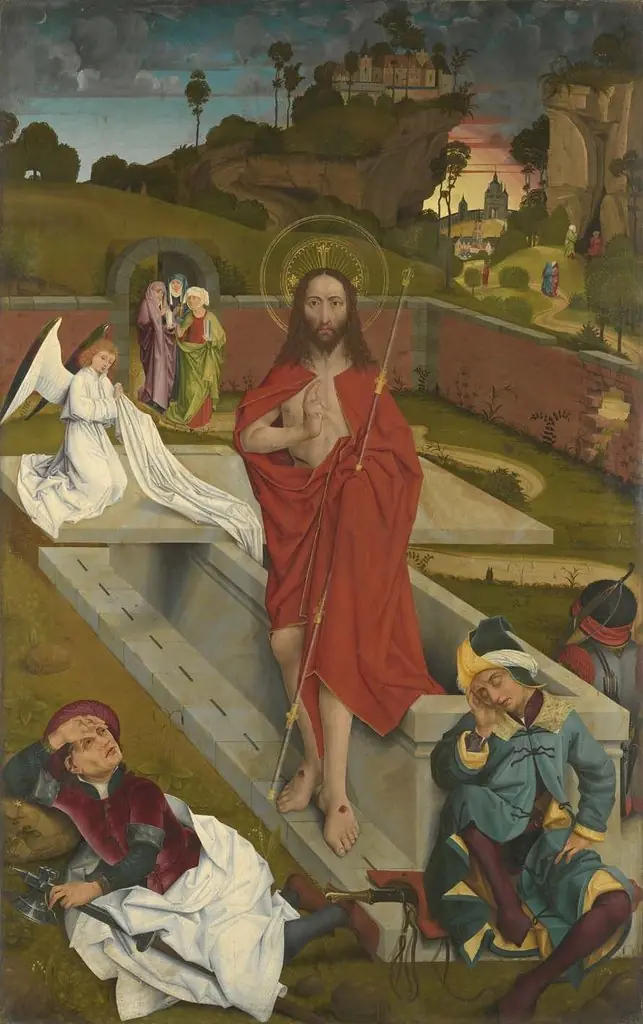 Hofer Altar: Auferstehung Christi (Rückseite: Apostel Bartholomäus und Jakobus)
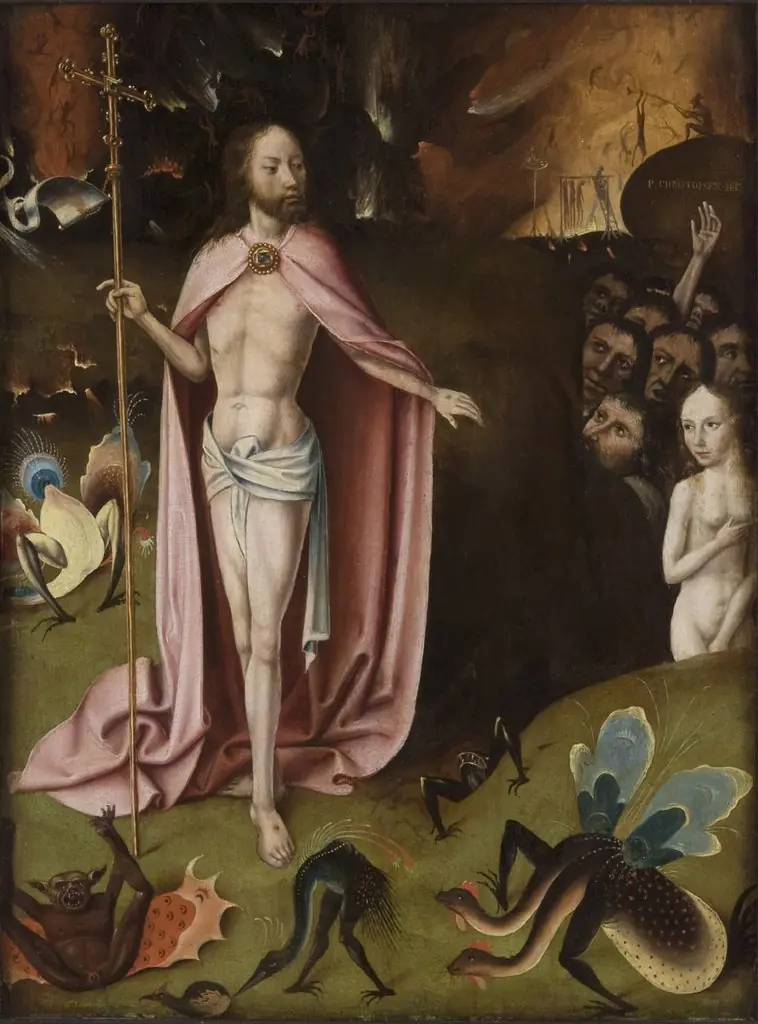 Christ in Limbo
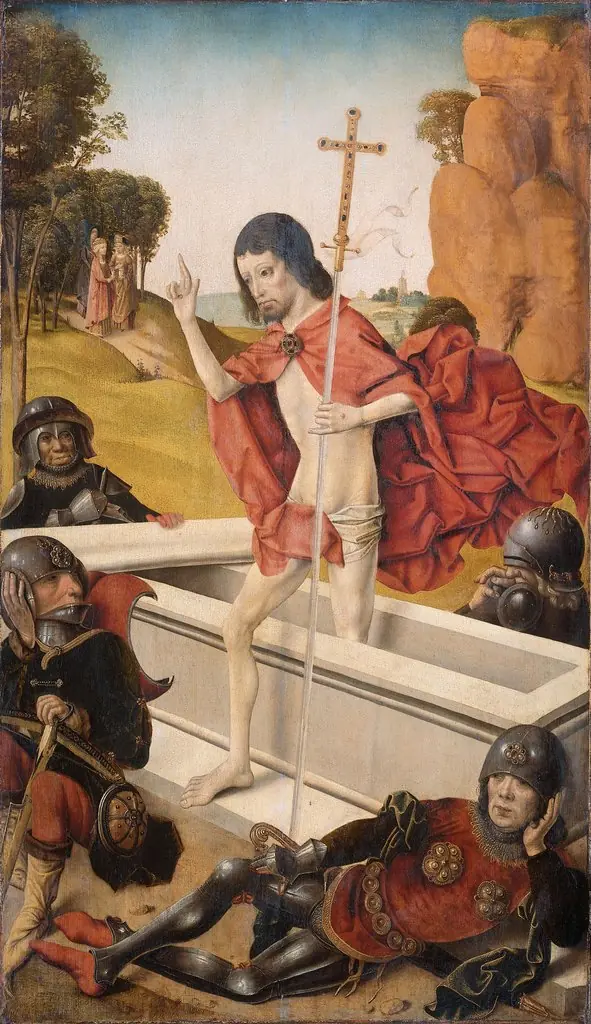 The Resurrection of Christ
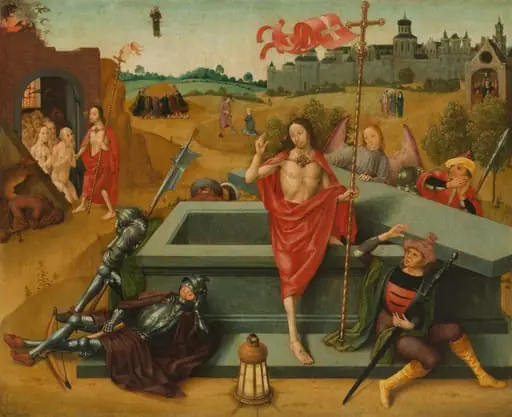 Resurrection of Christ
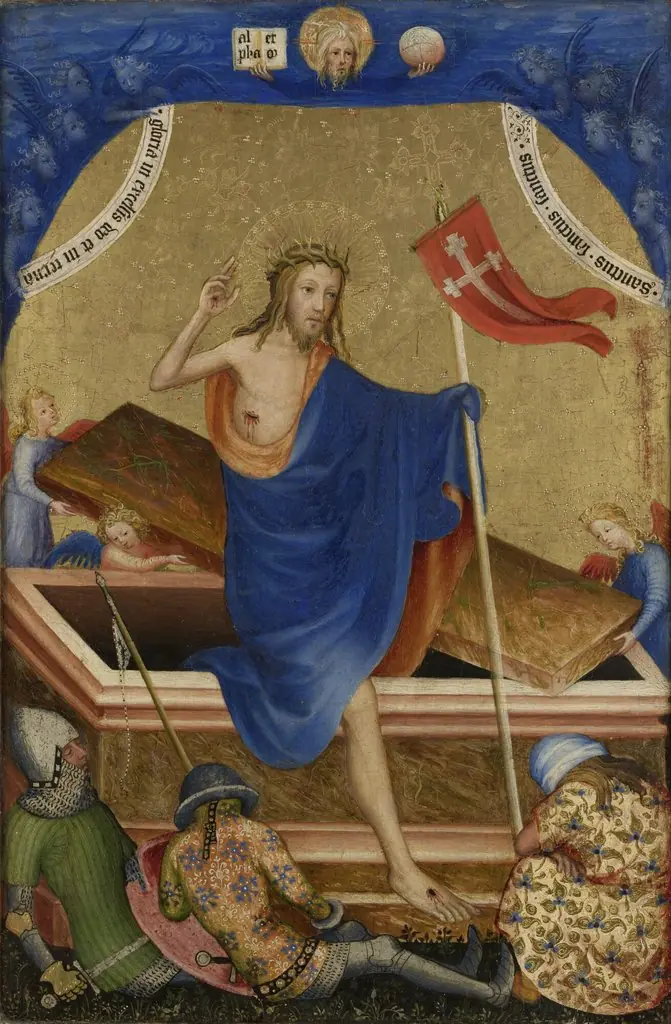 Antwerp-Baltimore Quadriptych
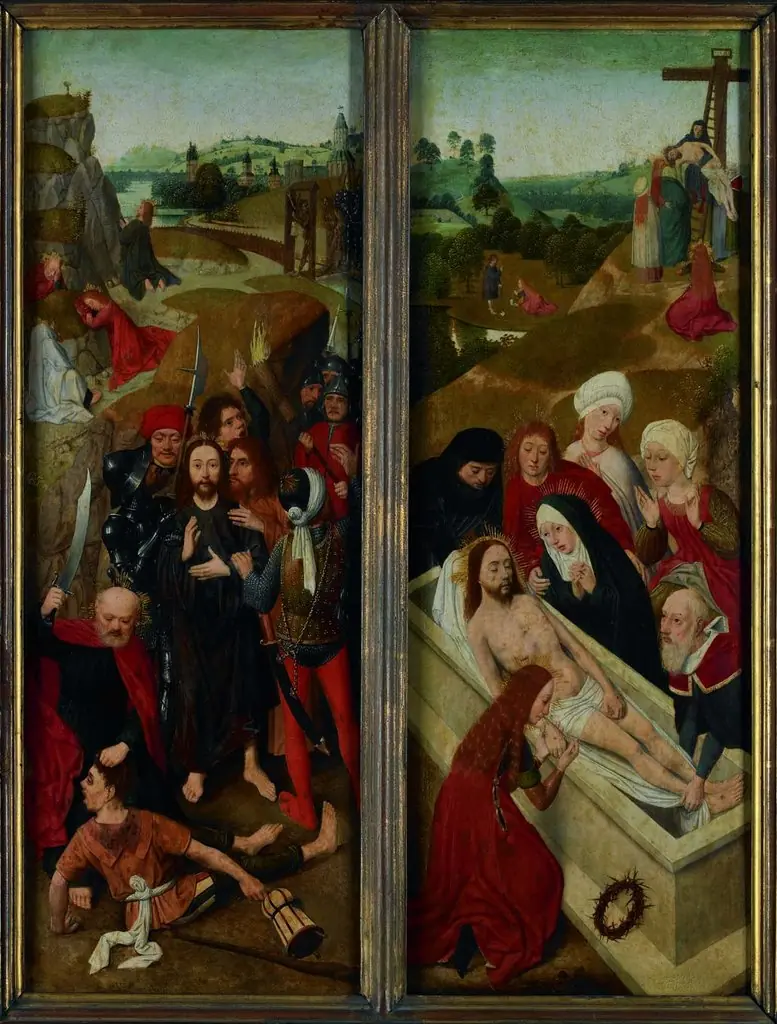 he taking of Christ and The entombment
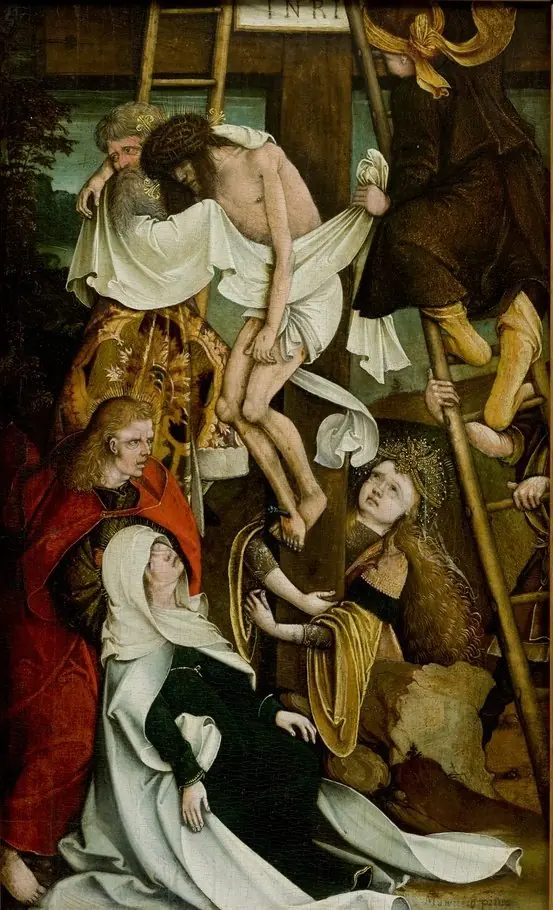 Descent of the Cross
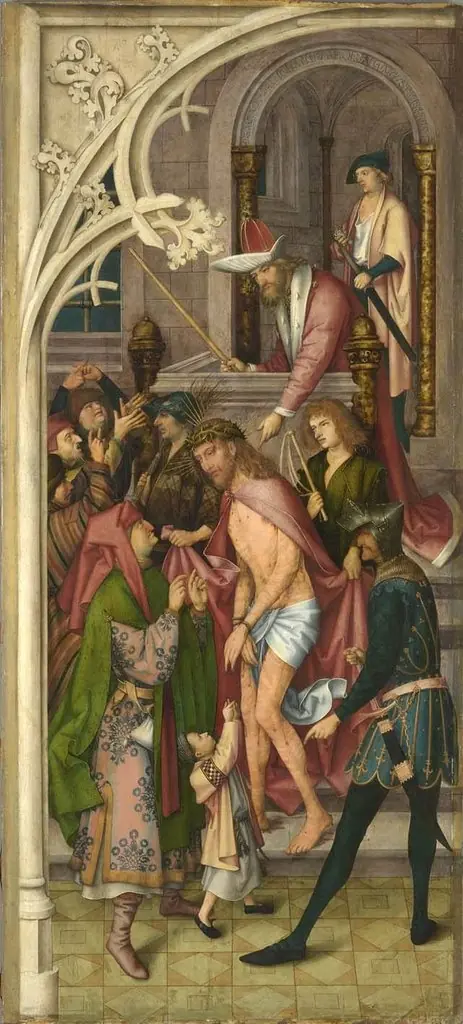 Kaisheimer Altar: Ecce homo
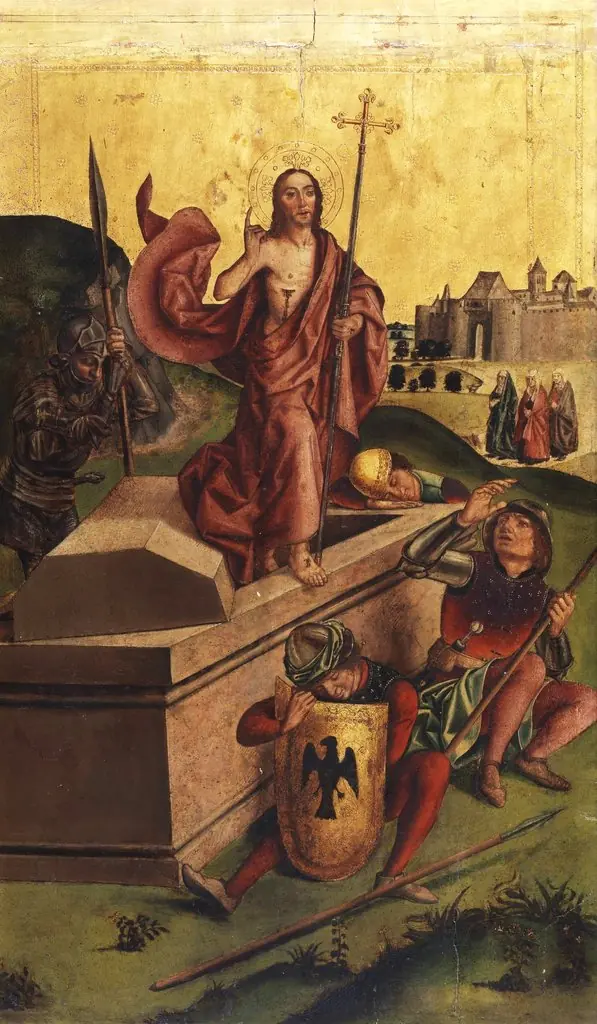 Resurrection of Christ
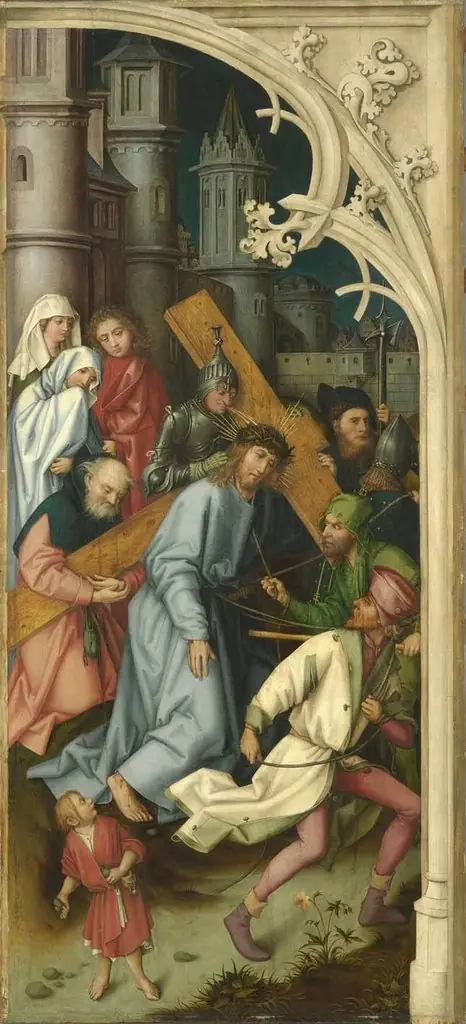 Kaisheimer Altar: Kreuztragung Christi