Artwork
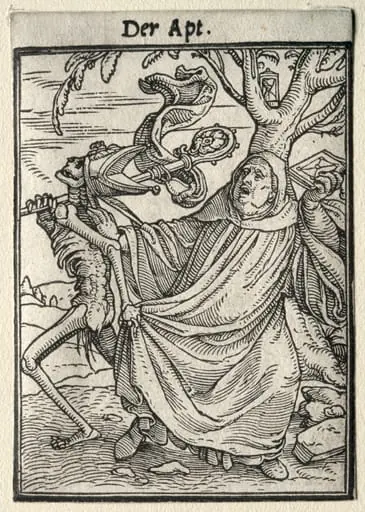
The Bishop
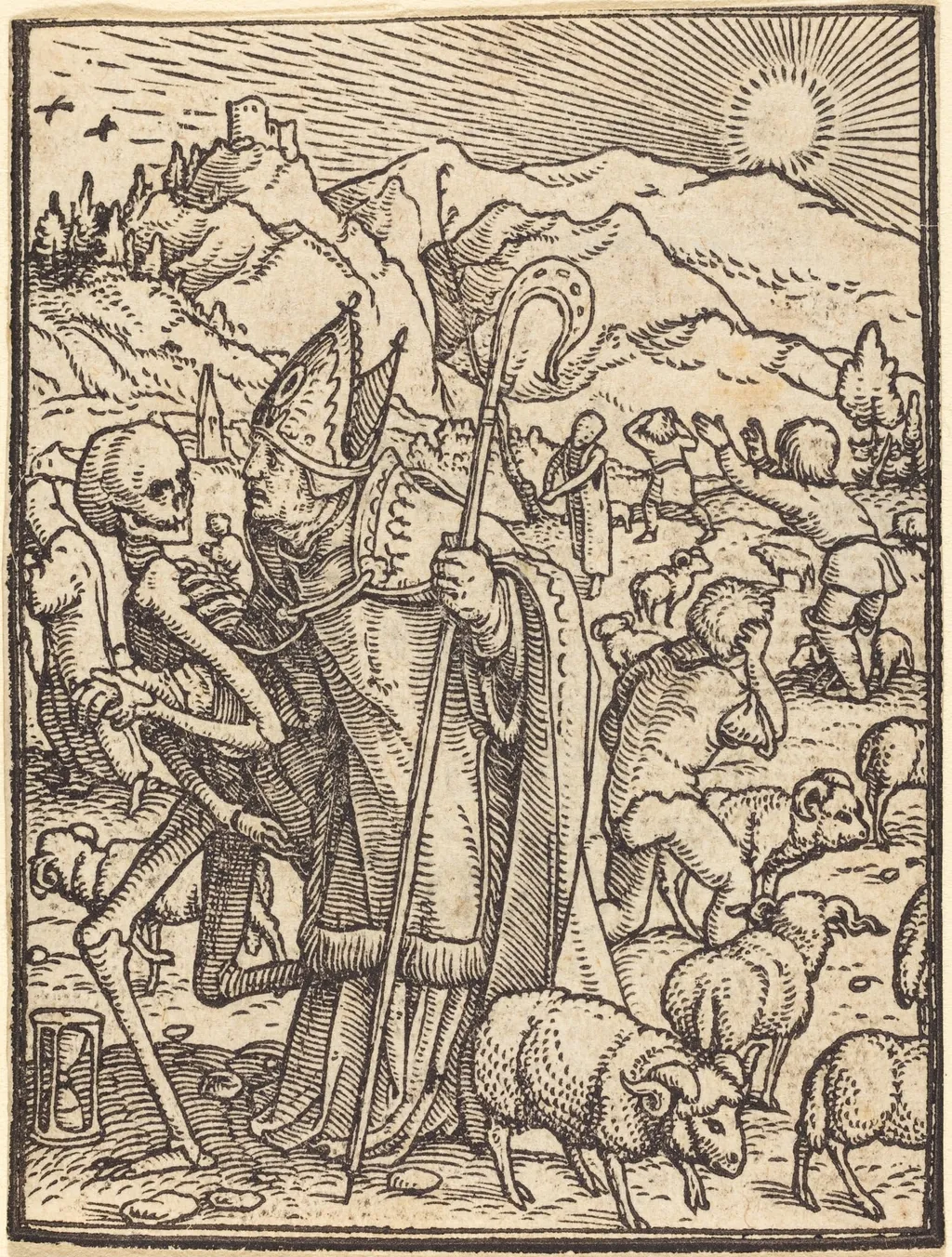
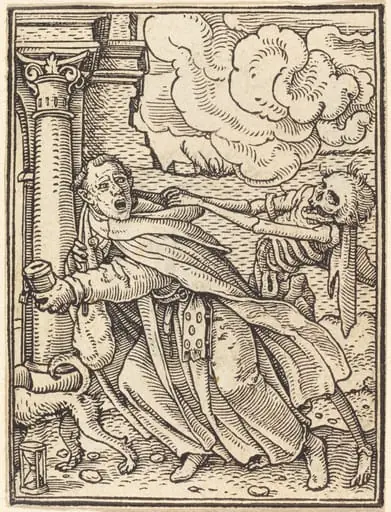
The Bishop is an ink print by the Renaissance artist Hans Lützelburger. It dates from 1526 and is held in the collection of the National Gallery of Art.
About this work
Overview
The Bishop is a woodcut print created by Hans Lützelburger around 1526 in Augsburg, Germany. Characterized by sharp lines and simple shapes, the work showcases the artist's skill in conveying dynamic scenes within a compact format.
Subject & Meaning
The print depicts a bishop, identifiable by his staff, leading a group of people up rocky hills amidst a crowded and challenging landscape, set against a dramatic backdrop of jagged mountains and a sunburst.
Technique & Style
Executed in woodcut, a technique where images are carved into wood blocks, The Bishop exemplifies early printed art's aesthetic, with Lützelburger's craftsmanship emphasizing clarity and action through bold, precise lines.
History & Provenance
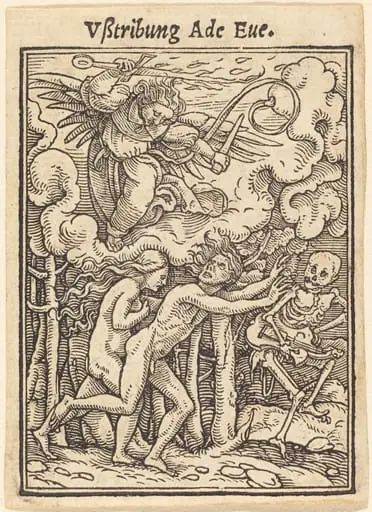
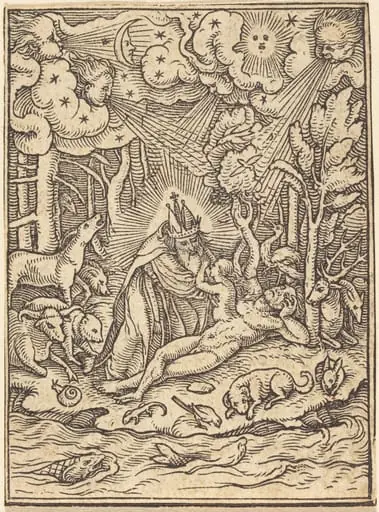
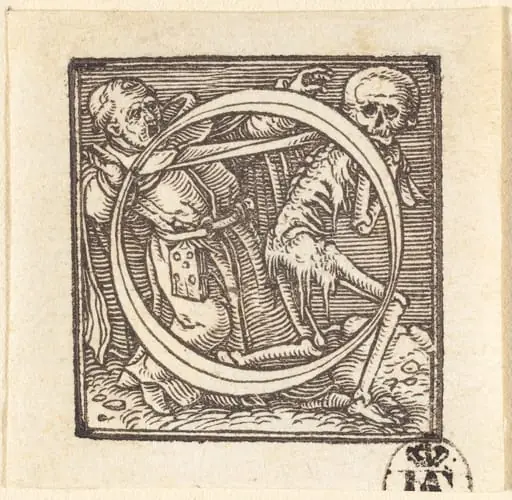
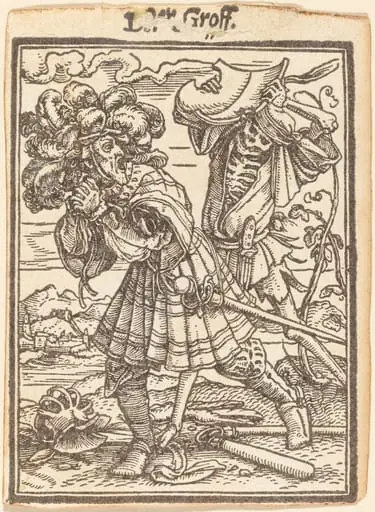
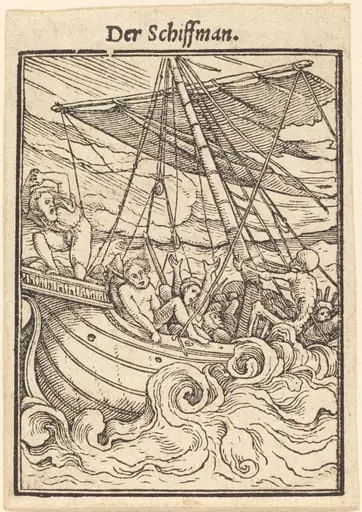
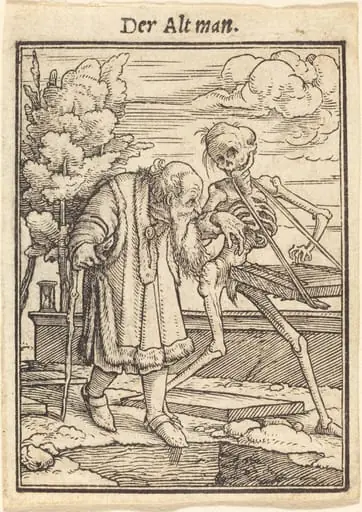
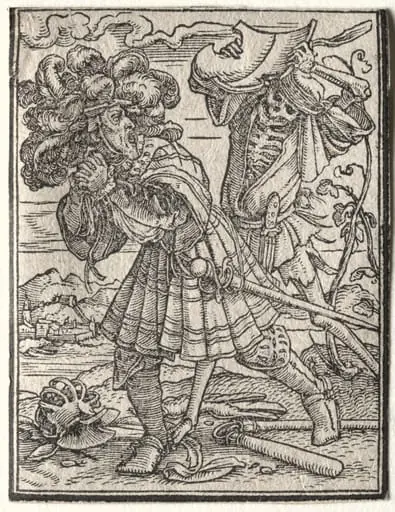
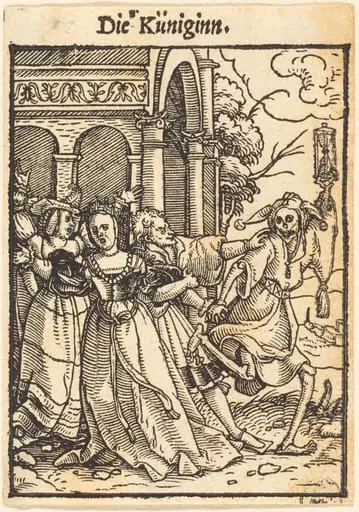
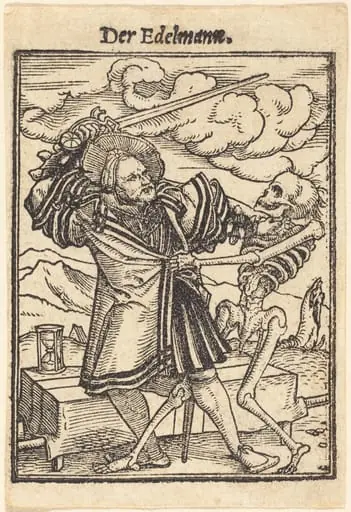
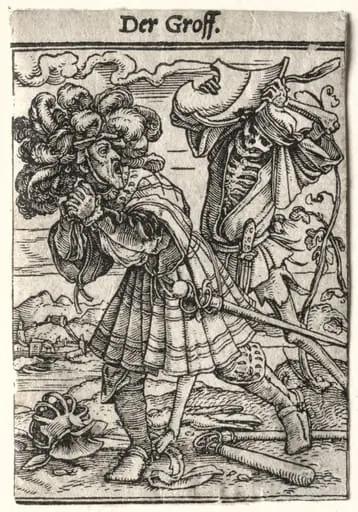
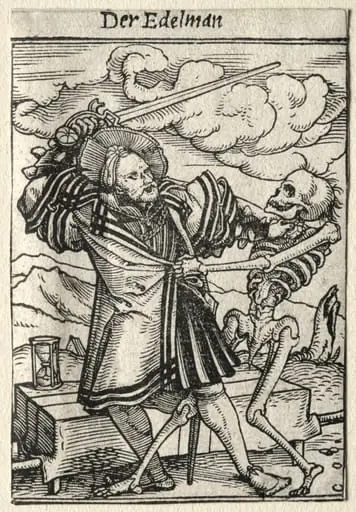
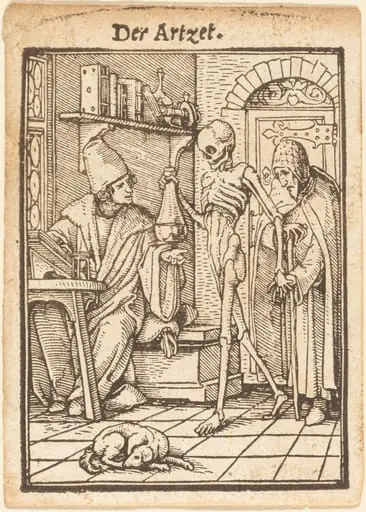
Created in 1526, the year of Lützelburger's death, The Bishop is believed to be part of a thematic series. Notably, Lützelburger was also involved in cutting blocks for Hans Holbein the Younger's Dance of Death series before his passing.
Artist & collection

Artist
Hans Lützelburger (died June 1526), also known as Hans Franck, was a German blockcutter ("formschneider") for woodcuts, regarded as one of the finest of his day.