Artwork
The Saviour
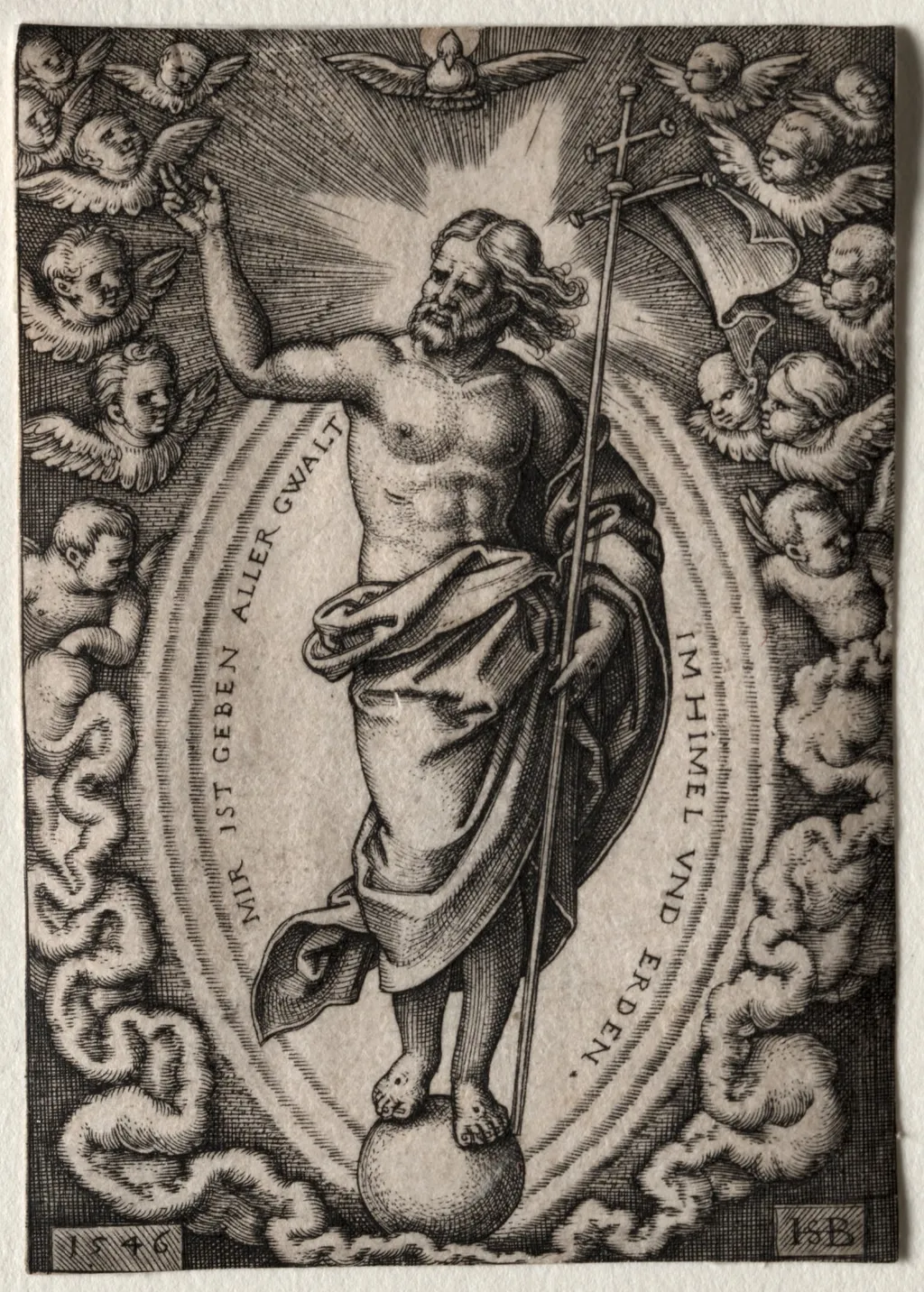
The Saviour is a print by the Renaissance artist Sebald Beham. It dates from 1546 and is held in the collection of the Cleveland Museum of Art.
About this work
Overview
Created in 1546 by Hans Sebald Beham, *The Saviour* is a small-scale engraving produced during the height of the German Renaissance.
Created in 1546 by Hans Sebald Beham, *The Saviour* is a small-scale engraving produced during the height of the German Renaissance. Beham, a key figure among the Little Masters, specialized in finely detailed prints executed in intimate formats. This work belongs to the collection of the Cleveland Museum of Art and exemplifies his mastery of line and texture within a compact composition, reflecting the devotional and technical priorities of mid-16th-century Nuremberg printmaking.
Subject & Meaning
The image portrays Christ as a serene, bearded figure standing atop a globe, his right hand holding a cross and his left raised in blessing. A radiant halo surrounds his head, with luminous rays extending outward, symbolizing divine presence. Surrounding figures, including cherubs, suggest celestial harmony and the universality of salvation. The composition aligns with traditional Christian iconography of Christ Pantocrator, emphasizing authority, mercy, and cosmic order.
Technique & Style
Beham employed fine-line engraving to achieve intricate detail, using controlled hatching and cross-hatching to model form and suggest volume. Subtle gradations of tone create a sense of depth without relying on broad chiaroscuro or impasto—techniques more typical of painting. The background is densely populated with small figures, enhancing the work’s complexity while maintaining clarity through precise, linear definition characteristic of the Little Masters’ aesthetic.
History & Provenance
Beham produced this print during his time in Nuremberg, before his later move to Frankfurt. As a prolific printmaker, he circulated his works widely through commercial networks, making them accessible to collectors and clergy across Europe. *The Saviour* entered the Cleveland Museum of Art’s collection through documented acquisitions in the 20th century, preserving its place within the broader legacy of German Renaissance print culture.
Context
In the mid-16th century, religious imagery remained central to printmaking despite the Reformation’s challenges to iconography. Beham’s work navigated this tension, offering devotional subjects in accessible formats for private contemplation. His small engravings catered to an emerging literate middle class, blending spiritual themes with technical virtuosity, and contributed to the shift from monumental altarpieces to intimate, portable religious art.
Legacy
Beham’s prints, including *The Saviour*, influenced later generations of Northern European engravers through their precision and compositional economy. Though overshadowed by larger-scale Renaissance works, his contributions helped define the miniature print tradition. Today, his oeuvre is studied for its technical innovation and its role in shaping devotional practices among non-elites during a period of religious upheaval.
Artist & collection
Artist
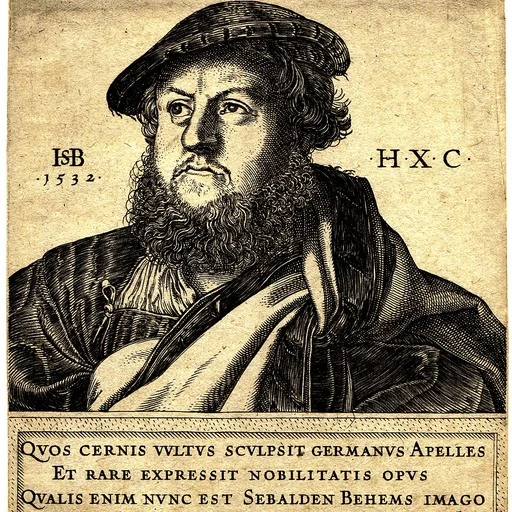
Sebald Beham (1500–1550) was a German painter and printmaker, mainly known for his very small engravings.


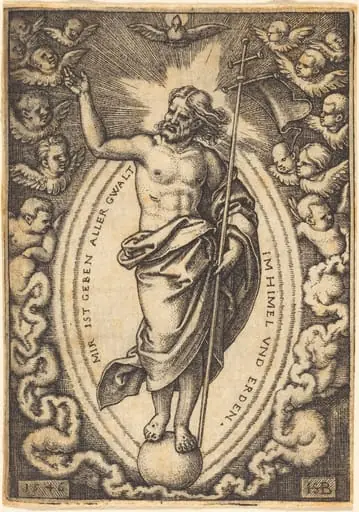 Christ on the Globe
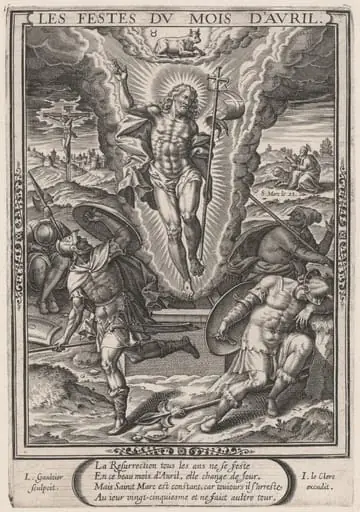 Les Festes du mois d'Avril (April: The Resurrection)
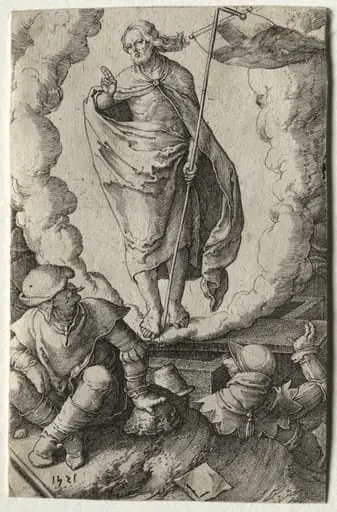 The Passion: The Resurrection
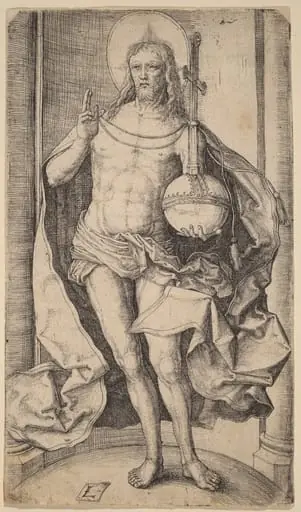 The Savior Standing with the Globe and Cross in His Left Hand
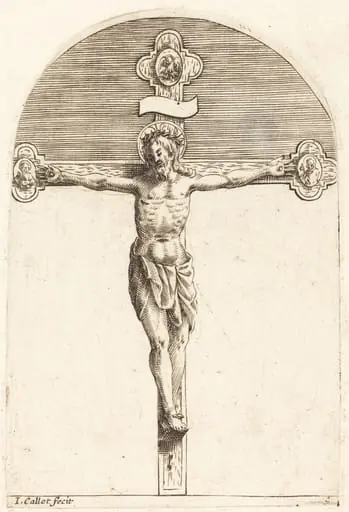 The Crucifixion
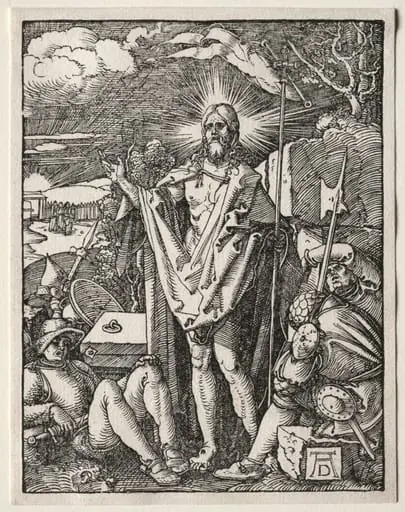 The Small Passion: The Resurrection
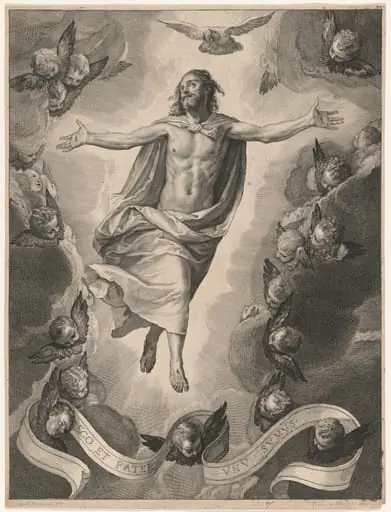 The Ascension of Christ
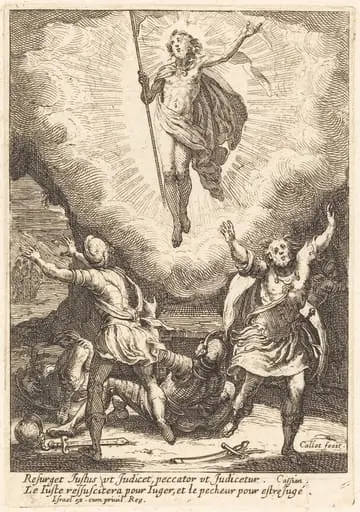 The Resurrection
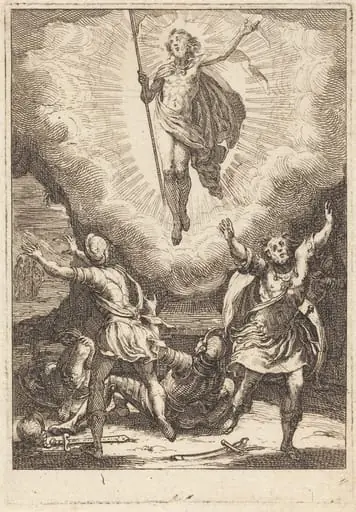 The Resurrection
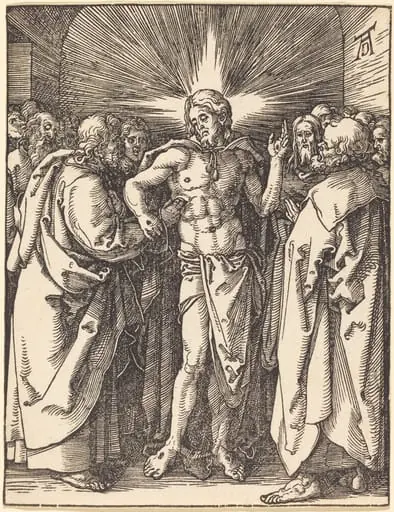 Doubting Thomas
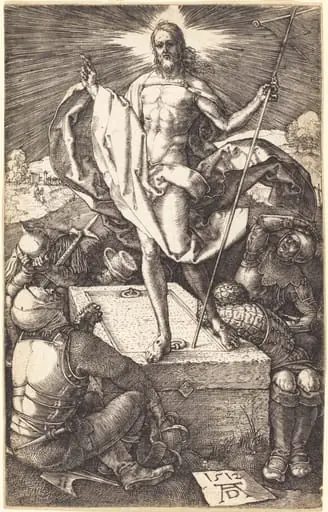 The Resurrection
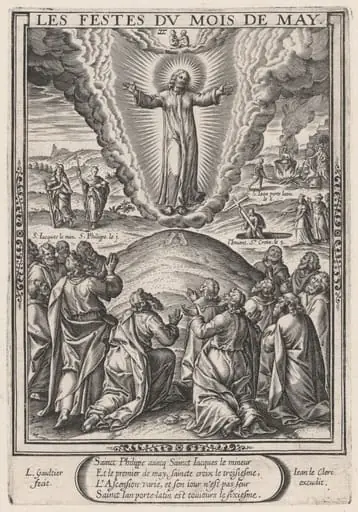 Les Festes du mois de Mai (May: The Ascension)