Artwork
Purple Heron
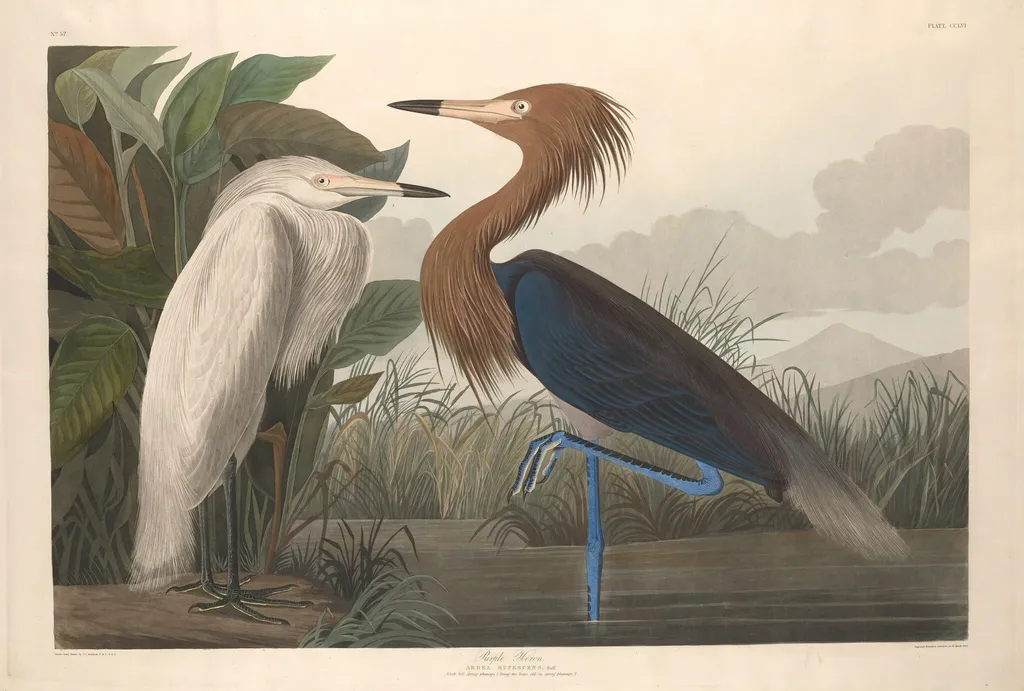
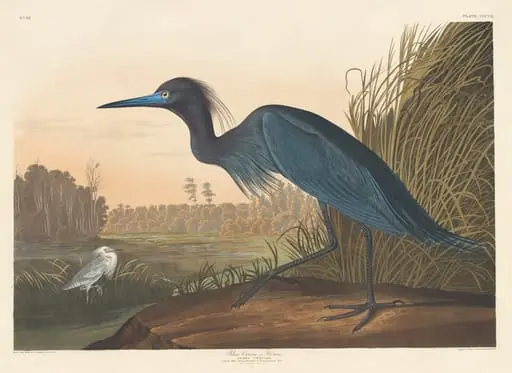
Purple Heron is an ink print by the Romanticist artist Robert Havell Jr.. It dates from 1835 and is held in the collection of the National Gallery of Art.
About this work
Overview
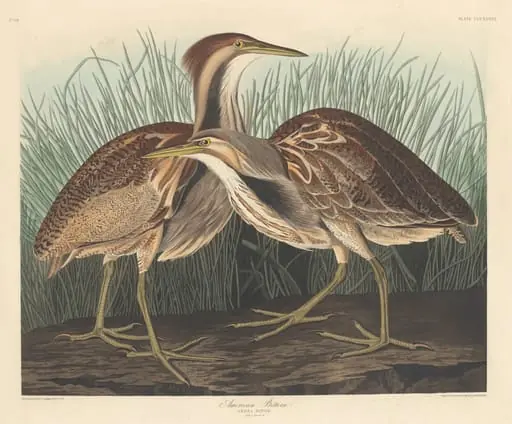
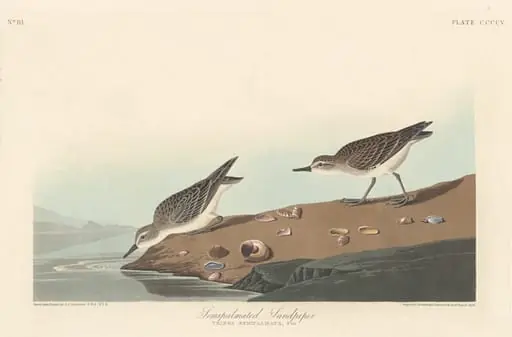
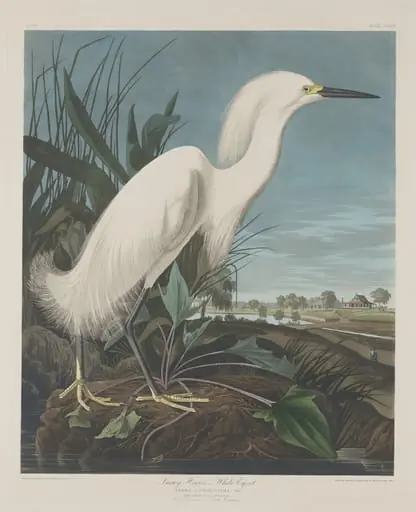
Purple Heron is a hand-colored engraving and aquatint print on Whatman wove paper, created by Robert Havell Jr. in 1835. It showcases the artist's skill in combining engraving and aquatint techniques, characteristic of his family's printmaking legacy.
Subject & Meaning
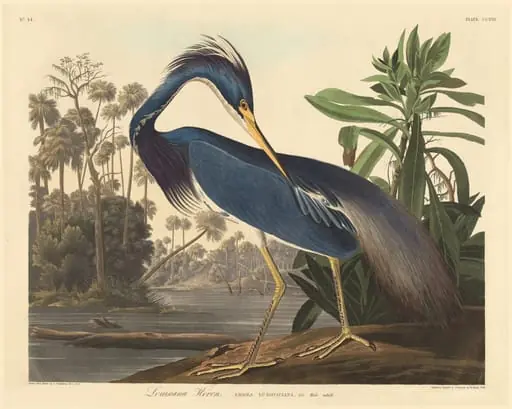
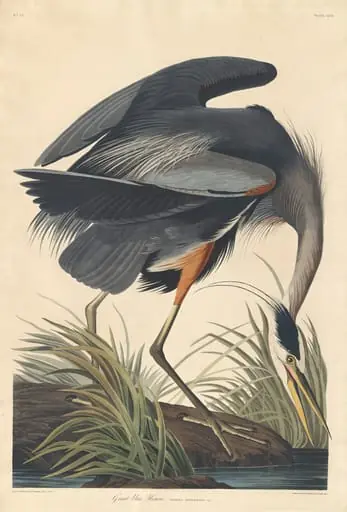
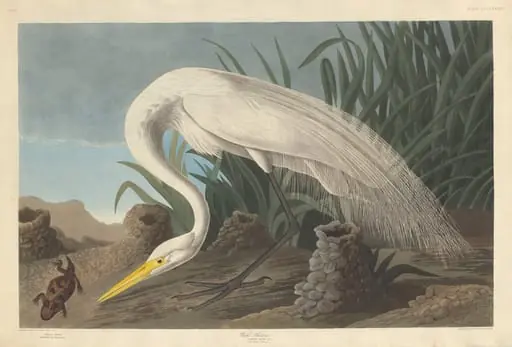
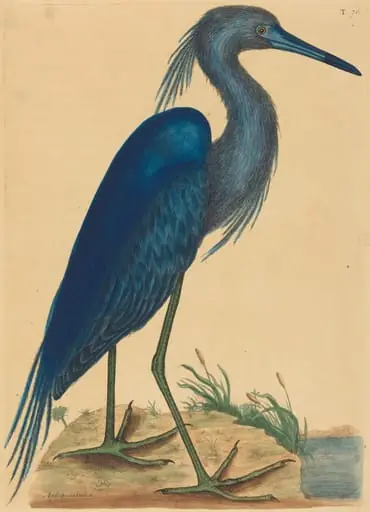
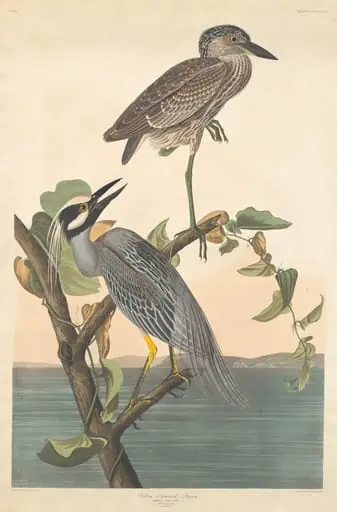
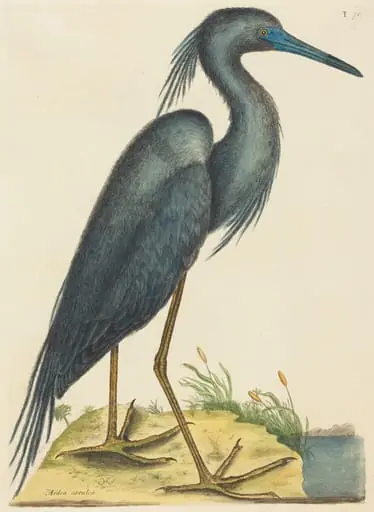
The print features two herons in a serene marshy landscape, with one bird depicted in white and the other in blue and brown hues. The naturalistic detail reflects the period's focus on ornithological illustration, capturing a moment of tranquility in nature.
Technique & Style
Havell Jr. utilized hand-coloring over aquatint and engraving, highlighting his family's renowned expertise in aquatint. The work's attention to natural detail aligns with early 19th-century ornithological art, though its calm, detailed approach also touches on Romantic naturalism.
History & Provenance
Produced in 1835, Purple Heron is part of the Havell family's contributions to printmaking, with Robert Havell Jr. building upon his family's reputation in engraving, etching, and painting, influenced by their engagement with Indian art and British ornithological interests.
Context
The piece emerges from a context of growing interest in natural history illustration during the early 19th century, alongside the Havell family's specific ties to Indian cultural influences, though the subject matter here is more universally naturalistic.
Legacy
While not broadly famous, Purple Heron represents the Havell family's technical proficiency in printmaking and their contribution to the ornithological art of their time, offering a glimpse into early 19th-century natural history illustration practices.
Artist & collection

Artist
The Havell family of Reading, Berkshire, England, included a number of notable engravers, etchers and painters, as well as writers, publishers, educators, and musicians.