Artwork
Burrowing Owl, Large-Headed Burrowing Owl andLittle Night Owl
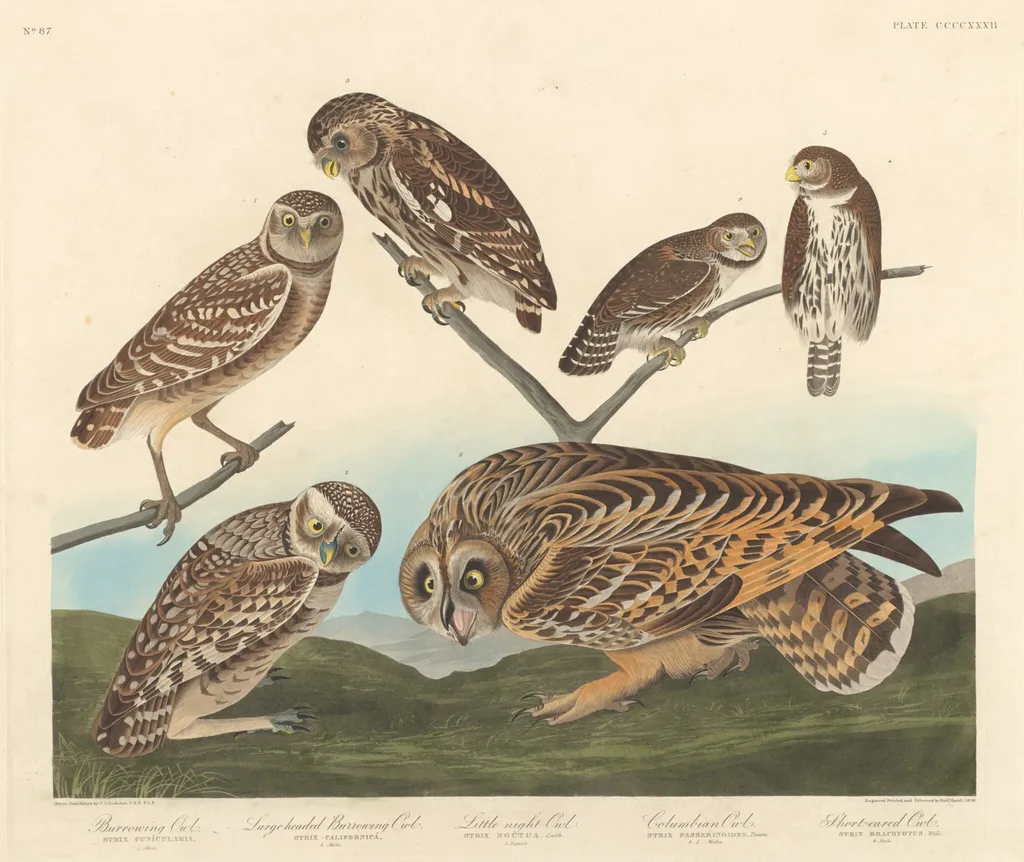
Burrowing Owl, Large-Headed Burrowing Owl andLittle Night Owl is an ink print by the Romanticist artist Robert Havell Jr.. It dates from 1838 and is held in the collection of the National Gallery of Art.
About this work
Overview
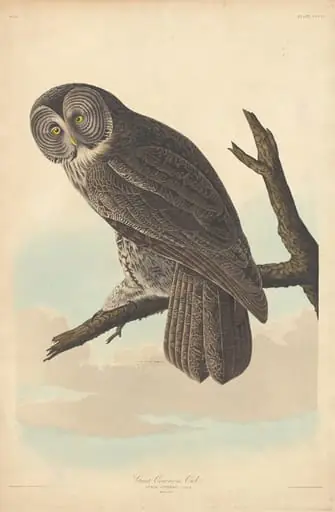
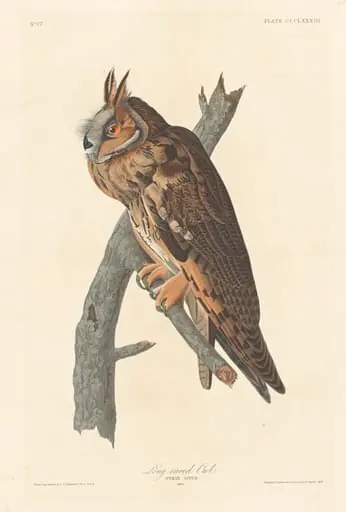
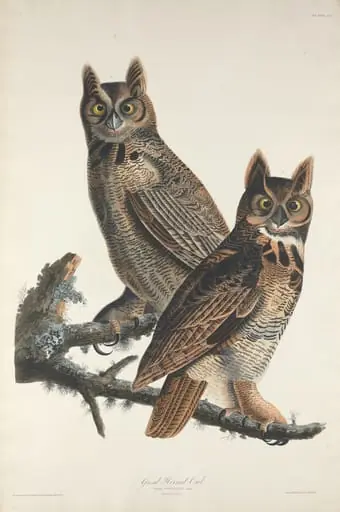
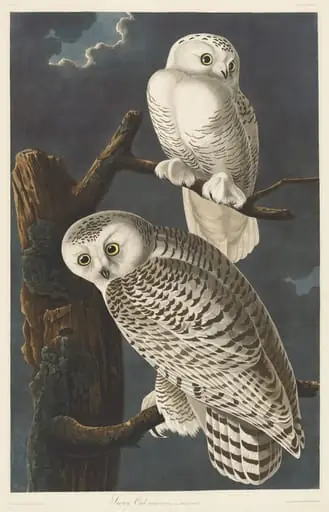
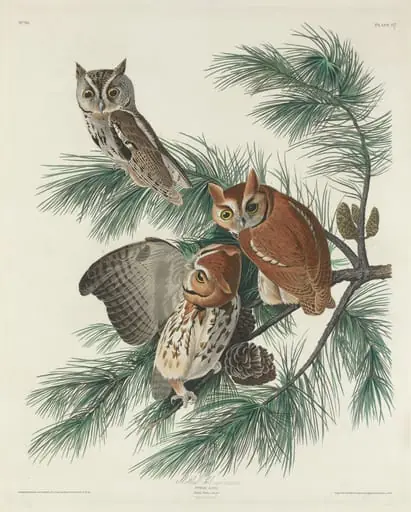
Robert Havell Jr. created a hand‑coloured engraving and aquatint in 1838 that presents three distinct owl species. Executed on Whatman wove paper, the image combines line work with tonal washes, a hallmark of the aquatint technique, to render the birds against a muted, hilly landscape.
Subject & Meaning
The print features a Burrowing Owl, a Large‑Headed Burrowing Owl, and a Little Night Owl, each identified by a label beneath the figure. The owls are shown perched on branches or standing on the ground, their alert gazes and detailed plumage emphasizing the natural characteristics of each species.
Technique & Style
Havell employed fine engraved lines to delineate feather texture, while aquatint provided subtle gradations of brown, gray and white tones. Hand‑colouring adds depth to the birds’ plumage, enhancing the realistic yet slightly stylised appearance typical of early nineteenth‑century natural history prints.
History & Provenance
Born into a noted English family of engravers, Havell Jr. continued the tradition established by his father, Robert Havell the Elder, who was known for his work with aquatint and interest in Indian art. The 1838 print reflects the family’s expertise in fine printmaking during a period when such illustrated studies were popular among naturalists.
Context
Printed on Whatman wove paper—a preferred medium for high‑quality prints of the era—the work aligns with contemporary scientific illustration, where detailed, accurately rendered images supported the study and classification of wildlife before the advent of photography.
Artist & collection

Artist
The Havell family of Reading, Berkshire, England, included a number of notable engravers, etchers and painters, as well as writers, publishers, educators, and musicians.