Artwork
Olive-sided Flycatcher
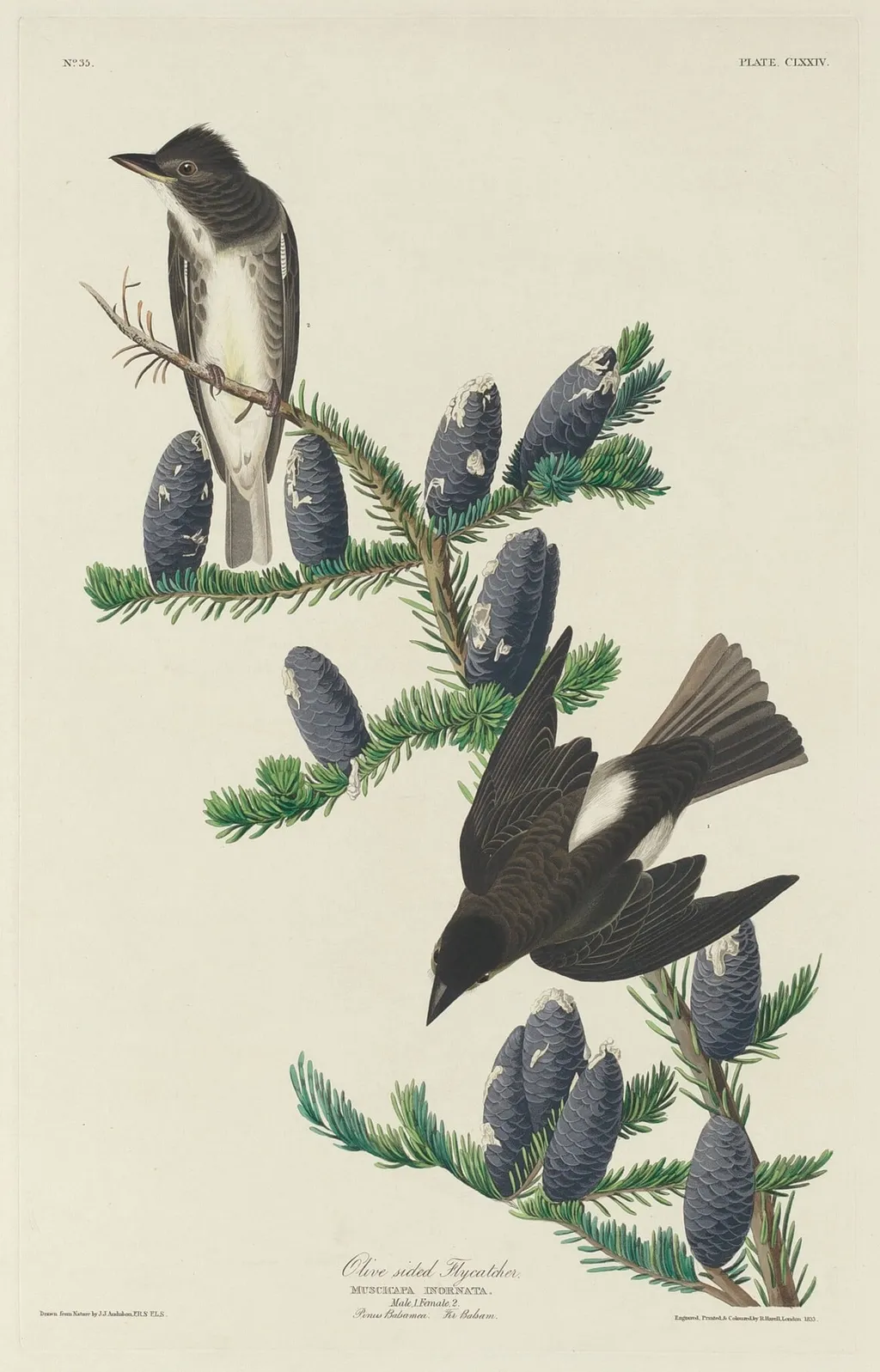
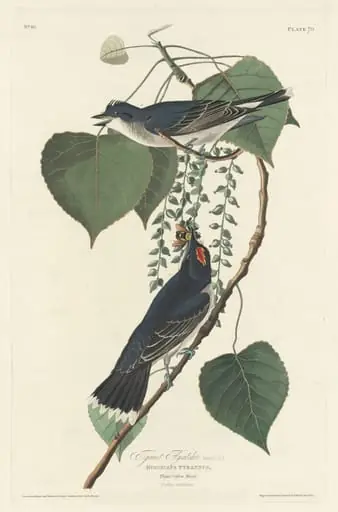
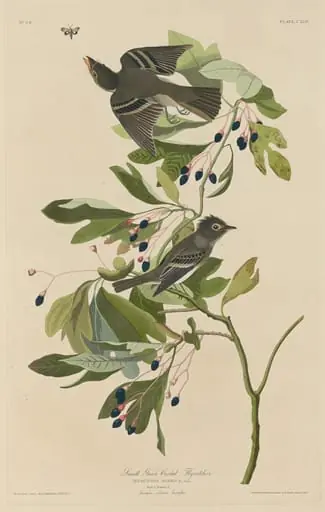
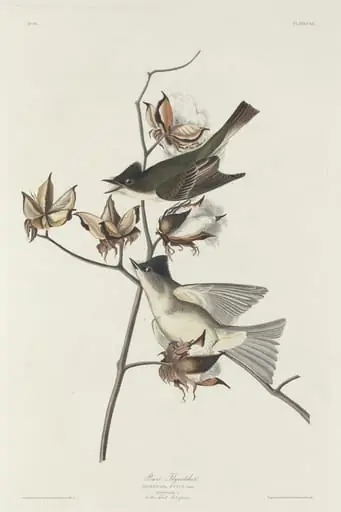
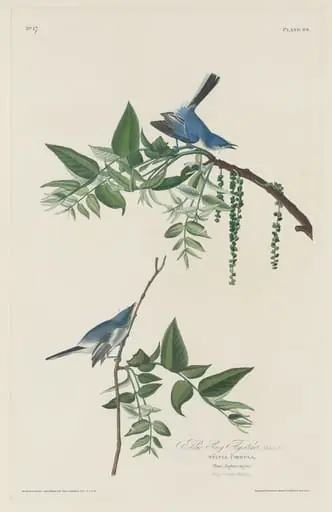
Olive-sided Flycatcher is an ink print by the Romanticist artist Robert Havell Jr.. It dates from 1833 and is held in the collection of the National Gallery of Art.
About this work
Overview
The work exemplifies the Havell family’s technical mastery in printmaking, particularly their use of aquatint to achieve subtle tonal gradations.
This 1833 print, created by Robert Havell Jr., is a hand-colored engraving and aquatint on Whatman wove paper. It belongs to a series of ornithological illustrations produced during the early 19th century, reflecting the period’s emphasis on precise natural documentation. The work exemplifies the Havell family’s technical mastery in printmaking, particularly their use of aquatint to achieve subtle tonal gradations.
Subject & Meaning
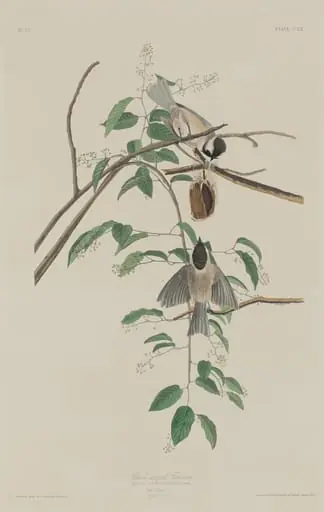
The image portrays two olive-sided flycatchers, a species native to North American forests. One bird is perched calmly, facing left, while the other is captured mid-flight with wings fully extended. The composition emphasizes behavioral observation rather than idealization, aligning with scientific aims of the time. Pine branches, cones, and needles ground the birds in their natural habitat, reinforcing ecological context.
Technique & Style
Havell employed fine aquatint and engraving to render delicate textures in the birds’ plumage and the pine foliage. The feathers are defined by closely spaced lines, while the bark and needles suggest depth through layered washes of soft blue, green, and earth tones. Hand-coloring was applied with precision to match observed natural hues, a hallmark of scientific illustration in the pre-photographic era.
History & Provenance
Robert Havell Jr. was part of a multi-generational family of engravers based in London, known for their work on natural history publications. He inherited and refined techniques developed by his father, Robert Havell the Elder, and uncle, Daniel Havell. This print likely originated as part of a larger ornithological project, though its exact publication context remains unconfirmed in available records.
Context
Produced during a period of expanding natural science, this print reflects the growing interest in systematic documentation of North American wildlife. European artists often relied on specimens and sketches sent from the Americas. Havell’s work, while technically European in execution, contributed to the visual record of species previously unfamiliar to Old World audiences.
Legacy
The print stands as an example of 19th-century scientific illustration’s commitment to accuracy and detail. Though not widely known outside specialized collections, it represents the collaborative effort between naturalists and printmakers that laid groundwork for modern field guides. Its survival offers insight into the methods used before photographic reproduction became standard.
Artist & collection

Artist
The Havell family of Reading, Berkshire, England, included a number of notable engravers, etchers and painters, as well as writers, publishers, educators, and musicians.