Artwork
Plumed Partridge and Thick-legged Partridge
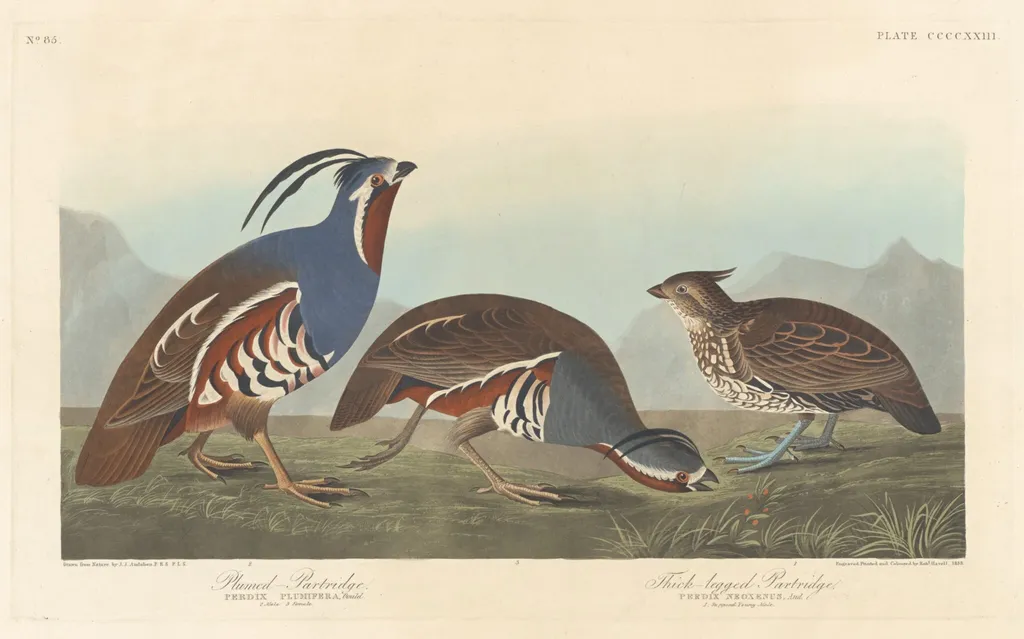
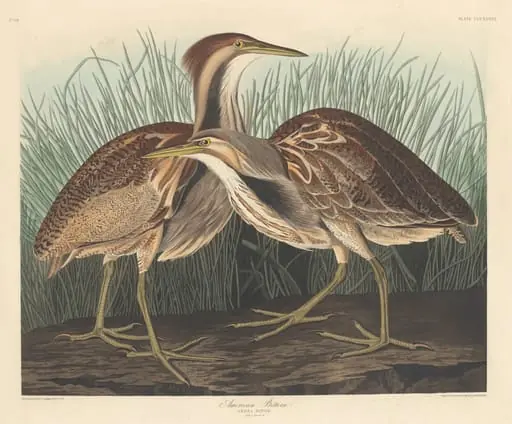
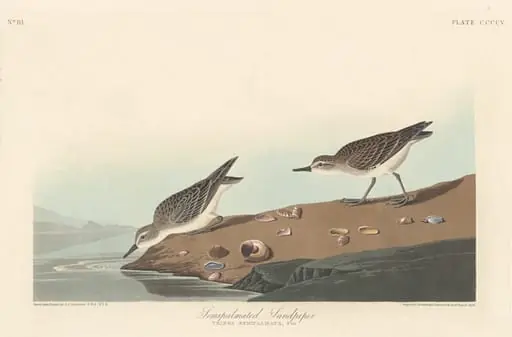
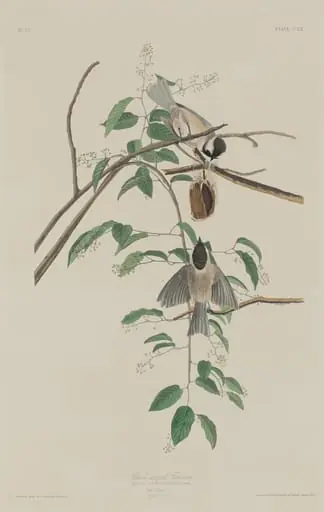
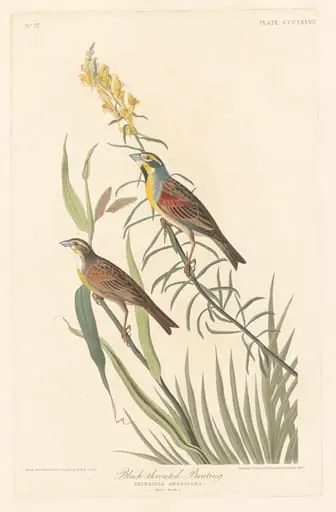
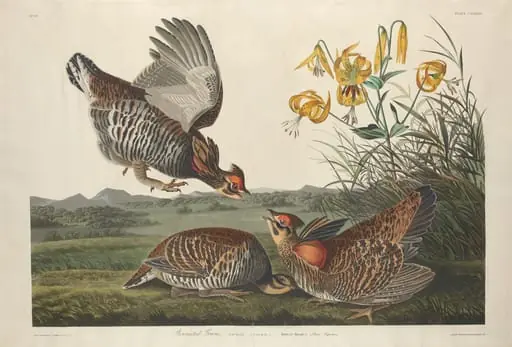
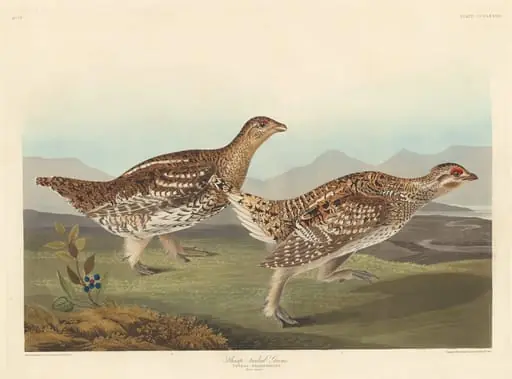
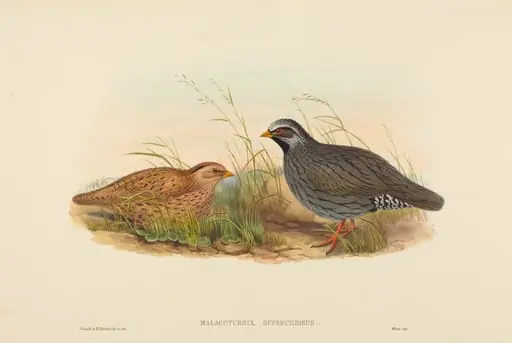
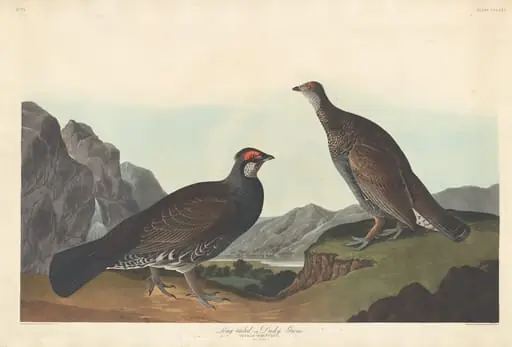
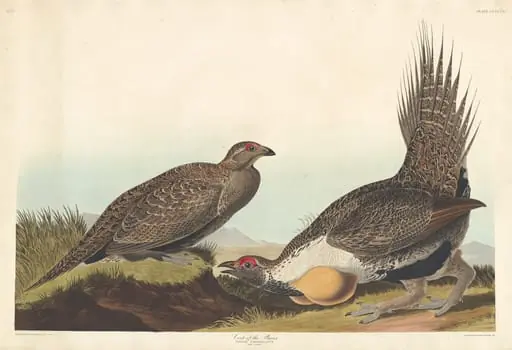
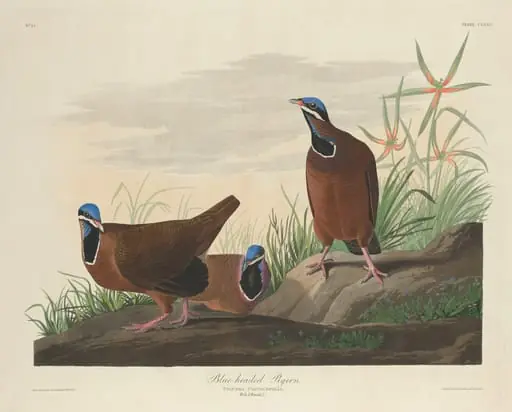
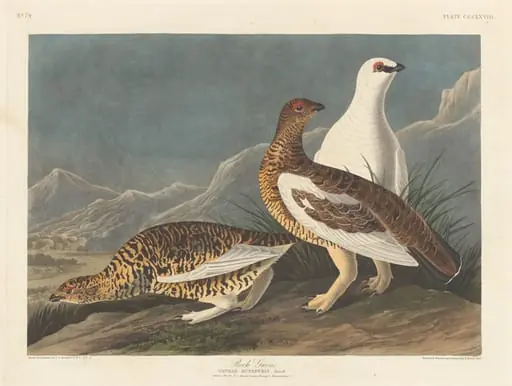
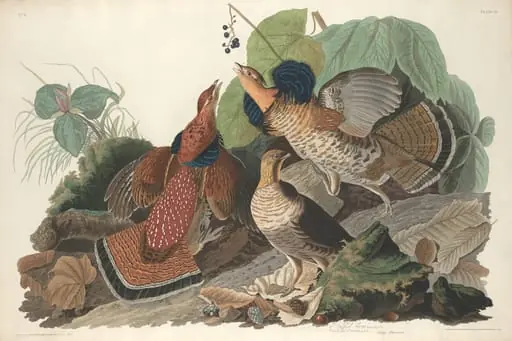
Plumed Partridge and Thick-legged Partridge is an ink print by the Romanticist artist Robert Havell Jr.. It dates from 1838 and is held in the collection of the National Gallery of Art. Created in 1838, this hand-colored engraving and aquatint on Whatman wove paper depicts two partridge species native to South Asia.
About this work
Overview
Created in 1838, this hand-colored engraving and aquatint on Whatman wove paper depicts two partridge species native to South Asia.
Created in 1838, this hand-colored engraving and aquatint on Whatman wove paper depicts two partridge species native to South Asia. The work is one of many ornithological prints produced by Robert Havell Jr., continuing a family legacy of printmaking centered in Reading, Berkshire. Its precision and delicate coloring reflect the technical standards of 19th-century natural history illustration, intended for scientific documentation rather than decorative display.
Subject & Meaning
The print presents the Plumed Partridge and Thick-legged Partridge in a naturalistic setting, each bird rendered with anatomical accuracy. The left bird, distinguished by its elongated tail feathers and iridescent plumage, contrasts with the smaller, more cryptically patterned right bird. Their alert postures suggest vigilance in the wild, reinforcing the image’s purpose as a zoological record. No symbolic or allegorical elements are present—focus remains on species identification and visual clarity.
Technique & Style
Havell employed engraved lines and aquatint to capture fine feather textures and tonal gradations, then applied watercolor by hand to achieve lifelike coloration. The use of Whatman wove paper, prized for its smooth surface, allowed for crisp detail and even ink absorption. Background elements—faint hills and a pale sky—are lightly rendered to avoid distraction, emphasizing the birds’ form and plumage. The method reflects a fusion of scientific precision and artisanal craftsmanship.
History & Provenance
Robert Havell Jr. inherited his father’s printmaking business and became a key contributor to major natural history publications, including John James Audubon’s *Birds of America*. This print likely originated as a plate for a scientific volume, part of a broader effort to catalog Asian avian species during British colonial expansion. Its survival as a standalone work suggests it was once part of a larger, now dispersed, collection.
Context
In the early 19th century, European naturalists increasingly relied on detailed visual records to classify species from distant regions. Indian fauna, documented through local guides and specimens, became subjects of interest for British publishers. Havell’s work emerged within this context, bridging colonial scientific inquiry and artisanal print traditions, where accuracy was valued over artistic flourish.
Legacy
Havell’s prints remain referenced in ornithological archives for their technical fidelity and historical value. Though overshadowed by larger projects like Audubon’s, his contributions helped standardize visual documentation of non-European birds. The work exemplifies a transitional phase in natural history illustration—where hand-coloring persisted alongside emerging photographic methods, preserving a tactile, labor-intensive approach to scientific record-keeping.
Artist & collection

Artist
The Havell family of Reading, Berkshire, England, included a number of notable engravers, etchers and painters, as well as writers, publishers, educators, and musicians.