Artwork
Yellow-breasted Rail
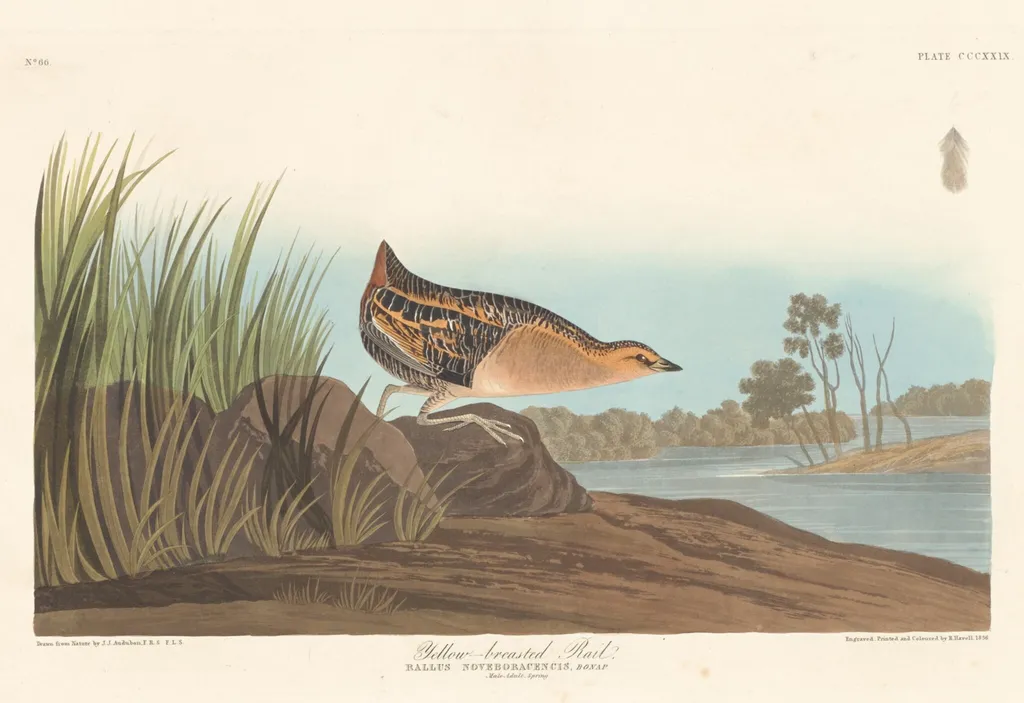
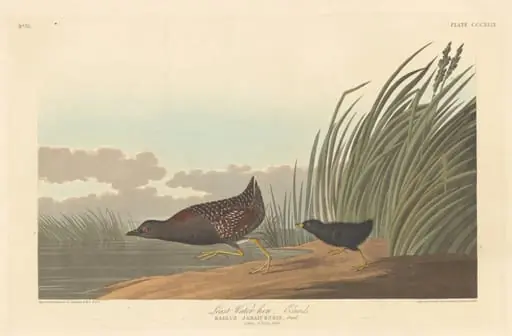
Yellow-breasted Rail is an ink print by the Romanticist artist Robert Havell Jr.. It dates from 1836 and is held in the collection of the National Gallery of Art.
About this work
Overview
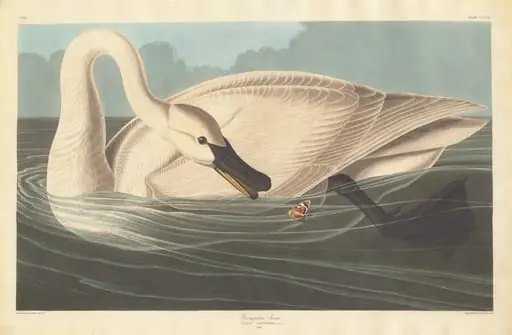
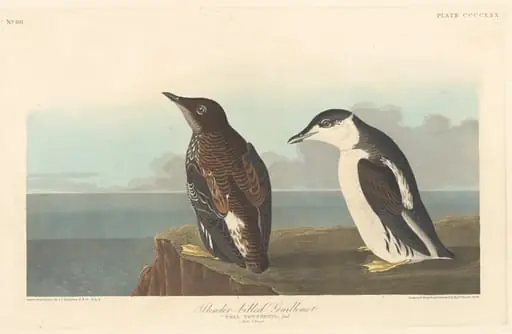
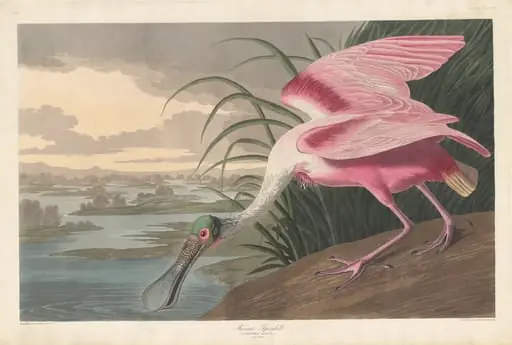
Yellow-breasted Rail is a hand-colored engraving and aquatint print created by Robert Havell Jr. in 1836 on Whatman wove paper. It showcases the artist's and his family's technical proficiency, particularly in aquatint, alongside their interest in Indian art and culture.
Subject & Meaning
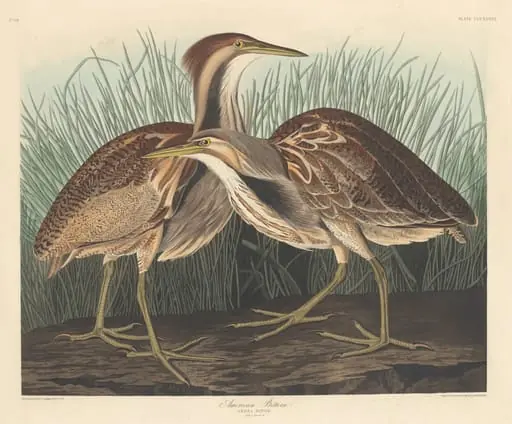
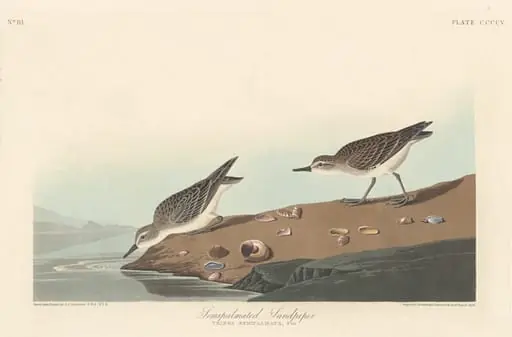
The print features a detailed depiction of a Yellow-breasted Rail bird perched on a rock near water, surrounded by reeds, a serene lake, and trees. The subject is rendered from life, emphasizing naturalistic observation.
Technique & Style
Havell Jr. utilized aquatint to achieve nuanced tonal gradations, complemented by hand-coloring. Fine lines were employed to convey texture in feathers, grass, and other elements, resulting in a highly detailed image.
History & Provenance
Robert Havell Jr. followed in his family's artistic tradition, with his father (Robert Havell the Elder) and uncle (Luke Havell) influencing his work. The piece reflects the family's established expertise in engraving and aquatint techniques.
Context
While the broader cultural context of 'Yellow-breasted Rail' is rooted in the Havell family's engagement with Indian art and culture, specific details about its exhibition history or direct cultural influences are not provided.
Legacy
The legacy of 'Yellow-breasted Rail' lies in its demonstration of the Havell family's technical skill in aquatint and engraving during the 19th century, though its individual impact on the broader art historical canon is not explicitly outlined.
Artist & collection

Artist
The Havell family of Reading, Berkshire, England, included a number of notable engravers, etchers and painters, as well as writers, publishers, educators, and musicians.