Artwork
The Last Judgment
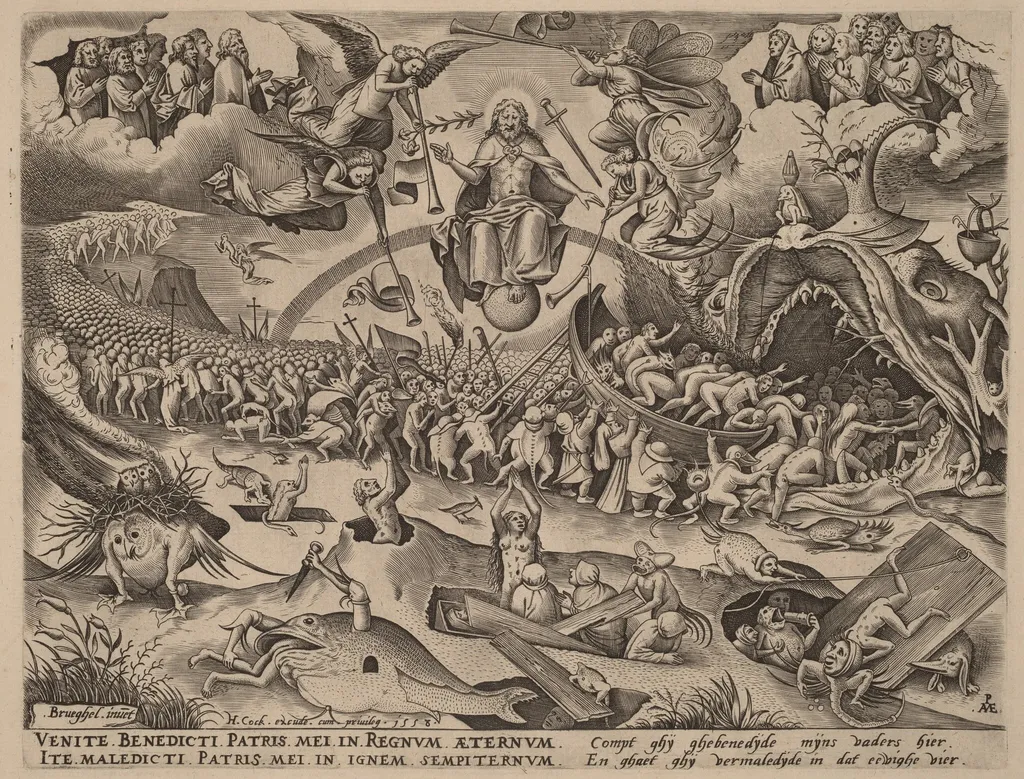
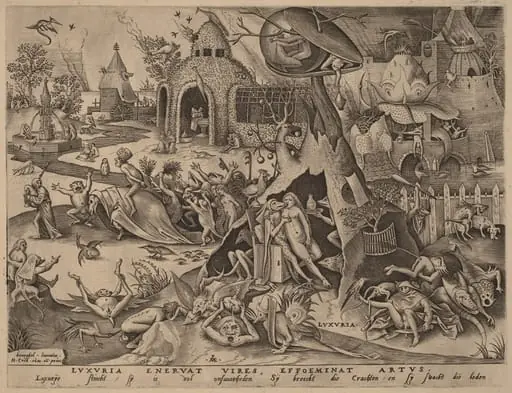
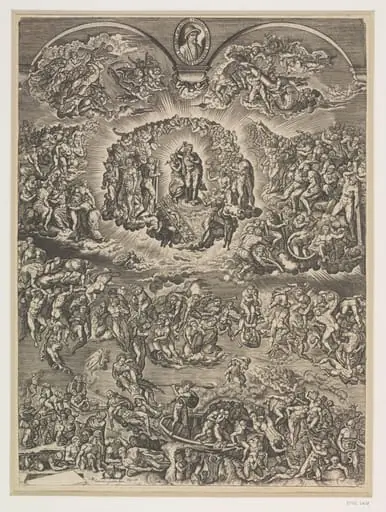
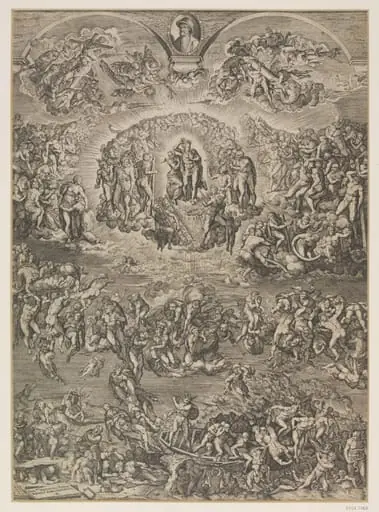
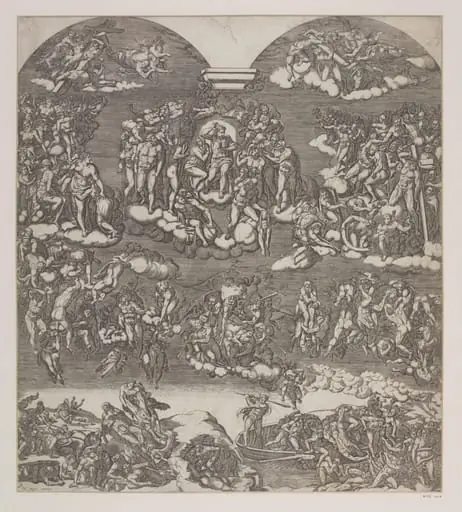
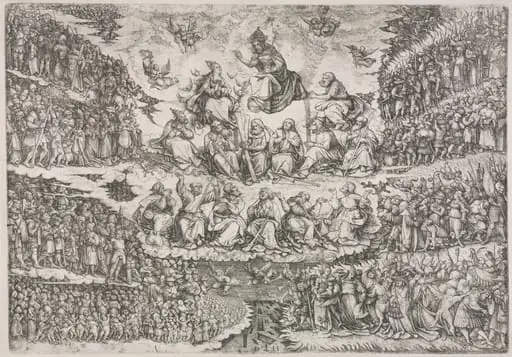
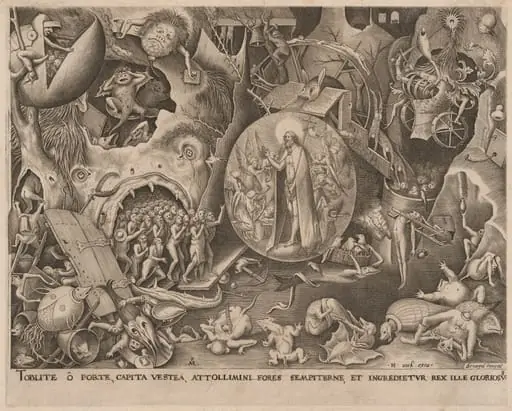
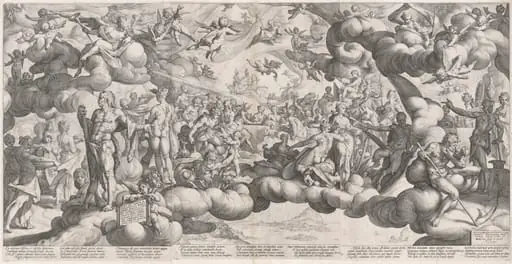
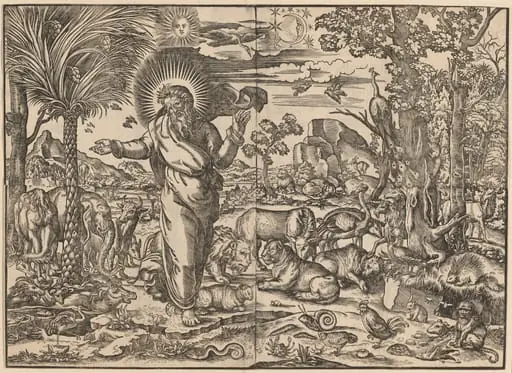
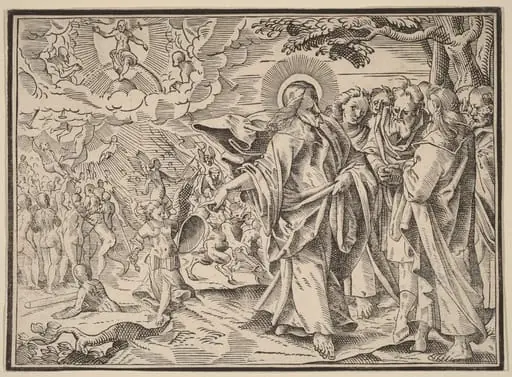
The Last Judgment is an ink print by the Renaissance artist Pieter van der Heyden. It dates from 1558 and is held in the collection of the National Gallery of Art.
About this work
Overview
Pieter van der Heyden’s 1558 engraving, titled *The Last Judgment*, presents a densely populated biblical tableau on laid paper. The composition divides the celestial and infernal realms, with figures ascending toward a crucifix‑bearing central figure and others descending into a fiery abyss, all framed by turbulent clouds and a host of angels and demons.
Subject & Meaning
The print visualizes the Christian eschatological moment when souls are judged, separating the blessed from the damned. A Latin inscription at the bottom reinforces this dichotomy, urging the saved toward an eternal kingdom and condemning the cursed to perpetual fire, a conventional moralizing device in Reformation‑era devotional art.
Technique & Style
Executed with fine, linear engraving, the work exemplifies the meticulous draughtsmanship of mid‑16th‑century Flemish printmakers. Van der Heyden employed cross‑hatching and varied line weight to model crowded figures, atmospheric clouds, and the contrasting textures of heaven’s light and hell’s flame, achieving depth within the constraints of a monochrome medium.
History & Provenance
Van der Heyden, known for reproducing the designs of leading Flemish painters, created this print during a period when engraving functioned as a primary vehicle for circulating religious imagery across Europe. The original impression remains in several museum collections, reflecting its role in the broader distribution of theological narratives.
Context
The engraving emerged amid the Counter‑Reformation’s emphasis on didactic visual culture. By rendering a vivid, moralizing scene accessible to a literate and illiterate audience alike, it contributed to the era’s efforts to reinforce doctrinal teachings through reproducible art forms.
Artist & collection

Artist
Pieter van der Heyden (c. 1530 - after March 1572) was a Flemish printmaker who is known for his reproductive engravings after works by leading Flemish painters and designers of the 16th century.