Artwork
The Passion: Pilate Washing his Hands
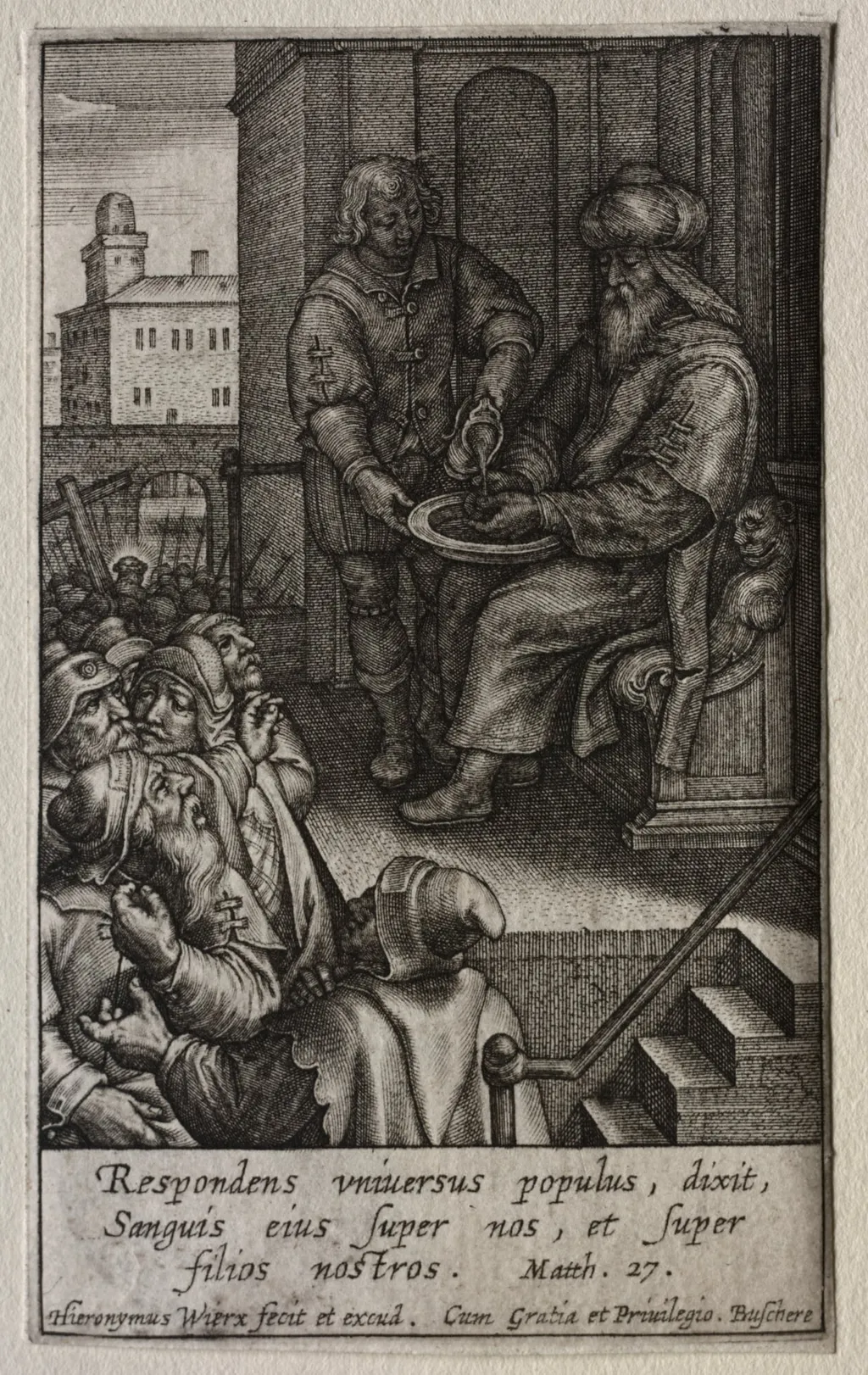
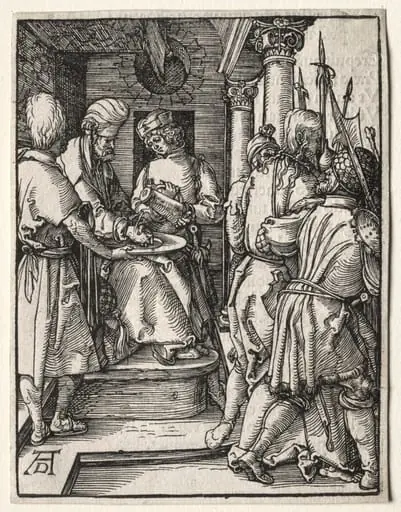
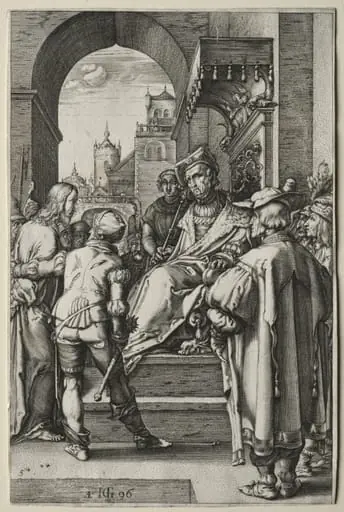
The Passion: Pilate Washing his Hands is a print by the Baroque artist Hieronymus Wierix. It dates from 1619 and is held in the collection of the Cleveland Museum of Art.
About this work
Overview
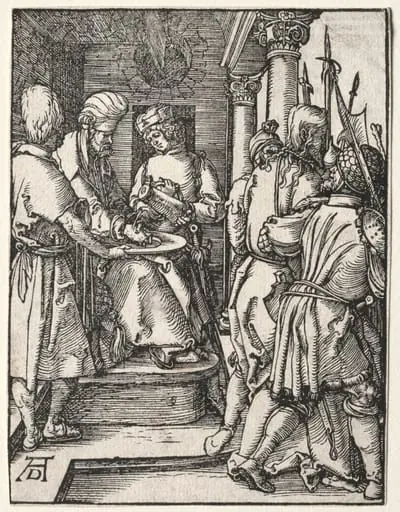
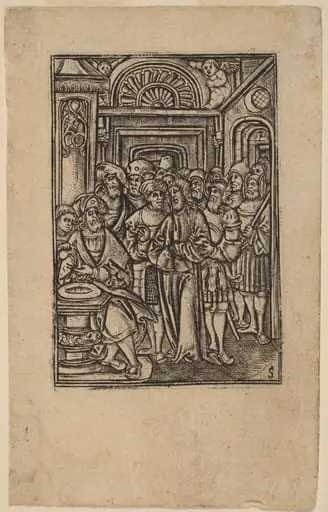
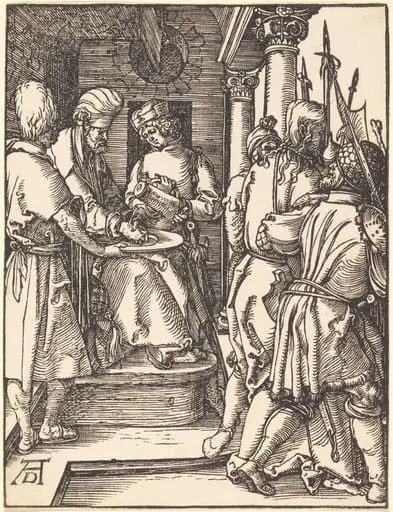
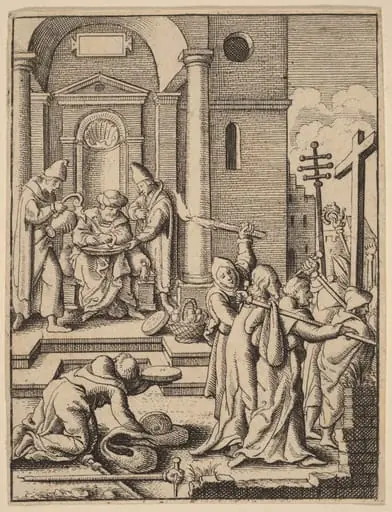
The Passion: Pilate Washing his Hands is a 1619 print by Hieronymus Wierix, currently part of The Cleveland Museum of Art's collection. The work depicts a pivotal, emotionally charged moment from the Passion narrative.
Subject & Meaning
The print illustrates the biblical scene where Pontius Pilate washes his hands, symbolically disclaiming responsibility for Jesus' fate. Four figures are present: Pilate, a servant with a tray, and two onlookers—one anxious, the other holding a scroll—underscoring the drama and moral weight of the act.
Technique & Style
Wierix employed strong chiaroscuro, contrasting light and dark to draw focus to the central figures, enhancing the scene's tension and emotional depth.
History & Provenance
Created in 1619, the print is now housed at The Cleveland Museum of Art, though its history prior to acquisition is not detailed here.
Context
The scene is rooted in the New Testament account of Pilate's attempt to absolve himself of guilt in Jesus' condemnation. The inclusion of a background crowd through a window suggests the broader public implications of the event.
Legacy
While specific influences or impacts of this particular print are not highlighted, it contributes to the broader artistic tradition of depicting the Passion, a central theme in Western religious art.
Artist & collection

Artist
Hieronymus Wierix (1553–1619) was a Flemish engraver, draughtsman and publisher. He is known for his reproductive engravings after the work of well-known local and foreign artists including Albrecht Dürer. Together with…