Artwork
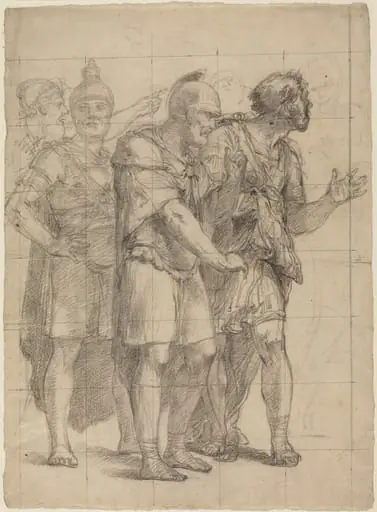
Two Standing Figures (Study for the Left Section of The Mission of the Apostles)
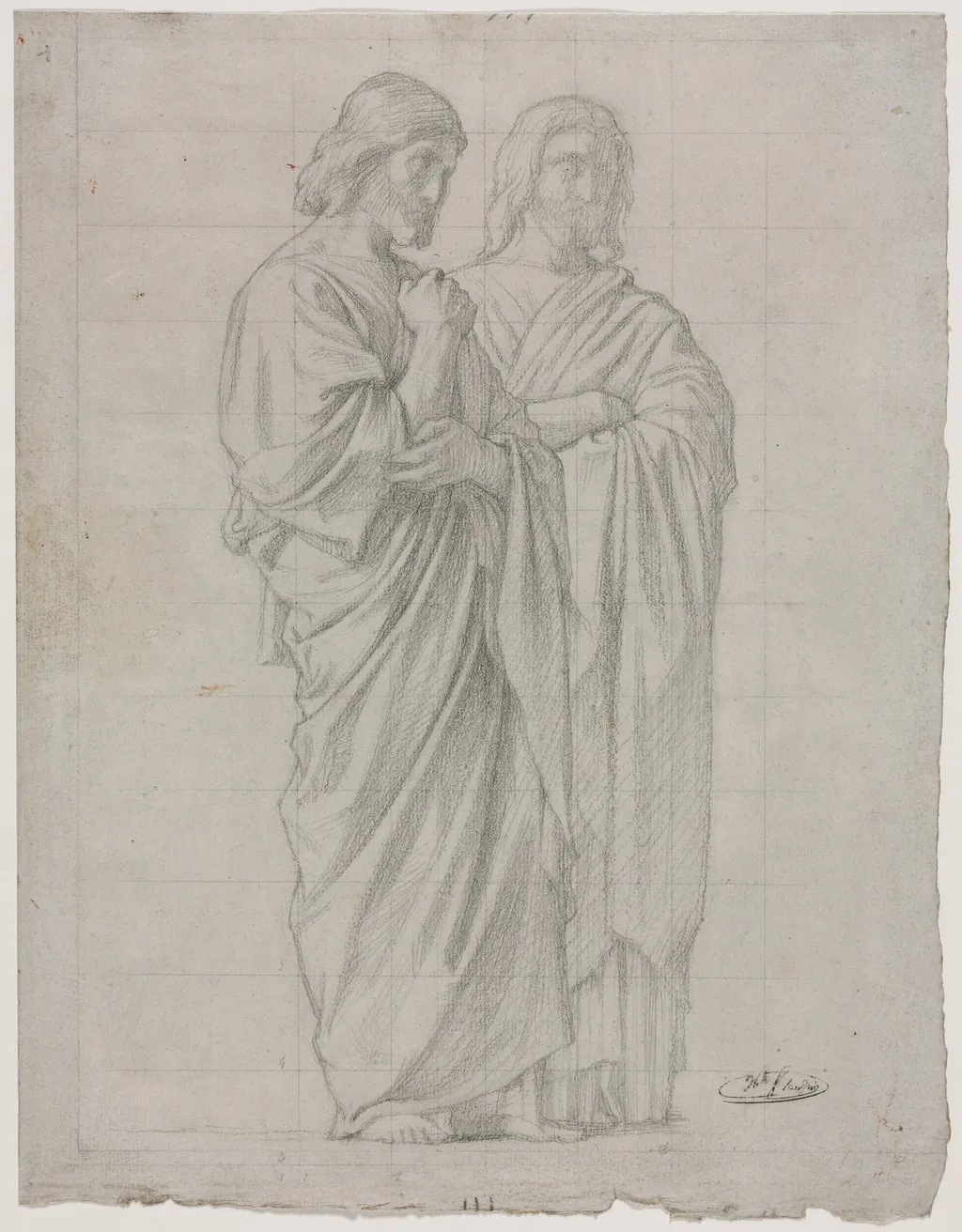
Two Standing Figures (Study for the Left Section of The Mission of the Apostles) is a drawing by the Impressionist artist Hippolyte Flandrin. It dates from 1860 and is held in the collection of the Cleveland Museum of Art.
About this work
Overview
Two Standing Figures is a drawing by Hippolyte Jean Flandrin, created in 1860 as a preparatory study for a larger work, The Mission of the Apostles. The piece features two robed, somber-faced men in close proximity, characterized by loose, quick rendering and soft shading.
Subject & Meaning
The subject depicts two serious, robed male figures standing together, likely apostles given the intended larger work's title. Their somber expressions and poised hand placements convey a sense of contemplation or solemnity, fitting for a religious composition.
Technique & Style
Flandrin employed a restrained Neoclassical style with emphasis on chiaroscuro, achieving a near three-dimensional effect through the nuanced depiction of light falling across the figures' garments. The drawing's loose execution and soft-edged shading further emphasize the interplay of light and shadow.
History & Provenance
Created in 1860, this study reflects Flandrin's methodical approach to figural composition, preceding the final work, The Mission of the Apostles. Specific provenance details are not provided, but it is known to be a preparatory work for the mentioned larger piece.
Context
Within Flandrin's oeuvre, this work aligns with his Neoclassical tendencies, as seen in earlier pieces like Jeune Homme Nu Assis au Bord de la Mer (1836), now in the Louvre. It demonstrates his continued focus on classical representation and lighting techniques in religious themes.
Artist & collection
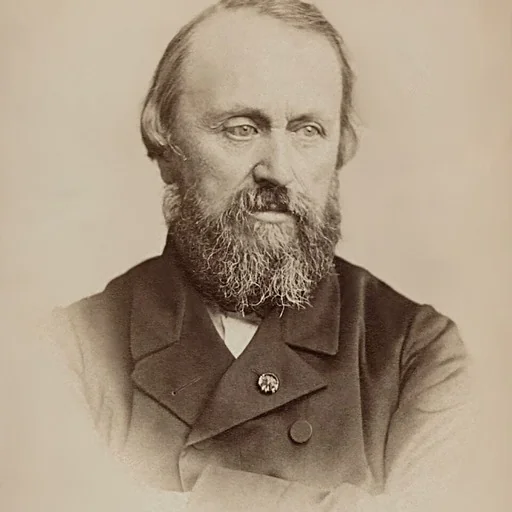
Artist
Jean-Hippolyte Flandrin (23 March 1809 – 21 March 1864) was a French Neoclassical painter. His most celebrated work, Jeune Homme Nu Assis au Bord de la Mer (1836) is held in the Louvre.

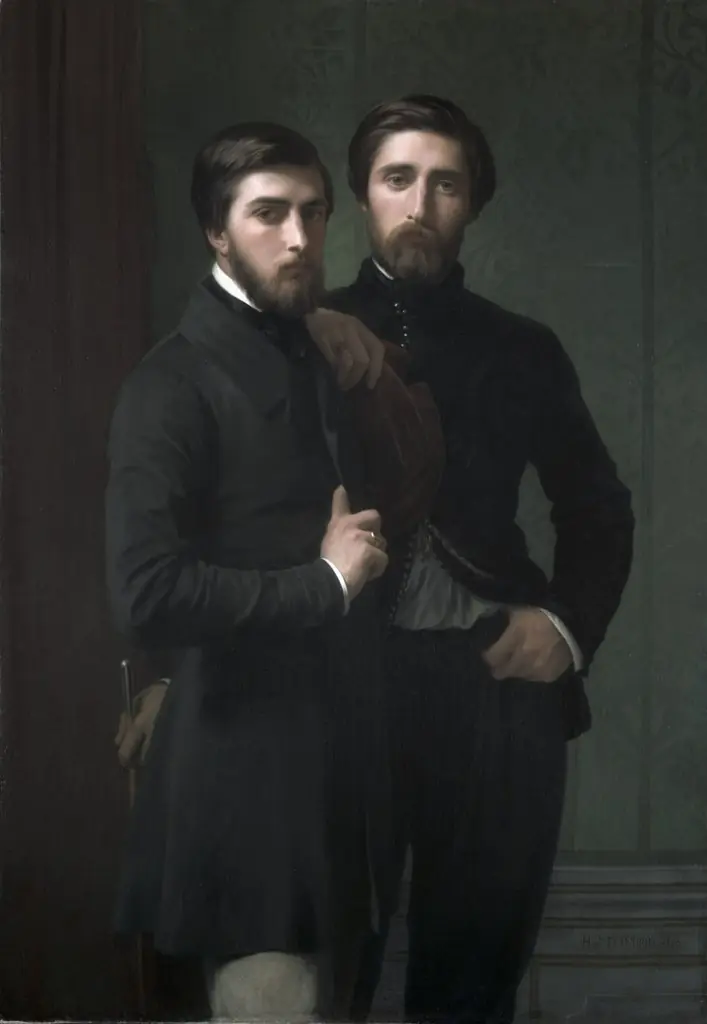 René-Charles Dassy and His Brother Jean-Baptiste-Claude-Amédé Dassy
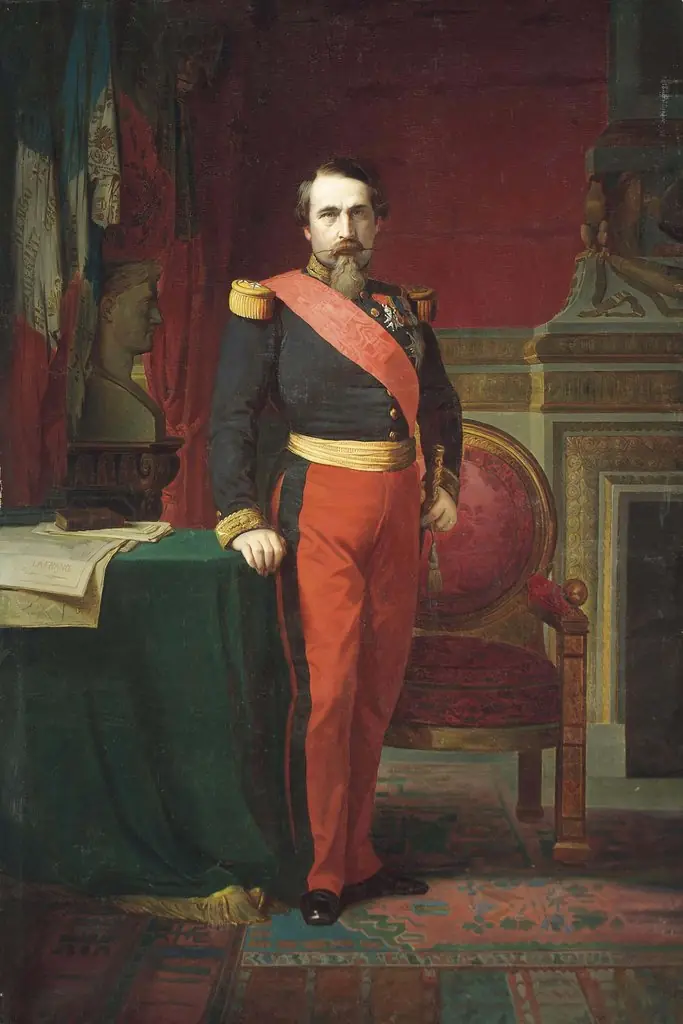 Portrait of Napoleon III
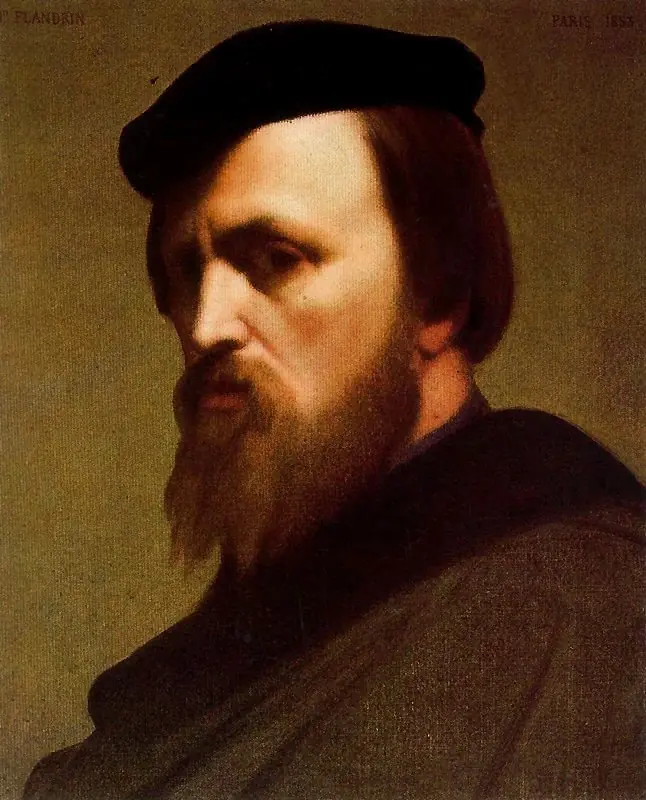 Self-portrait
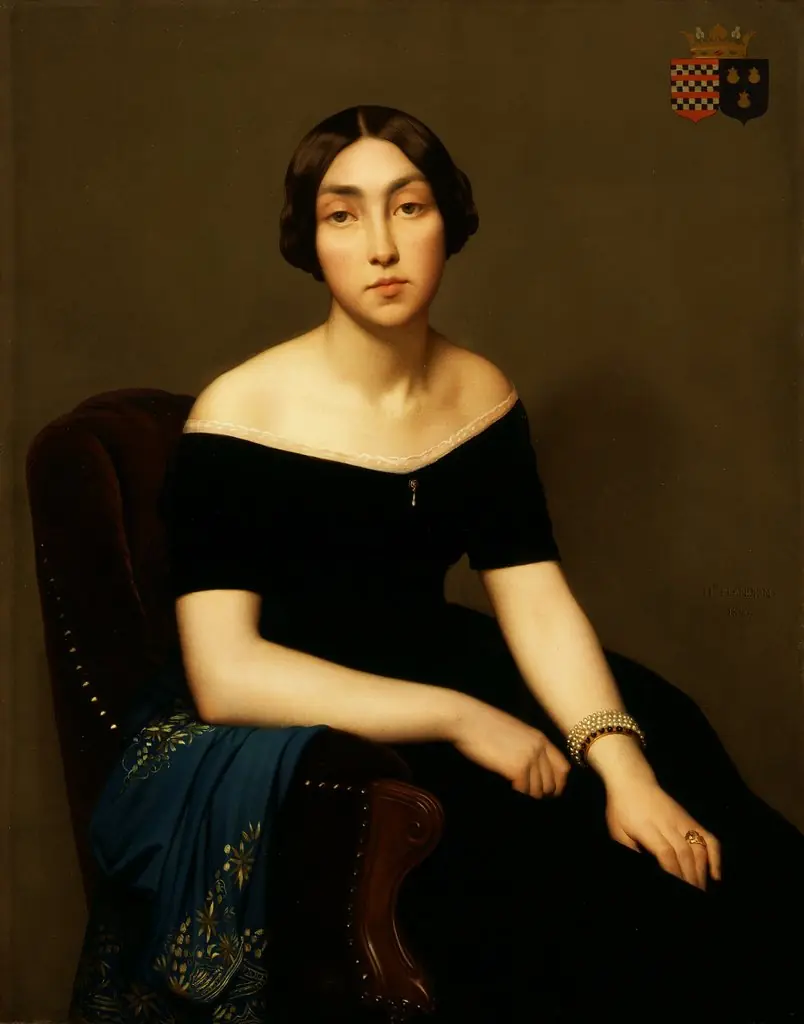 Madame Louis Antoine de Cambourg
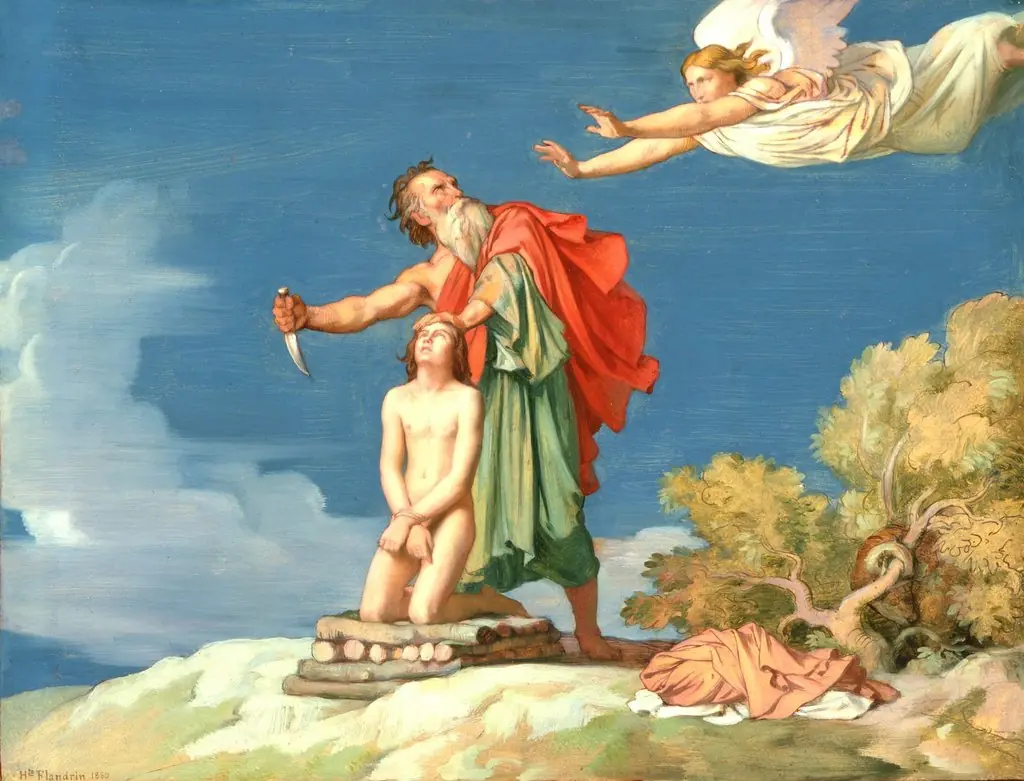 The Sacrifice of Isaac
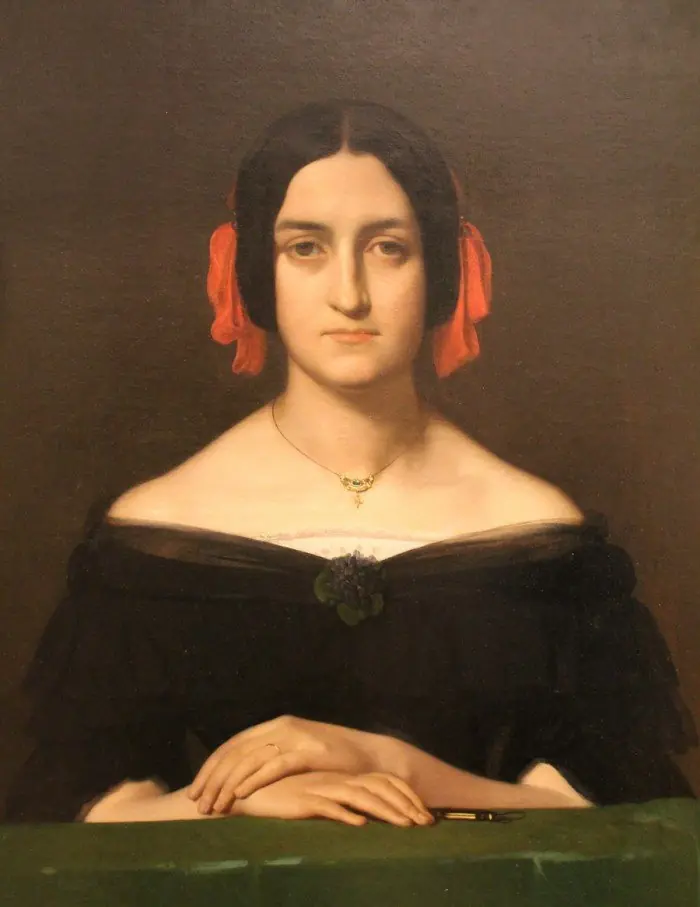 Portrait de Madame Oudiné
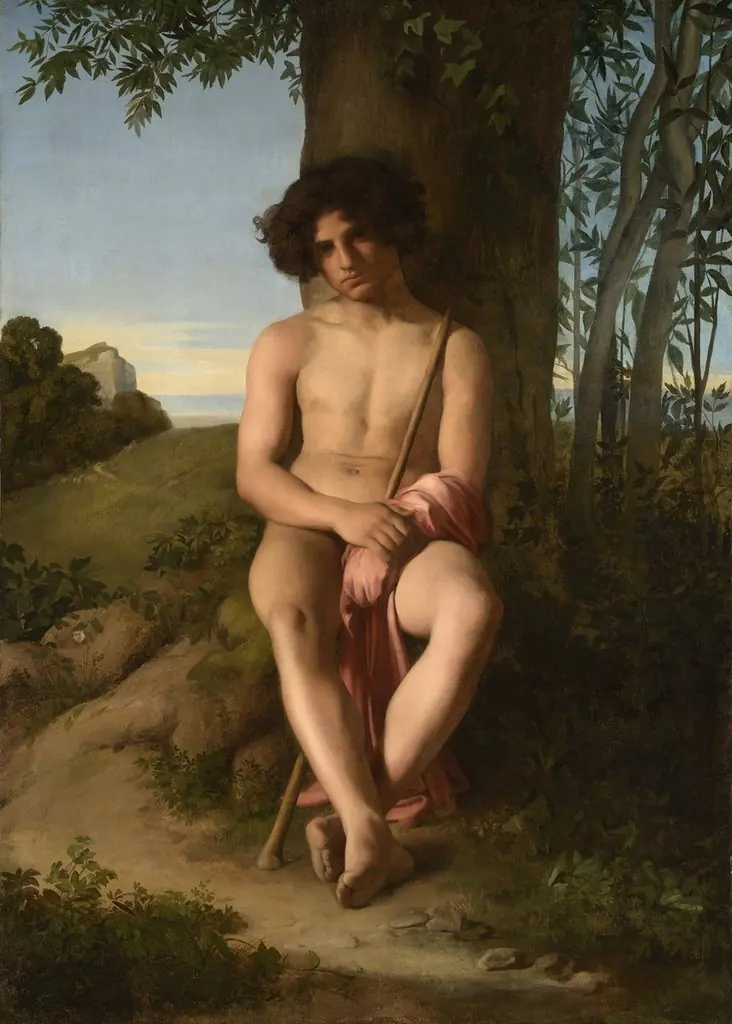 Seated Young Shepherd
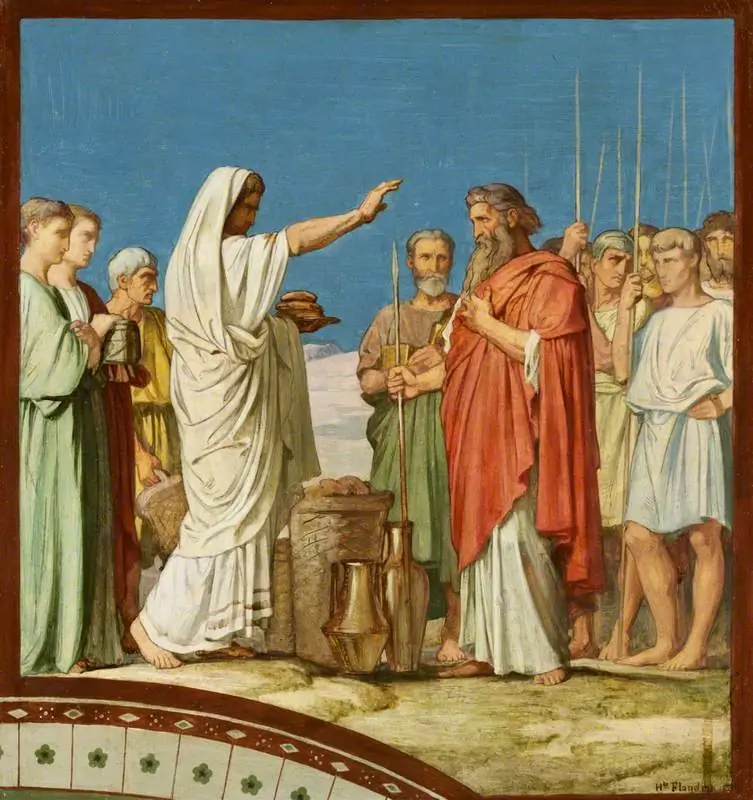 Melchisédech offrant du pain et du vin, bénit Abraham: Modello for the Fresco in the left nave of Saint-Germain-des-Prés, Paris, 1859 (Melchizedek Blesses Abraham and Offers Bread and Wine)
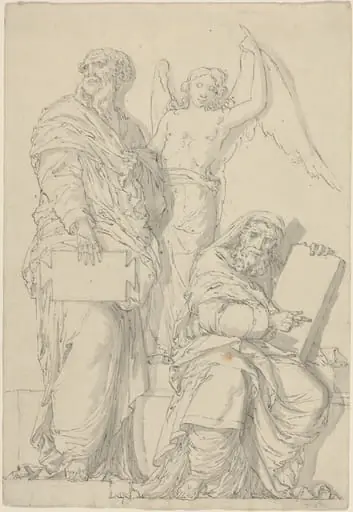 The Prophets Hosea and Jonah
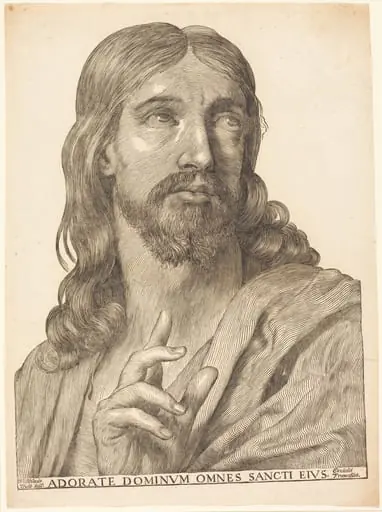 Christ in Half-Length
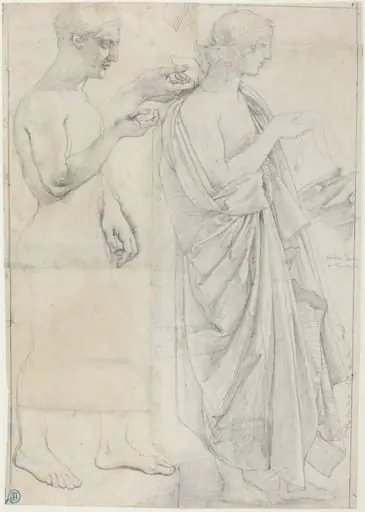 Two Studies of Virgil
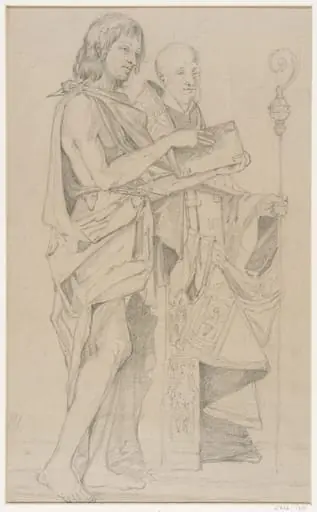 St. Nazzaro and St. Celso: study of part of an altarpiece by Bartolommeo Montagna
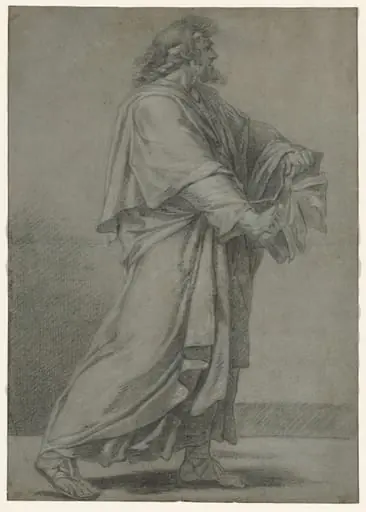 Man Destroying Book
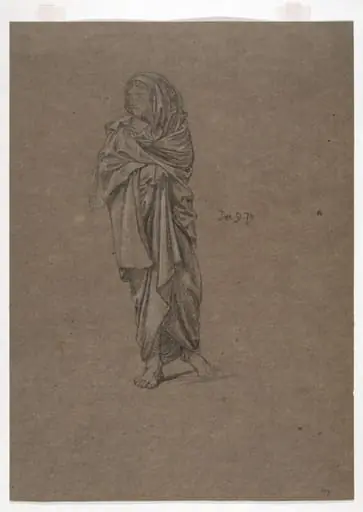 December
 Four Standing Warriors
 The Risen Christ Between Saints Andrew and Longinus
 An Elderly Man in Classical Drapery
 Two Monks Seated in a Church
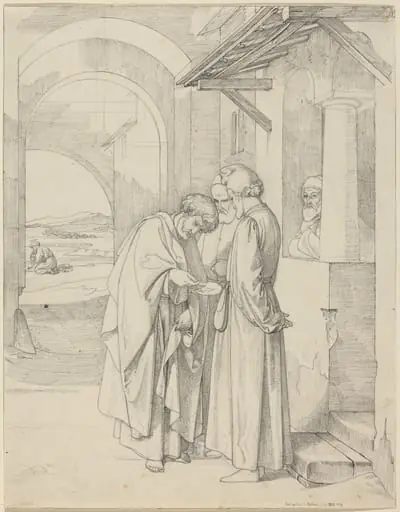 Peter Paying the Temple Tax
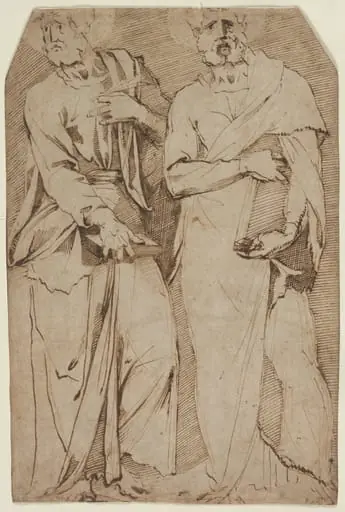 Two Standing Saints