Artwork
Scholars at a Lecture
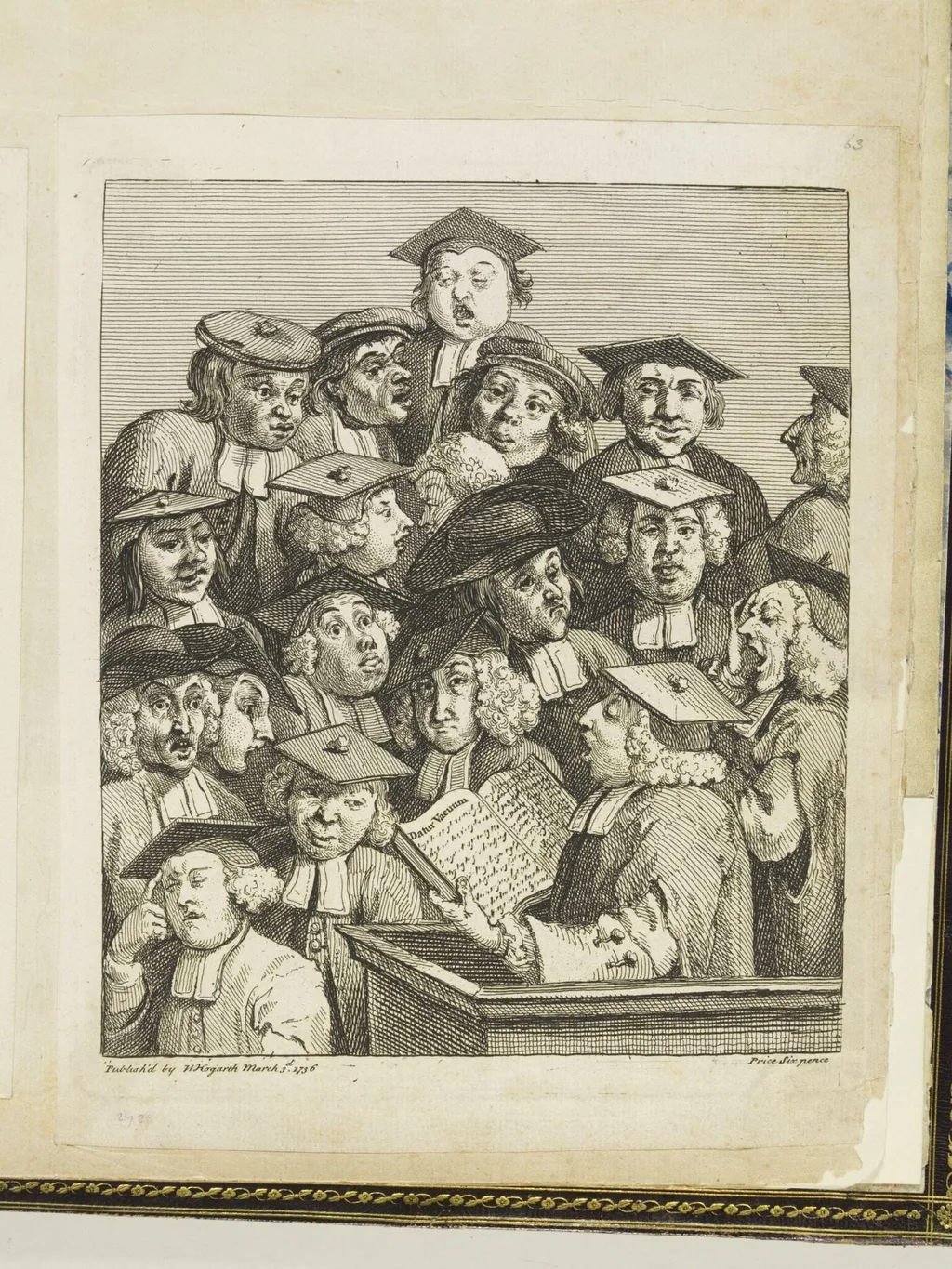
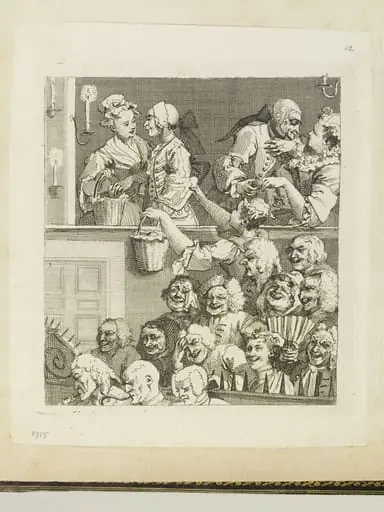
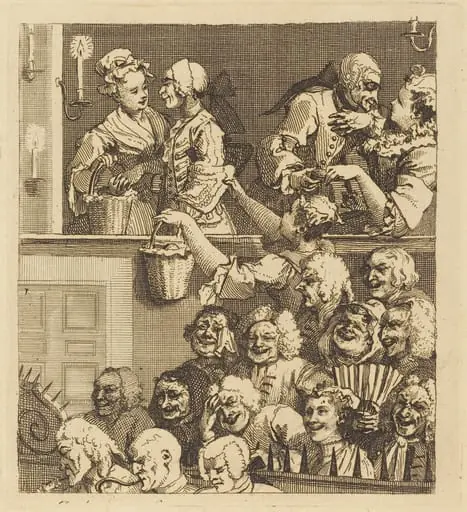
Scholars at a Lecture is a print by William Hogarth. It dates from 1750 and is held in the collection of the Victoria and Albert Museum.
About this work
Overview
The composition emphasizes the crowded, intimate setting, with each figure rendered individually despite the dense arrangement.
Created in 1750 by William Hogarth, this black-and-white print captures a gathering of scholars attending a lecture. Rendered on paper with fine, precise lines, the scene presents a tightly packed interior filled with men in period attire. The composition emphasizes the crowded, intimate setting, with each figure rendered individually despite the dense arrangement. A Latin inscription, 'Datur vacuum,' appears in the background, hinting at the theme of intellectual emptiness.
Subject & Meaning
The scene portrays an academic lecture, but the scholars' varied expressions suggest disengagement rather than attentiveness. Some appear drowsy, others startled or distracted, while a few sing from sheet music, implying the lecture has devolved into chaos. The Latin phrase 'Datur vacuum'—'a vacuum is permitted'—ironically underscores the absence of meaningful learning, critiquing the performative nature of scholarly ritual.
Technique & Style
Hogarth employed sharp, incised lines typical of engraved prints to define each figure with clarity, even within the crowded composition. The monochrome palette enhances the contrast between light and shadow, drawing attention to facial expressions and gestures. The meticulous detailing of hats, robes, and postures reflects a commitment to observational realism, characteristic of Hogarth’s satirical approach to social behavior.
History & Provenance
Produced in 1750, the print was part of Hogarth’s broader series examining contemporary institutions. It circulated widely as a satirical commentary on academic life in 18th-century England. The work entered the Victoria and Albert Museum’s collection through established print acquisition practices of the 19th century, where it remains as part of a larger archive of British graphic satire.
Context
In mid-18th-century Britain, universities and learned societies were expanding, yet public skepticism grew about their intellectual rigor. Hogarth’s print reflects this tension, portraying scholarly rituals as hollow performances. Similar themes appear in his other works, which often targeted pretension in religion, law, and education, aligning this print with a broader cultural critique of institutional life.
Legacy
The print endures as a documented example of Hogarth’s skill in using graphic art to convey social commentary. It influenced later satirical illustrators who adopted his method of combining detailed realism with ironic narrative. Though not widely exhibited today, it remains a reference point in studies of Enlightenment-era visual satire and the representation of intellectual culture.
Artist & collection
Artist
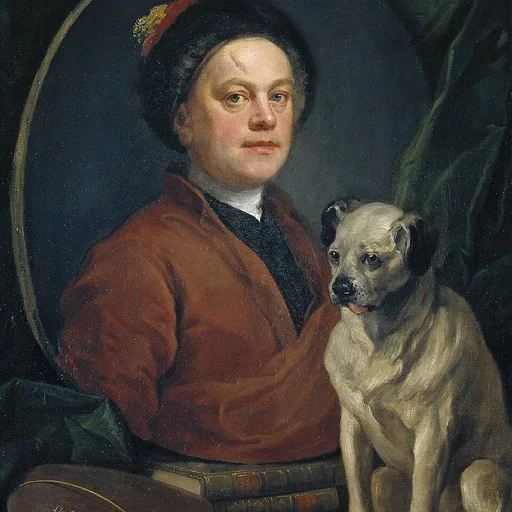
William Hogarth (; 10 November 1697 – 26 October 1764) was an English painter, engraver, satirist, cartoonist and writer.

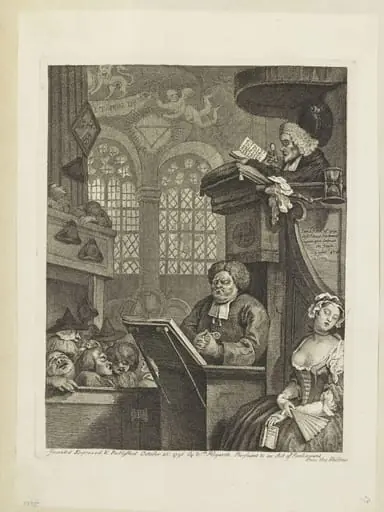 The Sleeping Congregation
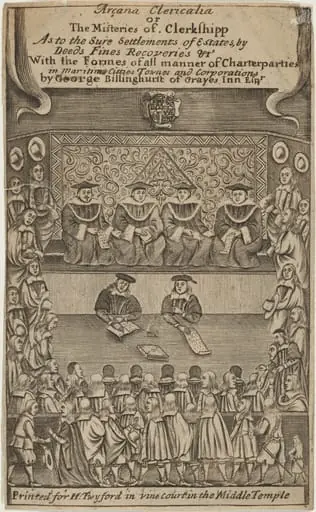 Title Page to Arcana Clericalia or the Misteries of Clerkshipp by George Billinghurst
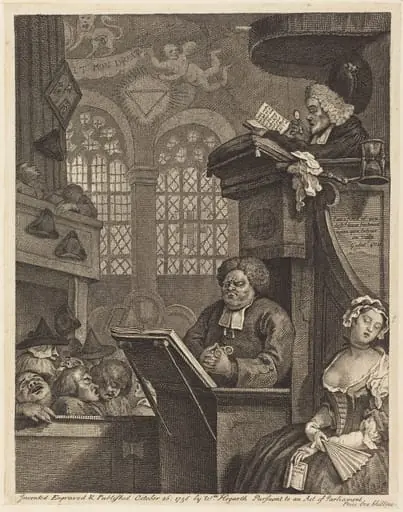 The Sleeping Congregation
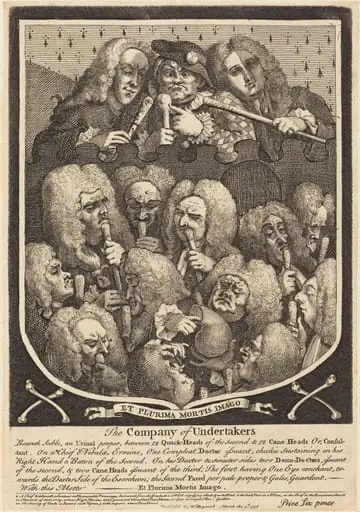 The Company of Undertakers
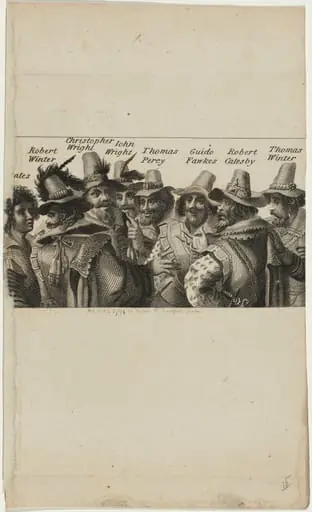 Figures in Gunpowder Plot
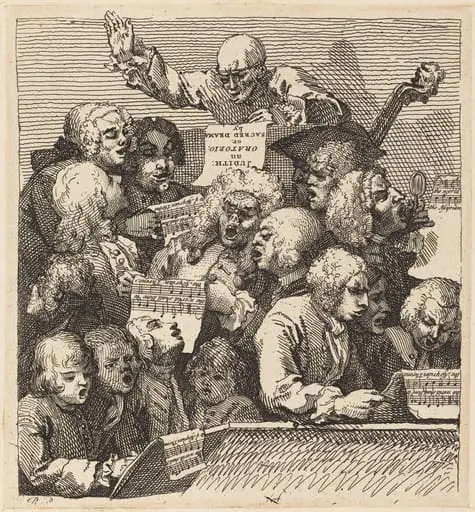 A Chorus of Singers
 The Laughing Audience
 H Beard Print Collection
 Costumes of the Men of the Reformed Church
 The Laughing Audience