Artwork
George Wither
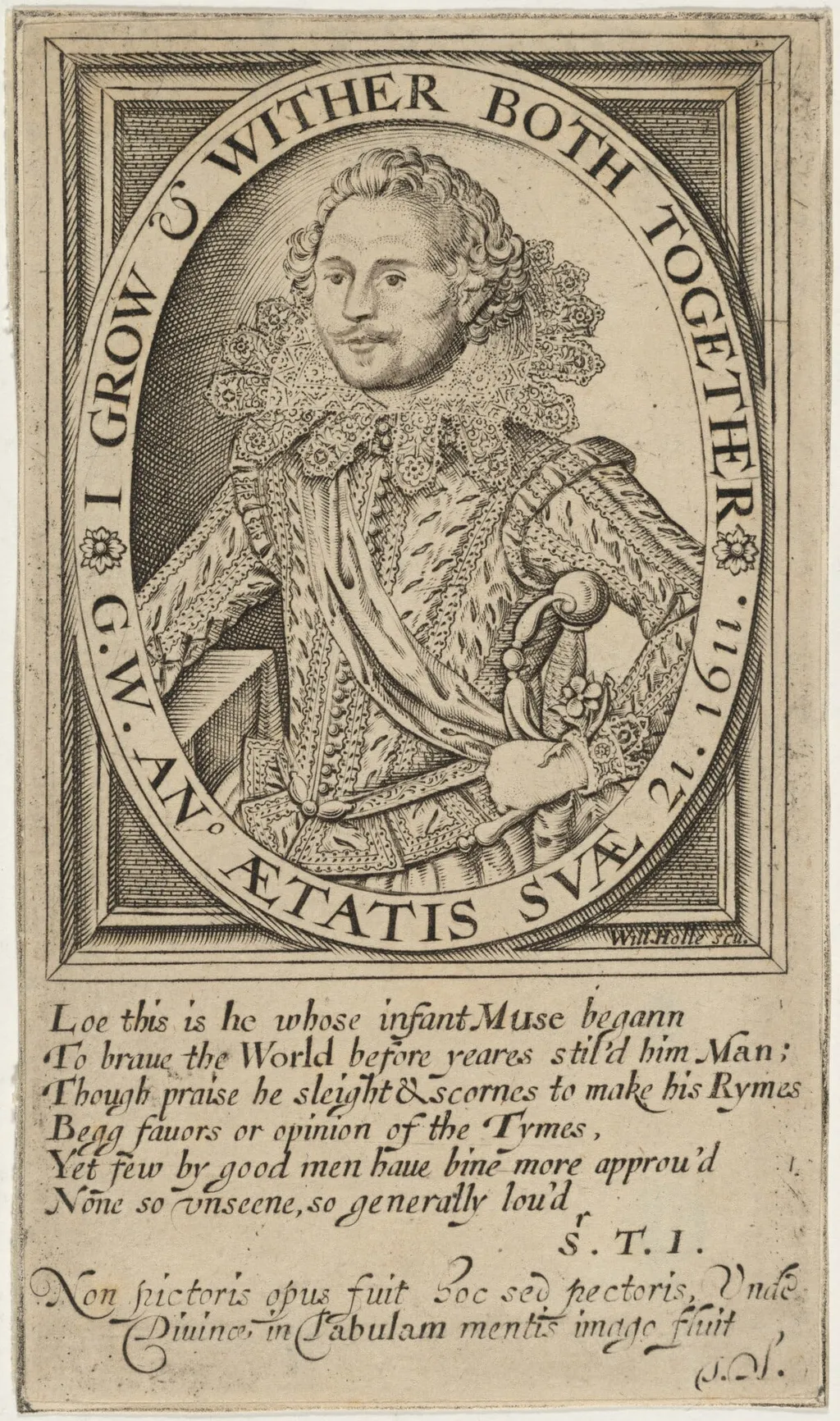
George Wither is an ink print by the Baroque artist William Hole. It dates from 1613 and is held in the collection of the National Gallery of Art.
About this work
Overview
William Hole’s 1613 engraving presents the poet George Wither in a formal pose. Rendered in black ink, the print shows Wither wearing a stiff, lace‑trimmed collar and a ruffled shirt, his hand clasping a scroll and a bundle of papers. A curved banner arches above his head, bearing the phrases “Grow I grow” and “Withers Sva.” The composition balances portraiture with textual elements.
Subject & Meaning
The portrait emphasizes Wither’s literary identity, as indicated by the scroll and accompanying verses that praise his work.
The portrait emphasizes Wither’s literary identity, as indicated by the scroll and accompanying verses that praise his work. The calm, measured expression suggests a dignified self‑presentation, while the banner’s motto alludes to growth and personal legacy, themes recurrent in Wither’s poetry. The inclusion of his name in Latinized form underscores the humanist conventions of early‑modern portraiture.
Technique & Style
Hole employs fine cross‑hatching to model the face, collar, and fabric, creating subtle gradations of tone through intersecting lines. The delicate shading conveys the texture of lace and the sheen of the ruffled shirt. The engraving’s linear precision and controlled use of negative space reflect the technical standards of early 17th‑century English printmaking.
History & Provenance
Created in 1613, the print was likely issued to commemorate Wither’s rising reputation as a poet and pamphleteer. While the original plate’s ownership record is sparse, surviving impressions have appeared in collections of early modern English portrait prints, indicating the work’s circulation among literary and artistic circles of the period.
Artist & collection

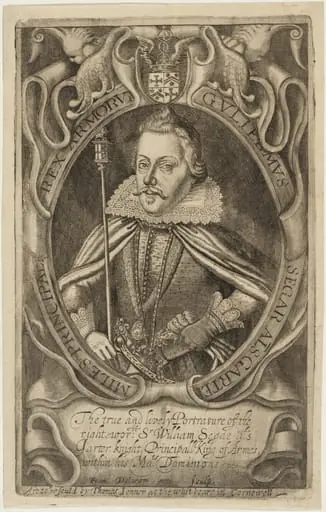 Guliemus Segar (Sir William Segar, Garter King of Arms)
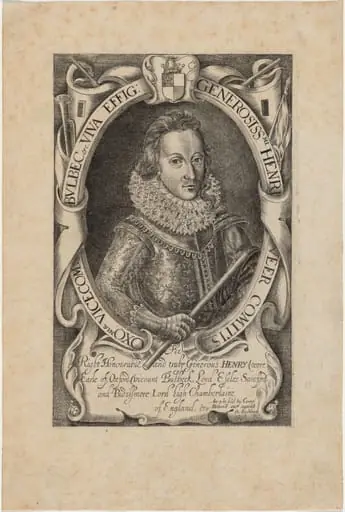 Henry de Vere, Eighteenth Earl of Oxford
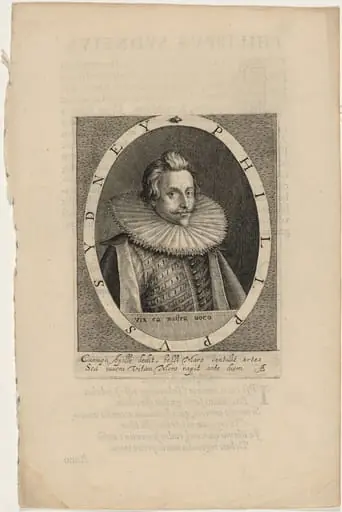 Sir Philip Sidney, Soldier and Poet
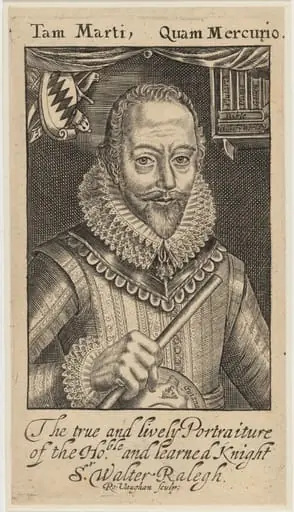 Sir Walter Raleigh
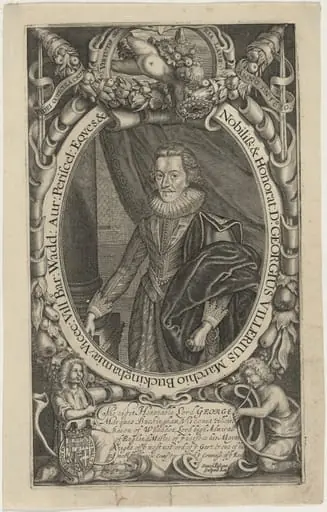 George Villiers, First Duke of Buckingham
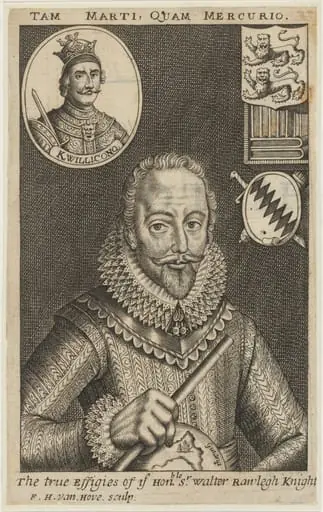 Sir Walter Raleigh
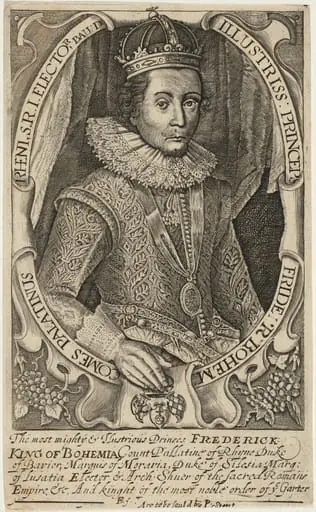 Frederick V, King of Bohemia
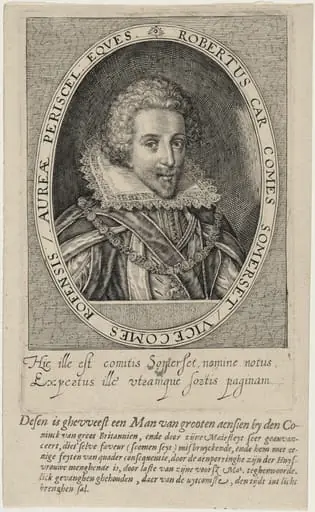 Robert Carr, Earl of Somerset
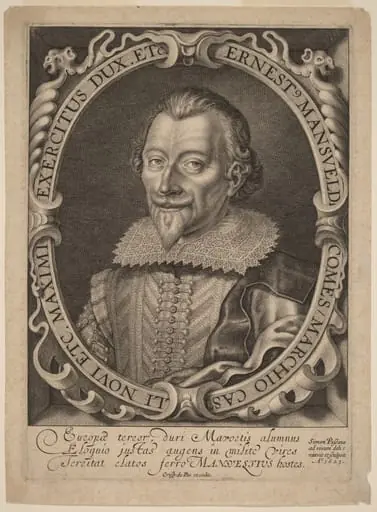 Count Ernest Mansfeld
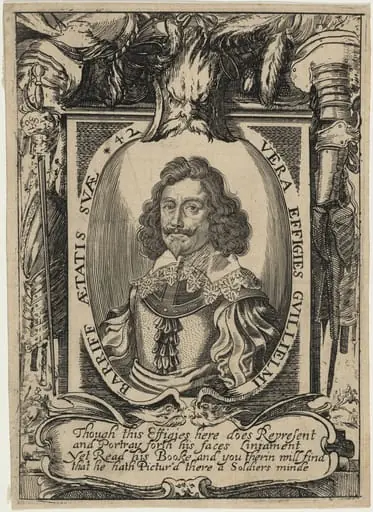 William Barriffe
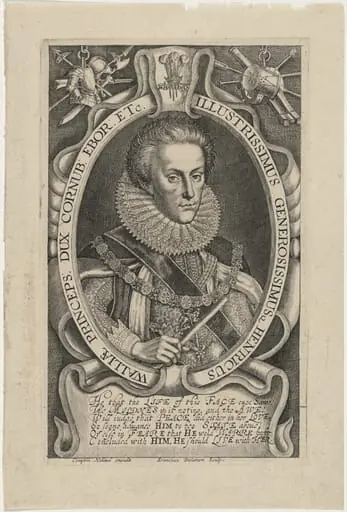 Henrici VIII Angliae, Franciae et Hiberniam Rex (King Henry VIII)