Artwork
Martin Billingsley
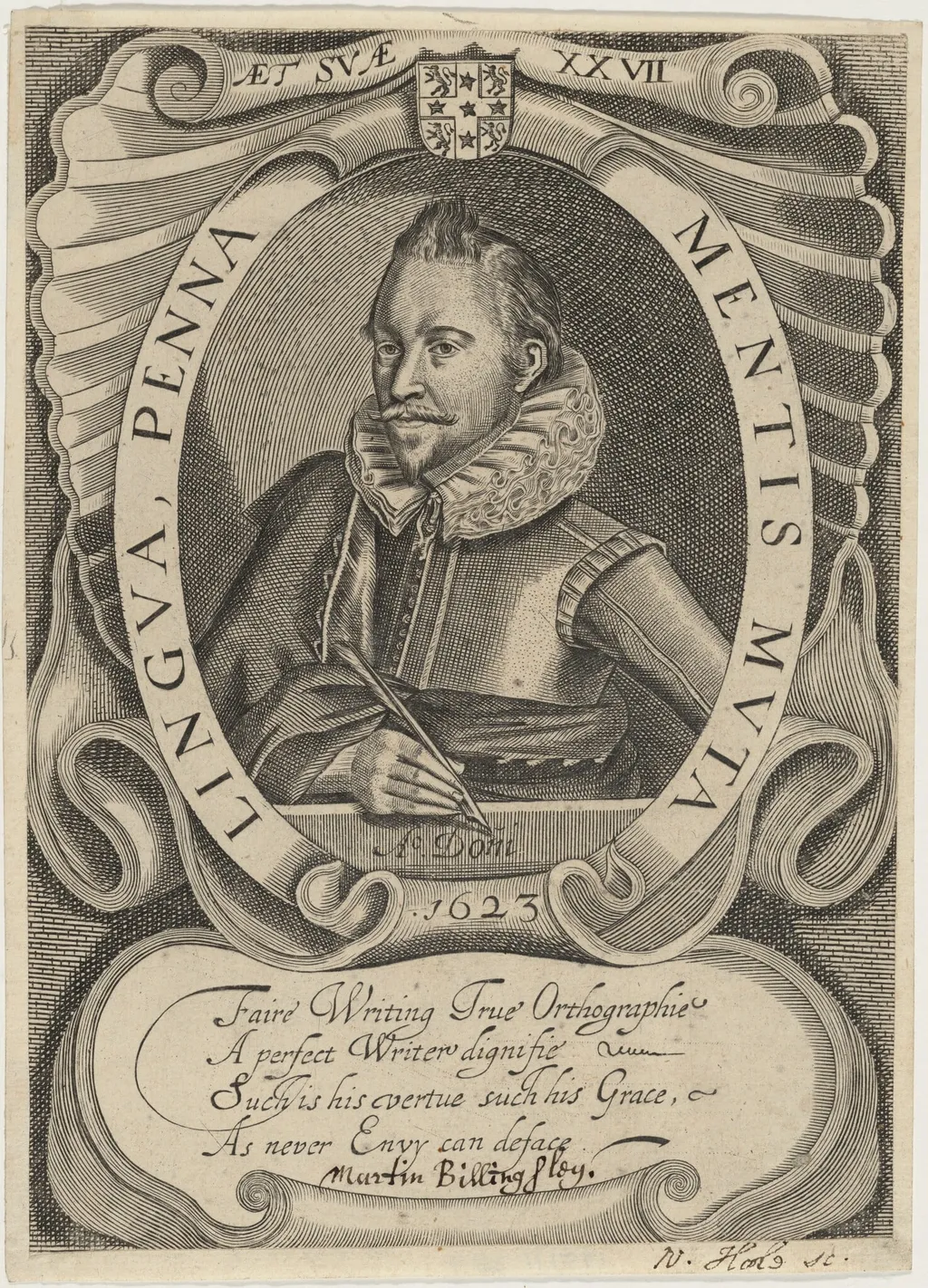
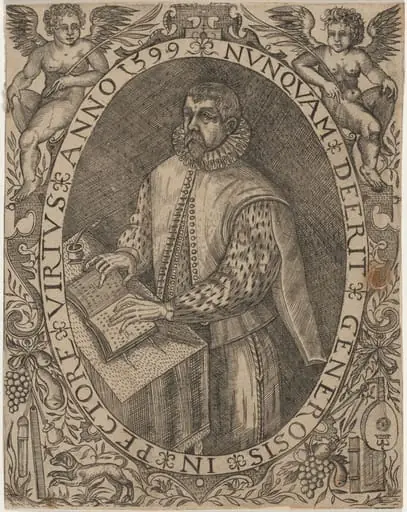
Martin Billingsley is an ink print by the Baroque artist William Hole. It dates from 1623 and is held in the collection of the National Gallery of Art.
About this work
Overview
Rendered in fine line work on paper, the portrait presents a formal, half-length view against a dark, unbroken background.
This 1623 engraving by William Hole depicts Martin Billingsley, a known writing master of the early 17th century. Rendered in fine line work on paper, the portrait presents a formal, half-length view against a dark, unbroken background. The subject is framed within an ornate oval border bearing inscriptions, though the text is difficult to decipher. The composition emphasizes precision and restraint, typical of engraved portraiture of the period.
Subject & Meaning
Martin Billingsley was a professional penman and author of instructional manuals on handwriting. The portrait captures him holding a quill, signaling his profession and intellectual authority. His somber expression and plain, dark attire reflect the Puritan-influenced values of the time, while the pen symbolizes literacy, discipline, and the cultural value placed on penmanship as a refined skill.
Technique & Style
Hole employed burin engraving, a method requiring meticulous incisions into a metal plate to create fine, controlled lines. The texture of the ruffled collar, the fall of fabric, and the subtle modeling of facial features demonstrate mastery of tonal gradation through line density. The absence of color and the use of high contrast enhance the portrait’s clarity and formal dignity, aligning with contemporary print conventions for scholarly figures.
History & Provenance
The engraving was produced in London in 1623, likely as part of a series documenting notable figures in the arts of writing and education. It was probably distributed alongside Billingsley’s published manuals, serving both as promotional material and a mark of professional legitimacy. No early ownership records are widely documented, but surviving impressions are held in institutional print collections.
Context
In early 17th-century England, handwriting was a critical component of education and social status. Writing masters like Billingsley occupied a respected niche, training clerks, merchants, and nobility in elegant script. Engravings of such figures were rare but valued as endorsements of expertise, reflecting a broader cultural emphasis on literacy and the visual representation of intellectual authority.
Legacy
Though Billingsley’s manuals are now largely historical curiosities, this engraving remains a tangible record of the profession’s prestige. It offers insight into how writing was visually codified as a disciplined art. The print’s survival in museum collections underscores its role as a document of early modern pedagogy and the intersection of craft, commerce, and education in print culture.
Artist & collection

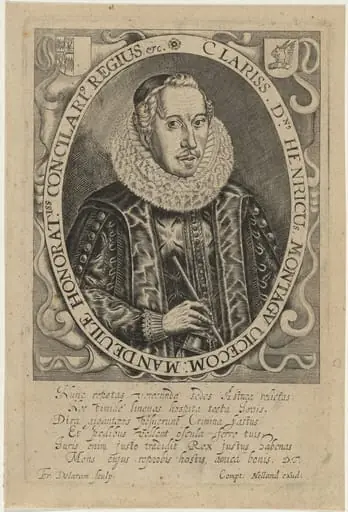 Henricus Montagu (Henry Montague, First Earl of Manchester)
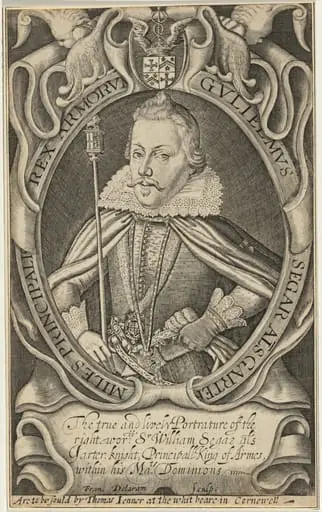 Guliemus Segar (Sir William Segar)
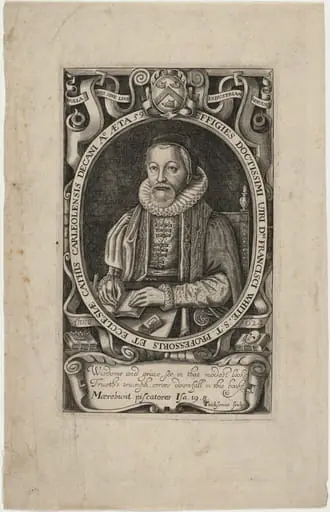 Francis White, Bishop of Ely
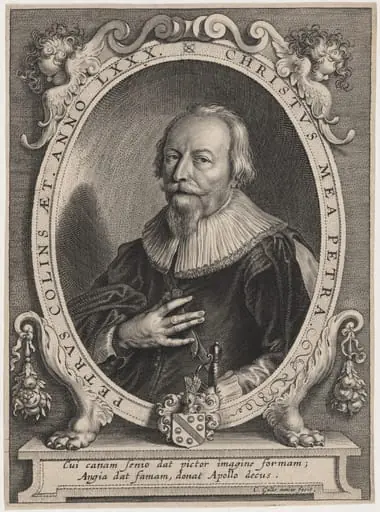 Petrus Collins
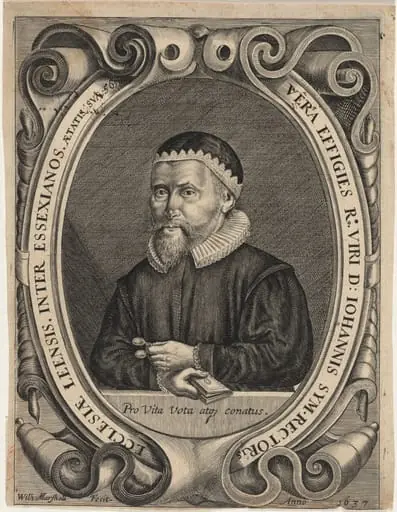 John Sym, Rector of Leigh and Essex
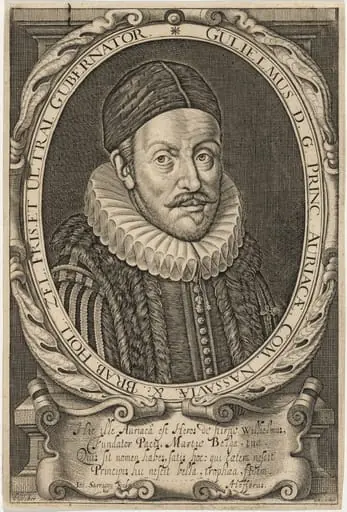 William I, Prince of Orange
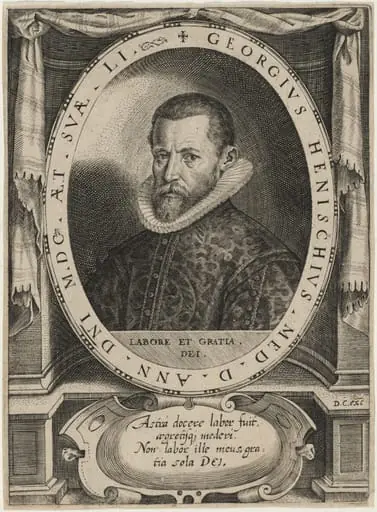 Georgius Henischius, Doctor of Medicine
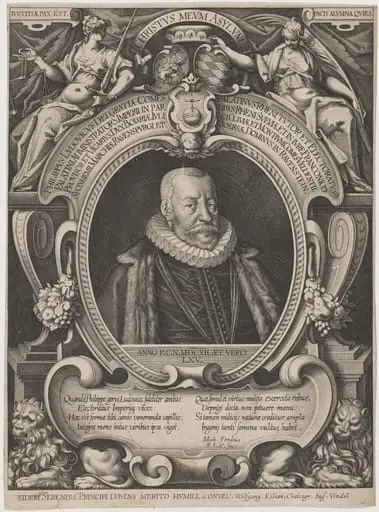 Philip Louis, Count Palatine
 John Dee (?)
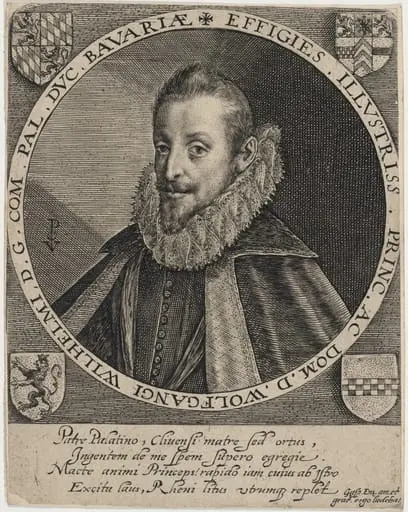 Wolfgang William, Count Palatine