Artwork
Michael Drayton
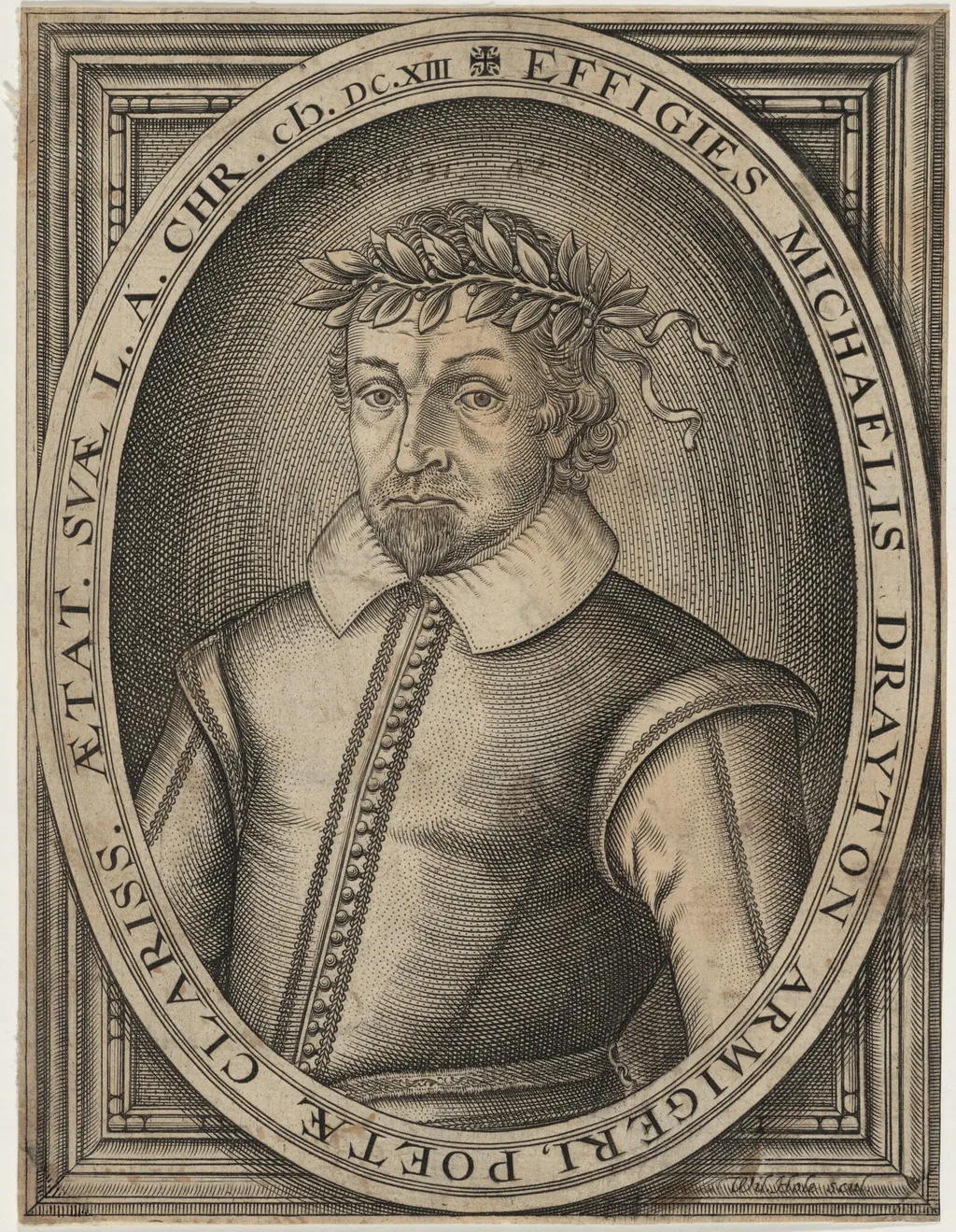
Michael Drayton is an ink print by the Baroque artist William Hole. It dates from 1619 and is held in the collection of the National Gallery of Art.
About this work
Overview
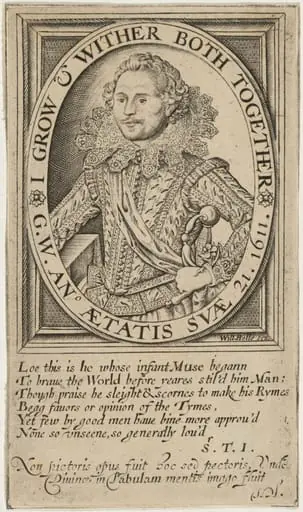
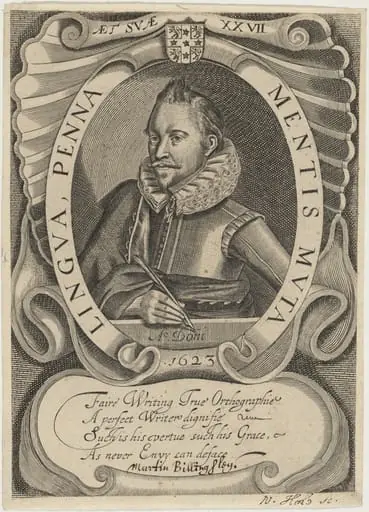
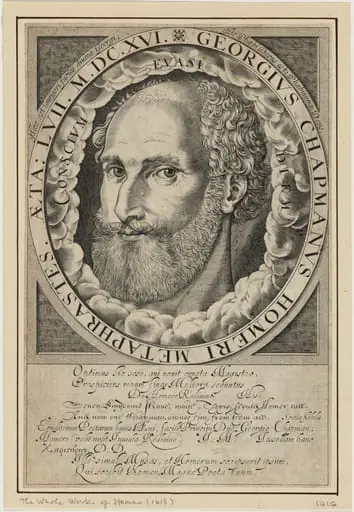
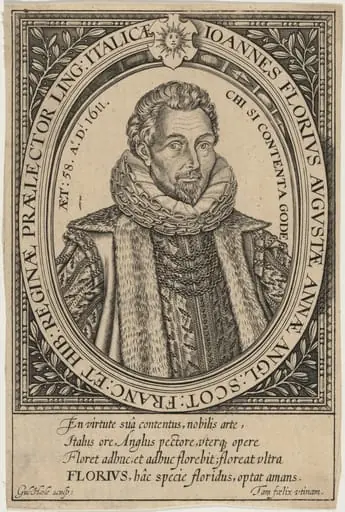
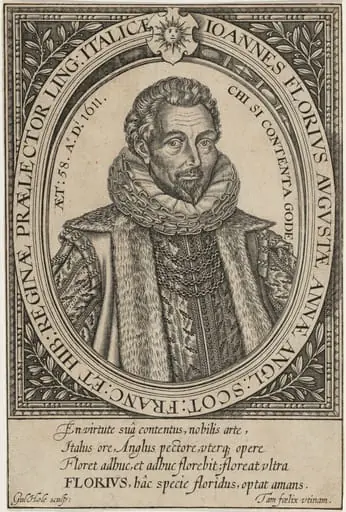
This 1619 engraving by William Hole depicts the English poet Michael Drayton. Rendered in monochrome, the portrait presents him in formal attire with a chain and laurel wreath, signaling scholarly or literary distinction. The image was produced using fine linear engraving techniques, typical of early 17th-century printmaking, where intricate hatching builds tone and texture without color.
Subject & Meaning
Drayton is portrayed with a solemn expression, beard, and laurel crown—symbols associated with poetic achievement in classical tradition. The chain may reference honors or membership in a learned circle. The plain background focuses attention on his features and regalia, reinforcing his status as a respected literary figure of his time, rather than depicting a specific moment or narrative.
Technique & Style
Hole employed fine-line engraving to render Drayton’s features with precision. Delicate cross-hatching and parallel lines create subtle gradations of light and shadow, defining the texture of fabric, hair, and the metallic sheen of the chain. The decorative border, with curved script, reflects contemporary print conventions that framed portraits as objects of intellectual value.
History & Provenance
Created in 1619, the engraving was likely made to accompany Drayton’s published works or as a standalone portrait for collectors. It survives as one of the few contemporary visual records of the poet, produced during his lifetime. No record of its original commission exists, but its survival in institutional collections suggests early recognition of its historical value.
Context
In early 17th-century England, engraved portraits of writers were rare compared to those of nobility or royalty. Drayton’s image reflects a growing cultural interest in preserving the likenesses of literary figures. The use of laurel and chains aligns with Renaissance humanist ideals, linking contemporary poets to ancient traditions of honor and learning.
Legacy
The engraving remains a key visual reference for understanding how Drayton was perceived in his era. Though not widely reproduced in his lifetime, it has been preserved in libraries and archives, informing modern scholarship on Elizabethan and Jacobean literary culture. Its restrained style contrasts with later, more ornate portraiture, marking a transitional moment in print portraiture.
Artist & collection