Artwork
William Russell, 1st Duke of Bedford
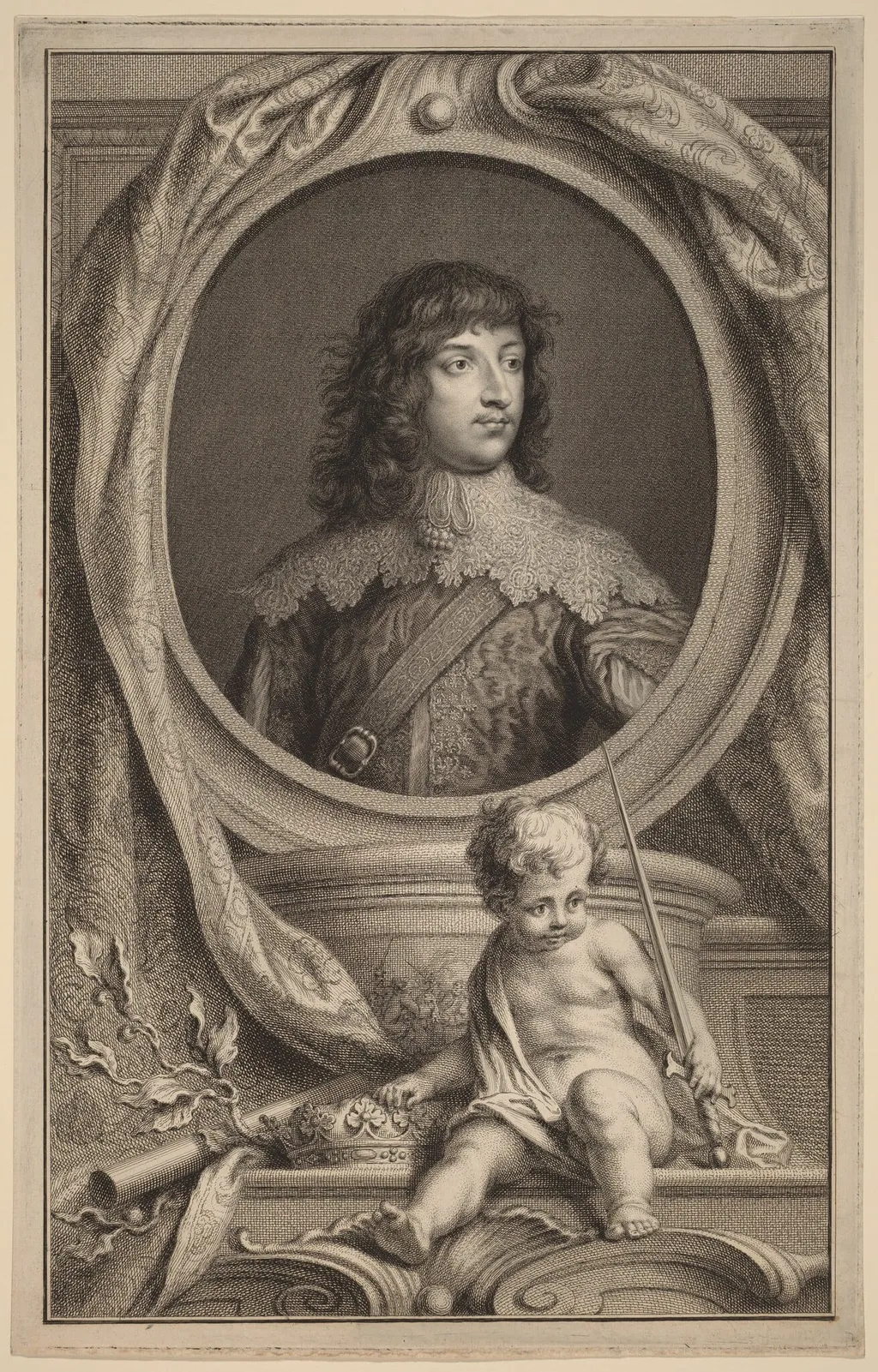
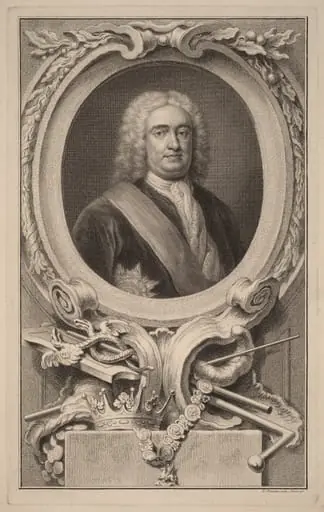
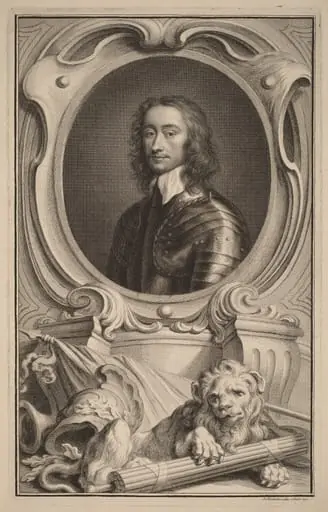
William Russell, 1st Duke of Bedford is an ink print by the Baroque artist Jacobus Houbraken. It dates from 1739 and is held in the collection of the National Gallery of Art.
About this work
Overview
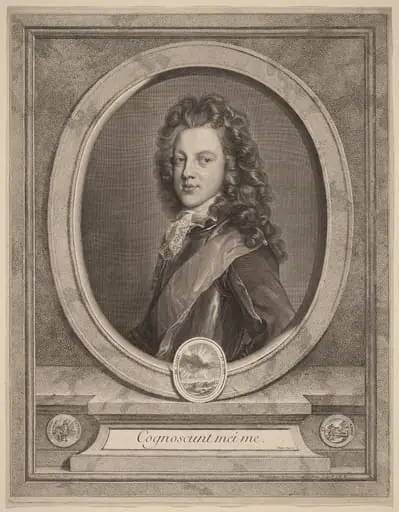
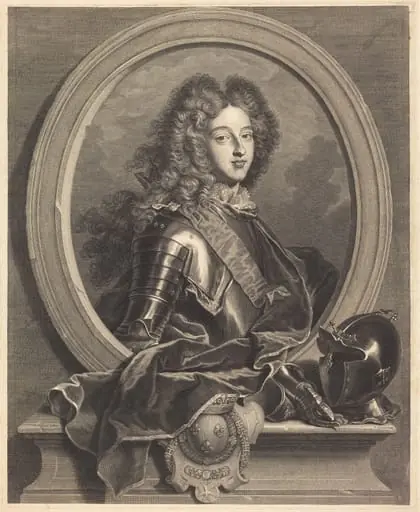
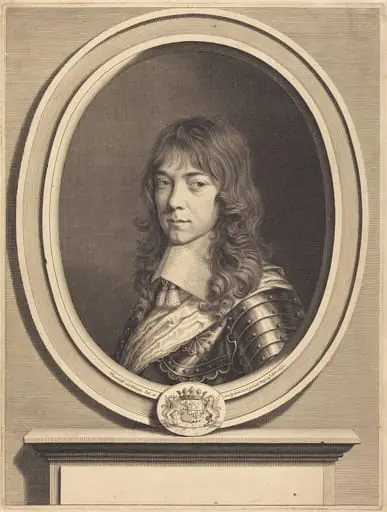
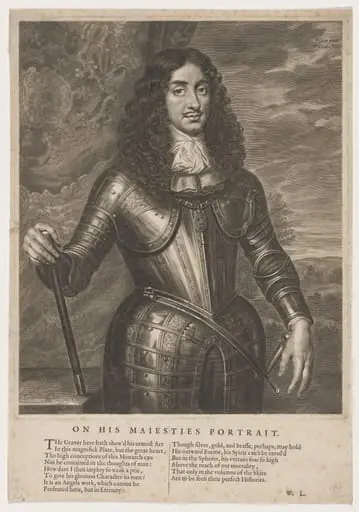
Created in 1739, this print presents William Russell, 1st Duke of Bedford, rendered through the combined processes of etching and engraving. The portrait captures the duke in formal attire, complete with a wig and cloak, his gaze directed toward the viewer. The work exemplifies the portraiture conventions of early eighteenth‑century British aristocracy, emphasizing dignity and status.
Subject & Meaning
The sitter, William Russell, held the title of Duke of Bedford, a prominent figure in the political and social circles of his time. His solemn expression and upright posture convey the gravitas associated with his rank, while the direct eye contact invites the viewer to acknowledge his authority and lineage.
Technique & Style
Jacobus Houbraken employed both etching and engraving to achieve fine line work and tonal variation. The precise rendering of facial features, fabric folds, and ornamental details reflects a high level of craftsmanship, allowing subtle gradations of light and shadow that give the portrait a three‑dimensional presence on paper.
History & Provenance
The print was produced in 1739, likely commissioned to commemorate the duke’s status or to circulate his likeness among peers. Houbraken, a noted Dutch engraver active in England, supplied many such aristocratic portraits, and this work has since been catalogued in collections of British portrait prints.
Context
During the early Georgian era, printed portraits served both decorative and documentary purposes, disseminating images of the elite across the realm. The use of etching and engraving enabled multiple copies, making the duke’s image accessible to a wider audience while reinforcing social hierarchies.
Artist & collection