Artwork
William Cecil, Lord Burleigh
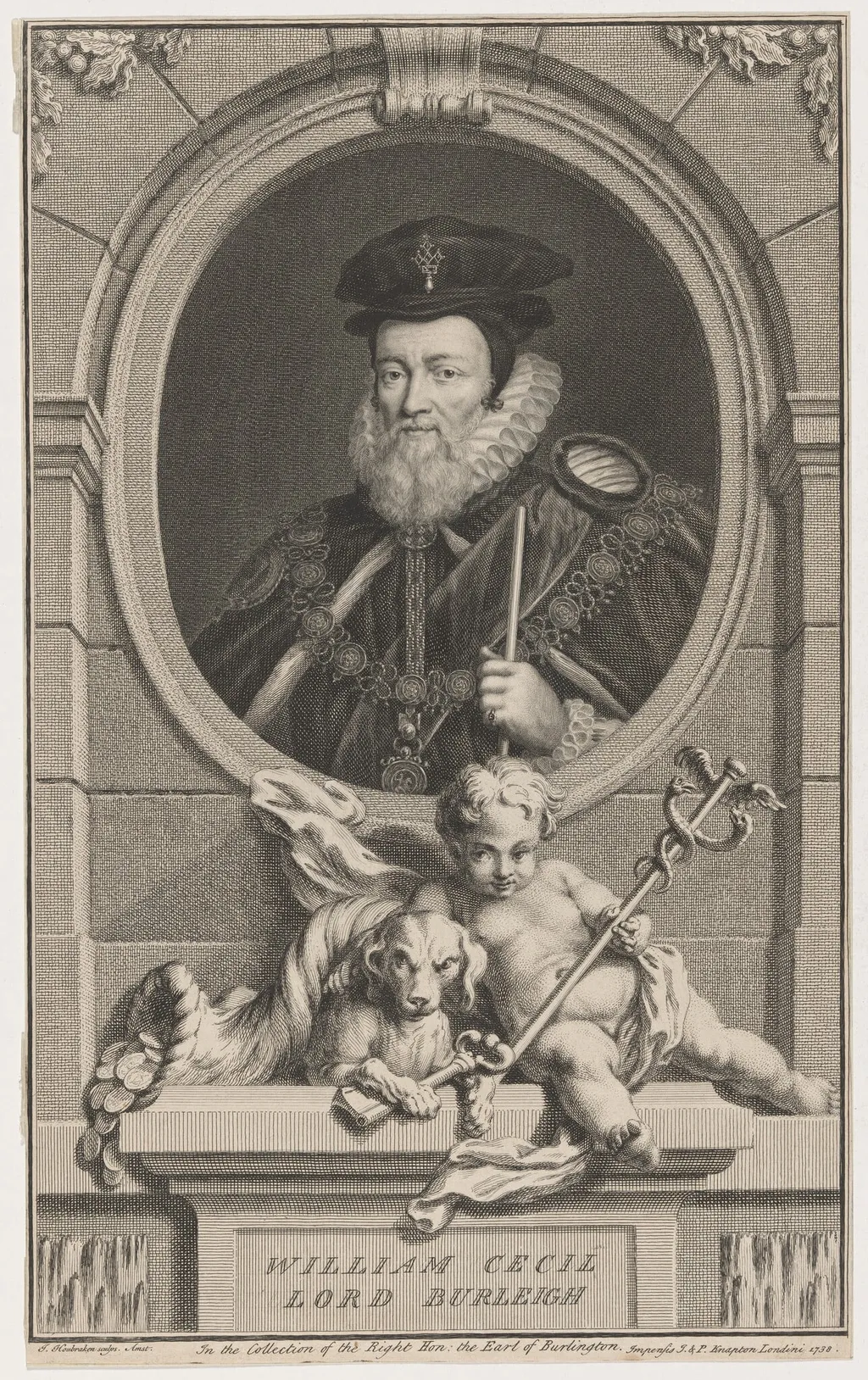
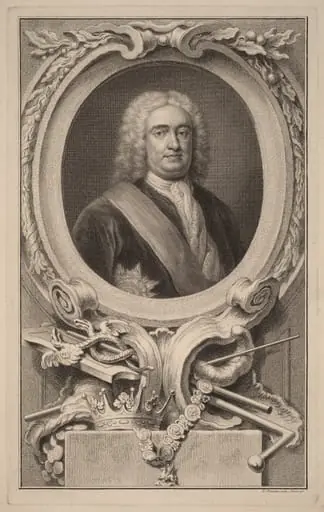
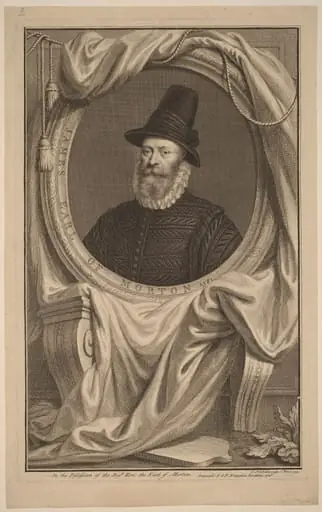
William Cecil, Lord Burleigh is an ink print by the Baroque artist Jacobus Houbraken. It dates from 1738 and is held in the collection of the National Gallery of Art.
About this work
The name at the bottom reads *William Cecil, Lord Burleigh*, and the image was made in 1738.
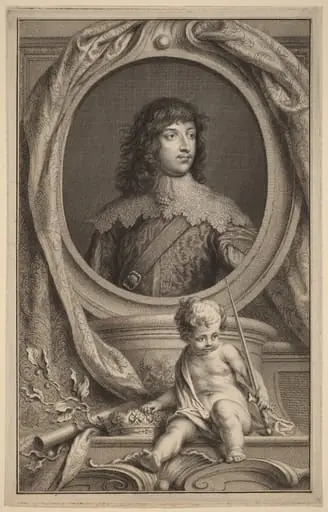
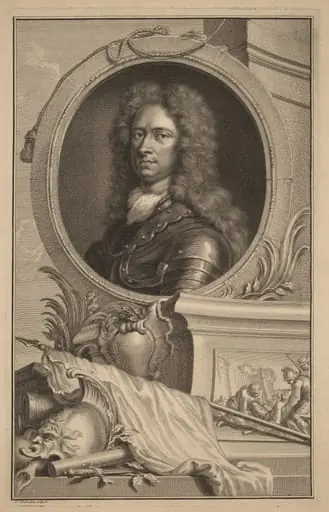
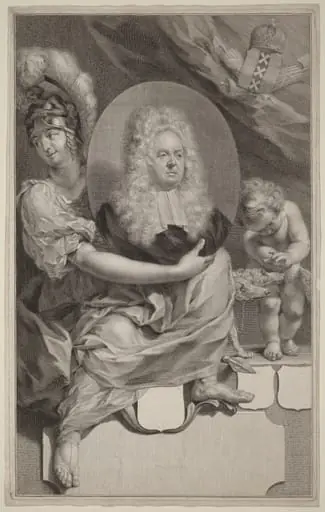
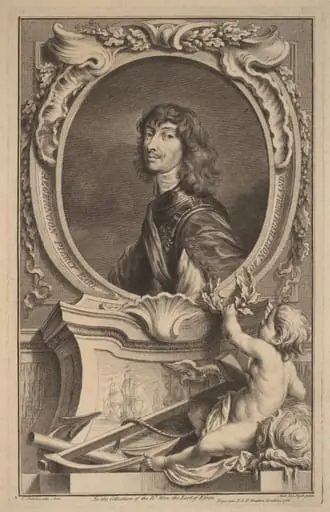
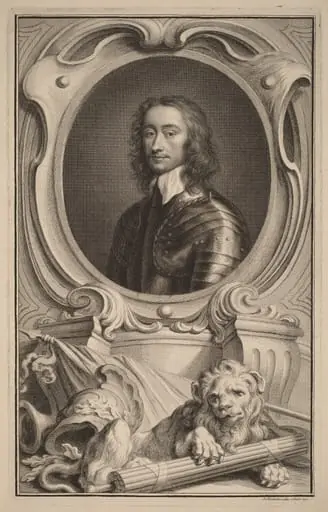
This engraving shows a serious-looking man with a long beard and a black hat. He’s dressed in fancy clothes, holding a staff and surrounded by symbols of power. Below him, a small cherub sits with a dog, while a lion rests at the bottom.
The name at the bottom reads *William Cecil, Lord Burleigh*, and the image was made in 1738. The artist used fine lines to create shadows and texture, giving it a detailed look.
Next, check out how engraving works to see how artists like this carved intricate images.
Overview
Jacobus Houbraken’s 1738 engraving portrays William Cecil, Lord Burghley, a prominent 16th‑century English statesman. Rendered in fine line work, the print presents Cecil in formal attire with a long beard, a black hat, and a ceremonial staff, surrounded by emblematic motifs that allude to his authority.
Subject & Meaning
The composition emphasizes Burghley’s status through regalia and allegorical figures: a cherubic child with a dog rests at his feet, while a lion lies beneath, both traditional symbols of loyalty and strength, reinforcing the sitter’s political power and moral virtues.
Technique & Style
Houbraken employs delicate cross‑hatching and stippling to model light and shadow, achieving a textured surface that delineates clothing, facial features, and background elements. The precision of the lines reflects the Dutch engraving tradition of the early 18th century, prioritizing clarity and detail over painterly effect.
History & Provenance
Created in 1738, the print was likely intended for a portrait series of notable English figures. Houbraken, a Dutch engraver known for biographical portraiture, produced the work for the English market, where it circulated among collectors of political memorabilia.
Context
The engraving belongs to a period when printed portraits served both commemorative and educational purposes, disseminating images of influential statesmen to a broader public. Burghley’s depiction aligns with contemporary efforts to memorialize the architects of Elizabethan governance.
Legacy
While not a unique original painting, Houbraken’s engraving contributed to the visual canon of William Cecil, influencing later representations in books and museums. Its detailed execution continues to offer insight into 18th‑century portrait engraving practices.
Artist & collection