Artwork
Sforza Triptych
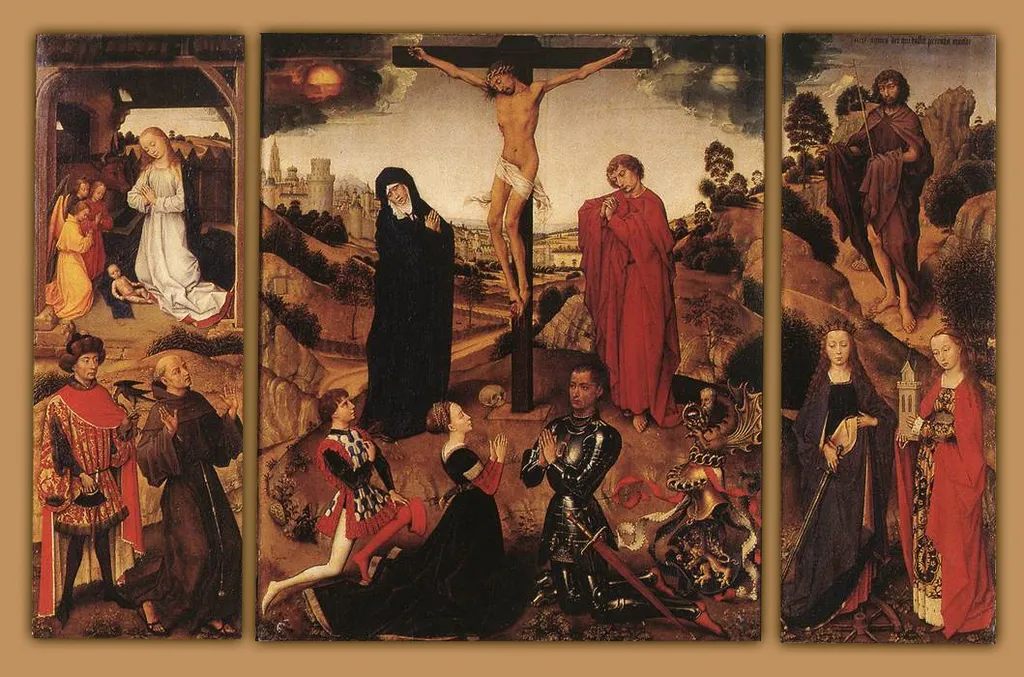
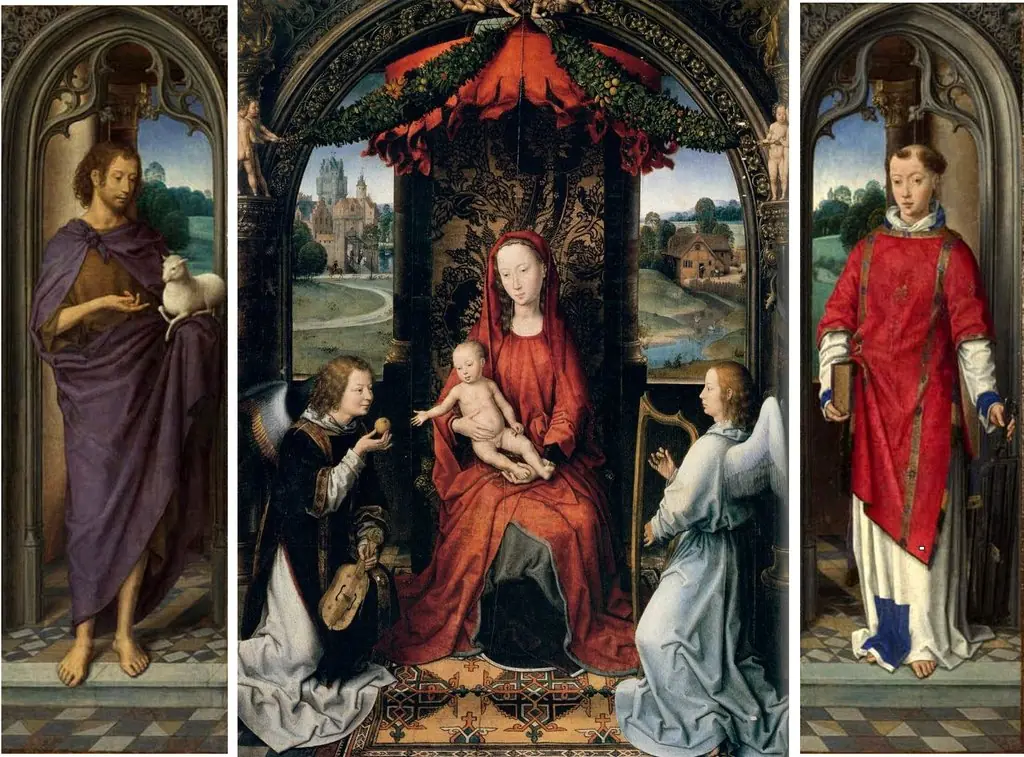
Sforza Triptych is an oil painting by the Northern Renaissance artist Unknown. It dates from 1452 and is held in the collection of the Royal Museums of Fine Arts of Belgium.
About this work
Overview
The composition balances solemnity with rich detail, using contrasting light and texture to guide the viewer’s attention across the panels.
The Sforza Triptych is a three-panel oil painting depicting religious scenes arranged symmetrically. The central panel portrays the Crucifixion, with a crowd of figures gathered around the cross. The left panel shows the Nativity, and the right features devotional figures holding symbolic objects. The composition balances solemnity with rich detail, using contrasting light and texture to guide the viewer’s attention across the panels.
Subject & Meaning
The triptych connects key moments in Christian salvation history: the birth of Christ on the left, his death on the right, and the promise of redemption in between. The presence of noble figures in fine garments suggests patronage by the Sforza family, linking earthly power with divine narrative. The inclusion of prayerful and grieving witnesses reinforces the emotional weight of the events, inviting contemplation rather than mere observation.
Technique & Style
Oil paint is applied with deliberate thickness in areas like robes and armor, creating a sculptural effect through impasto. The figures appear solid and volumetric, their forms defined by sharp transitions between light and shadow. Warm hues of red and gold contrast with deep browns and blacks, enhancing the drama without overwhelming the narrative clarity. The brushwork is precise, favoring clarity over atmospheric blur.
History & Provenance
Commissioned by the Sforza family of Milan, the triptych likely served a private devotional function in their chapel or residence. Its survival through centuries suggests it remained in family hands or was carefully preserved by religious institutions. Documentation from the late 15th century links it to Milanese workshops active under Sforza patronage, though the exact artist remains unconfirmed.
Context
Created during the height of Renaissance humanism in northern Italy, the work reflects a blend of devotional tradition and emerging naturalism. While rooted in medieval triptych formats, its attention to individual expression and spatial depth aligns with contemporary trends in Lombard painting. The inclusion of contemporary dress and armor situates sacred events within the viewer’s own world.
Legacy
The Sforza Triptych exemplifies how elite patronage shaped religious art in Renaissance Italy, merging personal identity with spiritual themes. Its preservation offers insight into the visual language of private devotion among the nobility. Though not widely reproduced, it remains a key reference for understanding regional stylistic choices in Lombard painting of the late 1400s.
Artist & collection

Museum
Royal Museums of Fine Arts of Belgium
Continue through works from the same source collection.
 Domestic Scene
 Giacomo and Cardinal Marco, investing Andrea, Abbot of San Zeno, with his Benefice
 The Nymph of Fontainebleau
 Portrait of a Woman
 Madonna and Child with Saints in the Enclosed Garden
 Venus and Minerva
 Family Group of Four on Sofa
 Wall painting from Room H of the Villa of P. Fannius Synistor at Boscoreale
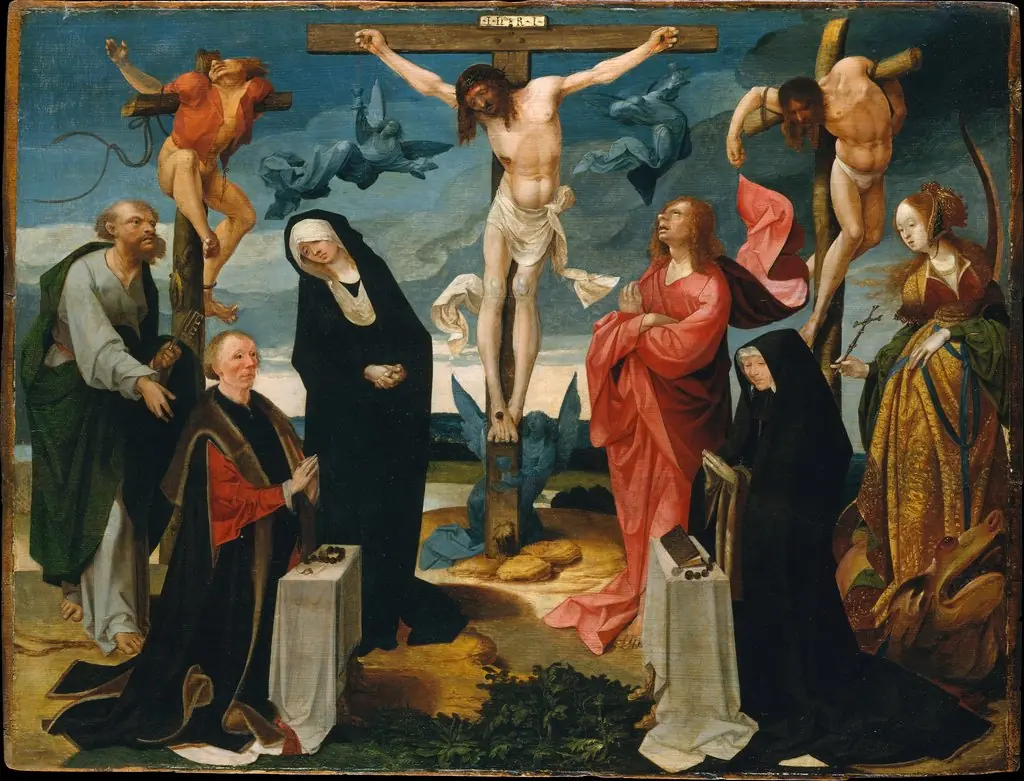 The Crucifixion with Donors and Saints Peter and Margaret
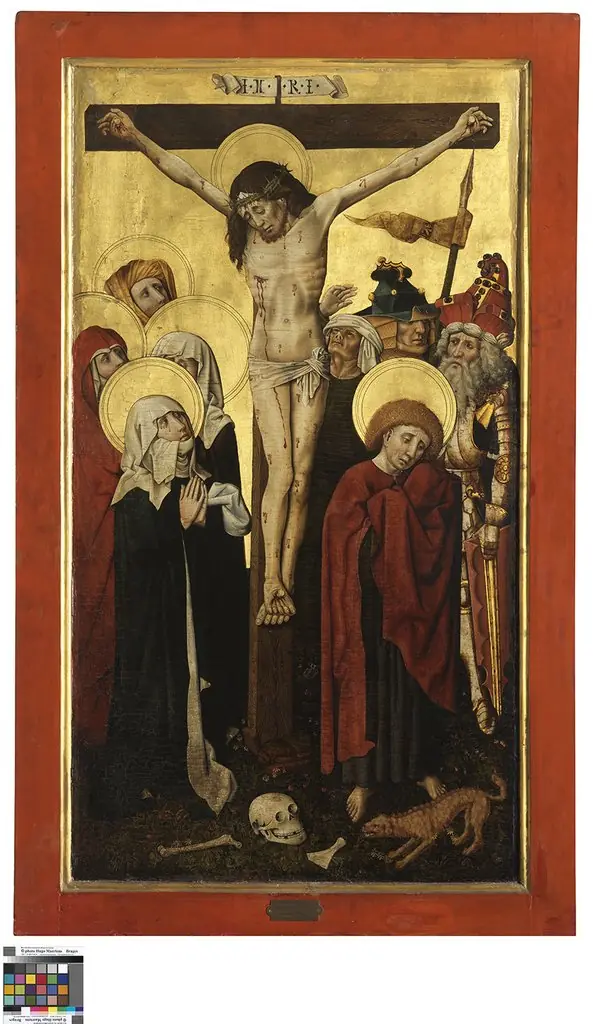 Crucifixion
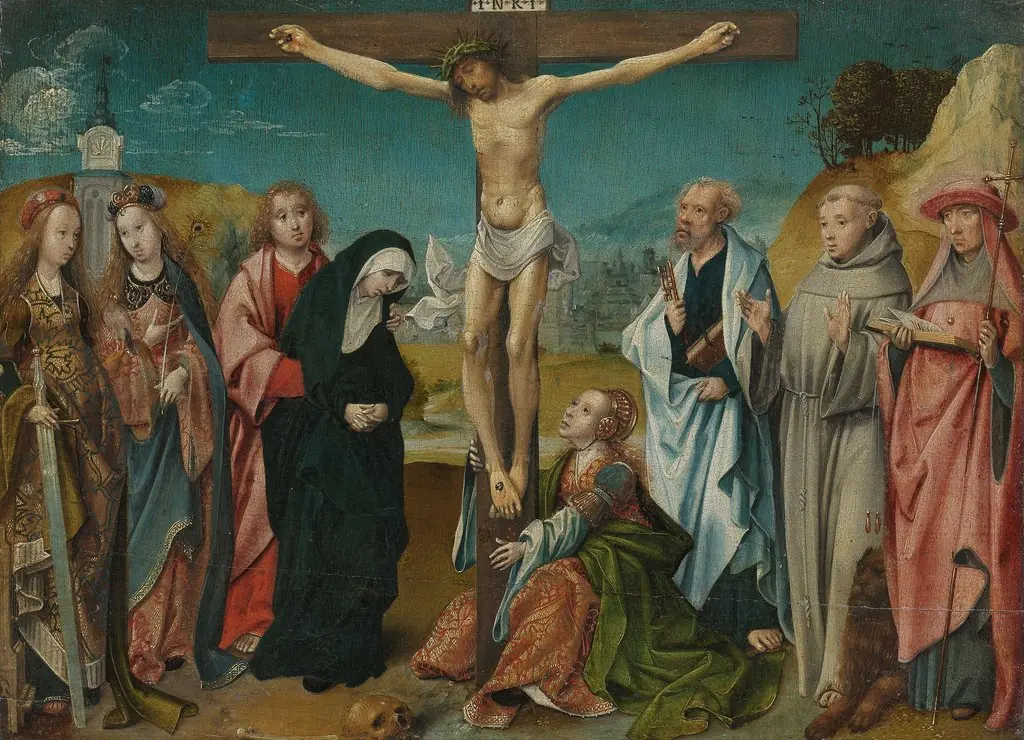 Christ on the cross with the Virgin, St John the Evangelist, Mary Magdalen, and Sts Cecilia and Barbara (left), and Sts Peter, Francis and Jerome (right)
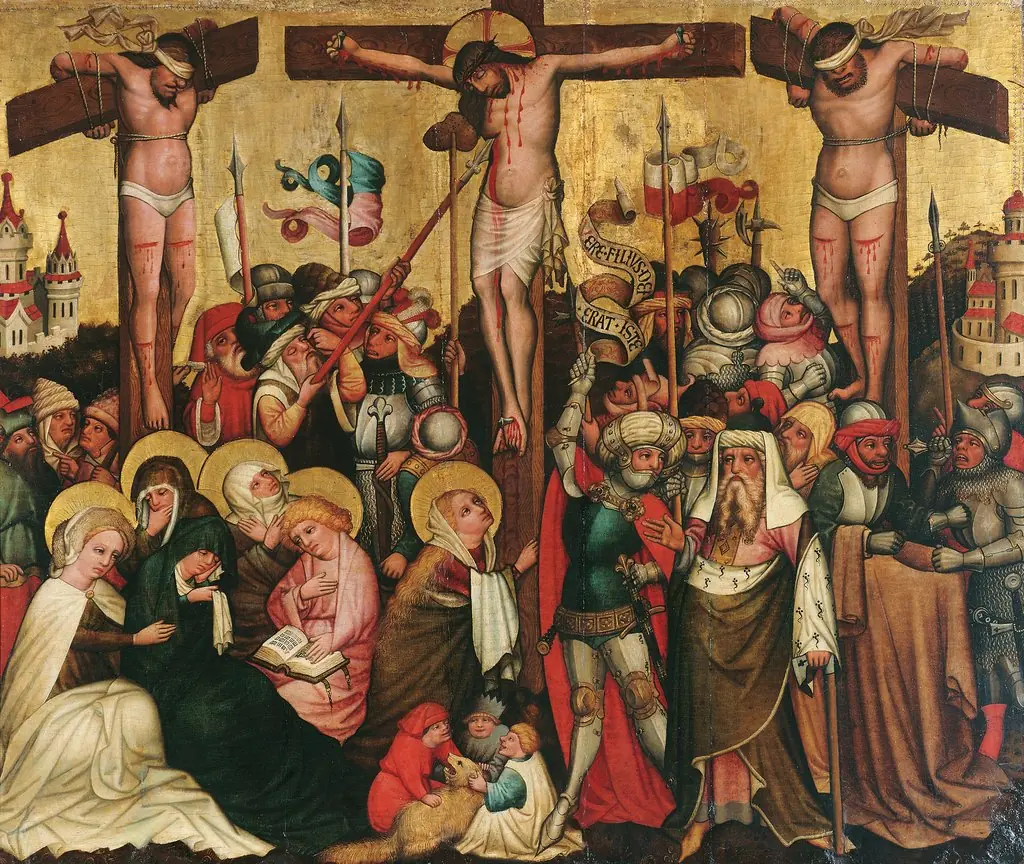 The crucifixion
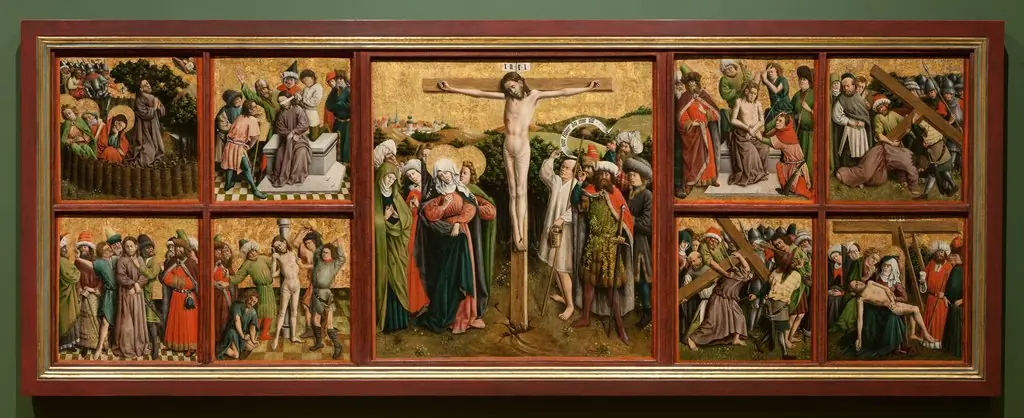 Altarpiece with The Passion of Christ
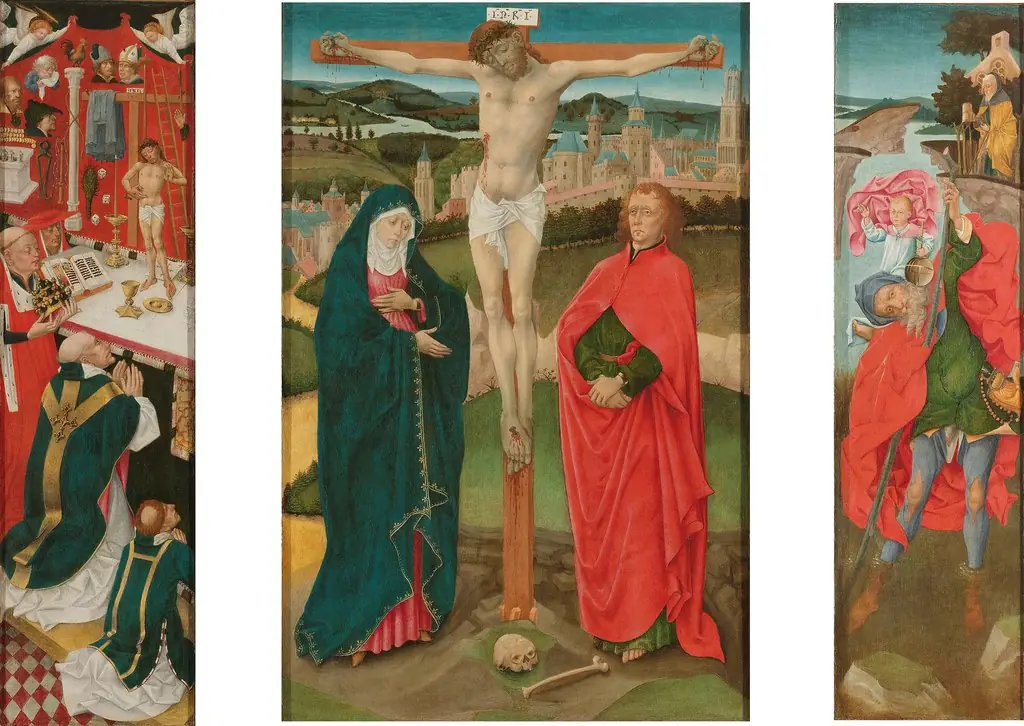 Triptych with the Crucifixion
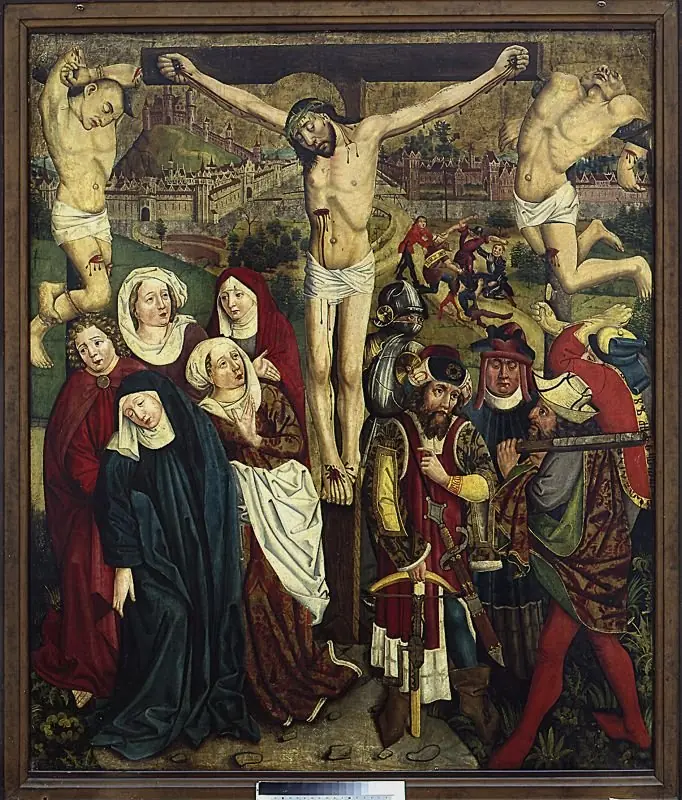 Legnica polyptych
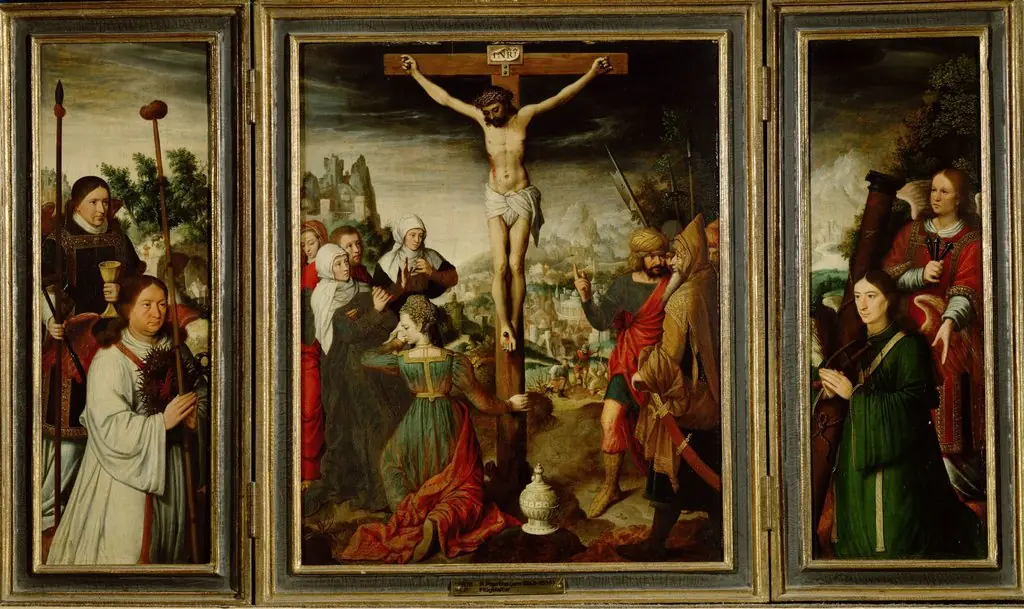 Kreuzigungstriptychon
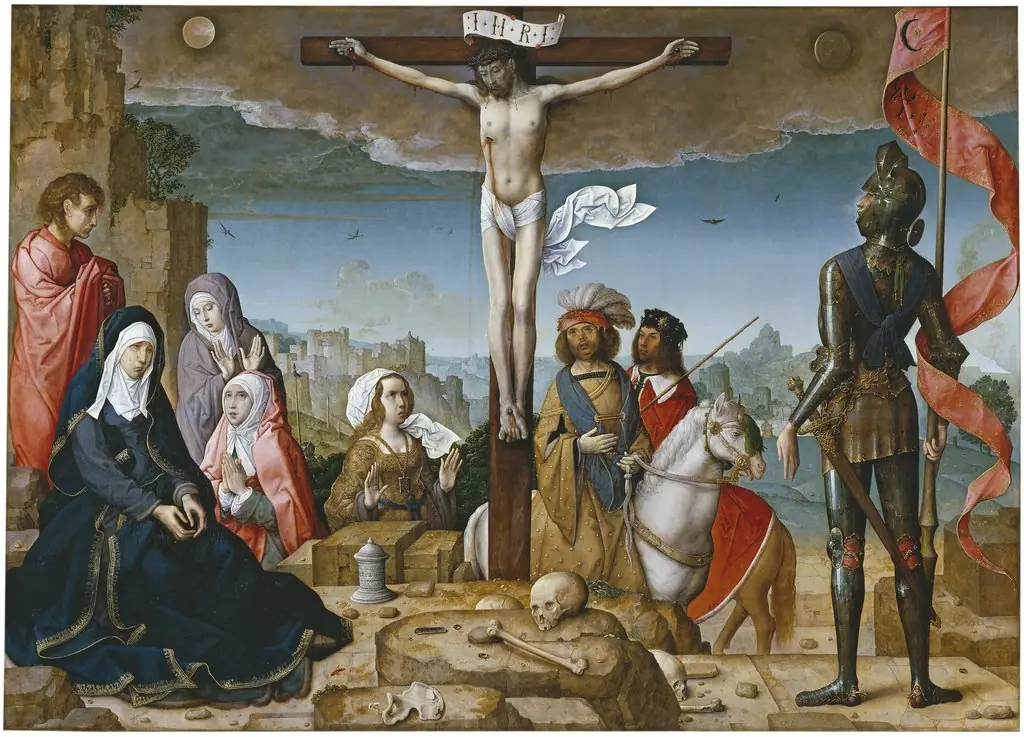 Crucifixion of Christ
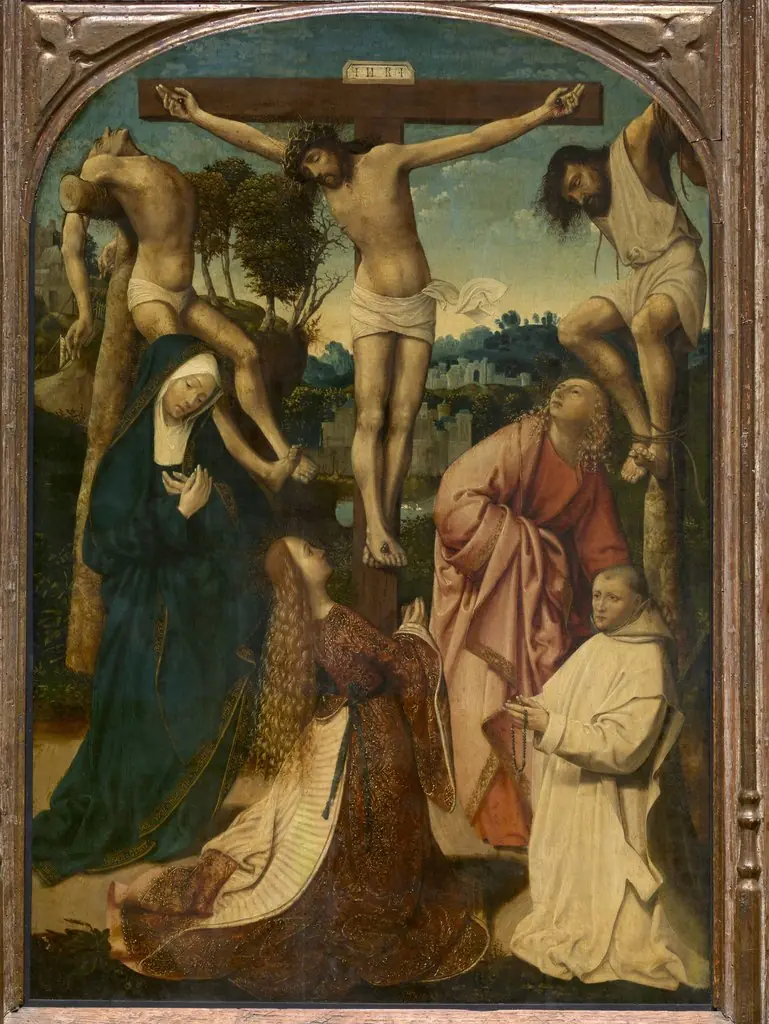 Crucifixion
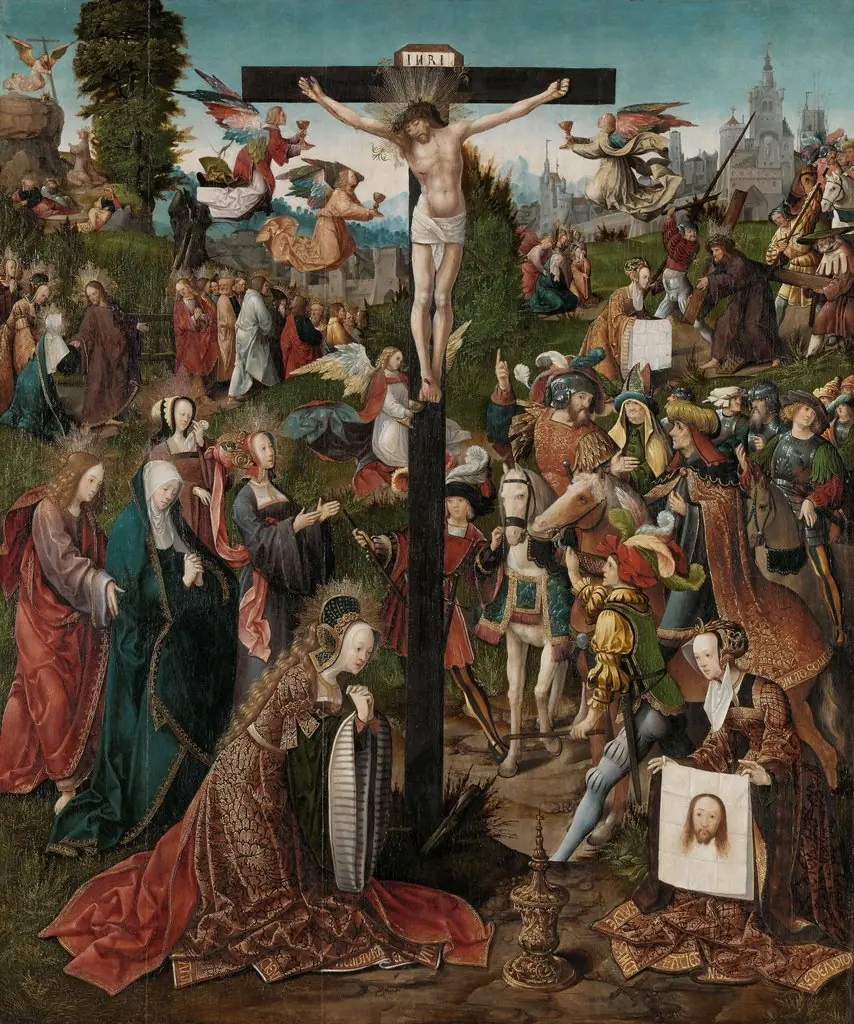 The Crucifixion
 Pagagnotti Triptych