Artwork
Four-Master (Left) and Two Three-Masters Anchored near a Fortified Island with a Lighthouse
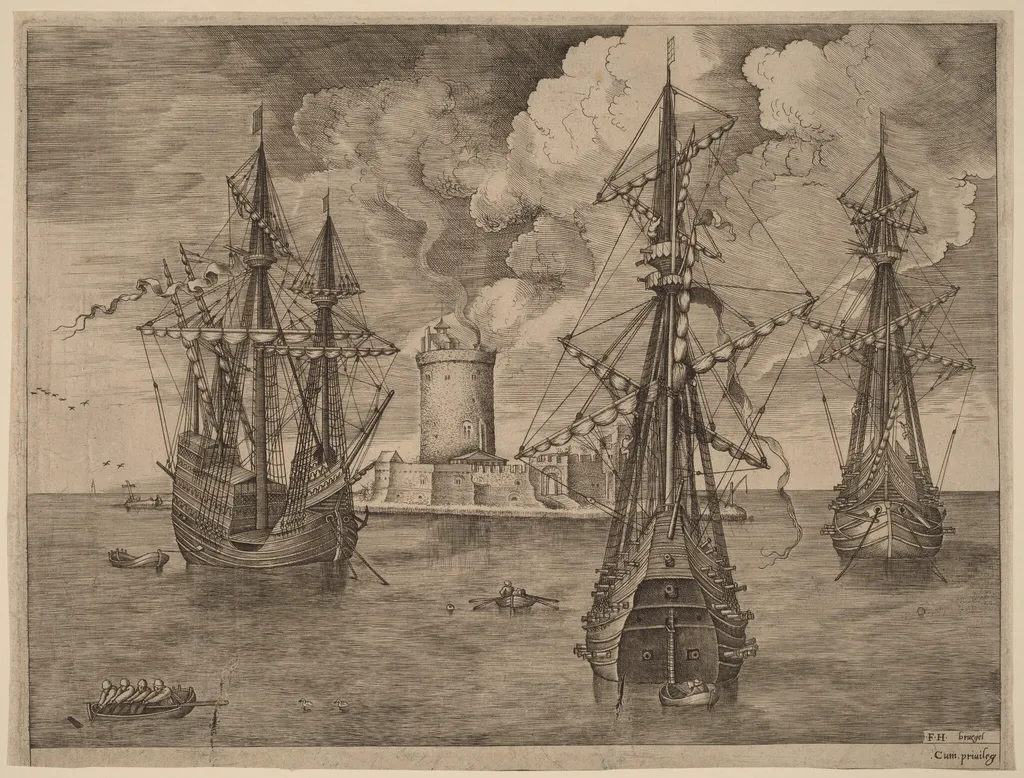
Four-Master (Left) and Two Three-Masters Anchored near a Fortified Island with a Lighthouse is an ink print by the Renaissance artist Frans Huys. It is held in the collection of the National Gallery of Art.
About this work
Overview
A fortified island with a lighthouse and stone structure rises in the background, framed by a cloudy sky and scattered seabirds.
An engraving by Frans Huys dated 1565, this work depicts three large sailing vessels at anchor near a coastal fortification. The composition centers on a four-masted ship to the left, flanked by two three-masted vessels. A fortified island with a lighthouse and stone structure rises in the background, framed by a cloudy sky and scattered seabirds. The scene conveys maritime activity through small rowboats moving among the ships, suggesting a bustling harbor environment.
Subject & Meaning
The image captures a moment of naval pause, likely in a strategic coastal zone. The presence of a fortified island with a lighthouse implies a site of navigation control or defense, common in early modern European waters. The variety of ship types and attendant rowboats indicate commercial or military traffic, reflecting the era’s reliance on sea trade and coastal security. No overt narrative is present; the focus is on the quiet order of maritime life.
Technique & Style
Huys employed fine, precise lines typical of 16th-century engraving to render textures: the rough stone of the fortress, the intricate rigging of the sails, and the rippled surface of the water. Cross-hatching and delicate stippling create depth and contrast, while the cloud-filled sky adds atmospheric weight. The level of detail in the ships’ rigging and the lighthouse’s masonry demonstrates technical mastery and a commitment to observational accuracy.
History & Provenance
Created in 1565, the engraving originates from the Northern Renaissance printmaking tradition. Frans Huys, active in the Low Countries, produced numerous maritime scenes for a market interested in nautical imagery. While specific early ownership records are sparse, the work aligns with the broader circulation of engraved seascapes among merchants, navigators, and collectors of the period.
Context
In mid-16th century Europe, maritime trade and naval power were central to economic and political life. Coastal fortifications with lighthouses were vital for safe passage, especially in the North Sea and English Channel. Huys’s engraving reflects this reality, offering a documentary-like view of shipping infrastructure and vessel types common in the region, without romanticizing or dramatizing the scene.
Legacy
Huys’s work contributes to a genre of detailed maritime prints that informed contemporary understanding of seafaring. Though not widely known today, his engravings were part of a broader visual record of nautical technology and coastal geography. The precision of his technique influenced later printmakers who sought to document the shipping world with clarity and fidelity.
Artist & collection


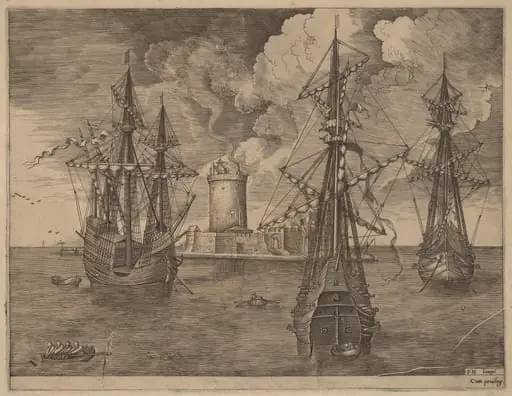 Four-Master (Left) and Two Three-Masters Ancored Near a Fortified Island with a Lighthouse
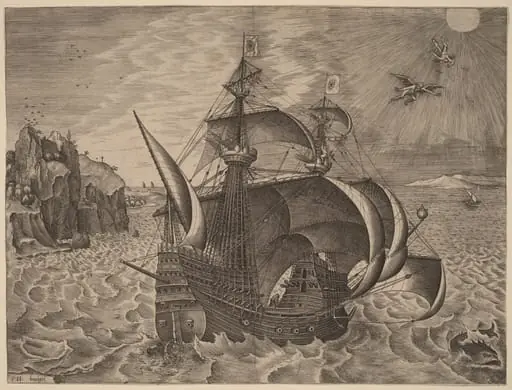 Armed Three-Master with Daedalus and Icarus in the Sky
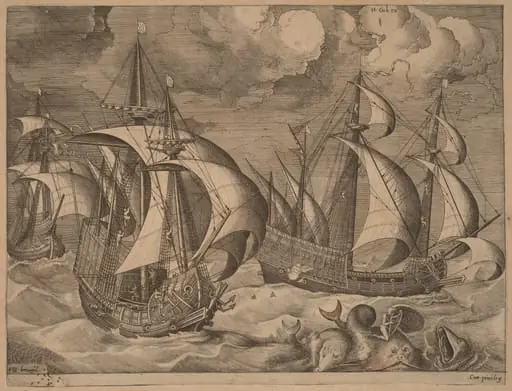 Three Caravels in a Rising Squall with Adrion on a Dolphin
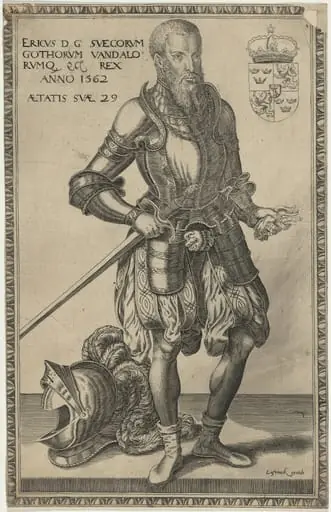 Eric XIV, King of Sweden
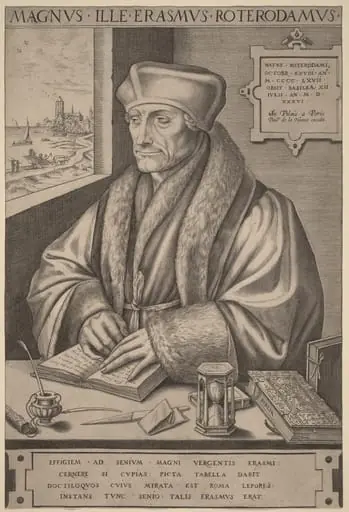 Erasmus of Rotterdam
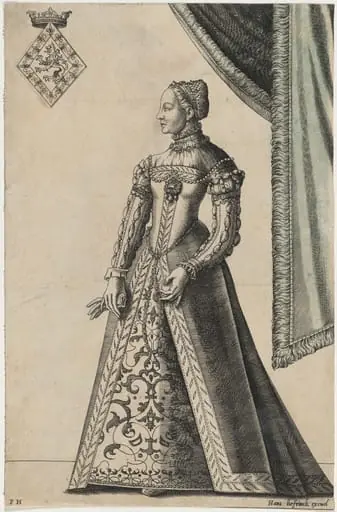 Mary, Queen of Scots
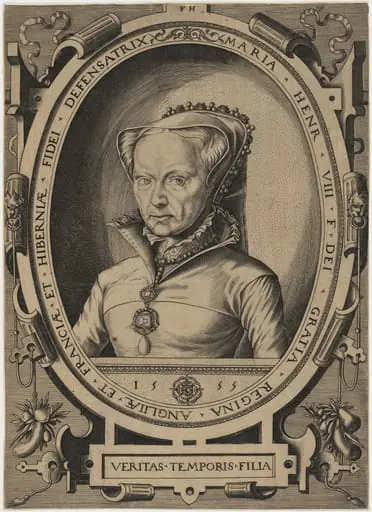 Queen Mary of England
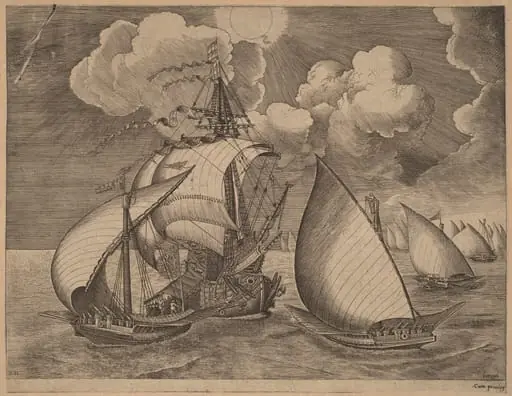 A Fleet of Galleys Escorted by a Caravel
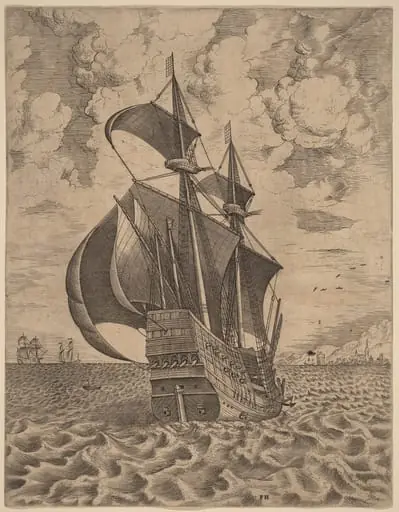 Armed Four-Master Sailing towards a Port
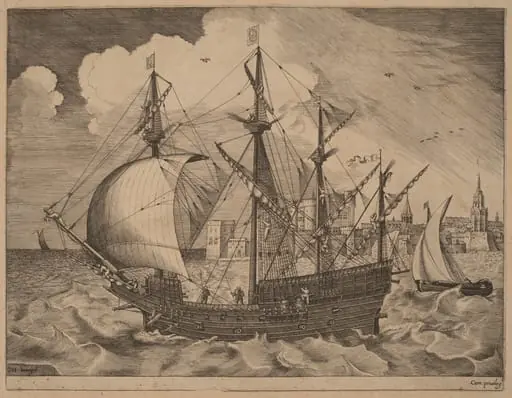 Armed Four-Master Putting Out to Sea
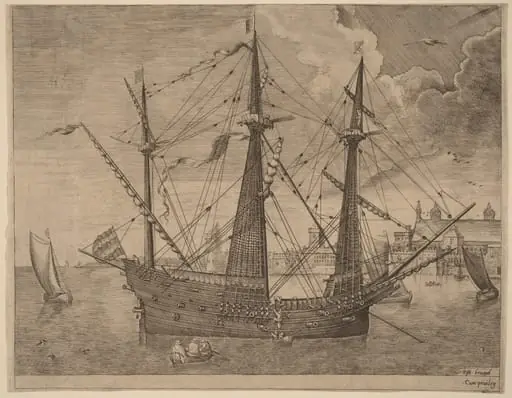 Armed Three-Master Anchored near a City
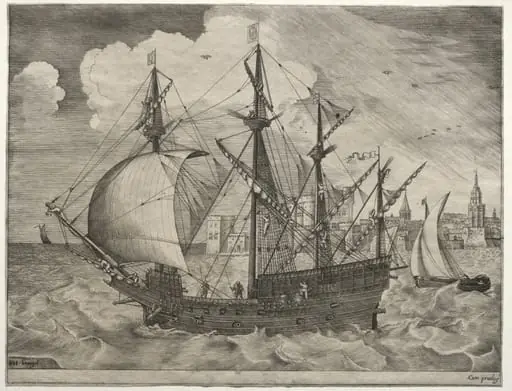 Sailing Vessels: Armed Four-Master Putting Out to Sea
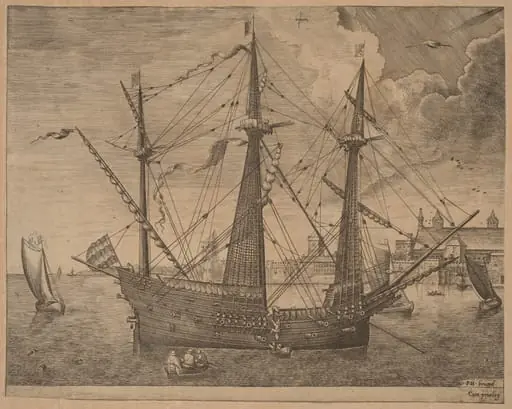 Armed Three-Master Anchored Near a City
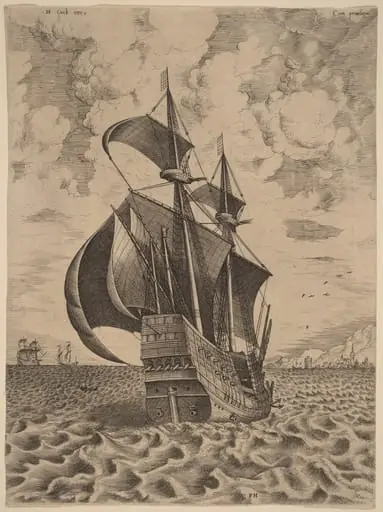 Armed Four-Master Sailing towards a Port
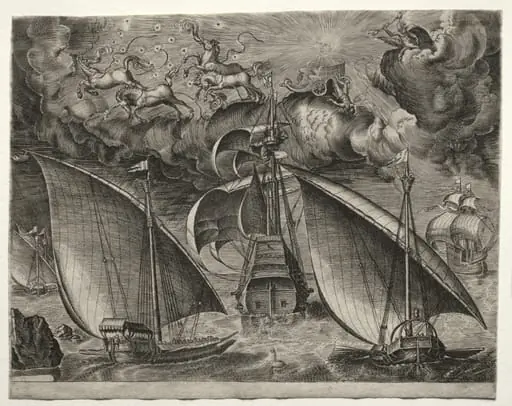 Sailing Vessels: Two Galleys Sailing Behind an Armed Three-Master with Phaeton and Jupiter in the Sky
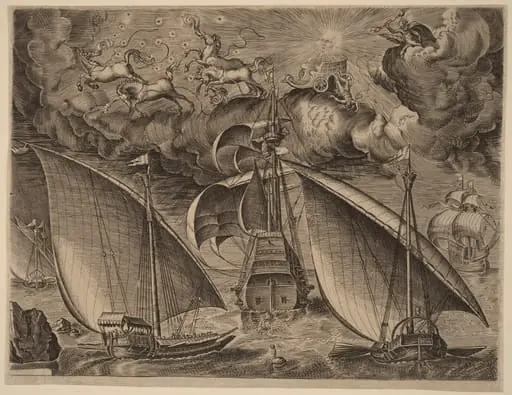 Two Galleys behind an Armed Three-Master with Phaethon and Jupiter in the Sky
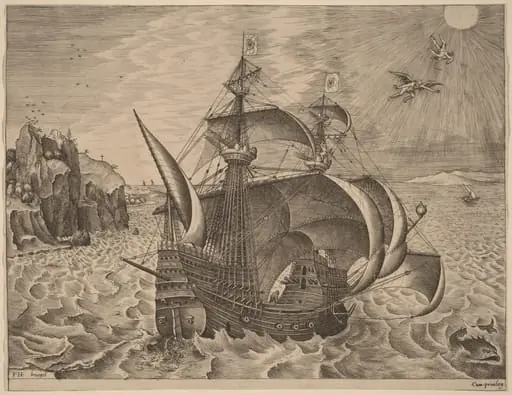 Armed Three-Master with Daedalus and Icarus in the Sky
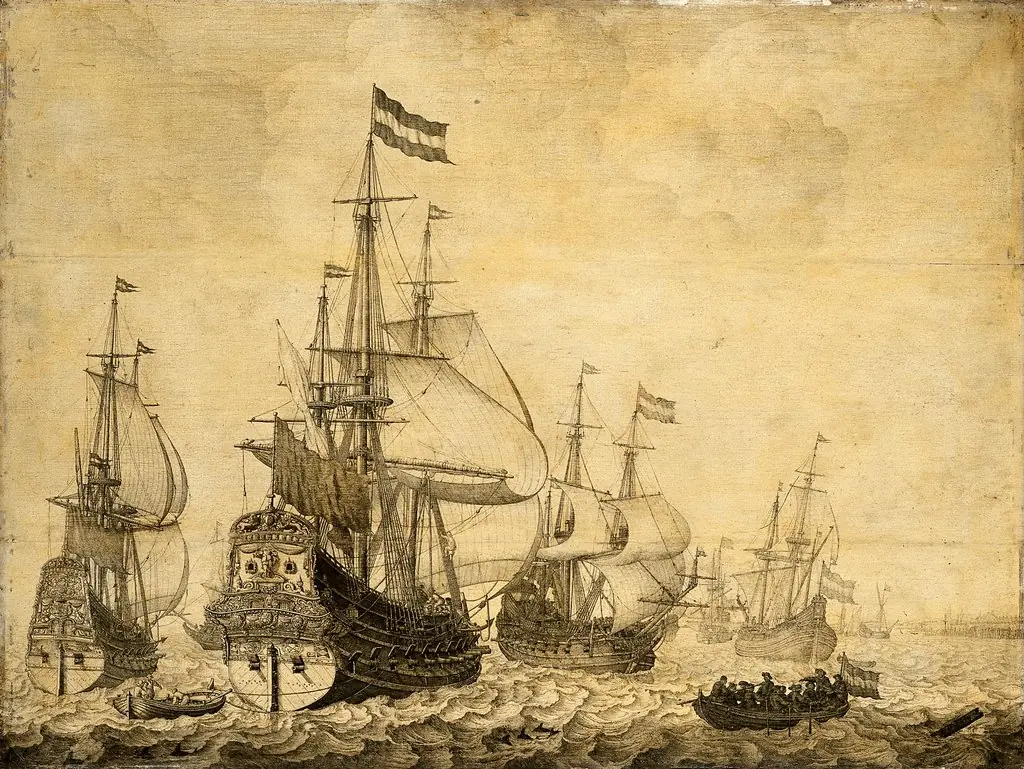 Seascape with Dutch men-of-war