Artwork
Queen Elizabeth
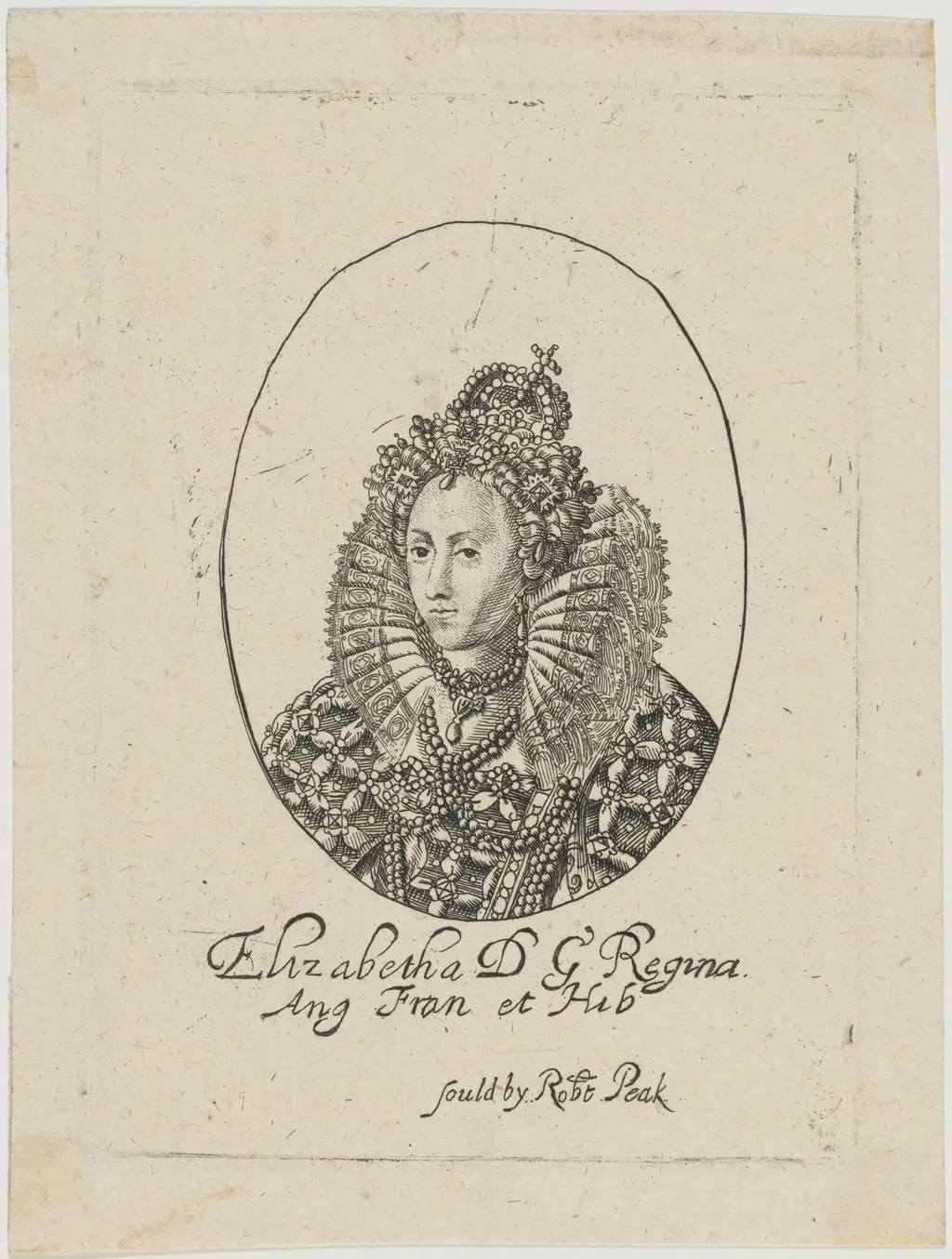
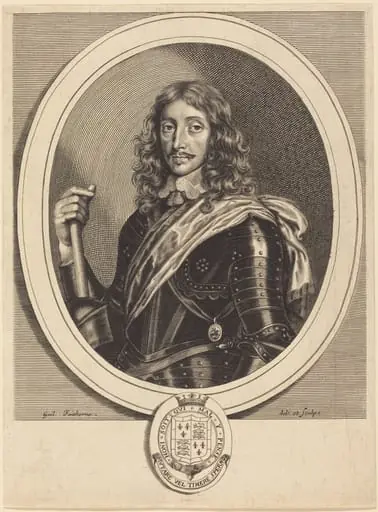
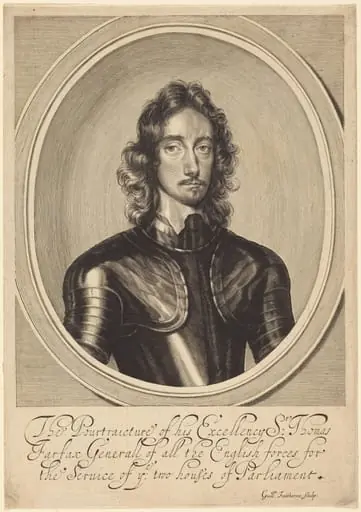
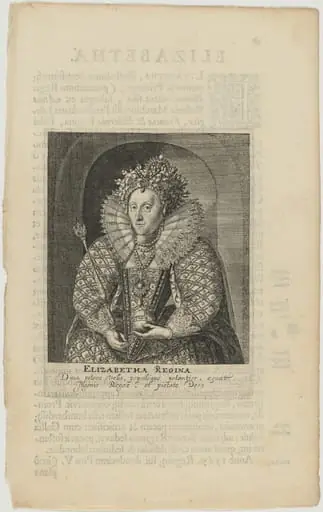
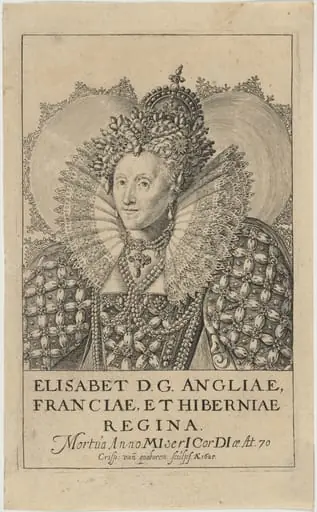
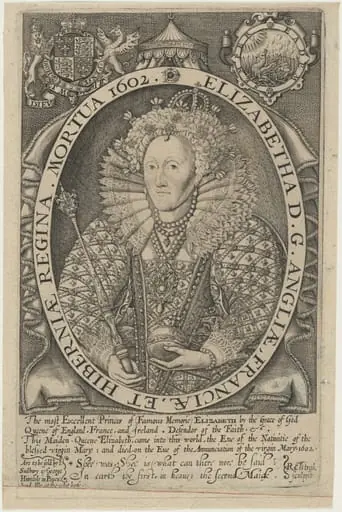
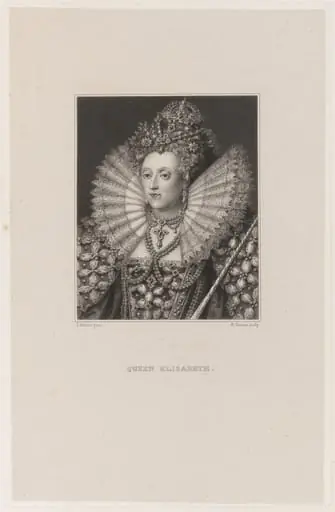
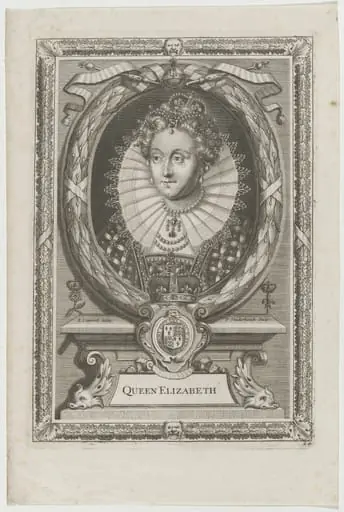
Queen Elizabeth is an ink print by the Renaissance artist William Faithorne. It dates from 1633 and is held in the collection of the National Gallery of Art.
About this work
Overview
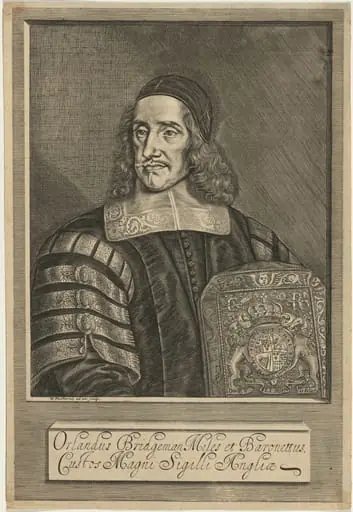
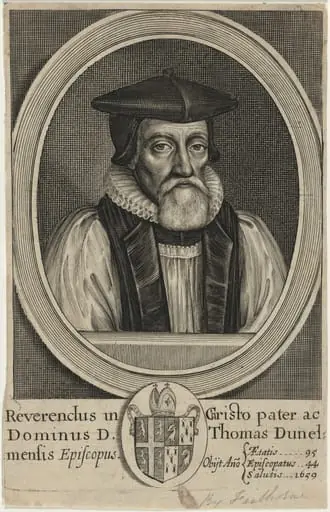
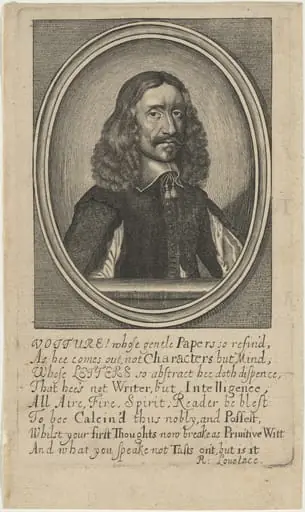
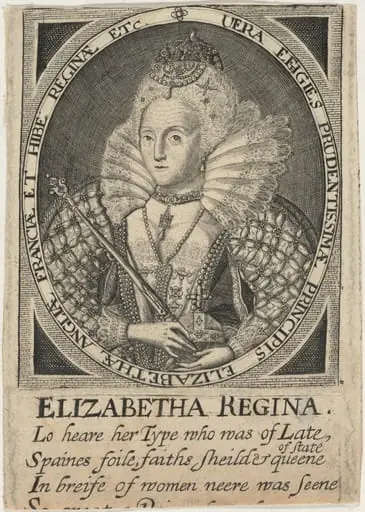
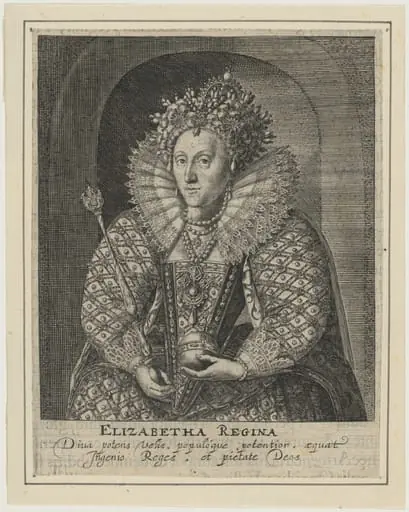
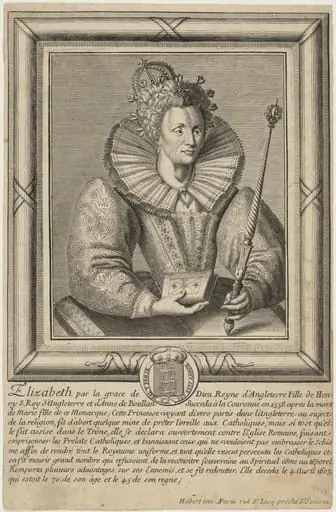
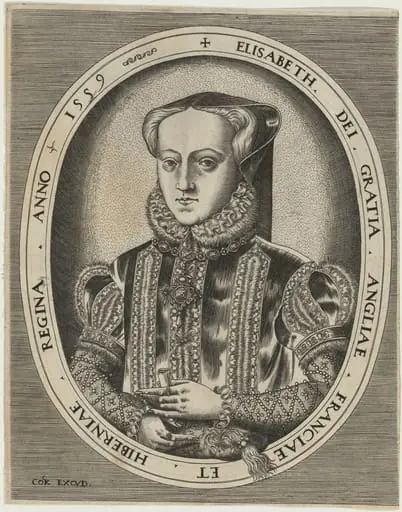
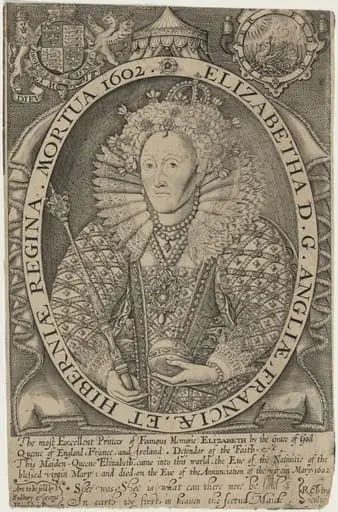
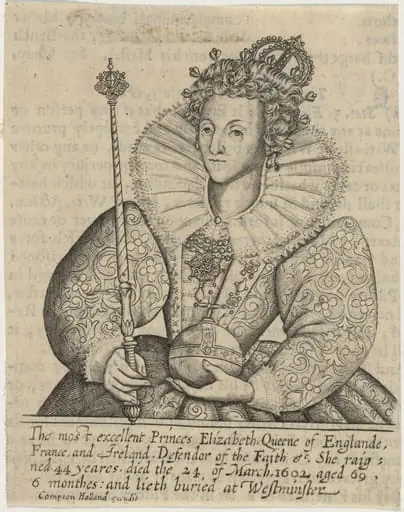
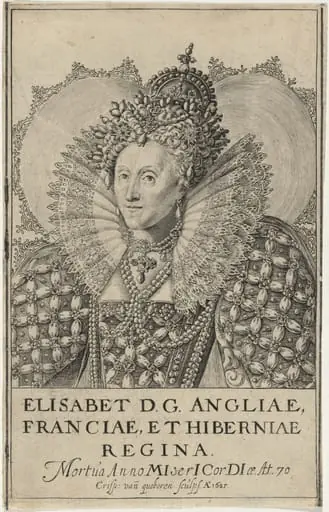
Queen Elizabeth is a black-and-white engraving by William Faithorne, dated to 1633. The portrait depicts a woman with a distinctive tall, ornate wig and a ruffled collar, gazing calmly forward against a plain background. Inscriptions identify the subject as Queen Elizabeth and attribute the work to Faithorne.
Subject & Meaning
The engraving portrays Queen Elizabeth, distinguished by the inscription 'Elizabeth D.G. Regina', signifying her royal title. Her calm demeanor and formal attire, including the elaborate wig and ruffled collar, convey regal presence and dignity.
Technique & Style
As an engraving, the piece exemplifies detailed printmaking. Faithorne achieved intricate textures, notably in the subject's wig and collar, through the engraving process, which involves carving designs into metal plates for printing. The plain background emphasizes the subject's portrait.
History & Provenance
Created in 1633 by William Faithorne, the engraving is signed by the artist. Specific details about its commission, ownership history, or exhibition record are not provided in the available information.
Context
The work reflects the 17th-century practice of producing engraved portraits of royalty for circulation. Such prints served to disseminate the queen's image and reinforce her authority among a broader audience.
Artist & collection
Artist
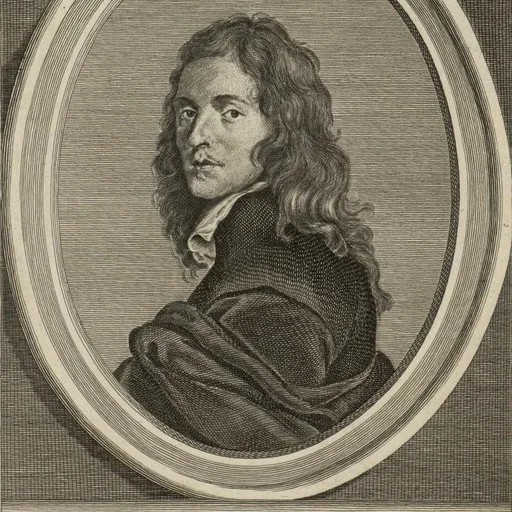
William Faithorne (1616–1691) was a British artist, born in Greater London.