Artwork
『雛形若菜の初模様 つたや内 人まち』|The Courtesan Hitomachi of the Tsutaya Brothel, from the series “A Pat-tern Book of the Year’s First Designs, Fresh as Spring Herbs” (“Hinagata wakana no hatsu moyō”)
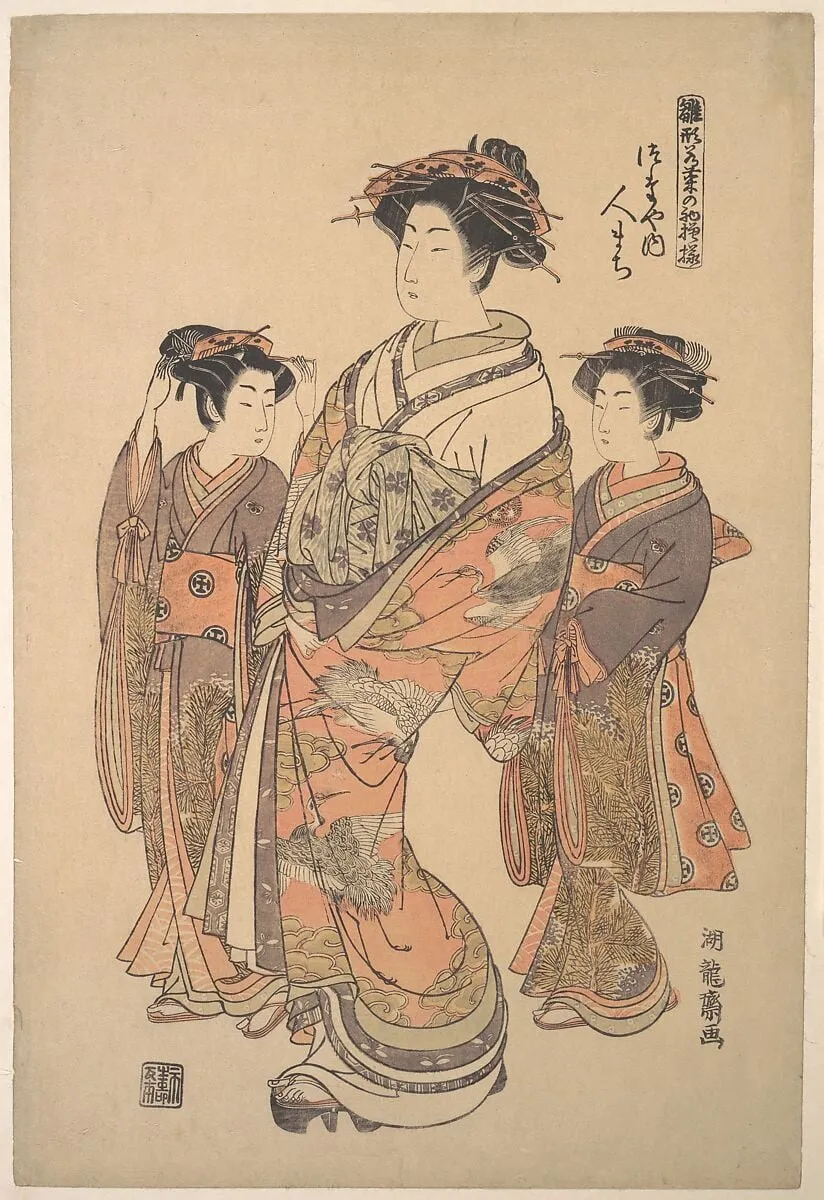
『雛形若菜の初模様 つたや内 人まち』|The Courtesan Hitomachi of the Tsutaya Brothel, from the series “A Pat-tern Book of the Year’s First Designs, Fresh as Spring Herbs” (“Hinagata wakana no hatsu moyō”) is an ink print by the Romanticist artist Isoda Koryūsai. It dates from 1778 and is held in the collection of the Metropolitan Museum of Art.
About this work
Overview
The plain background emphasizes the intricate designs of their garments, reflecting the print’s function as a fashion reference rather than a narrative scene.
Created in 1778 by Isoda Koryūsai, this woodblock print is part of a seasonal series showcasing the latest kimono patterns for the new year. Rendered in ink and color on paper, it depicts three courtesans from the Tsutaya brothel in Edo, arranged in a formal, side-by-side composition. The plain background emphasizes the intricate designs of their garments, reflecting the print’s function as a fashion reference rather than a narrative scene.
Subject & Meaning
The central figure is Hitomachi, a courtesan of the Tsutaya establishment, distinguished by her elaborate pink-and-gold kimono adorned with peacock feathers and a family crest on the sleeve. The two flanking women, also dressed in richly patterned robes, mirror her posture with subtle head tilts and fans. The image celebrates seasonal renewal and the curated aesthetics of the pleasure quarters, where fashion signaled status and refinement.
Technique & Style
Koryūsai employed precise line work and layered color printing to render the textiles with clarity and vibrancy. The kimono patterns, including the peacock motifs and crest, were carefully registered to ensure alignment across multiple woodblocks. The flat, unmodulated background and frontal arrangement reflect the ukiyo-e tradition of presenting figures as idealized forms, prioritizing pattern and silhouette over spatial depth.
History & Provenance
The print was produced as part of a limited annual series intended for patrons and artisans seeking inspiration for new designs. It entered the collection of The Metropolitan Museum of Art through documented acquisitions of Edo-period prints, likely in the early 20th century. Its survival in good condition reflects its value as both artistic and cultural documentation of late 18th-century urban fashion.
Context
In late 18th-century Edo, courtesans were central figures in the culture of fashion and leisure. Brothels like Tsutaya competed to display the most alluring and innovative attire, and prints like this served as catalogs of the season’s trends. Such images circulated among merchants and artisans, bridging elite entertainment and popular aesthetics in a rapidly commercializing society.
Legacy
This print exemplifies how ukiyo-e artists documented ephemeral trends in fashion, preserving details of textile design that might otherwise have been lost. While not widely known outside specialist circles, it remains a key example of how print culture intersected with gender, commerce, and aesthetics in Edo-period Japan, influencing later studies of material culture.
Artist & collection
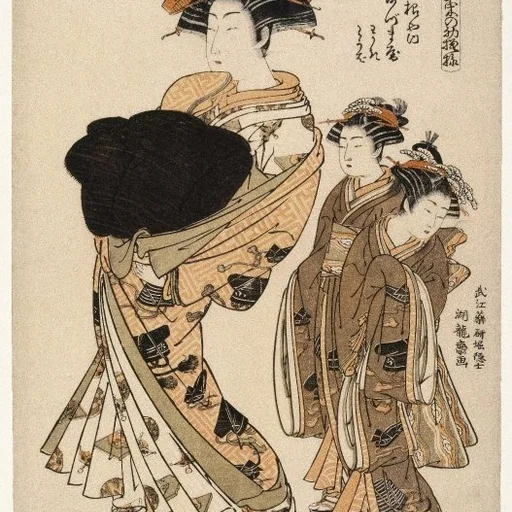

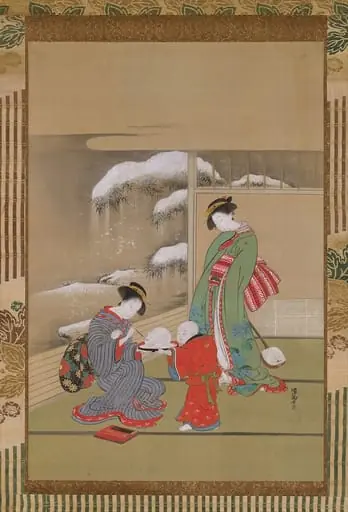
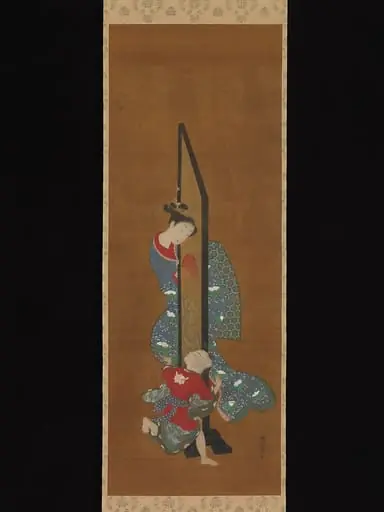
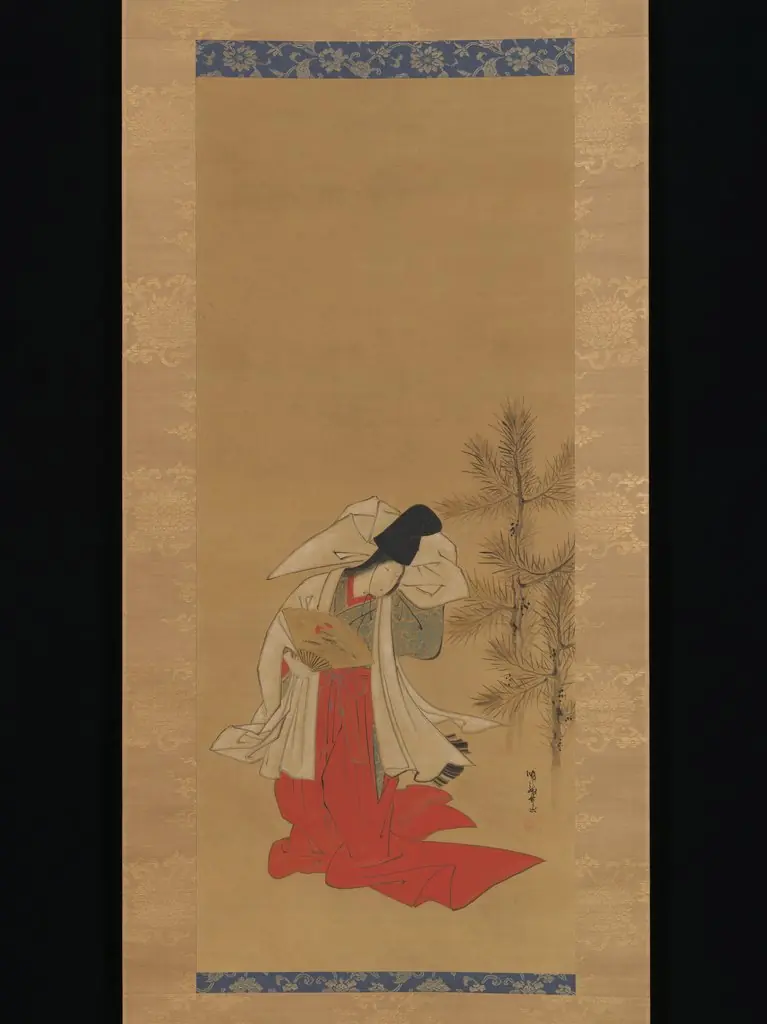
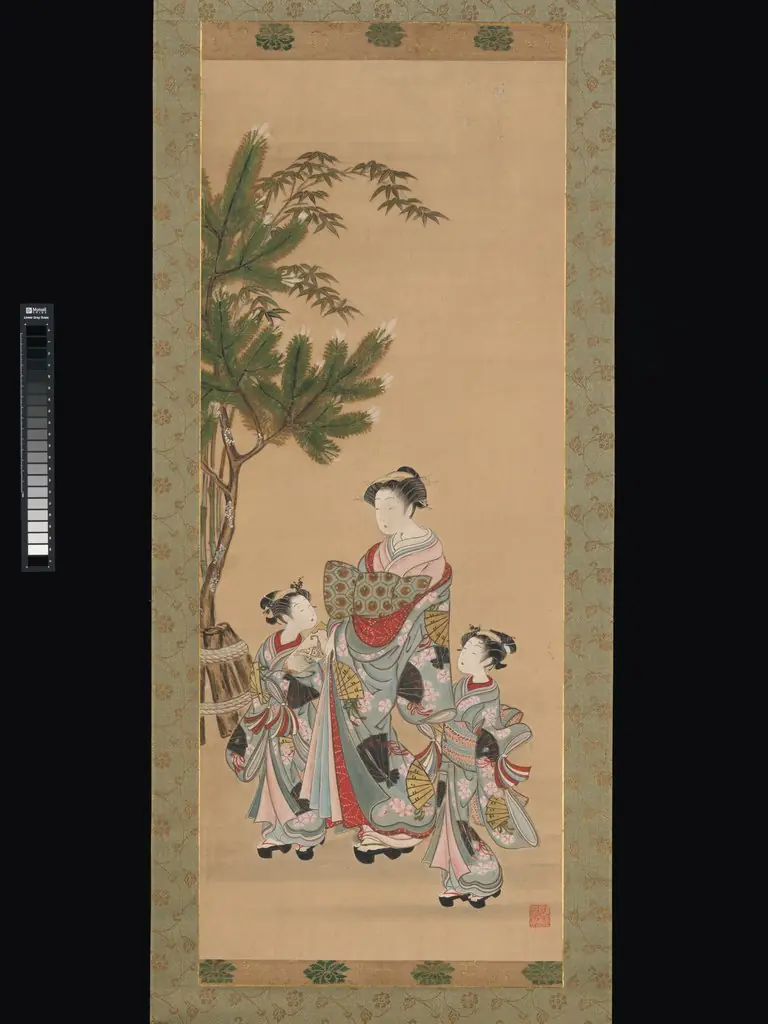
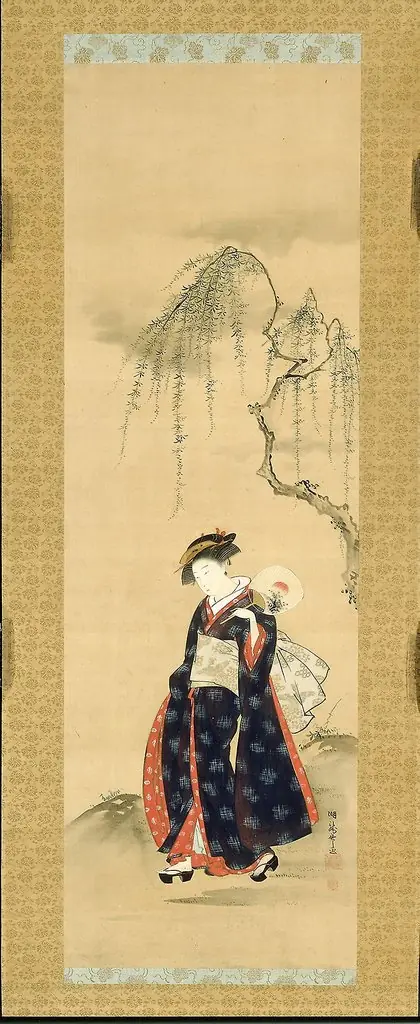
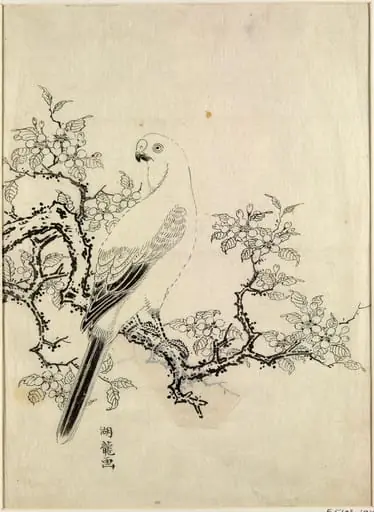
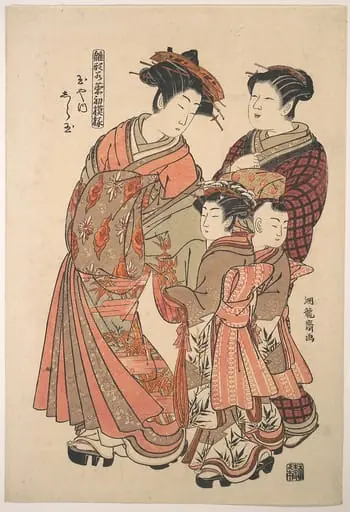 『雛形若菜初模様 玉や内 しら玉』|The Courtesan Shiratama of the Tamaya Brothel, from the series “A Pat-tern Book of the Year’s First Designs, Fresh as Spring Herbs” (“Hinagata wakana hatsu moyō”)
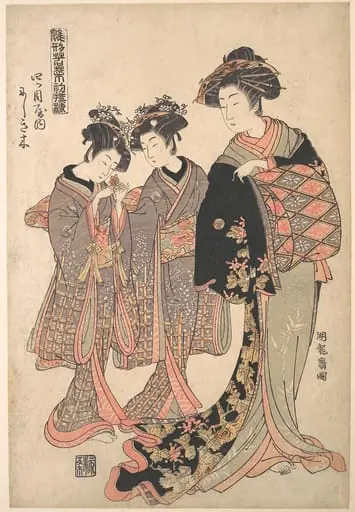 『雛形若菜初模様 四ツ目屋内 にしき木』|The Courtesan Nishikigi of the Yotsumeya Brothel, from the series “A Pattern Book of the Year’s First Designs, Fresh as Spring Herbs” (“Hinagata wakana hatsu moyō”)
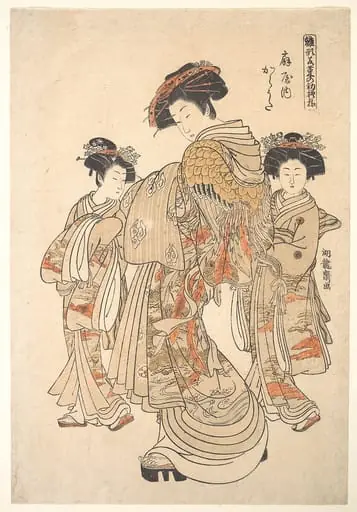 『雛形若菜の初模様 扇屋内 からうた』|The Courtesan Karauta of the Ōgiya Brothel, from the series “A Pattern Book of the Year’s First Designs, Fresh as Spring Herbs” (“Hinagata wakana no hatsu moyō”)
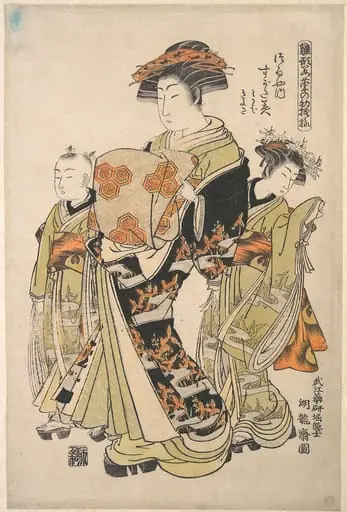 『雛形若菜の初模様 つるや内 すがたみ』|The Courtesan Sugatami of the Tsuruya Brothel, from the series “A Pat-tern Book of the Year’s First Designs, Fresh as Spring Herbs” (“Hinagata wakana no hatsu moyō”)
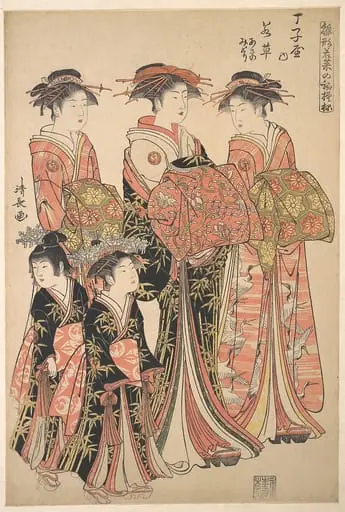 鳥居清長画 「雛形若菜の初模様 丁子屋の若草・ あさの・みどり」|The Courtesan Wakakusa of the Chōjiya Brothel, and Attendants Asano and Midori, from the series “A Pattern Book of the Year’s First Designs, Fresh as Spring Herbs” (Hinagata wakana no hatsumoyō)
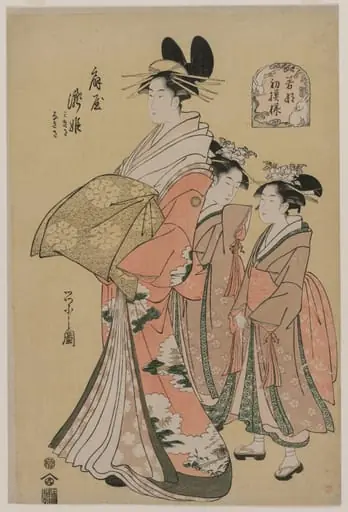 The Courtesan Takihime and Attendants (from the series New Patterns of Young Greens)
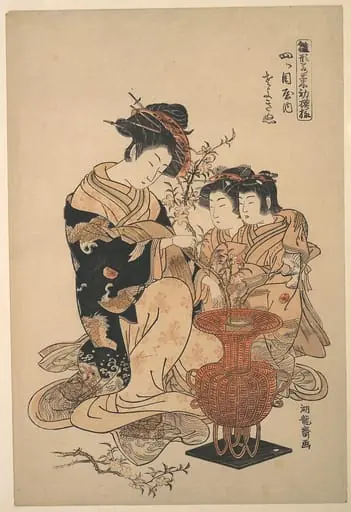 礒田湖竜斎画「雛形若菜初模様 四ツ目屋内 さよぎぬ」|The Courtesan Sayoginu of the Yotsumeya Brothel, from the series “A Pattern Book of the Year’s First Designs, Fresh as Spring Herbs” (Hinagata wakana hatsu moyō)
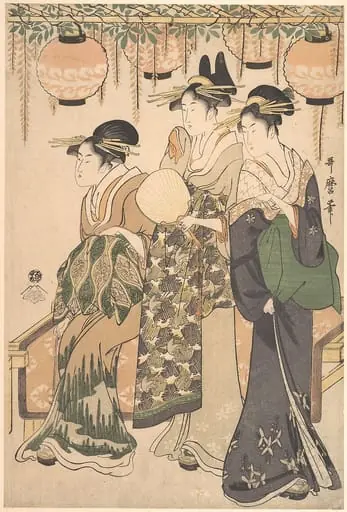 藤棚下の遊女たち|Courtesans Beneath a Wisteria Arbor (Fuji dana shita no yūjo tachi)
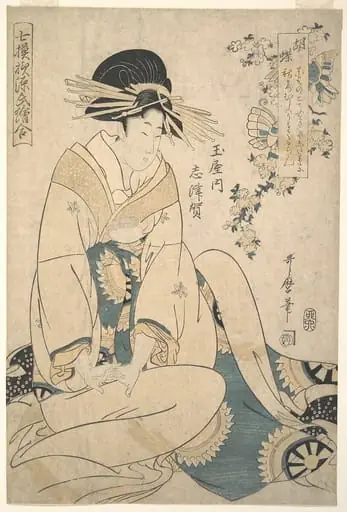 玉屋内 志津賀|A Courtesan
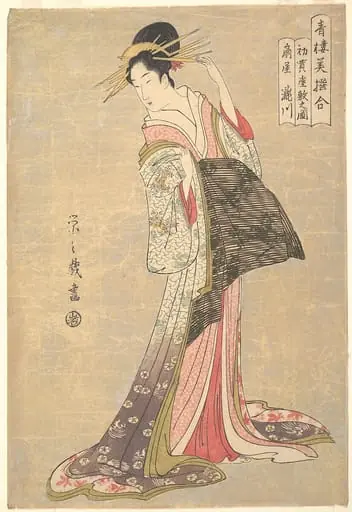 鳥文斎栄之画 「青楼美撰合 初売座敷之図 扇屋滝川」|Takigawa of the Ōgiya Brothel: The First Reception Room Appointment of the New Year (Hatsu-uri zashiki no zu: Ōgiya Takigawa), from the series A Comparison of Selected Beauties of the Pleasure Quarters (Seirō bisen awase)