Artwork
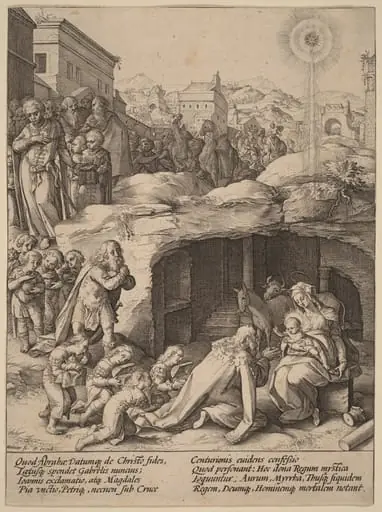
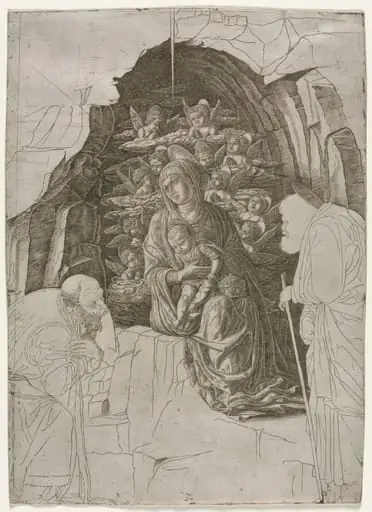
The Adoration of the Magi (Virgin in the Grotto)
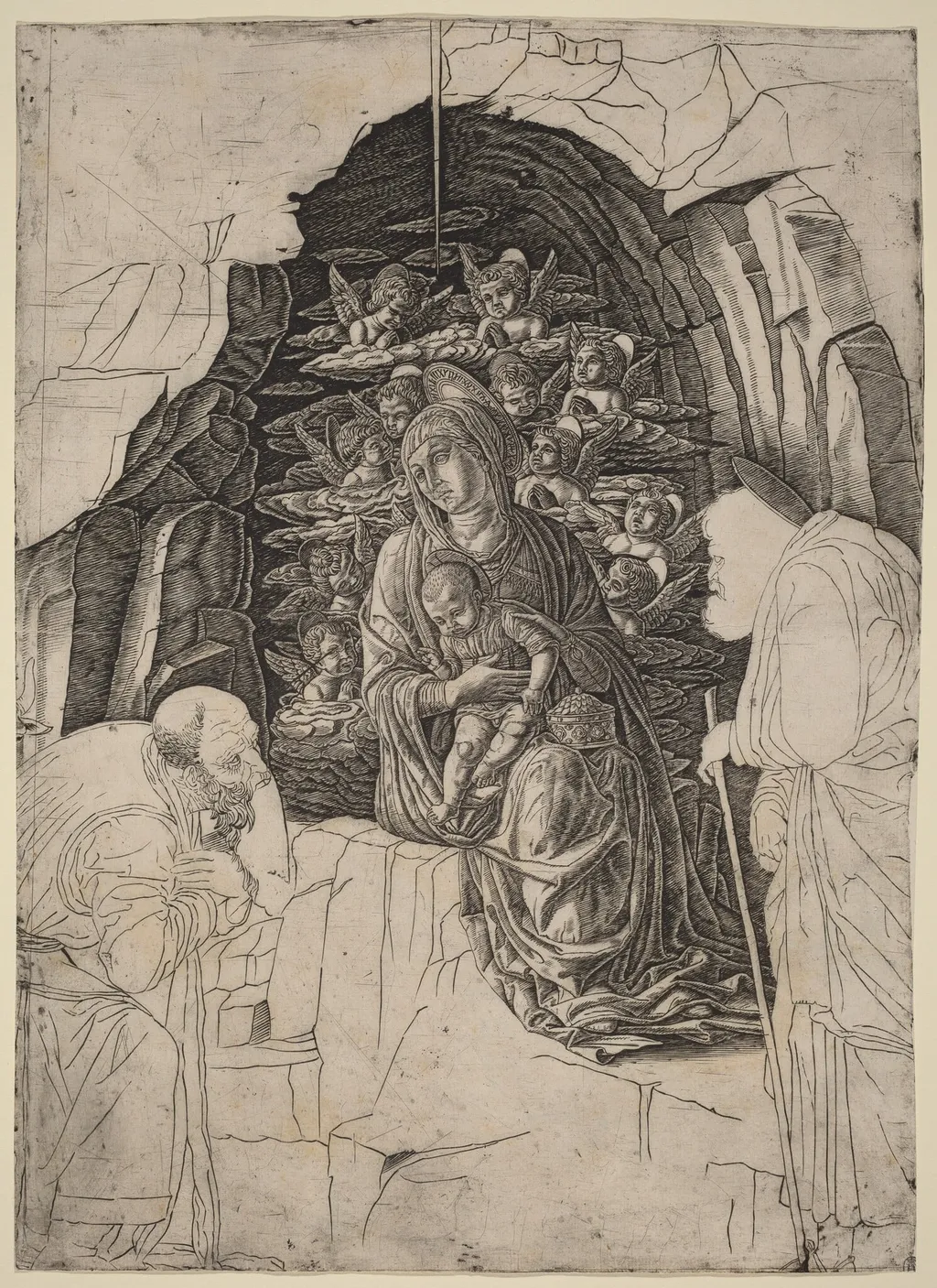
The Adoration of the Magi (Virgin in the Grotto) is an ink print by the Renaissance artist Italian 15th Century. It dates from 1500 and is held in the collection of the National Gallery of Art.
About this work
Overview
The work titled *The Adoration of the Magi (Virgin in the Grotto)* is an engraving executed on laid paper. Rendered in the print medium, the image presents a central female figure holding a child, surrounded by numerous diminutive, winged beings within a cavernous setting. The composition is framed by rugged stone walls and a vaulted, rocky ceiling, suggesting a grotto environment.
Subject & Meaning
The central scene depicts a Virgin and Child, a traditional Christian motif, receiving homage from a crowd of small, angelic figures. The surrounding winged figures appear to be offering reverence, reinforcing the theme of adoration associated with the biblical narrative of the Magi’s visit, though the figures themselves are stylized rather than historically specific.
Technique & Style
The engraving employs fine, closely spaced lines to model forms and create tonal variation.
The engraving employs fine, closely spaced lines to model forms and create tonal variation. Cross‑hatching and delicate shading generate a sense of depth, allowing the stone textures, drapery, and the ethereal presence of the winged figures to emerge distinctly. Such meticulous line work aligns with the practices of Renaissance printmakers, who emphasized precision and gradation to achieve three‑dimensional effects on paper.
History & Provenance
The piece is identified as a print, indicating it was produced in multiple impressions rather than as a singular painting. No specific date, artist, or collection information is provided, limiting knowledge of its original ownership or subsequent exhibition history.
Context
Engravings of religious subjects were common in the Renaissance, serving both devotional and educational purposes. By placing the Virgin and Child within a grotto, the artist merges sacred iconography with a naturalistic setting, reflecting contemporary interests in integrating biblical narratives with realistic landscapes.
Legacy
While details about the creator and reception are absent, the work exemplifies the technical skill of Renaissance engraving and contributes to the broader corpus of print media that disseminated religious imagery across Europe during that period.
Artist & collection

Artist
This anonymous Italian engraver from the 1490s carved images that could be peeled apart like paper dolls—each knot in the "First Knot" print was cut from a single sheet so you could lift the loops right off the page.

![The Destruction of the Egyptian Idols [verso], by Italian 15th Century](https://artifactworldgallery.com/img/italian-15th-century--the-destruction-of-the-egyptian-idols-verso--646d3c2b8098cfee-w320.webp)
![The Flight into Egypt [recto], by Italian 15th Century](https://artifactworldgallery.com/img/italian-15th-century--the-flight-into-egypt-recto--8f4d5275d7f90f98-w320.webp)
 The Adoration of the Magi
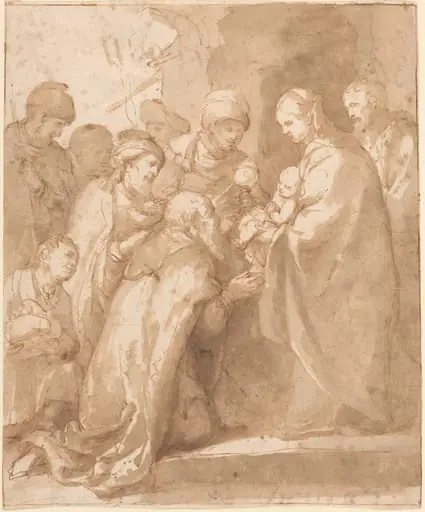 The Adoration of the Magi
 Virgin and Child in the Grotto (Adoration of the Magi)
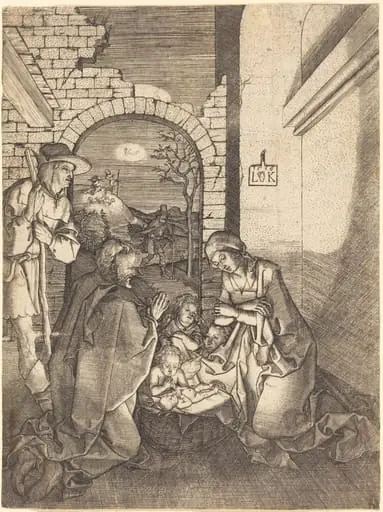 The Nativity
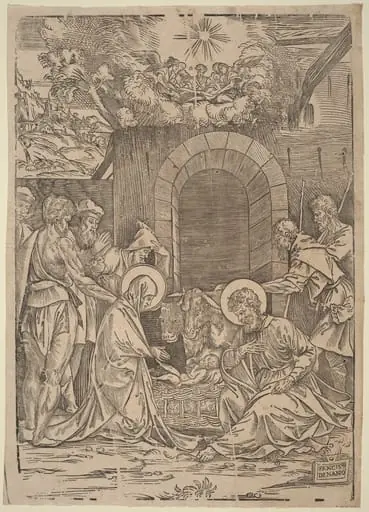 The Adoration of the Shepherds
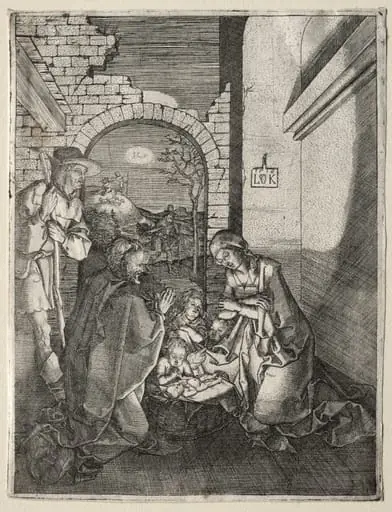 The Nativity
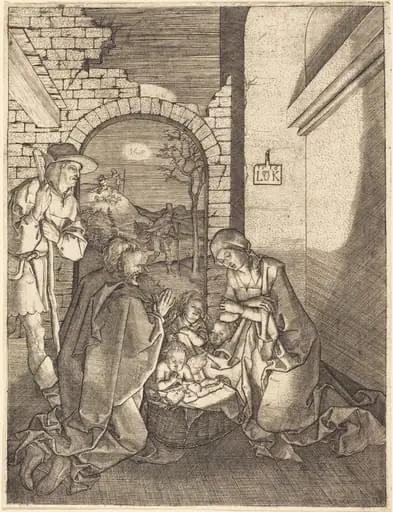 The Nativity
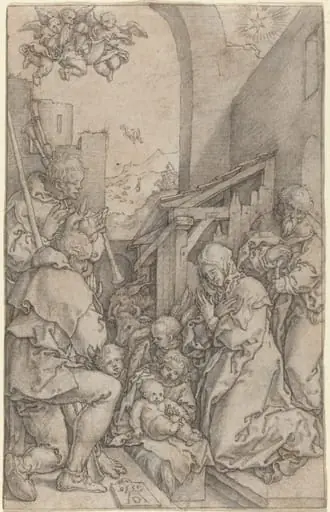 The Nativity
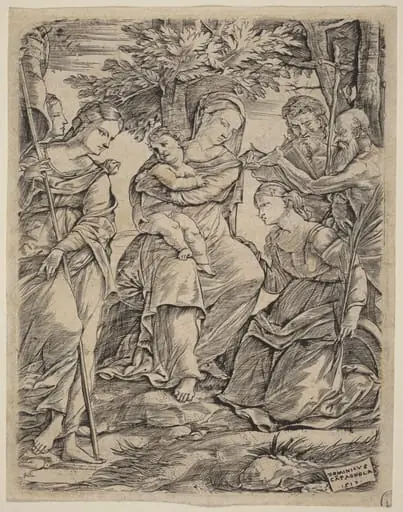 The Virgin and Child with Saints
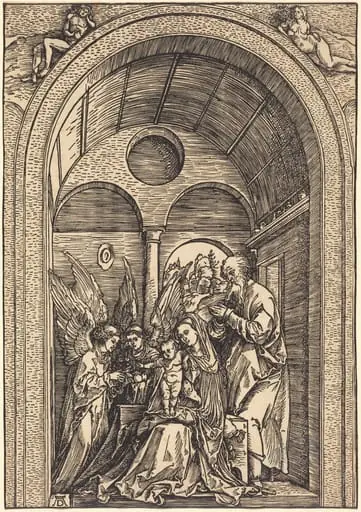 The Holy Family with Two Angels in a Vaulted Hall
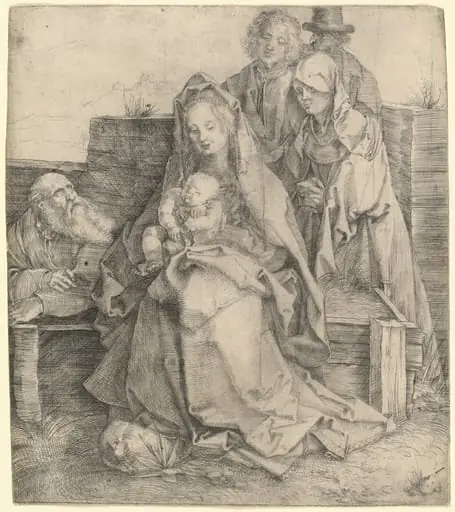 The Holy Family
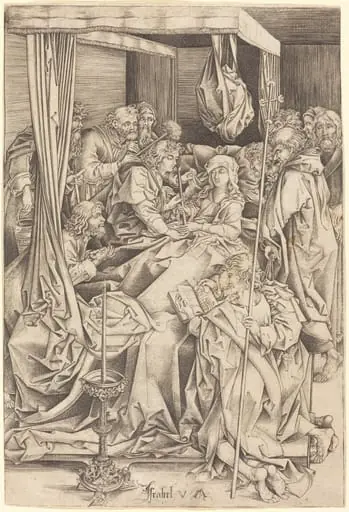 The Death of the Virgin