Artwork
Portrait of Johann Wilhelm, elector of the Palatine
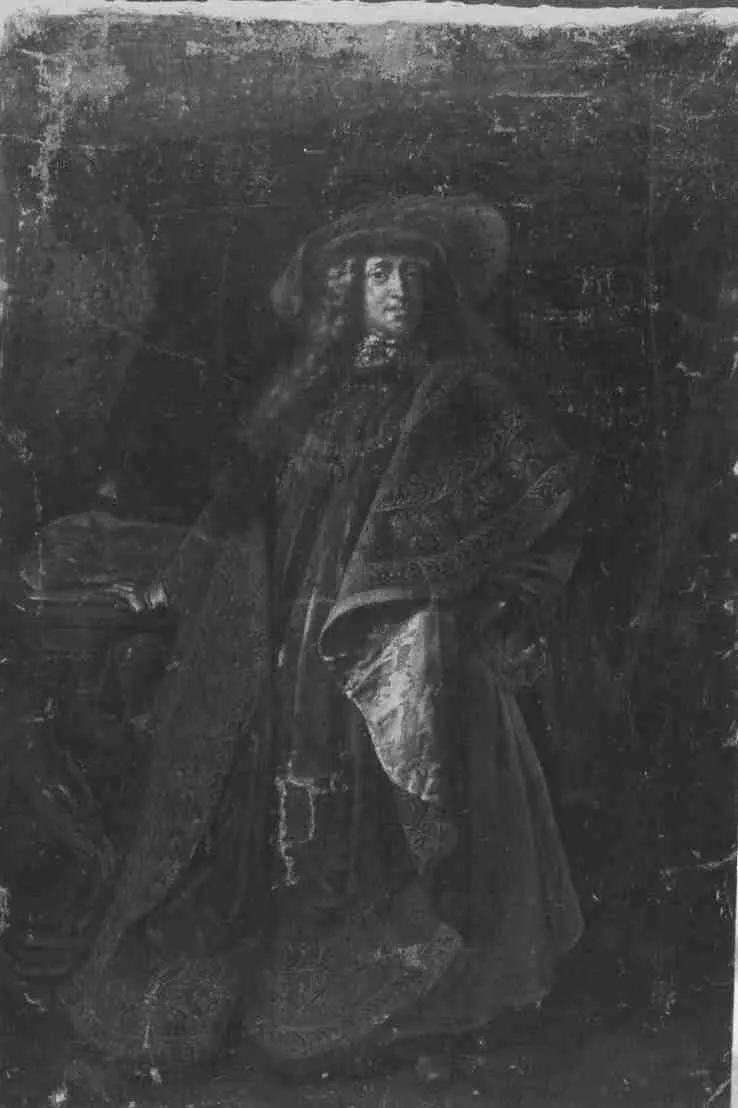
Portrait of Johann Wilhelm, elector of the Palatine is an oil painting by the Rococo painting artist Jan Frans van Douven. It dates from 1696 and is held in the collection of the Bavarian State Painting Collections.
About this work
Overview
Jan Frans van Douven’s 1696 oil portrait depicts Johann Wilhelm, Elector Palatine, in formal attire. Executed on canvas, the work belongs to the late Baroque period that transitions toward Rococo. Currently it is part of the Alte Pinakothek’s collection in Munich, where it is displayed among other courtly portraits of the era.
Subject & Meaning
The sitter, Johann Wilhelm (1658–1716), appears in a dignified pose, his head slightly inclined, hand resting on a chair back, the other clutching a folded document. His elaborate costume—wide-brimmed hat, fur‑trimmed coat, and ruffled shirt—signals his high rank and the ceremonial responsibilities of an elector within the Holy Roman Empire.
Technique & Style
Van Douven employs a restrained palette and careful modeling to render the textures of fabric and fur. The composition relies on a dark, unadorned backdrop that isolates the figure, creating a chiaroscuro effect that emphasizes volume and facial expression. The brushwork is smooth, typical of court portraiture that favoured clarity over painterly vigor.
History & Provenance
Born in Roermond in 1656, van Douven spent much of his career as a court painter in Düsseldorf, where he produced most of his known works. The portrait entered the Alte Pinakothek’s holdings in the 19th century, reflecting the museum’s effort to assemble a representative collection of German and Netherlandish court art.
Artist & collection
Artist
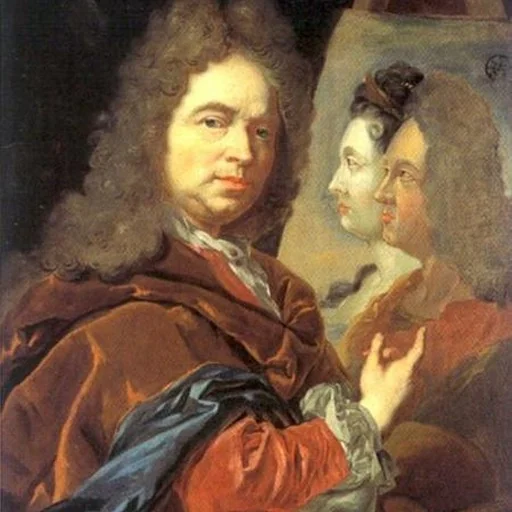
Jan Frans van Douven, or Johan Francois Douven (2 March 1656 – 1727) was a Southern Netherlandish portrait painter belonging to the Dutch Leyden School.

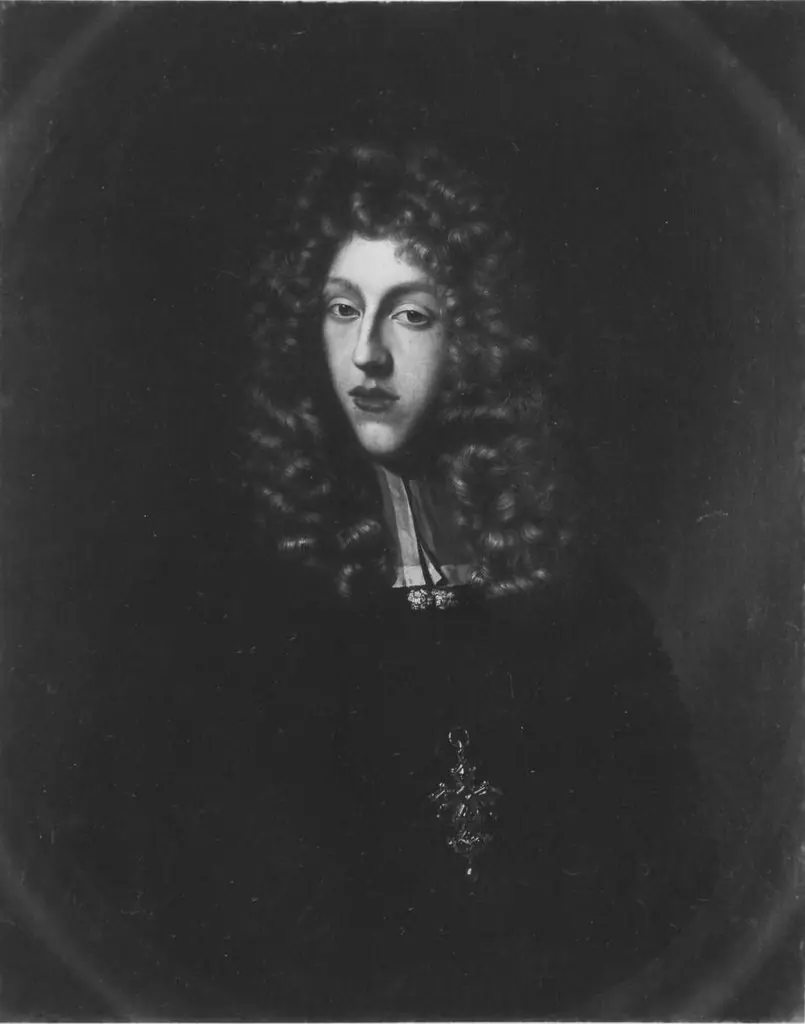 Bildnis eines jungen geistlichen Fürsten
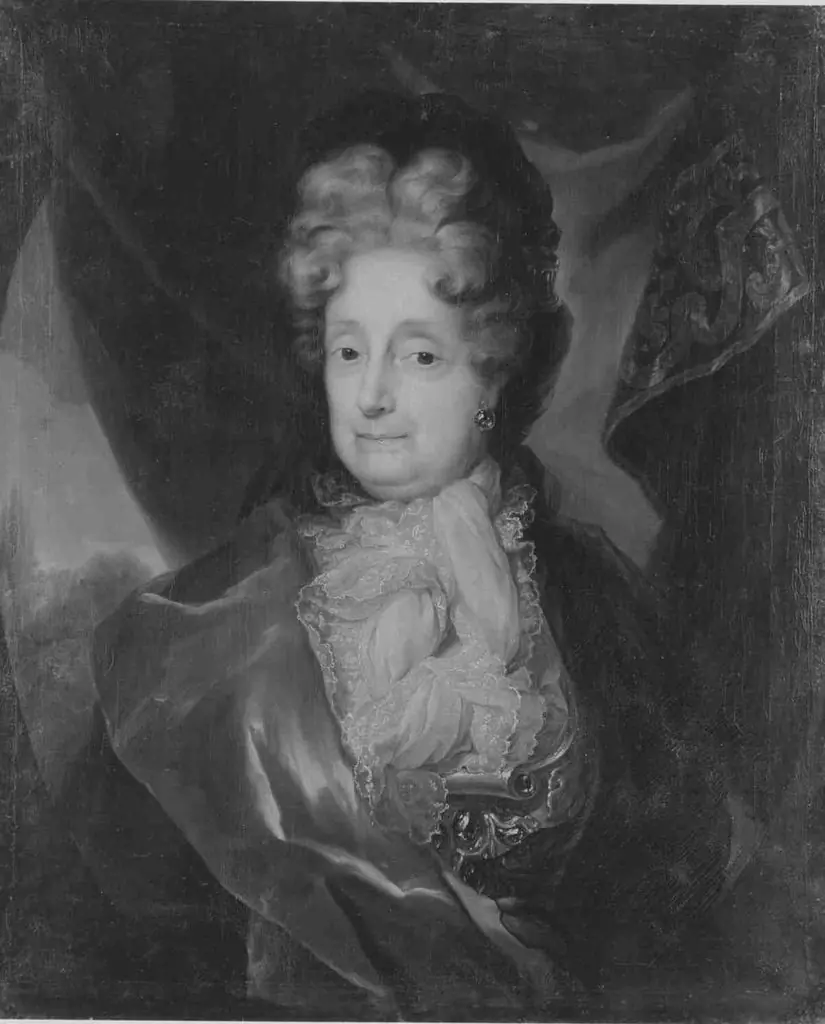 Portrait of Sophia of the Palatinate, dowager electress of Hanover
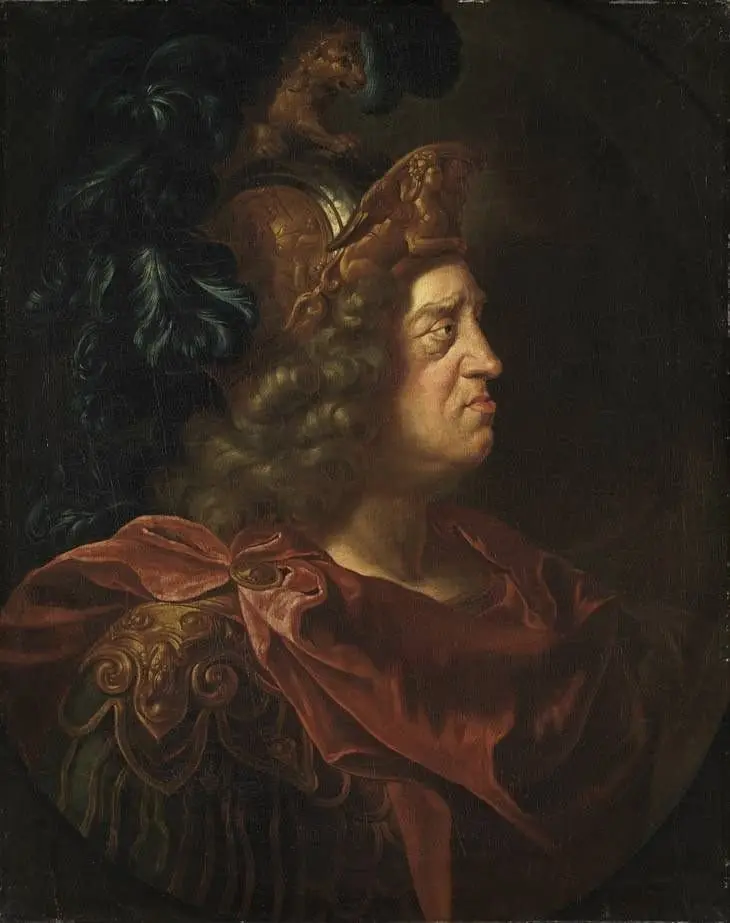 Kurfürst Johann Wilhelm von der Pfalz
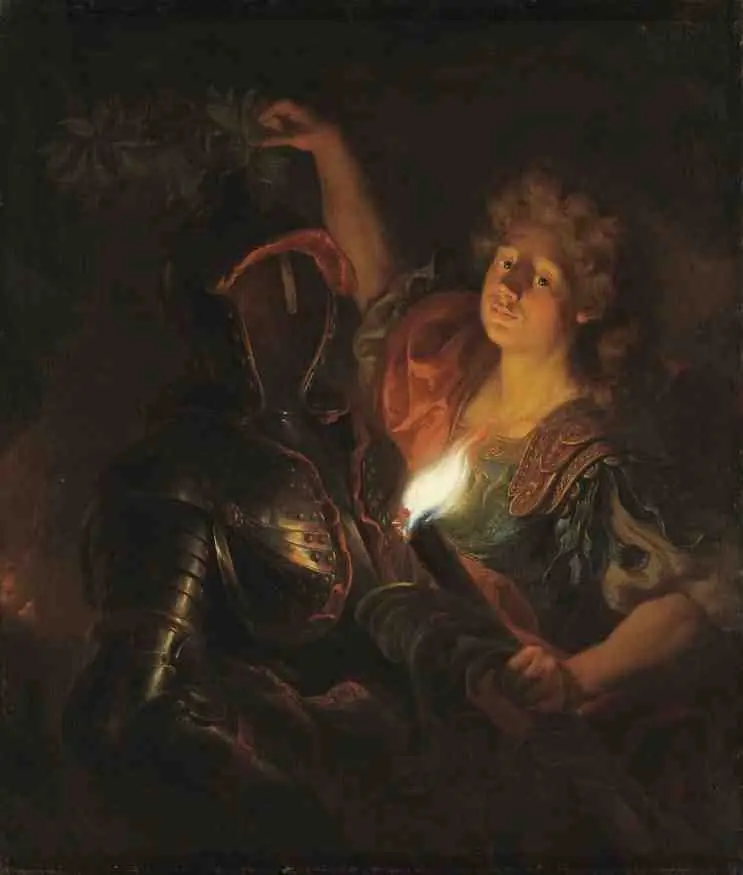 Warrior with torch and wreath
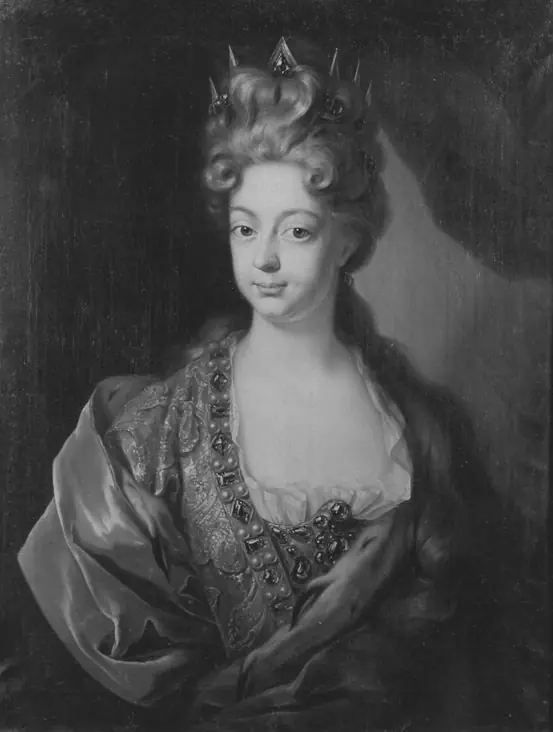 Portrait of Wilhelmine Amalie of Braunschweig-Lüneburg
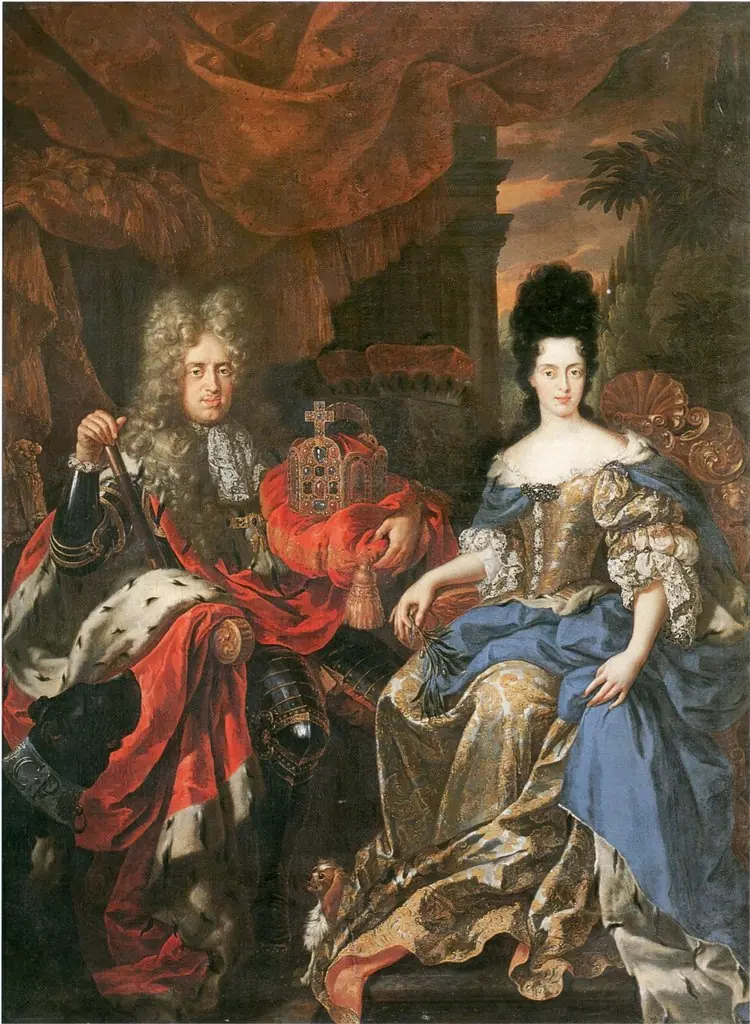 Double portrait of Johann Wilhelm von der Pfalz and Anna Maria Luisa de' Medici
 Donor portrait
 BIldnis eines jungen kurpfälzischen Prinzen (?) (?)
 Bildnis des Kurfürsten Max Emanuel von Bayern
 Bildnis eines unbekannten Fürsten
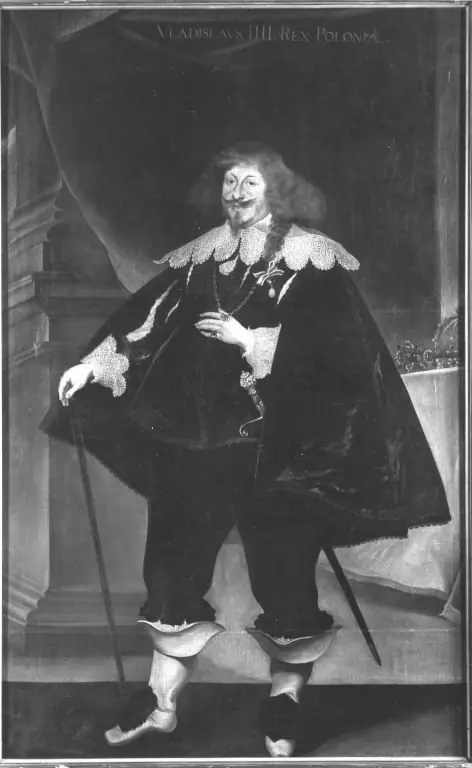 Portrait of King Ladislaus IV Vasa.
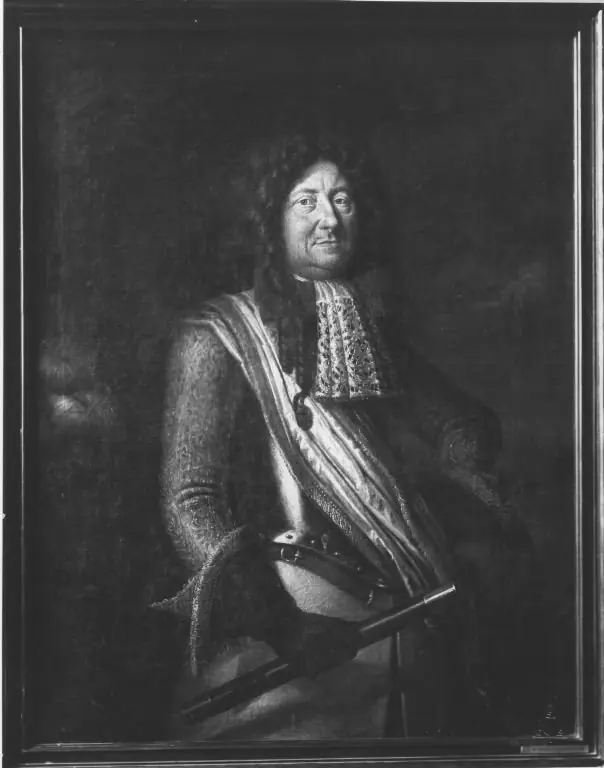 Unbekannter Feldmarschall (Prinz von Homburg?)
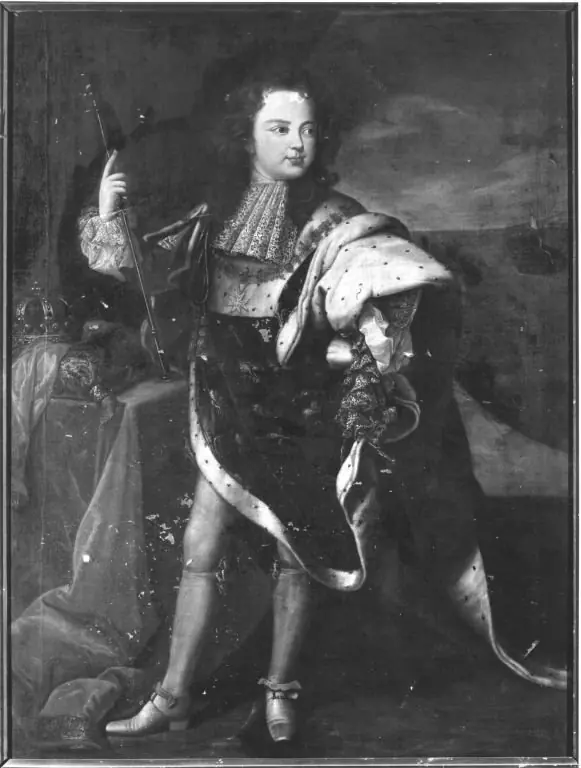 Knabenbildnis des Ludwig XV. als Dauphin
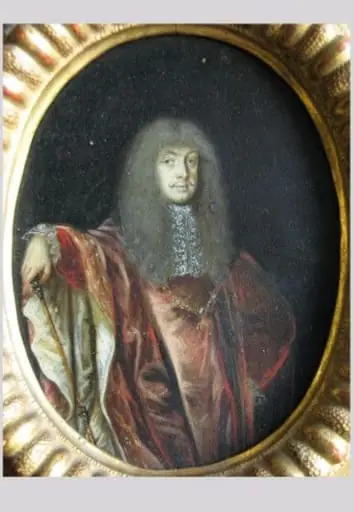 Împăratul Leopold I, Mare Maestru al ordinului "Lâna de aur"
 Portrait of Ferdinando de' Medici, Grand Prince of Tuscany
 Kurfürst Johann Wilhelm von der Pfalz (Kopie nach van der Werff)
 Bildnis eines Mannes
 Prince Eugene