Artwork
Warrior with torch and wreath
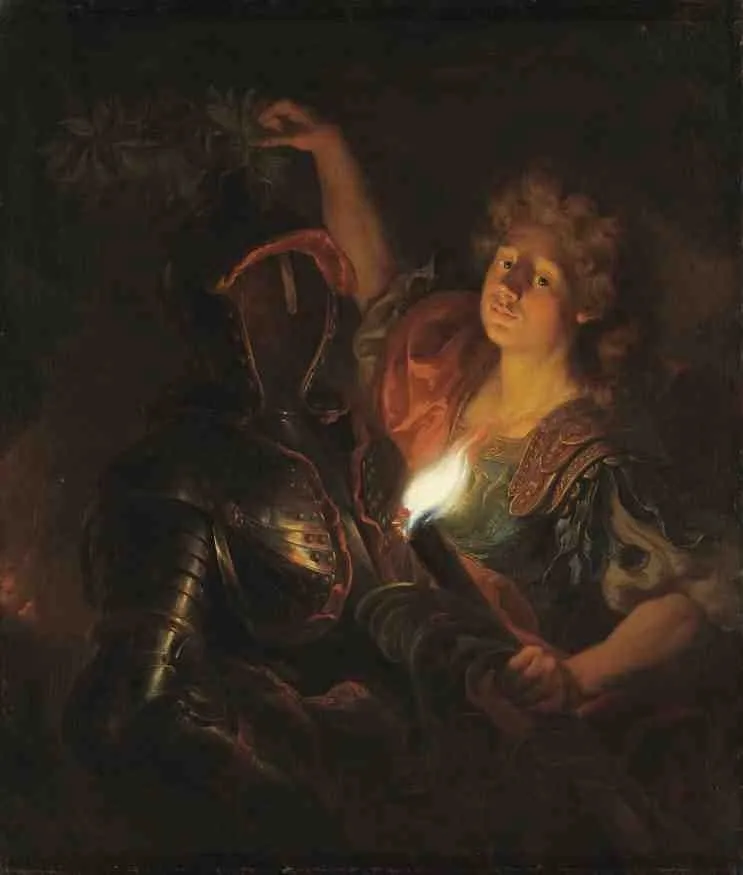
Warrior with torch and wreath is an oil painting by the Rococo painting artist Jan Frans van Douven. It dates from 1705 and is held in the collection of the Bavarian State Painting Collections.
About this work
Overview
Painted in 1705 by Jan Frans van Douven, this oil work portrays a armored figure holding a torch and a wreath, set against a dark, undefined background.
Painted in 1705 by Jan Frans van Douven, this oil work portrays a armored figure holding a torch and a wreath, set against a dark, undefined background. Though often associated with the Rococo period for its decorative elements, the painting’s tone leans toward solemnity rather than frivolity. Van Douven, trained in the Southern Netherlands and active in Düsseldorf, applied precise brushwork to render texture and form with quiet intensity.
Subject & Meaning
The figure, likely an allegorical warrior, holds symbols of illumination and victory—the torch and laurel wreath—suggesting triumph or civic honor. His serious expression and the absence of celebratory motion distinguish the scene from festive allegories. The helmet tucked under his arm implies a pause after battle, evoking reflection rather than triumphalism. The imagery may reference ideals of duty or civic virtue, common in courtly portraiture of the era.
Technique & Style
Van Douven employed chiaroscuro to model the warrior’s armor and face, using sharp contrasts between light and shadow to enhance three-dimensionality. The torch’s glow illuminates the figure’s features and the metallic surfaces of his armor, while the dark background isolates him, focusing attention on his presence. Fine detailing in the armor’s engravings and the wreath’s leaves reveals meticulous observation and controlled brushwork.
History & Provenance
Created during van Douven’s tenure as court painter in Düsseldorf, the work likely served a noble patron’s collection. It entered the Alte Pinakothek’s holdings in Munich through documented acquisitions in the 19th century. Its attribution has remained consistent, with no evidence of significant alteration or reworking after its completion in 1705.
Context
While Rococo aesthetics typically favored lightness and ornament, van Douven’s approach retained the gravity of earlier Baroque traditions. His position at the Düsseldorf court placed him among artists serving princely patrons who valued symbolic portraiture. This painting reflects a transitional moment in Northern European art, where allegorical figures retained moral weight even as stylistic trends shifted toward playfulness.
Legacy
Though not widely reproduced, the painting exemplifies how court painters adapted allegorical themes with technical precision. Van Douven’s work influenced regional portraiture in the Rhineland, emphasizing dignity over theatricality. Its presence in the Alte Pinakothek ensures its continued study as a case of restrained Baroque expression within an evolving stylistic landscape.
Artist & collection
Artist
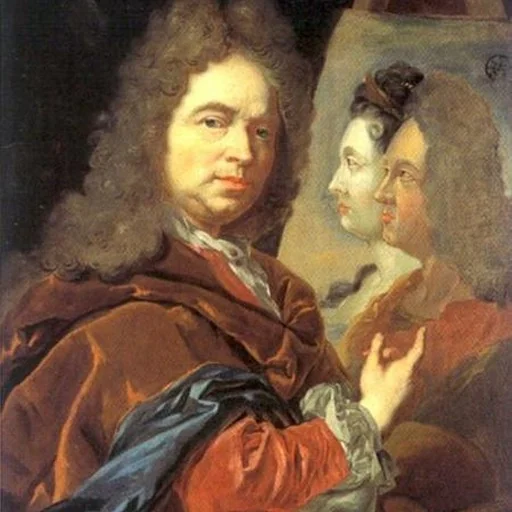
Jan Frans van Douven, or Johan Francois Douven (2 March 1656 – 1727) was a Southern Netherlandish portrait painter belonging to the Dutch Leyden School.

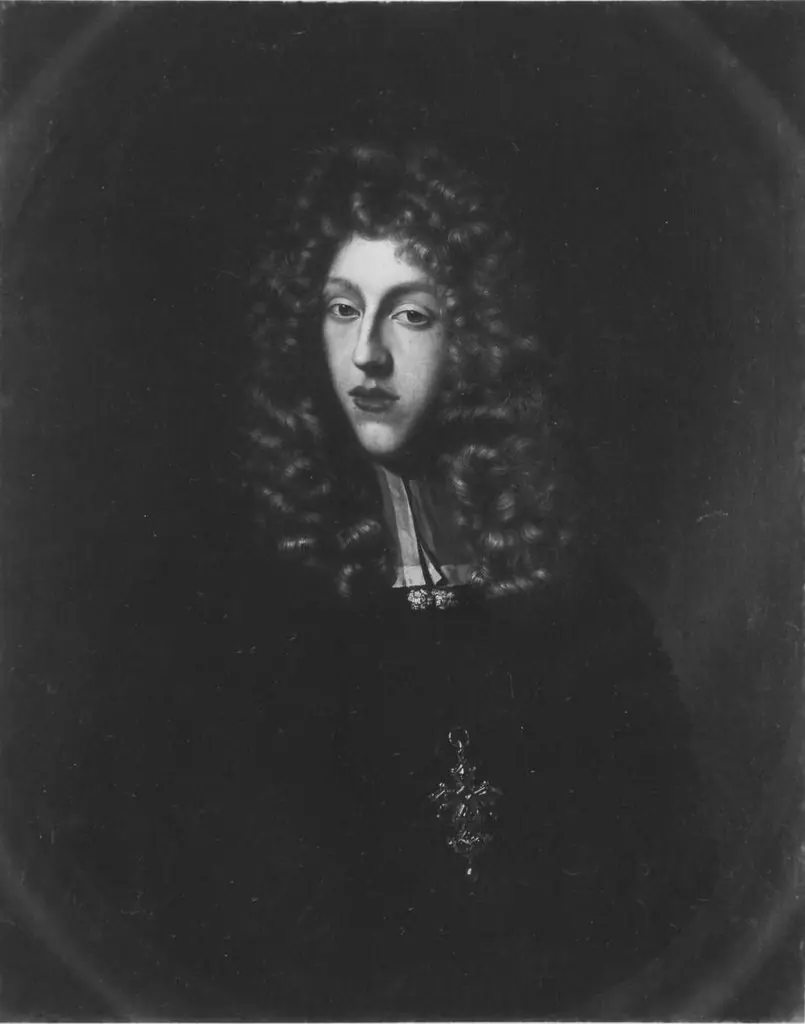 Bildnis eines jungen geistlichen Fürsten
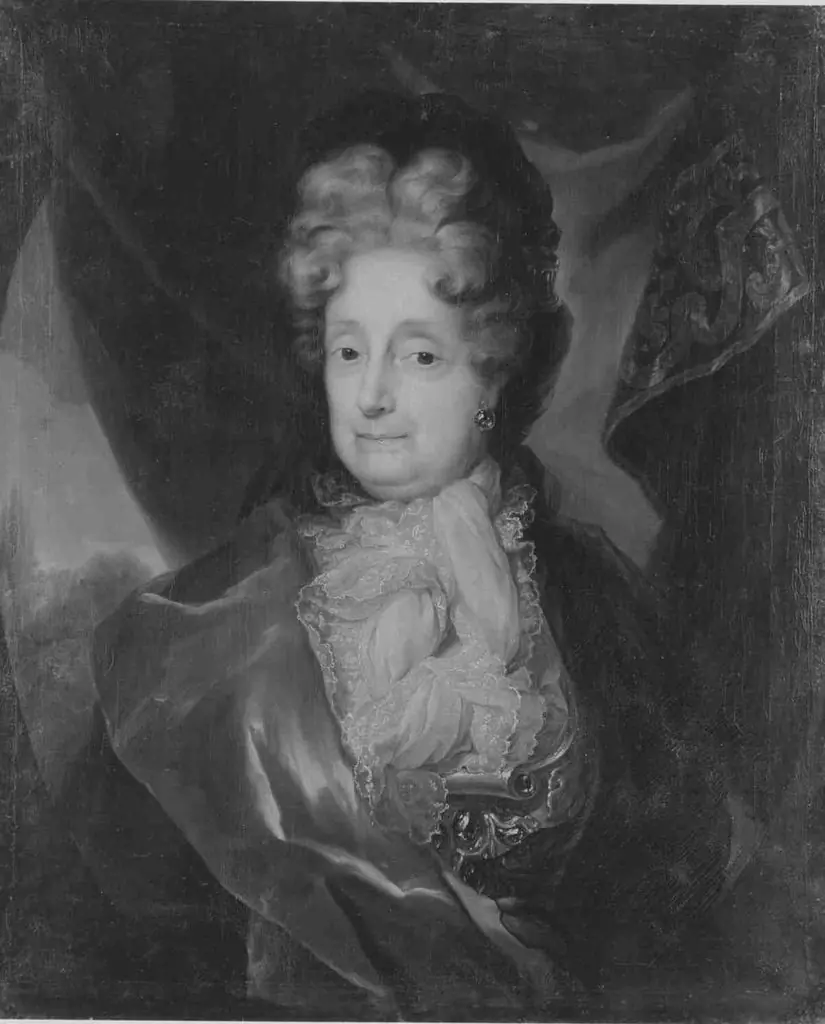 Portrait of Sophia of the Palatinate, dowager electress of Hanover
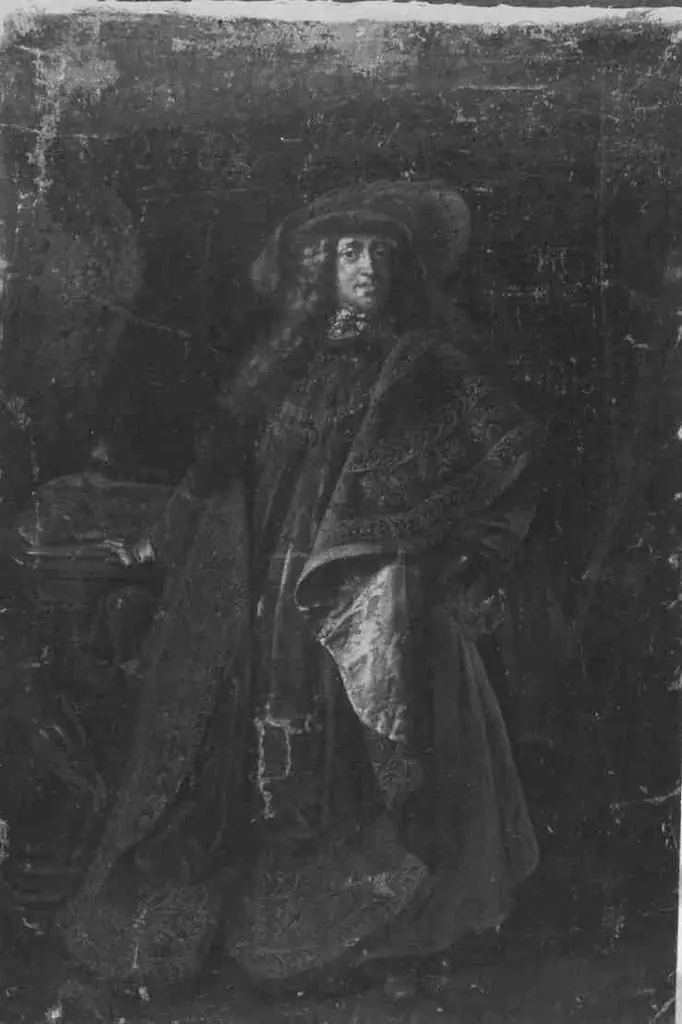 Portrait of Johann Wilhelm, elector of the Palatine
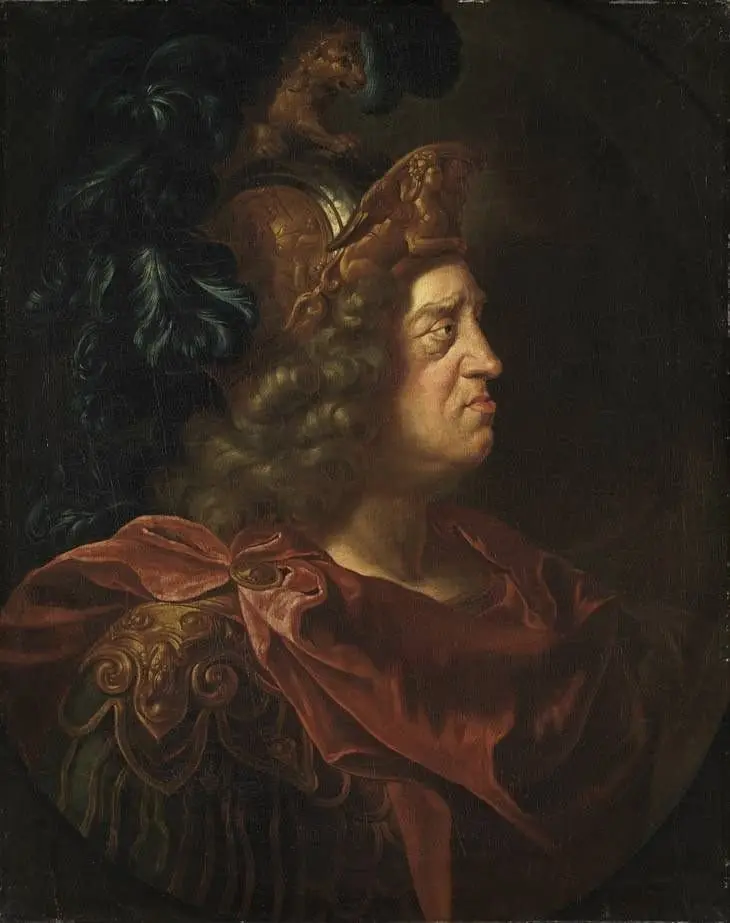 Kurfürst Johann Wilhelm von der Pfalz
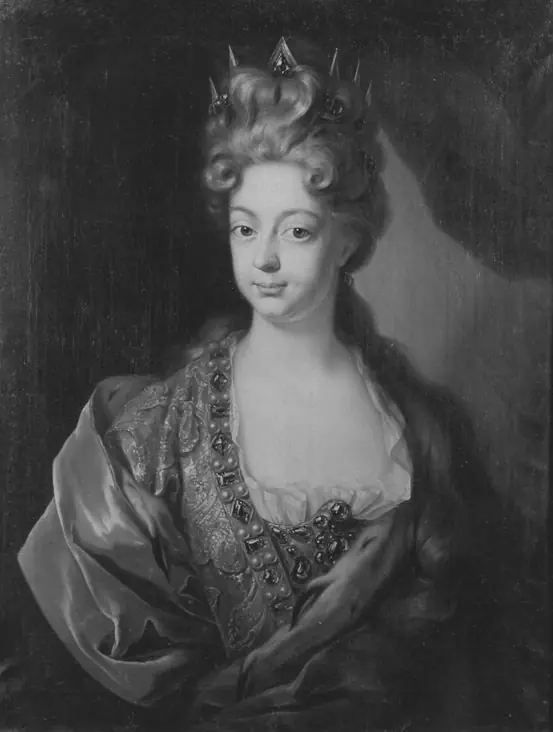 Portrait of Wilhelmine Amalie of Braunschweig-Lüneburg
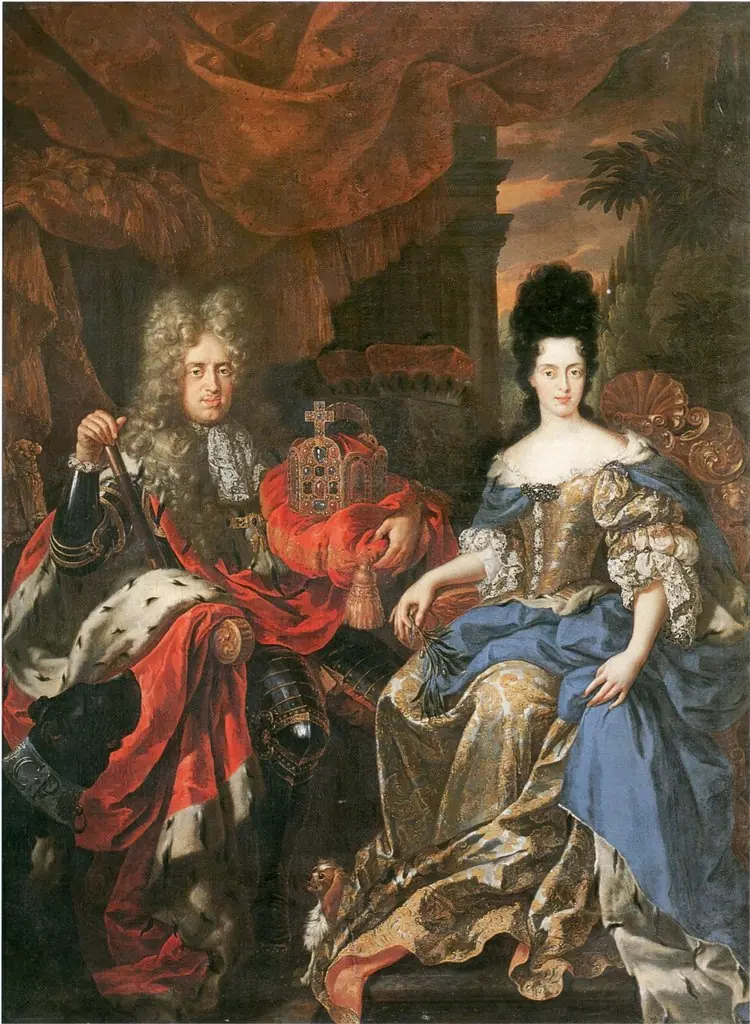 Double portrait of Johann Wilhelm von der Pfalz and Anna Maria Luisa de' Medici
 Donor portrait
 BIldnis eines jungen kurpfälzischen Prinzen (?) (?)
 St Secundus and Angel
 Allegory of Peace and War
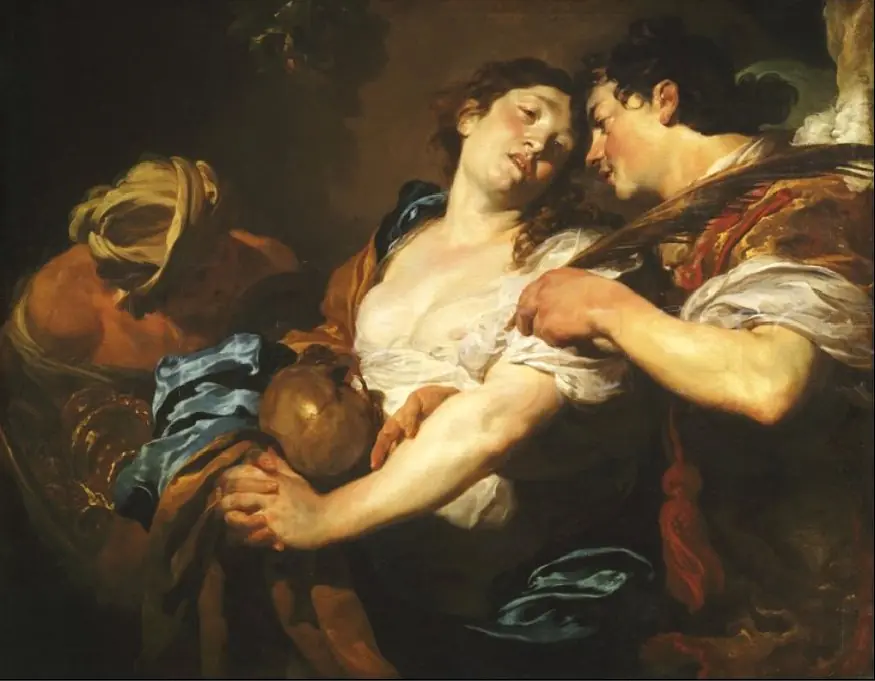 Temptation of Saint Mary Magdalen
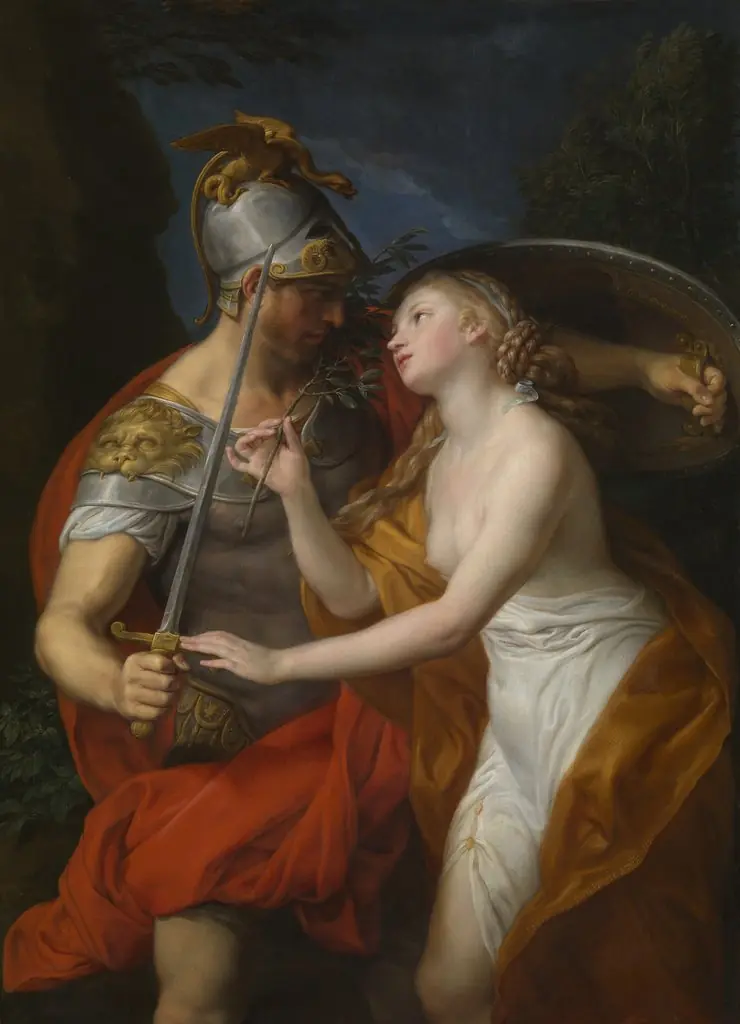 Peace and War
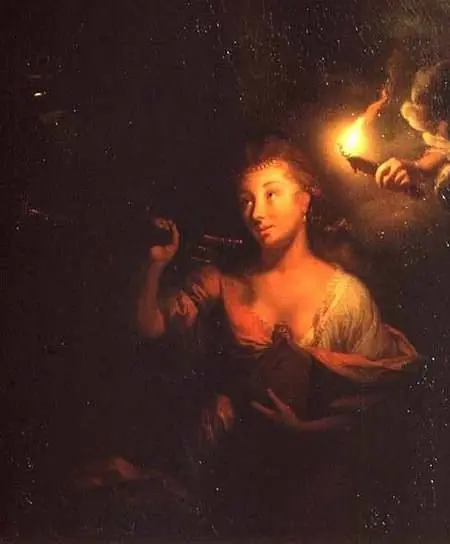 The Muse Clio
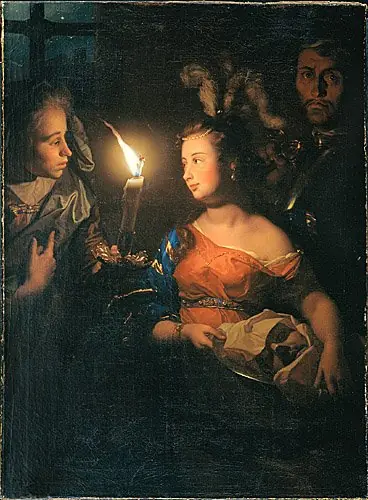 Salome with the Head of John the Baptist
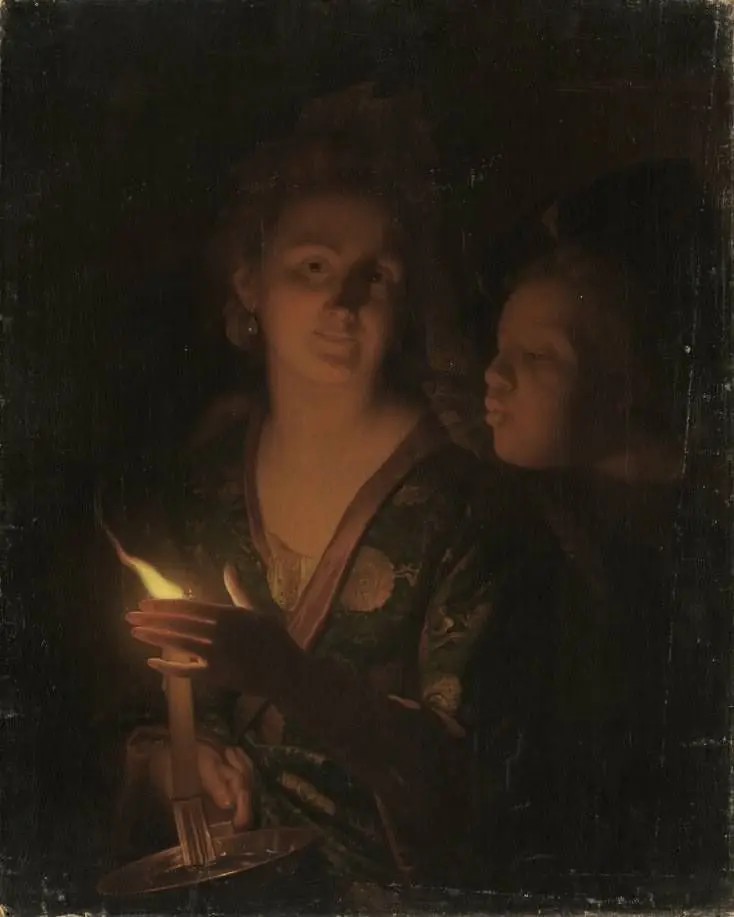 Woman with a candle that a boy tries to blow out
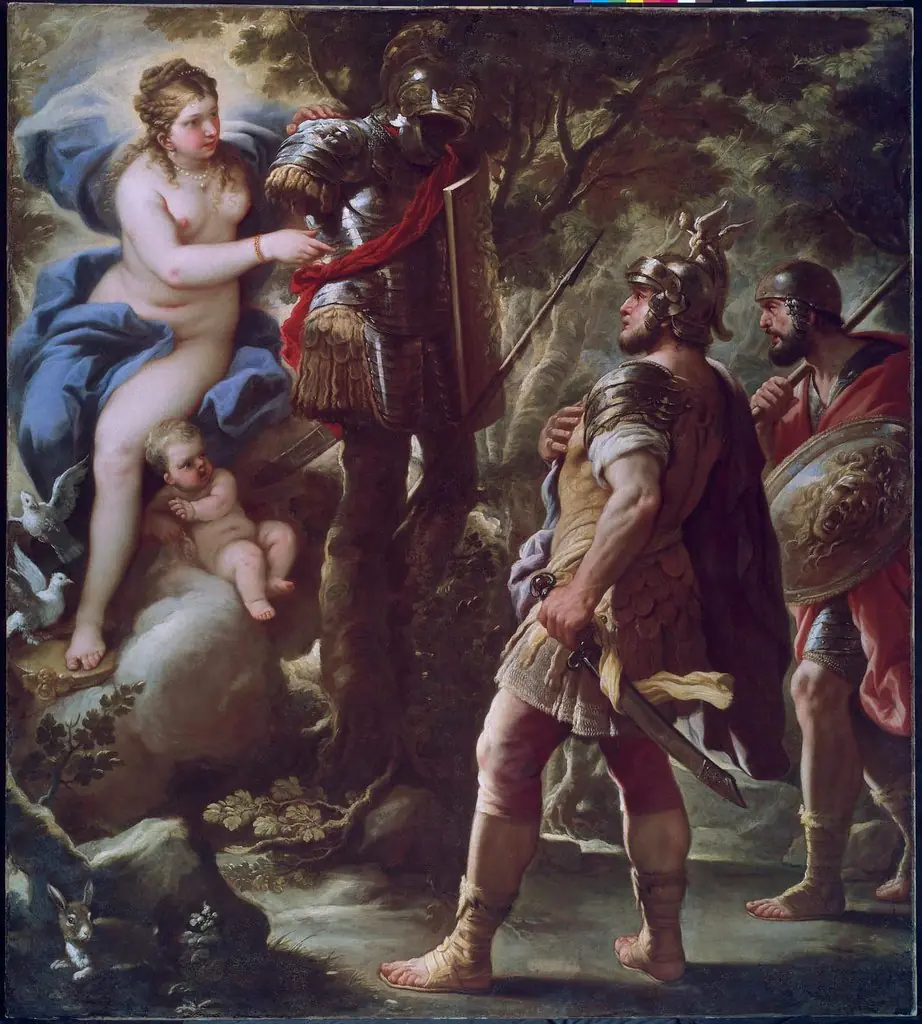 Venus Giving Arms to Aeneas
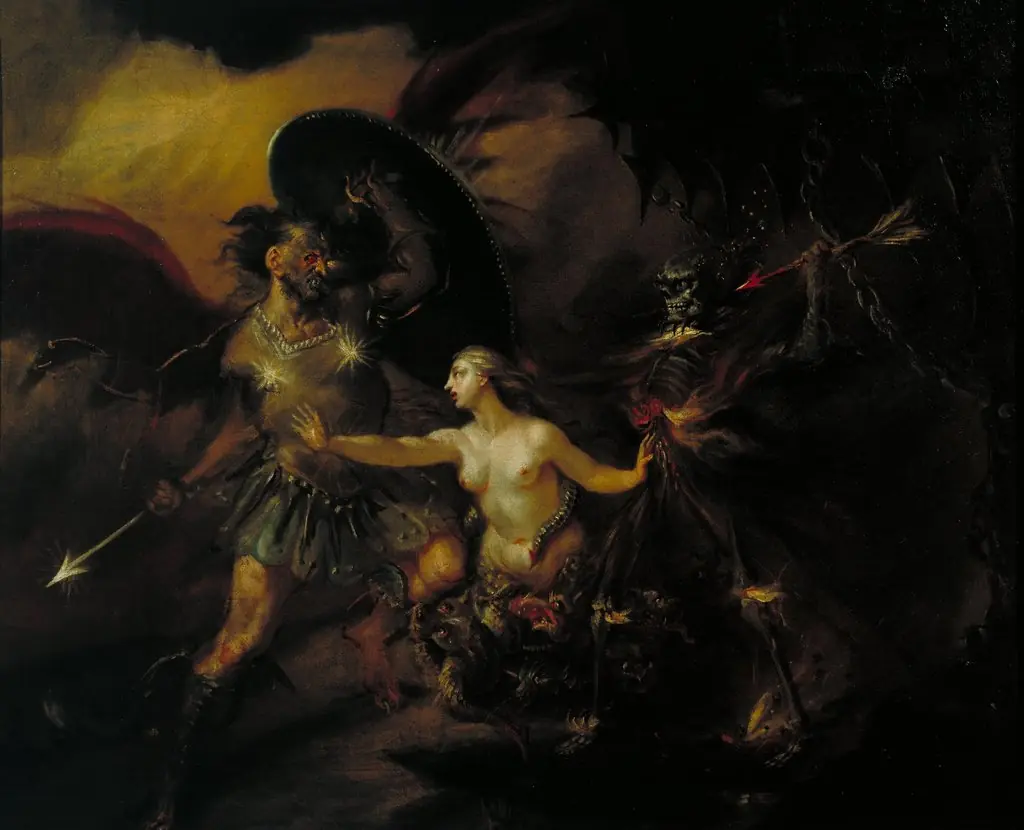 Satan, Sin and Death (A Scene from Milton's `Paradise Lost')
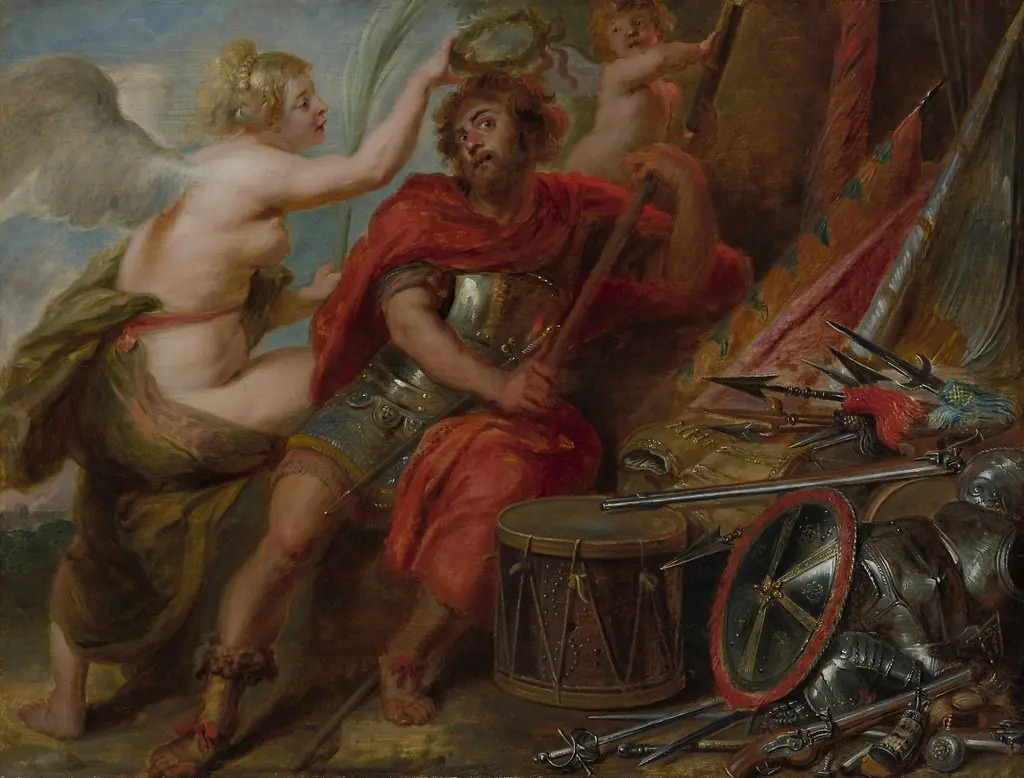 The Apotheosis of the Hero
 Britomart Redeems Faire Amoret
 Head of a Young Warrior