Artwork
Kurfürst Johann Wilhelm von der Pfalz
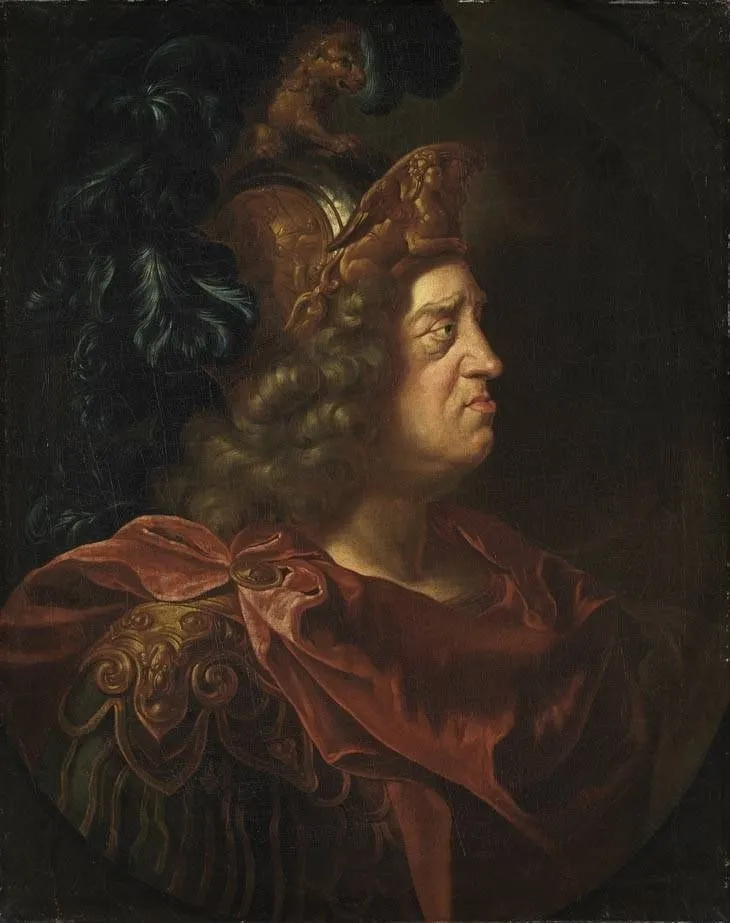
Kurfürst Johann Wilhelm von der Pfalz is an oil painting by the Rococo painting artist Jan Frans van Douven. It dates from 1710 and is held in the collection of the Bavarian State Painting Collections.
About this work
Overview
Kurfürst Johann Wilhelm von der Pfalz is a portrait painted in 1710 by Jan Frans van Douven, a prominent Southern Netherlandish artist associated with the Dutch Leyden School. Executed in oil on canvas, the work exemplifies the Rococo style and is currently housed in the Alte Pinakothek.
Subject & Meaning
The painting portrays Elector Johann Wilhelm von der Pfalz in formal, ceremonial attire, symbolizing his rank. Adorned with a gold crown topped by a fierce lion, and clad in a vibrant red robe, the subject's authority and status are emphasized through these visual elements.
Technique & Style
Van Douven employed characteristic Rococo techniques, juxtaposing a dark, subdued background with selective, illuminating light on the subject's face. This contrast highlights the intricate details of the Elector's regalia, showcasing the artist's mastery of texture and chiaroscuro.
History & Provenance
Created during van Douven's tenure as a court painter in Düsseldorf, this work represents a key piece from his prolific period in the city. Its current location in the Alte Pinakothek reflects its historical and artistic significance.
Context
As a court painter, van Douven's work was tailored to the tastes of his noble patrons. This portrait reflects the aesthetic preferences of the early 18th century European aristocracy, blending dignity with the emerging lighter, more ornate elements of Rococo.
Artist & collection
Artist
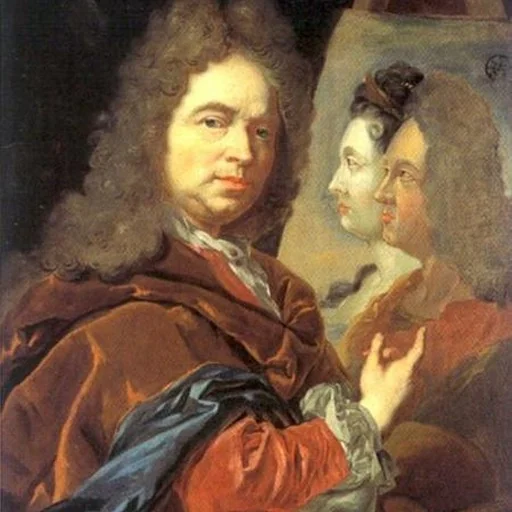
Jan Frans van Douven, or Johan Francois Douven (2 March 1656 – 1727) was a Southern Netherlandish portrait painter belonging to the Dutch Leyden School.

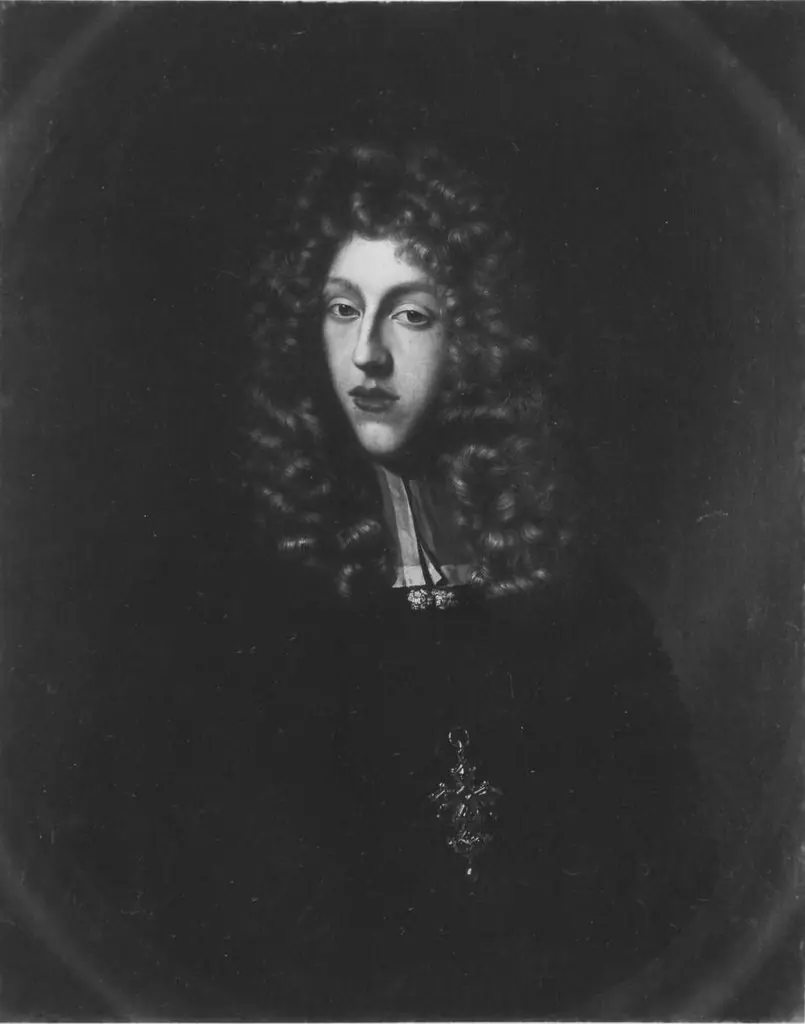 Bildnis eines jungen geistlichen Fürsten
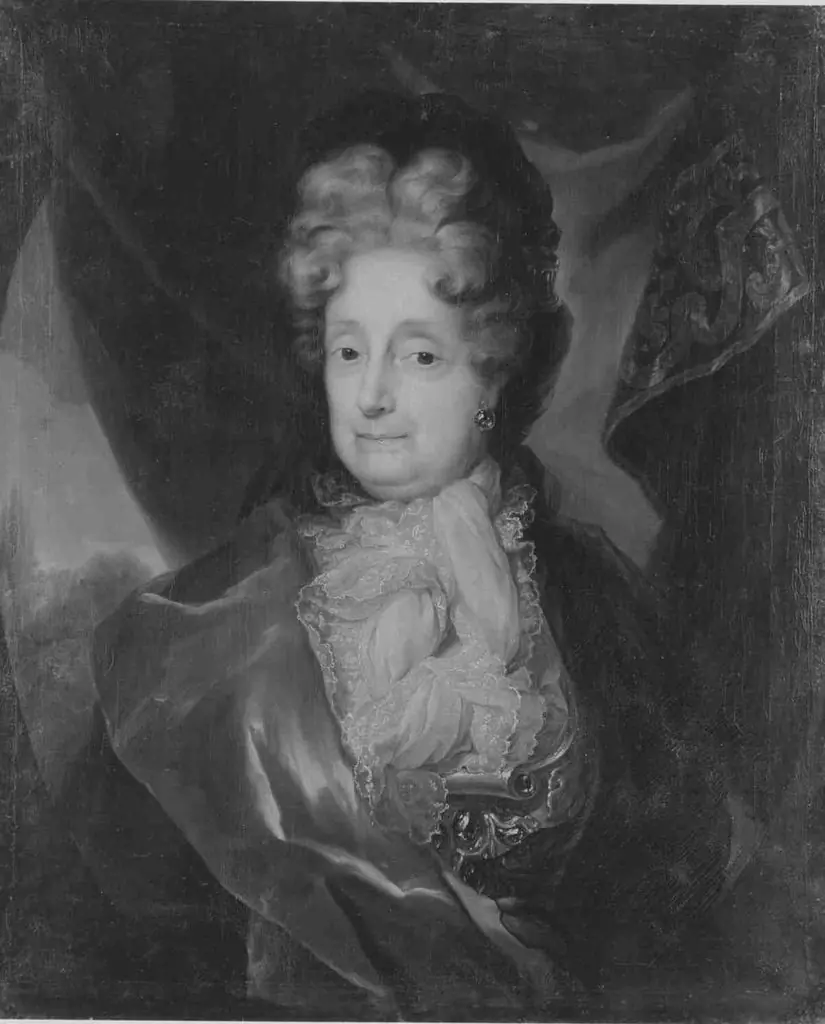 Portrait of Sophia of the Palatinate, dowager electress of Hanover
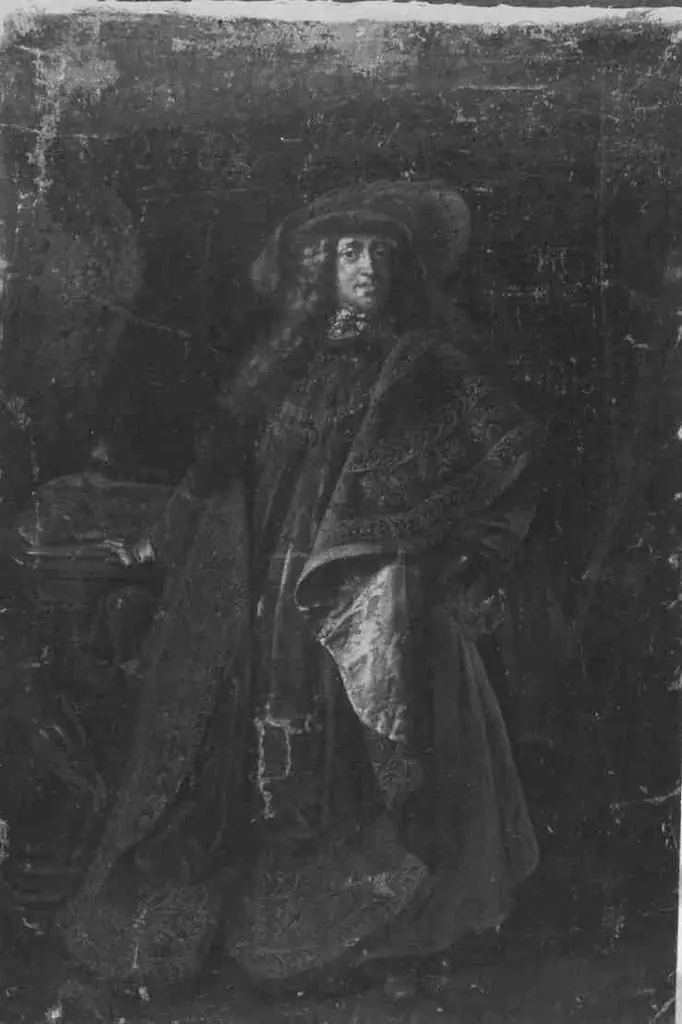 Portrait of Johann Wilhelm, elector of the Palatine
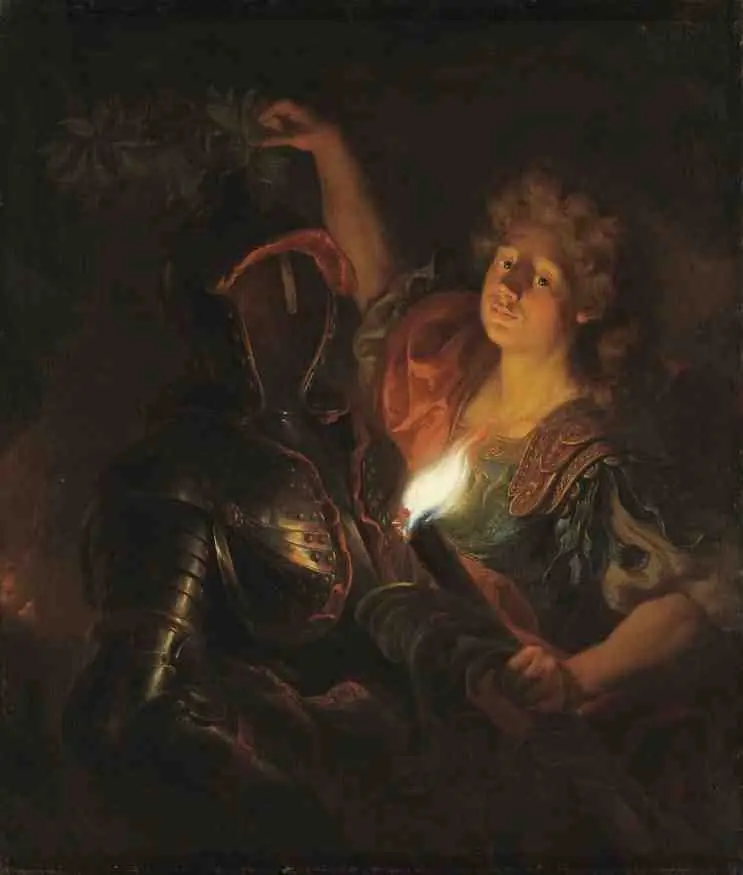 Warrior with torch and wreath
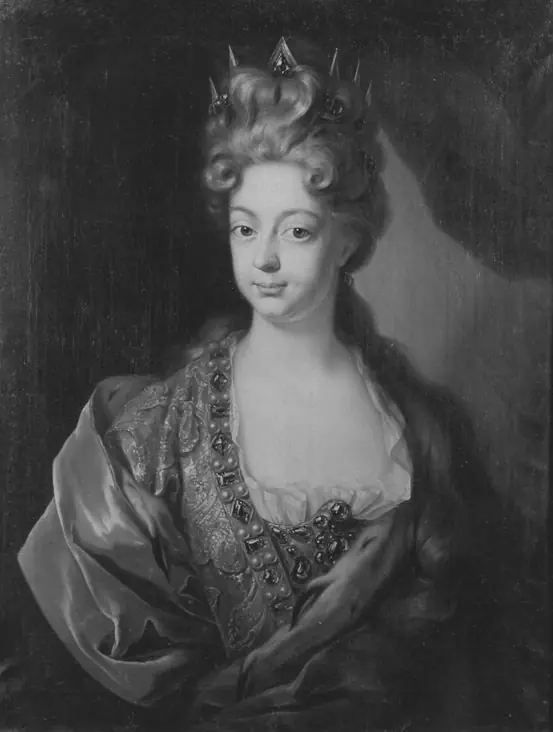 Portrait of Wilhelmine Amalie of Braunschweig-Lüneburg
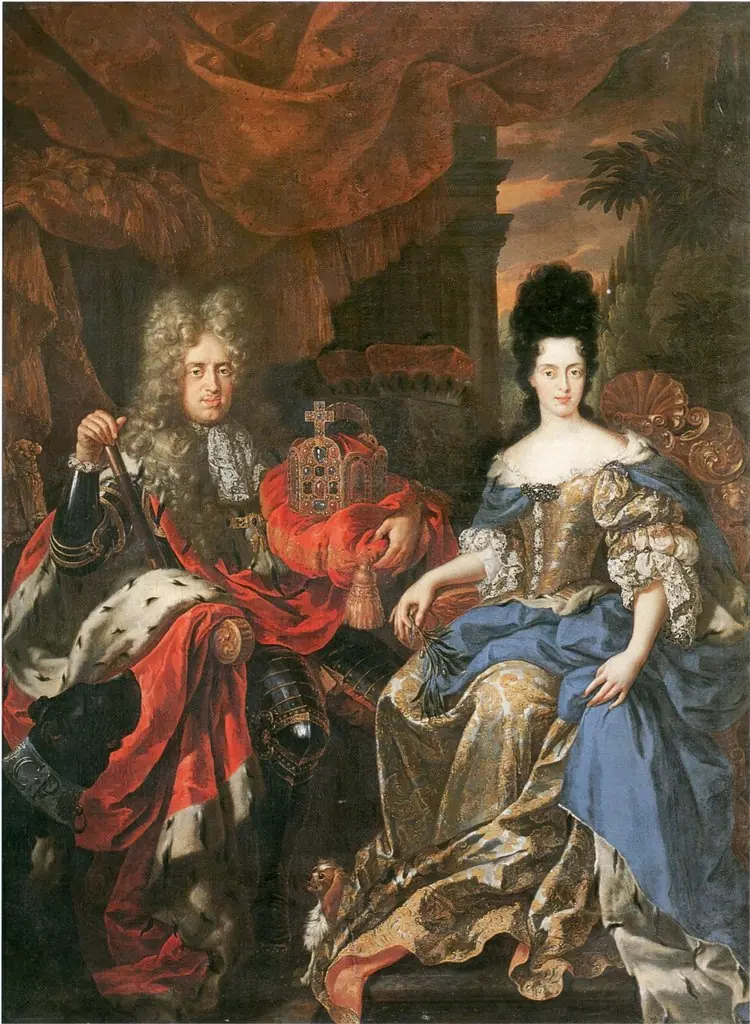 Double portrait of Johann Wilhelm von der Pfalz and Anna Maria Luisa de' Medici
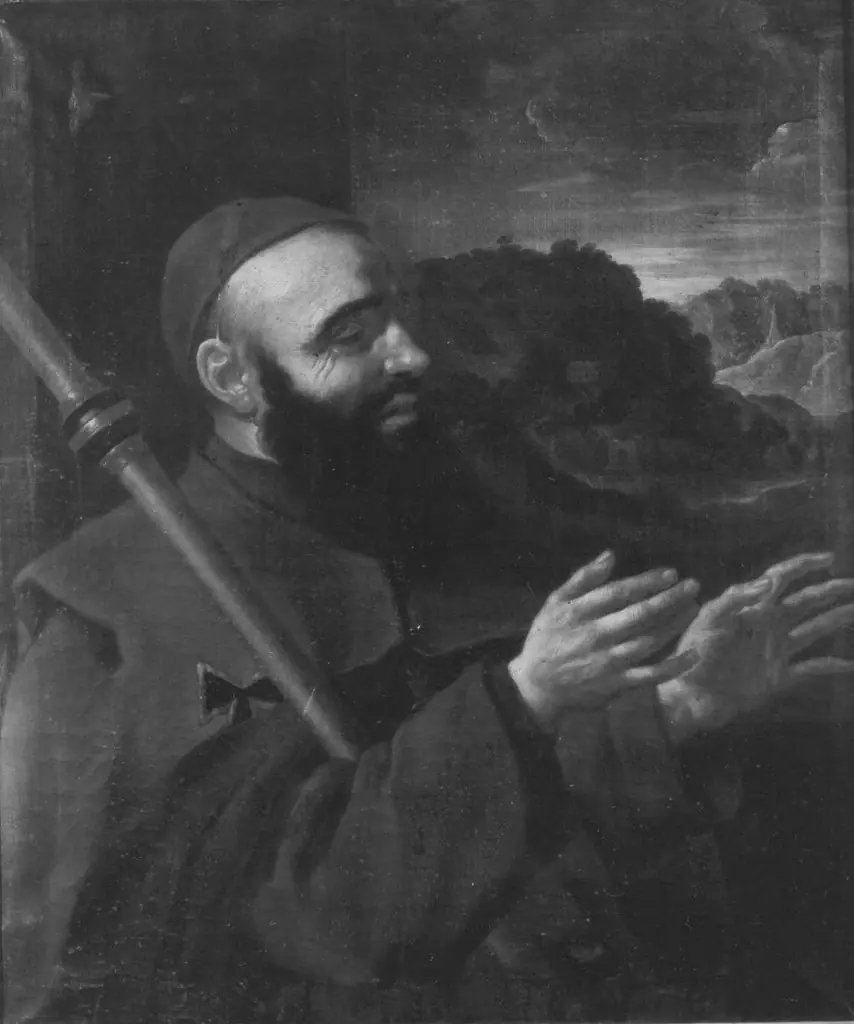 Donor portrait
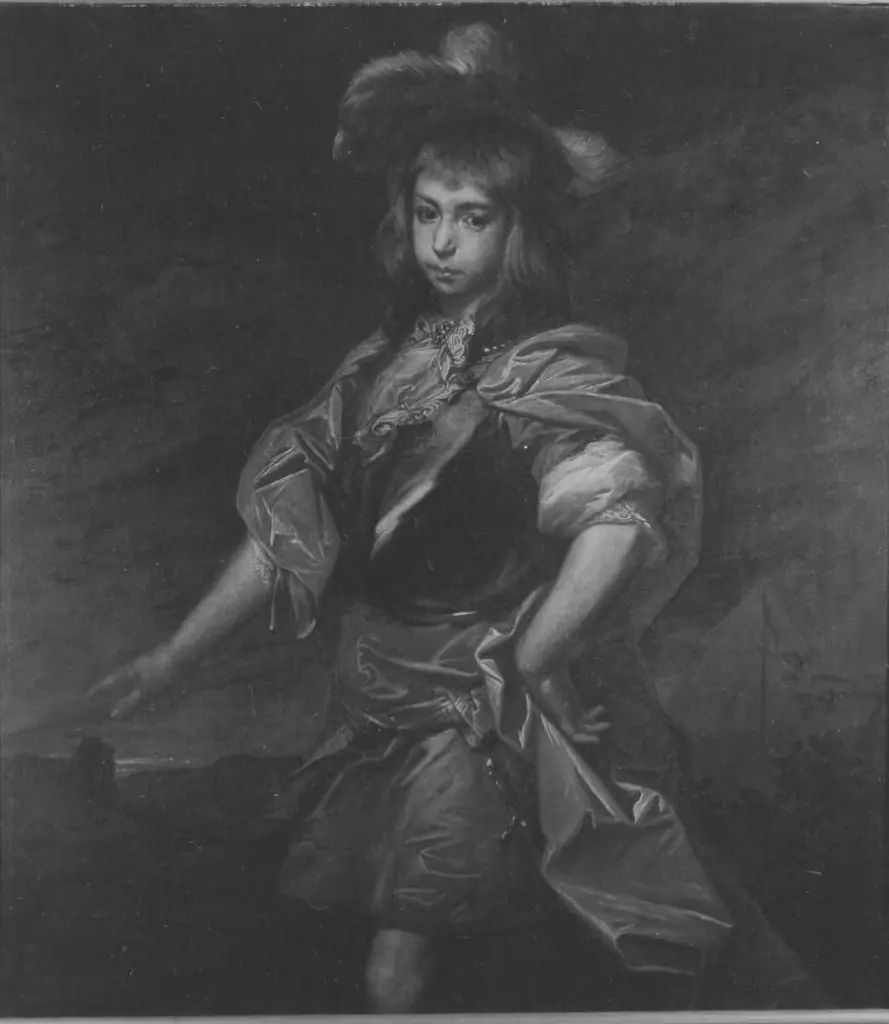 BIldnis eines jungen kurpfälzischen Prinzen (?) (?)
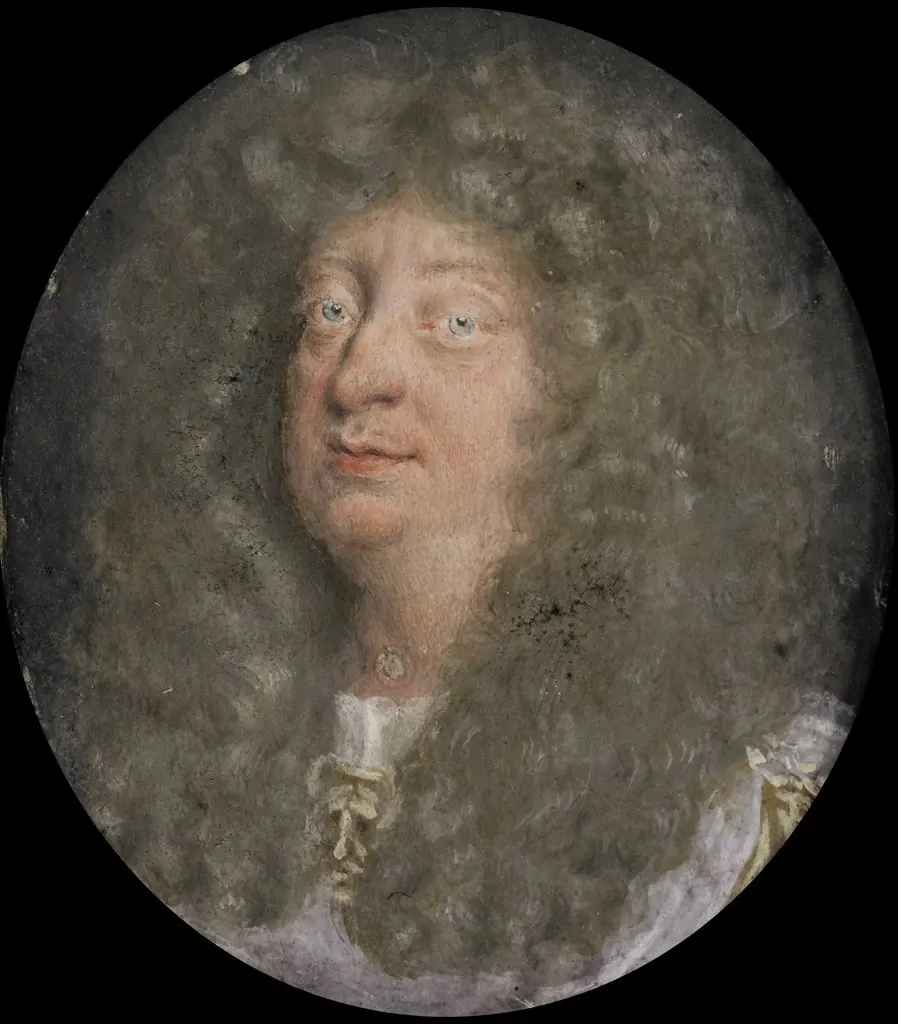 Portrait of Georg Wilhelm
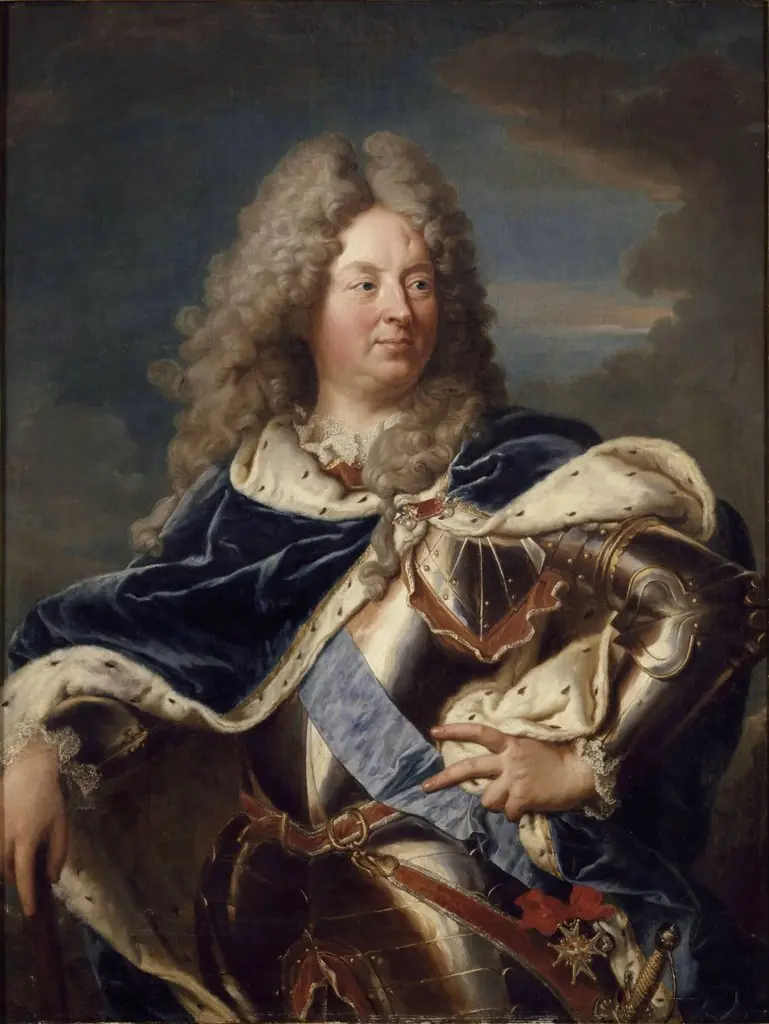 Portrait of the Duke of Antin
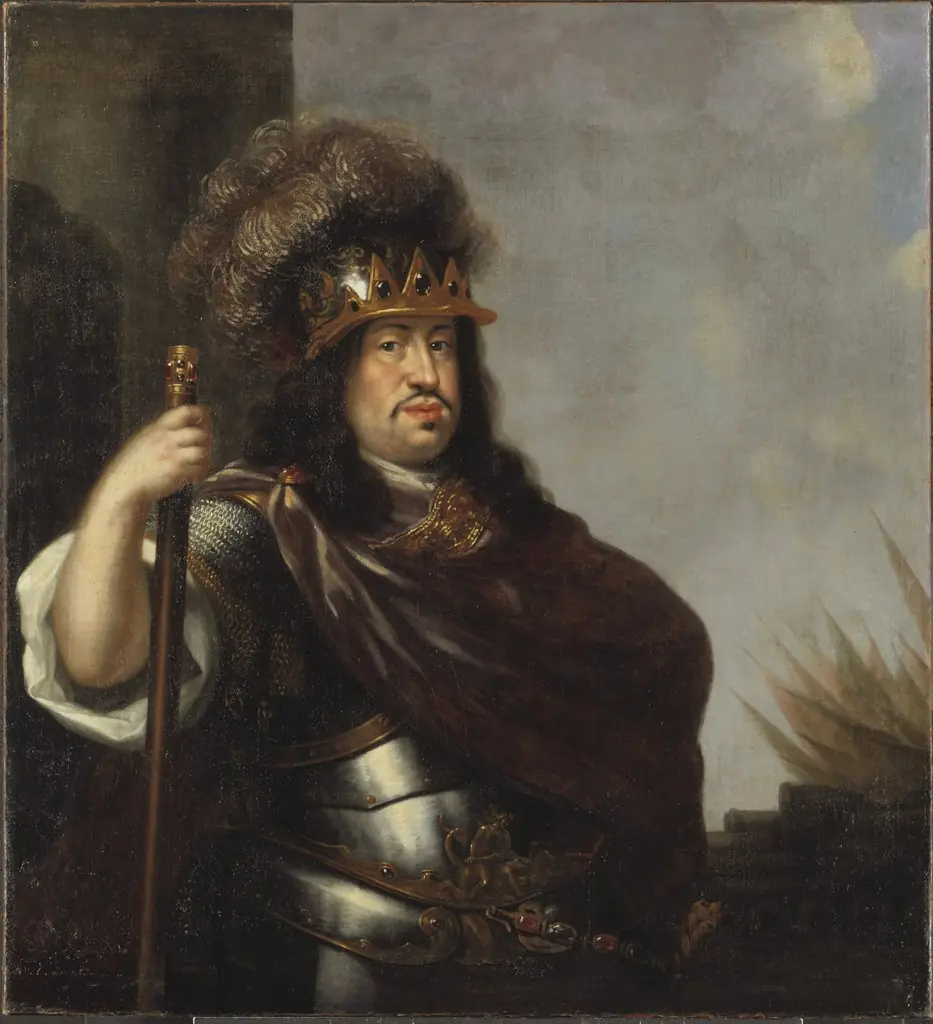 King Charles X Gustavus
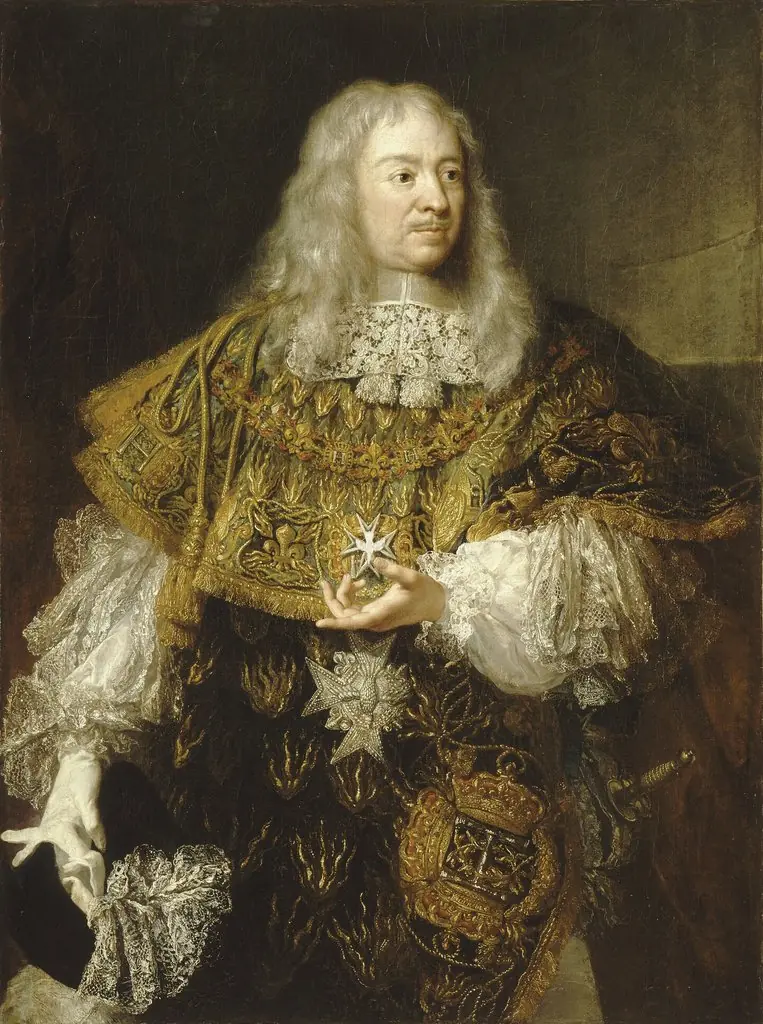 Gabriel de Rochechouart, Duke of Mortemart (1600-1677)
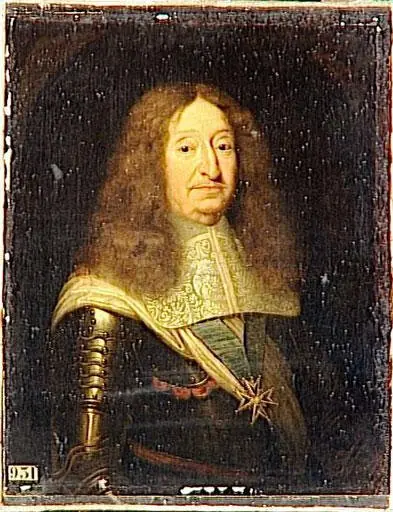 Portrait of César, Duke of Vendôme
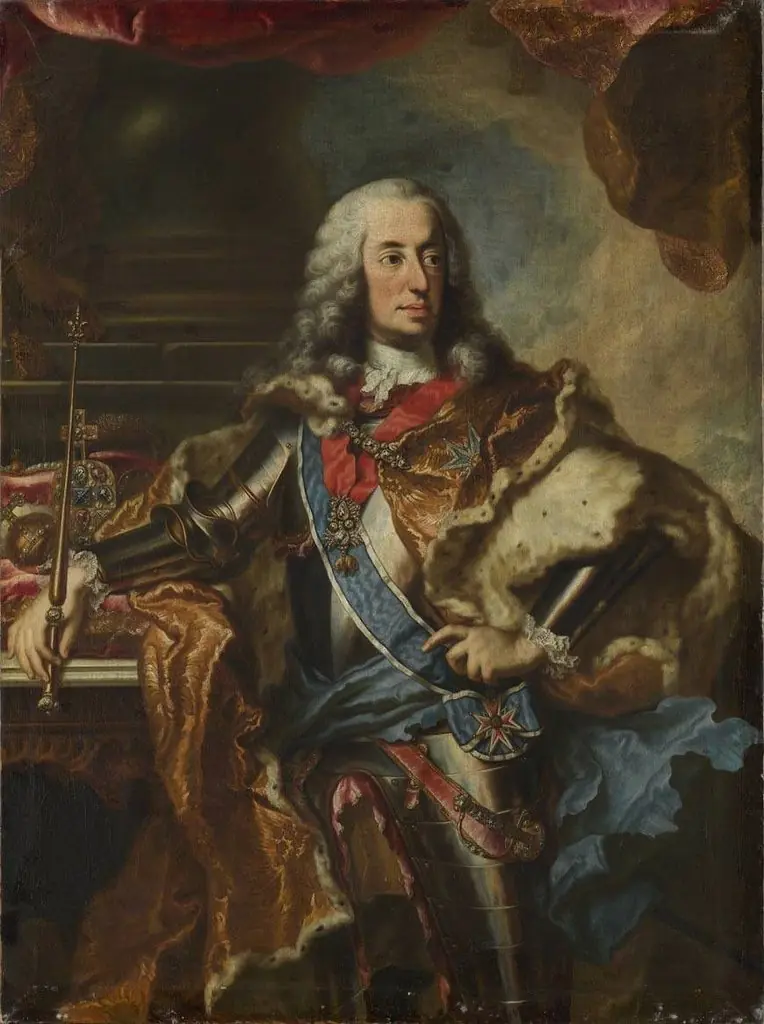 Kurfürst Karl Albrecht als Kaiser Karl VII. (1697-1745)
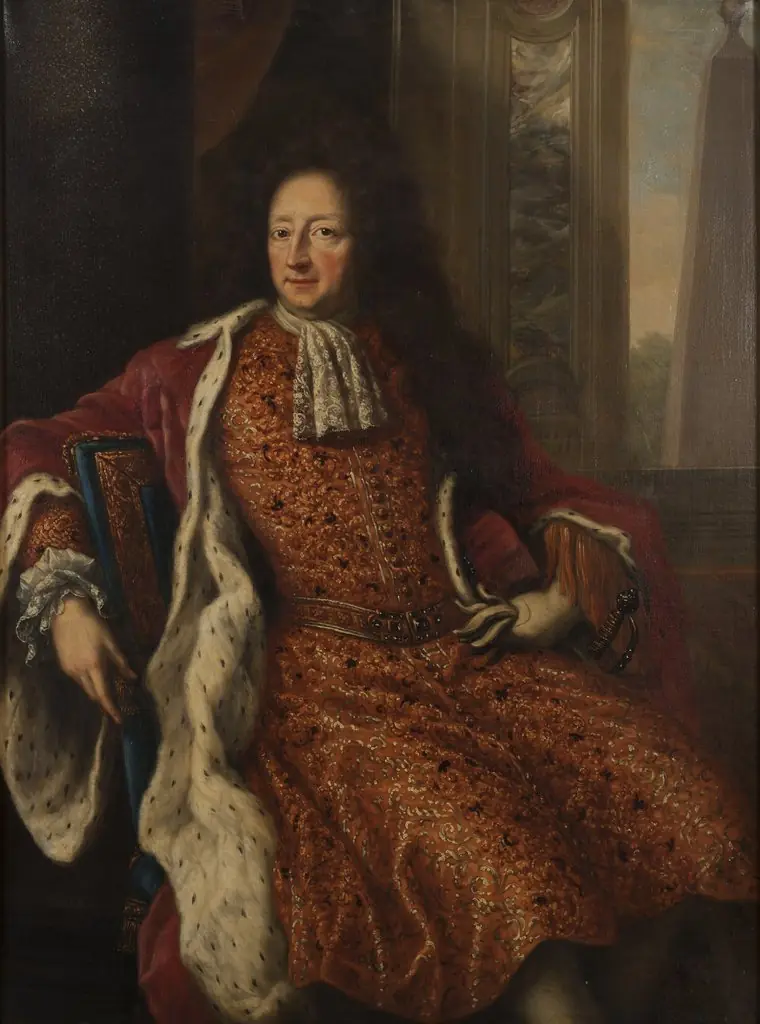 Hans Wachtmeister af Johannishus, 1641-1714
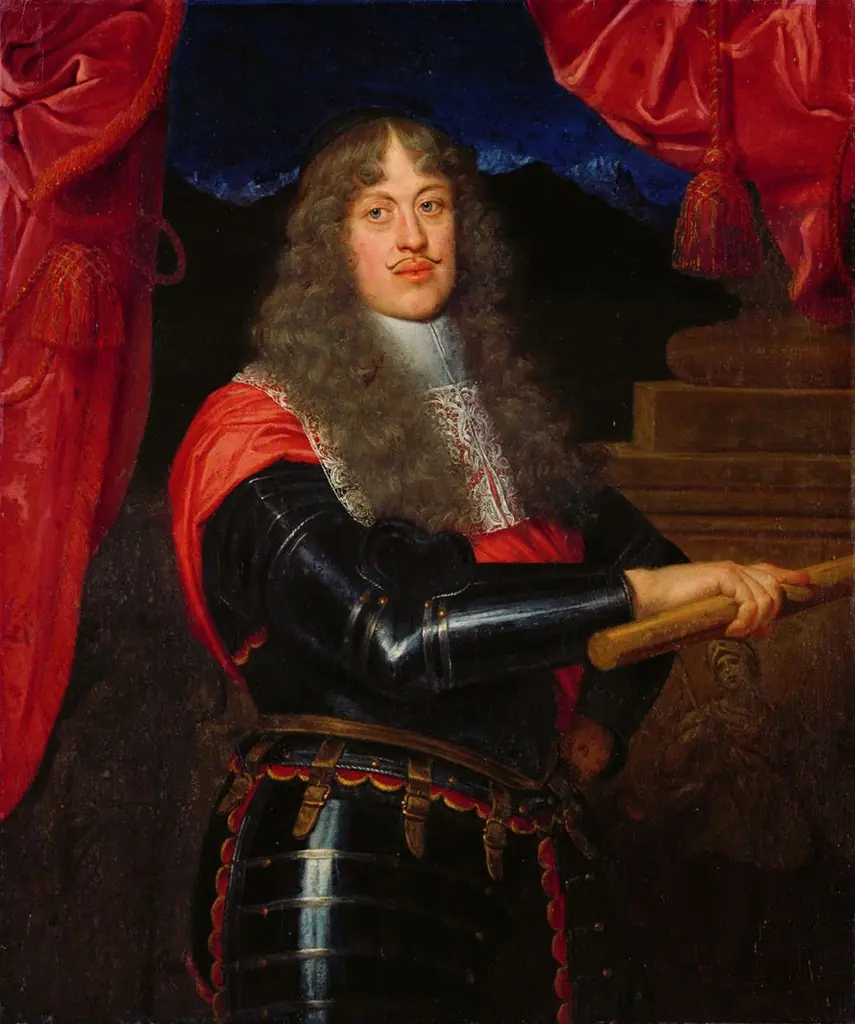 Erzherzog Sigismund Franz (1630-1665) im Harnisch, Kniestück
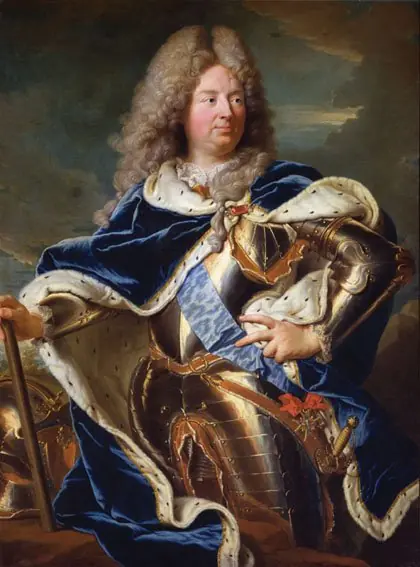 Portrait of the Duke of Antin
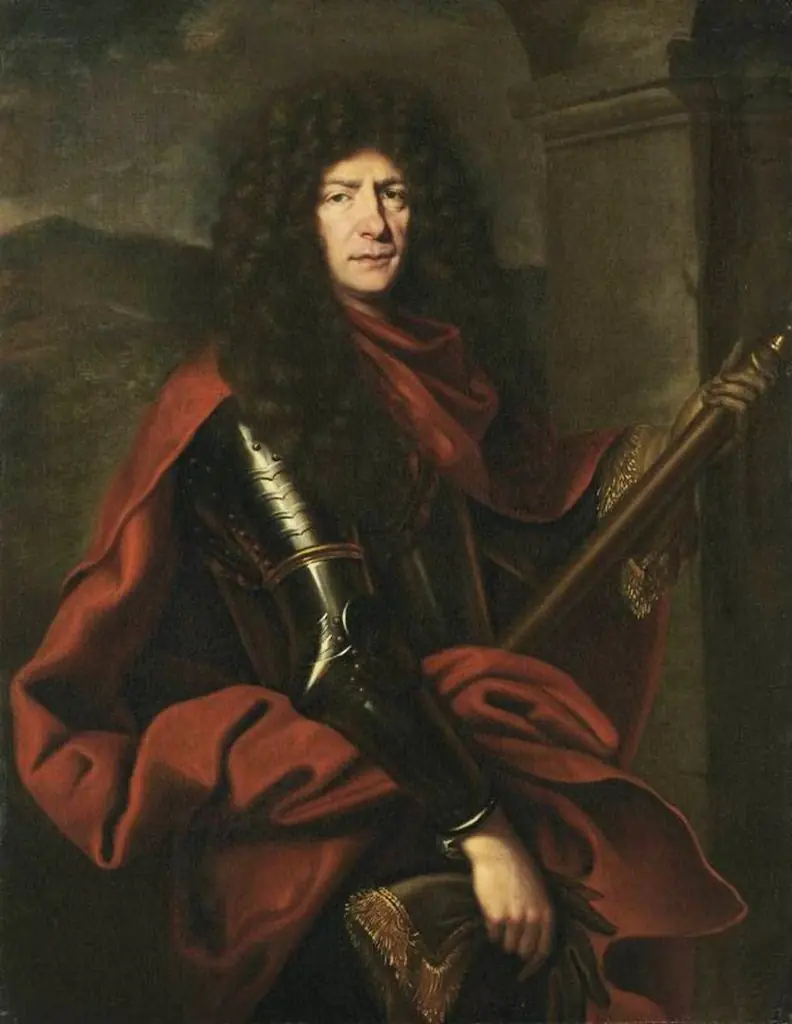 Bildnis des Christian II., Pfalzgrafen von Zweibrücken-Birkenfeld (1637-1717)
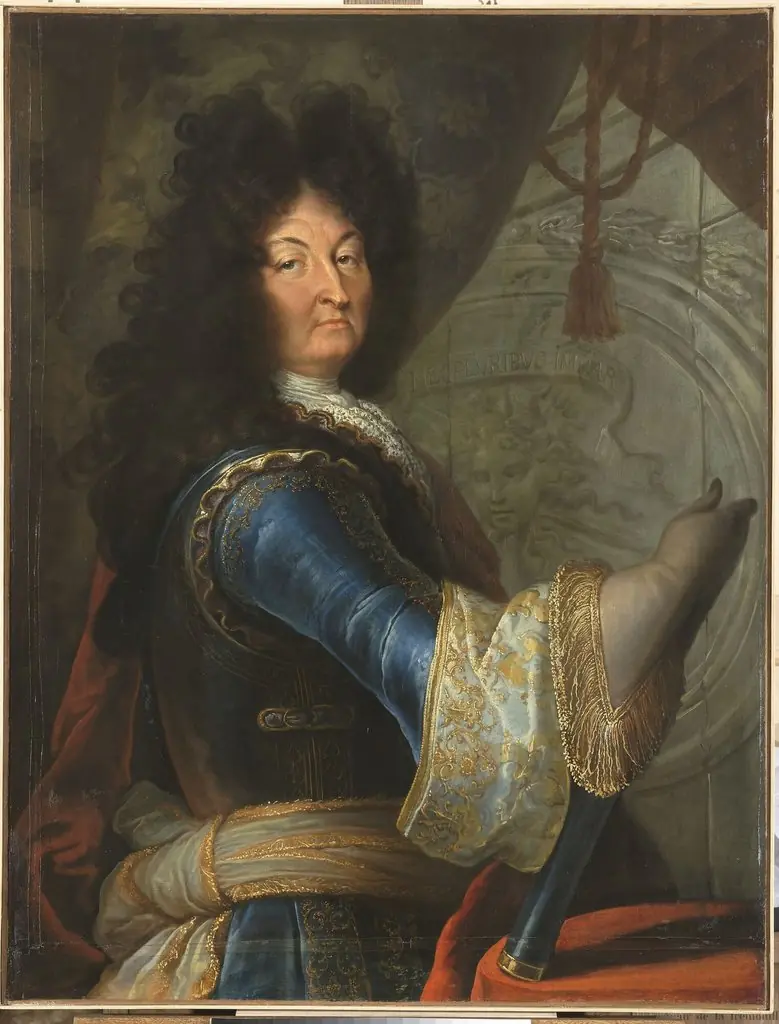 Portrait of Louis XIV of France (1638-1715)
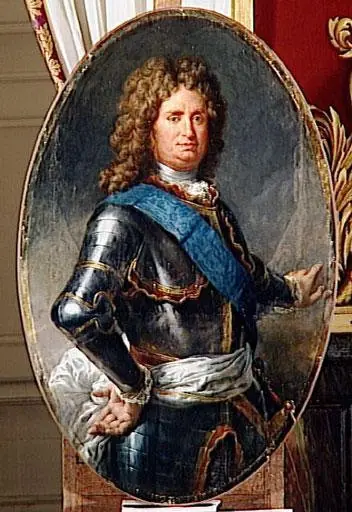 François-Louis Rousselet, marquis de Château-Renaud, maréchal de France (1637-1716)