Artwork
Lucretia
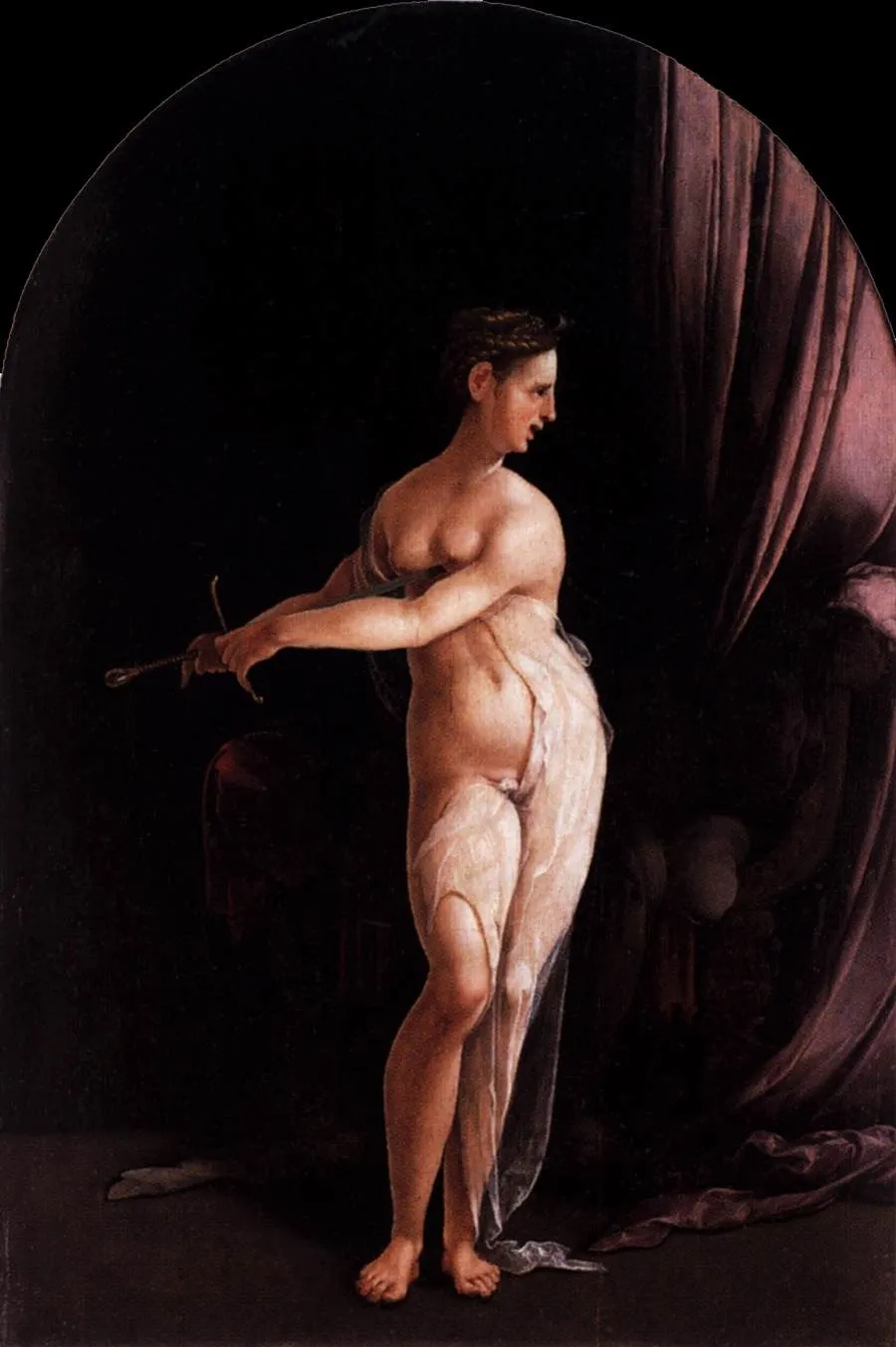
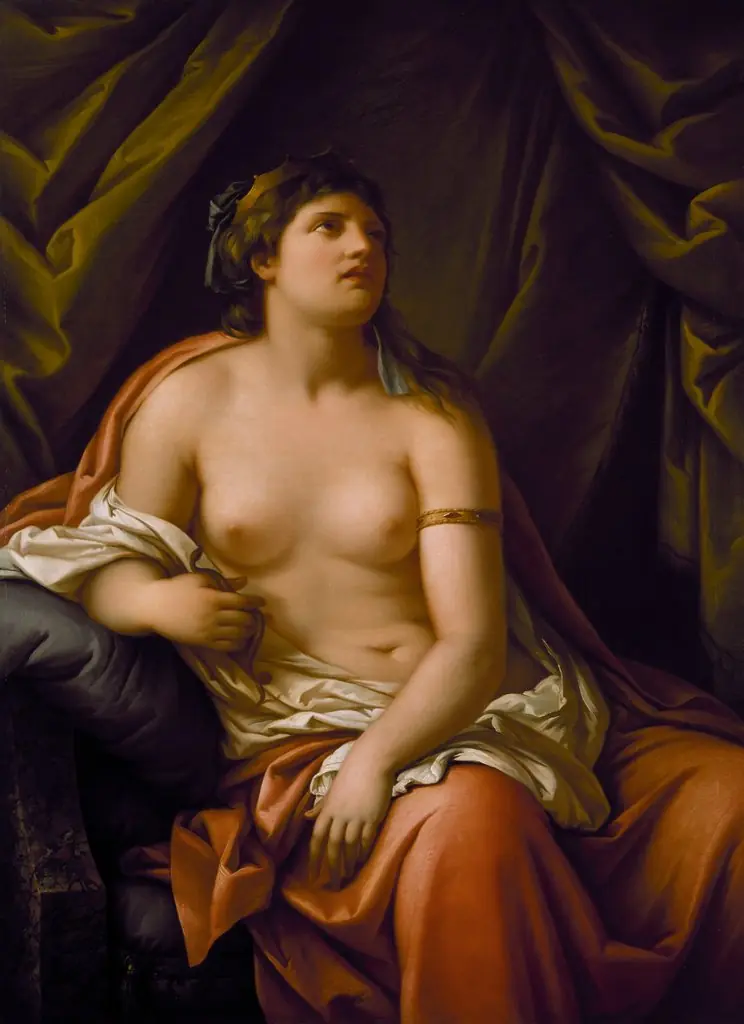
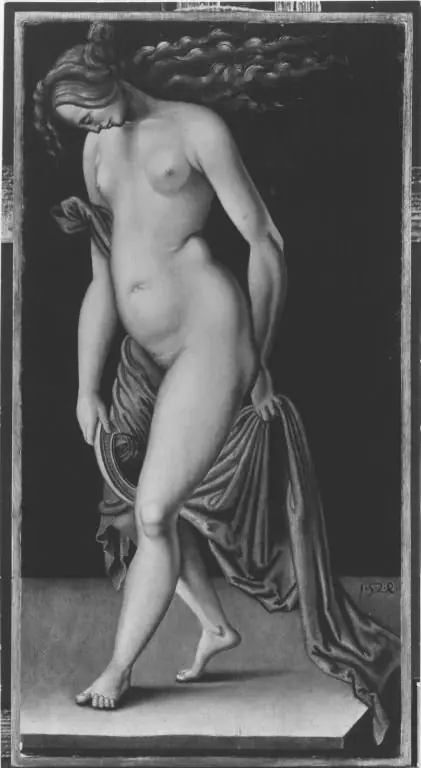
Lucretia is an oil painting by the Early Baroque Italian artist Jan van Scorel. It dates from 1532 and is held in the collection of the Gemäldegalerie Berlin.
About this work
Overview
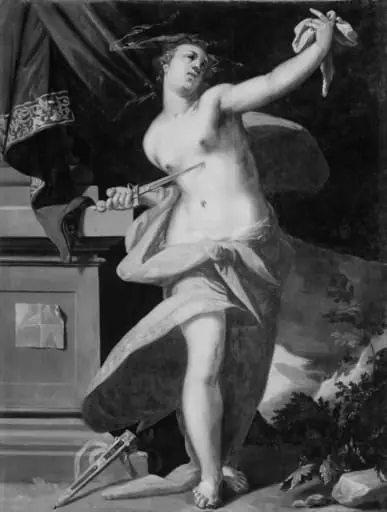
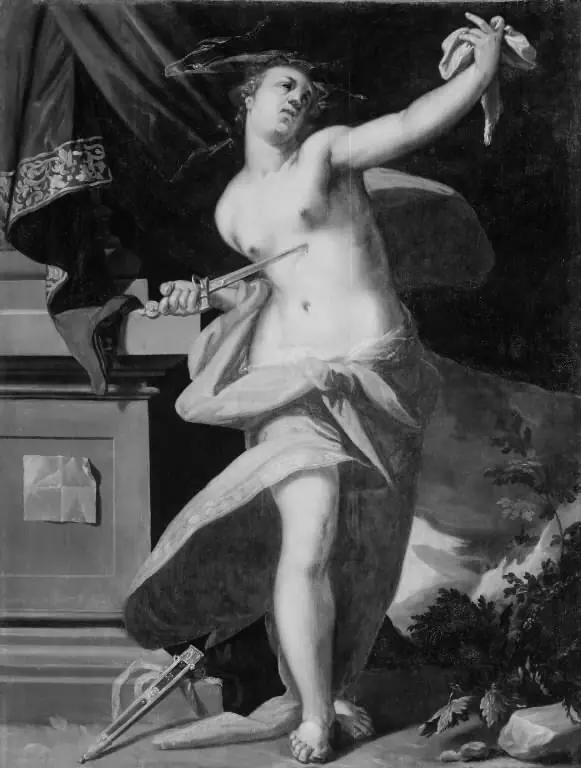
Jan van Scorel’s oil painting dated 1532 depicts the Roman figure Lucretia. Executed in the early sixteenth century, the work is part of the collection of the Gemäldegalerie in Berlin. The composition presents a solitary female figure against a dark backdrop, framed by a draped purple curtain.
Subject & Meaning
The nude woman is identified as Lucretia, the legendary Roman matron whose suicide after a sexual assault became a symbol of virtue and civic liberty. She holds a sword, the instrument of her self‑inflicted death, while her gaze and serene expression suggest a moment of contemplation before the act.
Technique & Style
Van Scorel employs chiaroscuro to model the figure, using subtle gradations of light and shadow to convey the texture of skin and the volume of the body. The dark background isolates the subject, while the muted palette and restrained brushwork reflect the artist’s synthesis of Northern realism and Italianate classicism.
History & Provenance
Created in 1532, the painting entered the German capital’s Gemäldegalerie collection, where it remains on display. Its provenance prior to acquisition by the museum is not extensively documented, but it has been recognized as a representative work of van Scorel’s mature period.
Context
During the early 1500s, van Scorel traveled to Italy and absorbed Renaissance ideals, integrating them into his Netherlandish training. This synthesis is evident in the classical subject matter and the balanced composition, aligning the work with contemporary humanist interests in antiquity and moral exempla.
Artist & collection

Artist
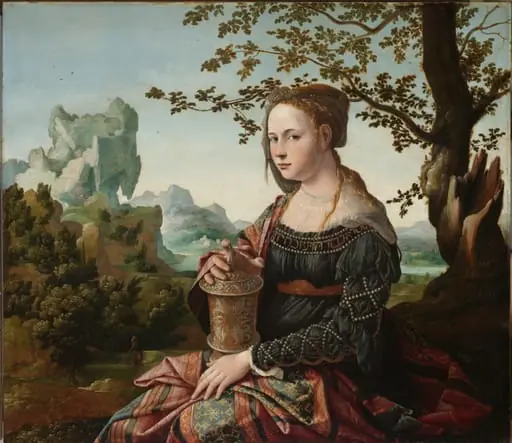
Jan van Scorel was a Dutch painter, who played a leading role in introducing aspects of Italian Renaissance painting into Dutch and Flemish Renaissance painting.