Artwork
Portrait of Jeanne de Troy, the Artist's Wife
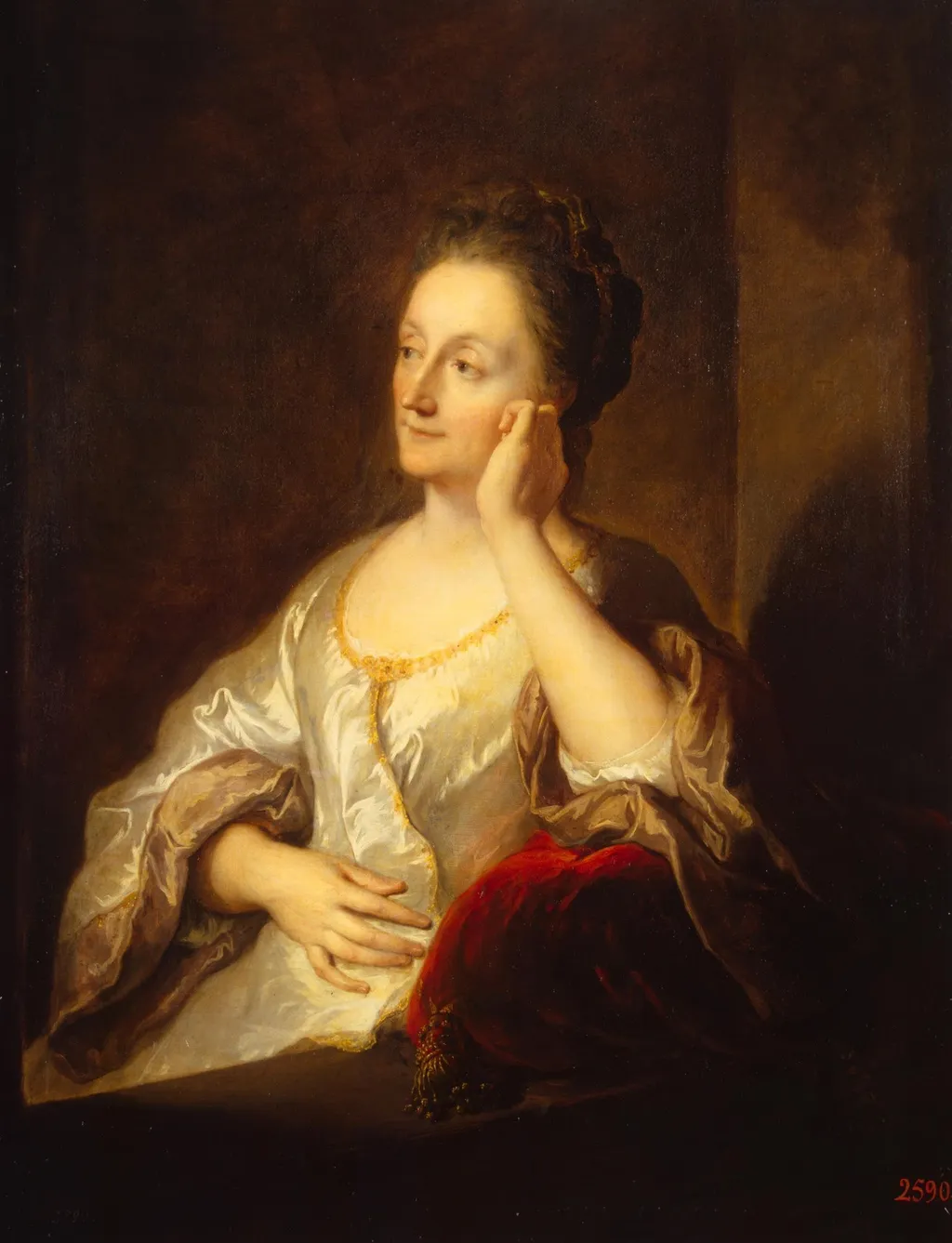
Portrait of Jeanne de Troy, the Artist's Wife is an oil painting by the Rococo painting artist Jean-François de Troy. It dates from 1704 and is held in the collection of the Hermitage Museum.
About this work
Overview
Painted in 1704, this oil portrait depicts Jeanne de Troy, wife of the French artist Jean-François de Troy. It belongs to a period when the artist was refining his approach to intimate portraiture alongside his larger decorative commissions. The work exemplifies early 18th-century French sensibilities, blending personal expression with the refined aesthetics of the emerging Rococo style.
Subject & Meaning
Jeanne de Troy is portrayed in a moment of quiet composure, her hand resting gently against her cheek while holding a vivid red fan.
Jeanne de Troy is portrayed in a moment of quiet composure, her hand resting gently against her cheek while holding a vivid red fan. The pose suggests both elegance and introspection, avoiding theatricality. The fan, a fashionable accessory of the time, signals social refinement without overt symbolism. The absence of props or setting focuses attention on her presence, emphasizing personal identity over status.
Technique & Style
De Troy employed glazing techniques to achieve smooth, luminous skin tones, enhancing the warmth of her complexion under soft, directional light. The contrast between her pale dress and the dark background heightens her prominence. Delicate rendering of the puffed sleeves and intricate updo reflects attention to textile detail, while the fan’s red pigment stands out as a deliberate chromatic accent within a restrained palette.
History & Provenance
The painting remained within the artist’s family before entering the collection of the State Hermitage Museum. Its survival through centuries reflects its value as a personal artifact and a document of artistic practice in early Bourbon France. No major alterations or reworkings are recorded, preserving its original composition and intent.
Context
Jean-François de Troy was active during a transition in French art, moving from the formality of Louis XIV’s court toward more intimate, fashionable subjects. His development of *tableaux de modes*—scenes of contemporary dress and behavior—parallels this portrait’s focus on personal style. The work aligns with a growing interest in domestic life among the French elite, captured with subtlety rather than grandeur.
Legacy
This portrait stands as a rare surviving example of de Troy’s intimate portraiture, contrasting with his more monumental historical works. It offers insight into the private life of an artist’s household and the evolving role of women as subjects of quiet dignity. Its preservation in the Hermitage underscores its significance within the broader narrative of French 18th-century painting.
Artist & collection
Artist
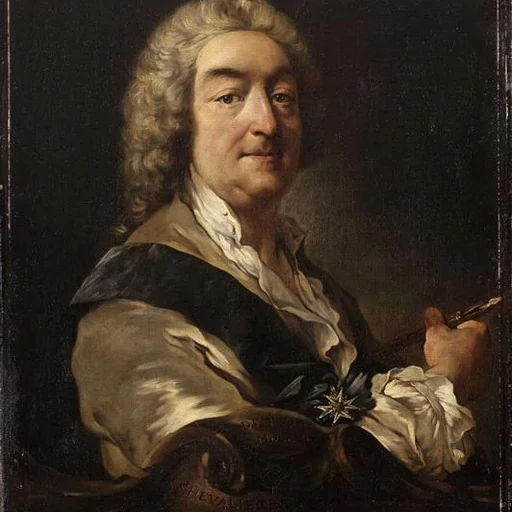
Jean-François de Troy (27 January 1679, Paris – 26 January 1752, Rome) was a French Rococo easel and fresco painter, draughtsman and tapestry designer.

 Helena van Heuvel
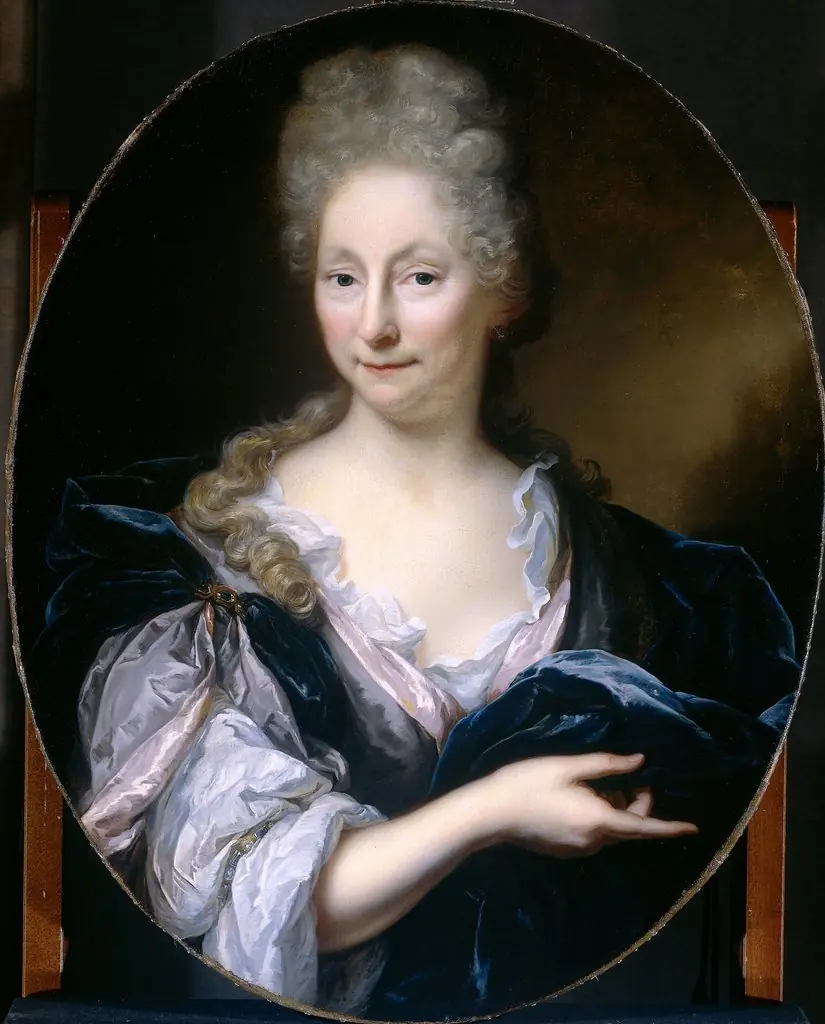 Portrait of Margaretha van de Eeckhout, Wife of Pieter van de Poel
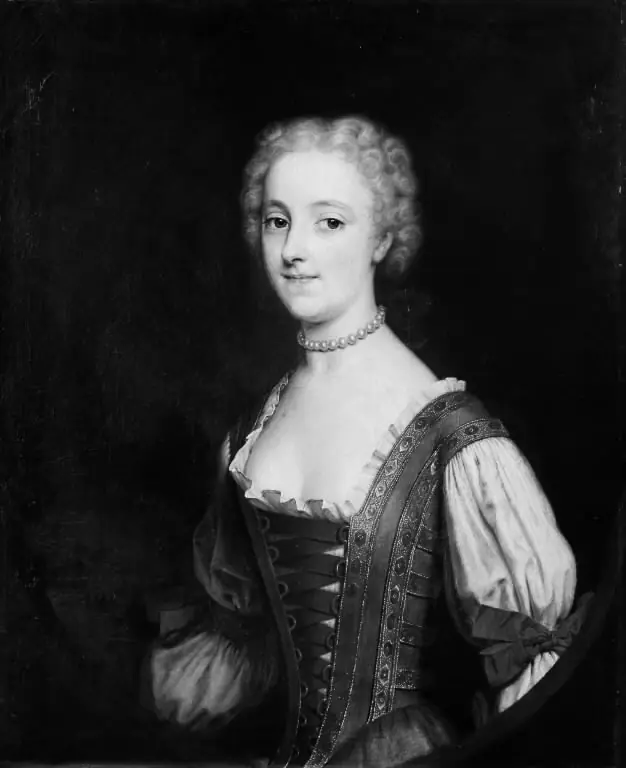 Dame i ungarsk dragt
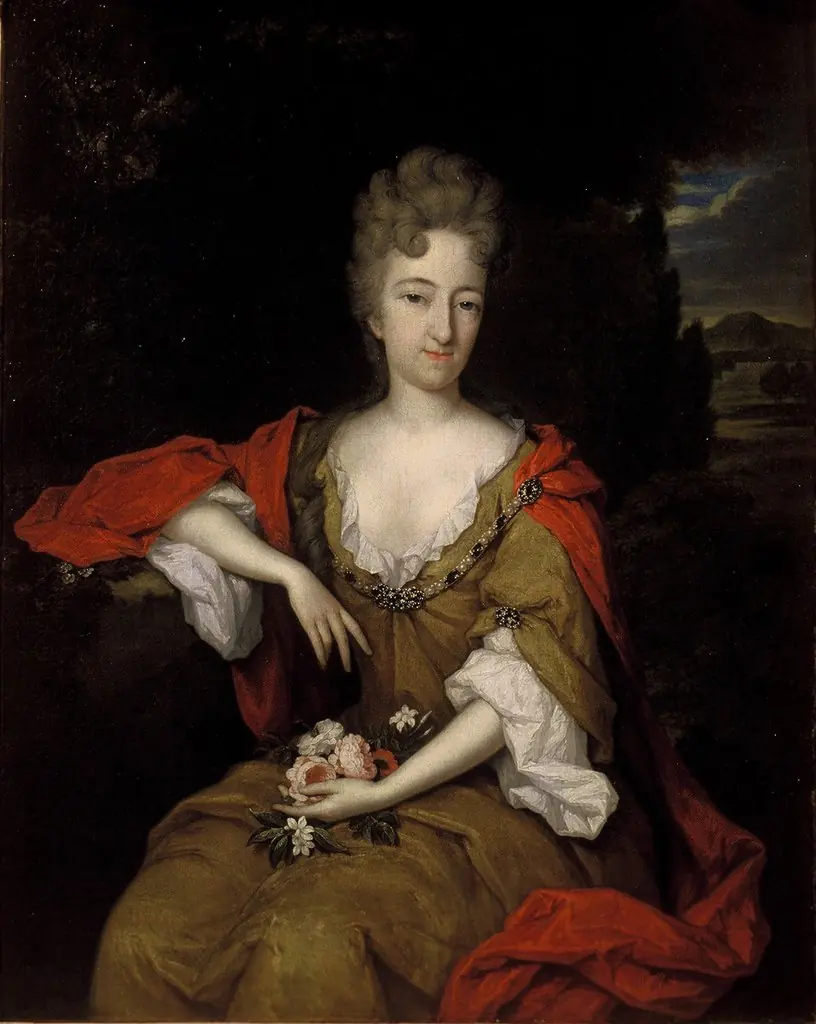 Portrait of Anna Maria Roman (1680-1758)
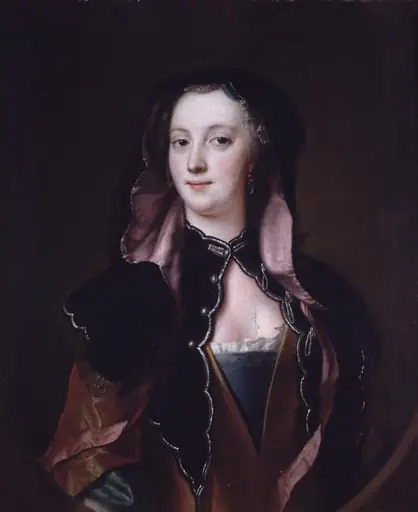 Dame i sort og rød dragt
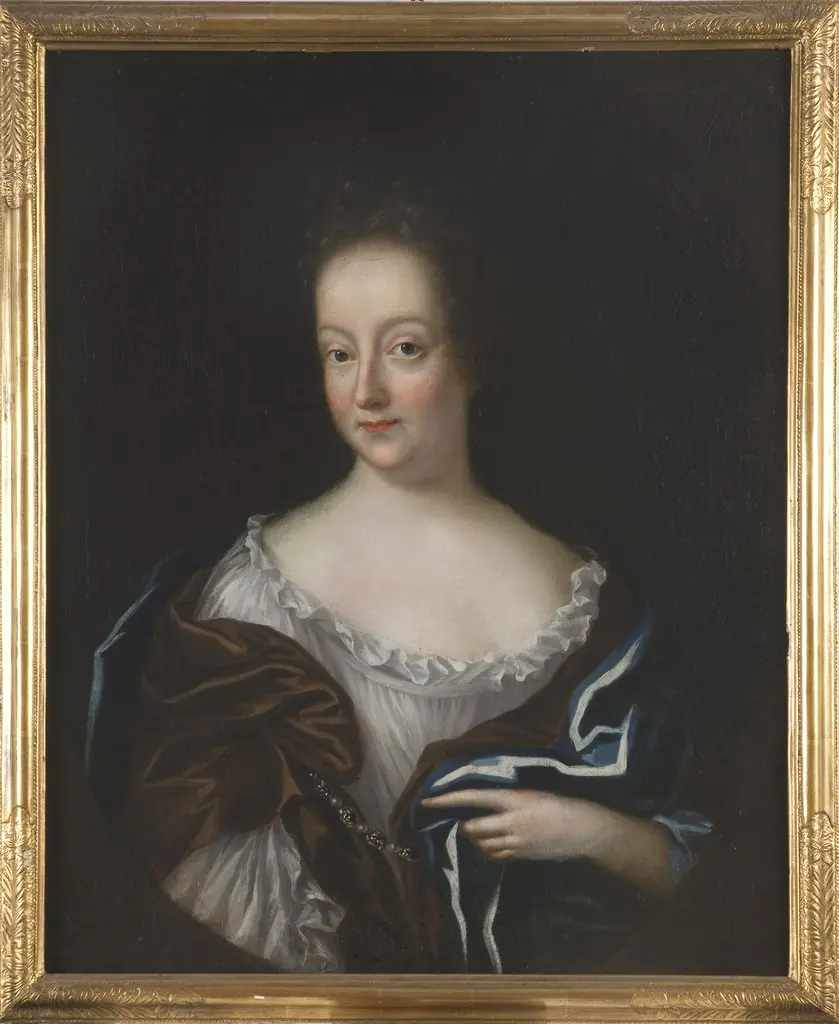 Beata Elisabet von Königsmarck (1637-1723), grevinna, gift med greve Pontus Fredrik De la Gardie
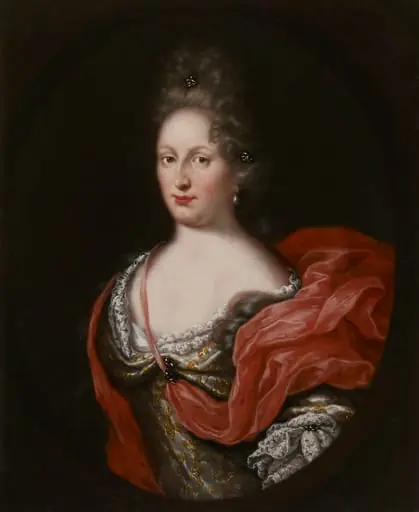 Kreivitär Ingeborg Posse
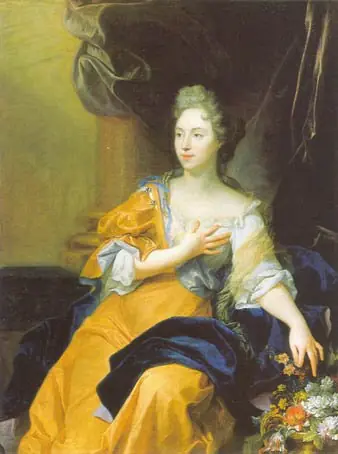 Portrait de Suzanne de Boubers de Bernâtre, épouse de Balthasar Keller
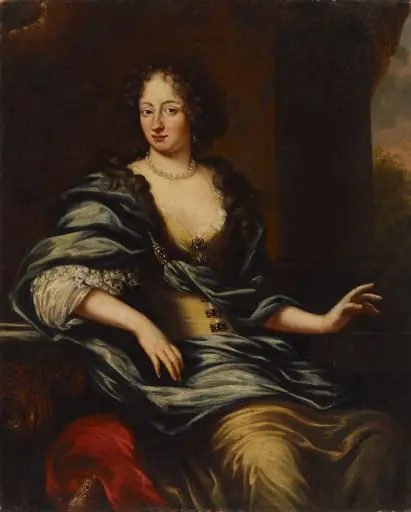 Kuningatar Ulrika Eleonora vanhempi
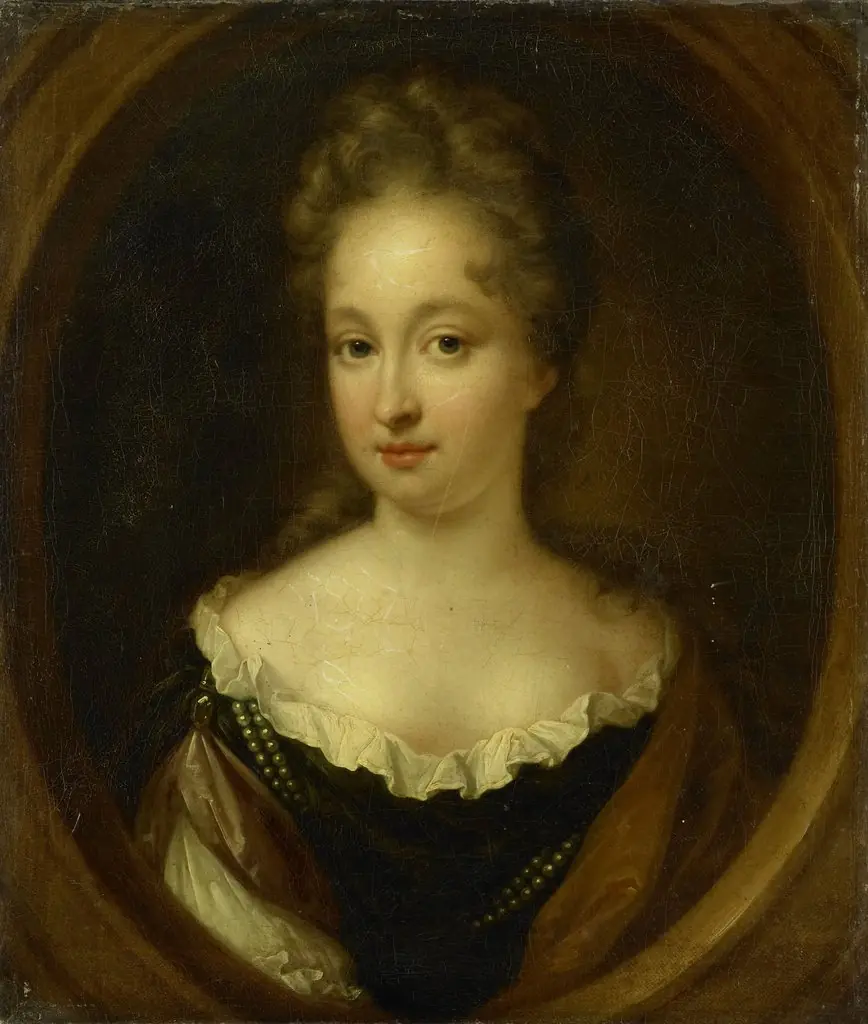 Portrait of Anna van Citters (1664-94), daughter of Aernout van Citters and Josina Parduyn
 Portrait of a lady
 Portrait of Maria Leszczyńska