Artwork
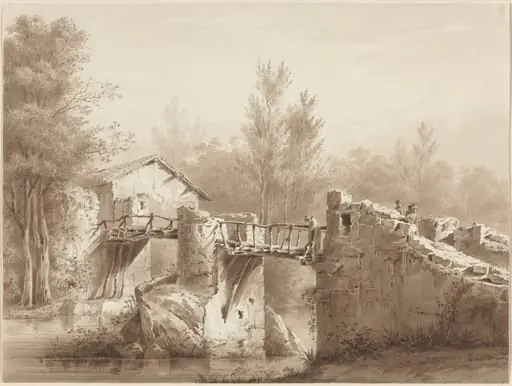
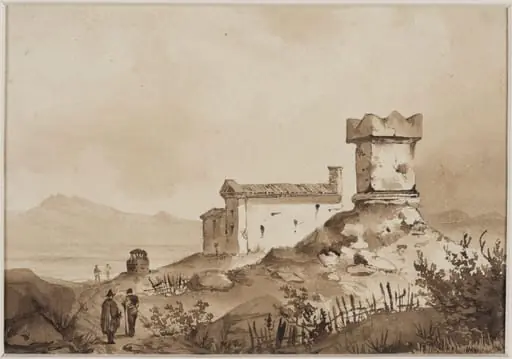
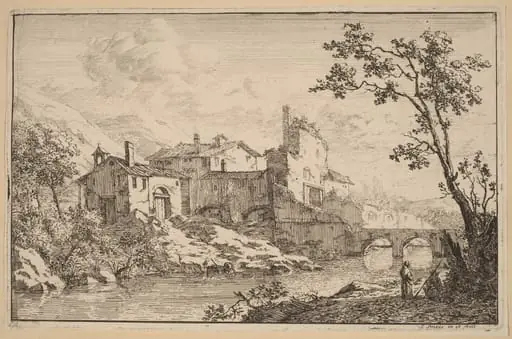
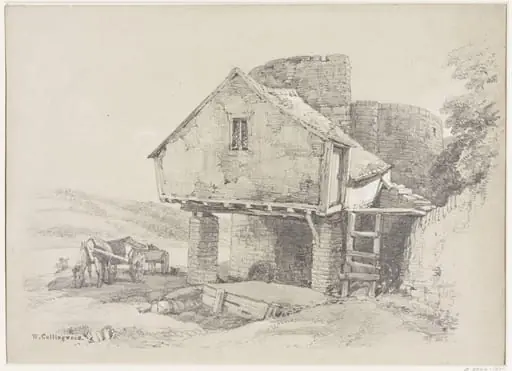
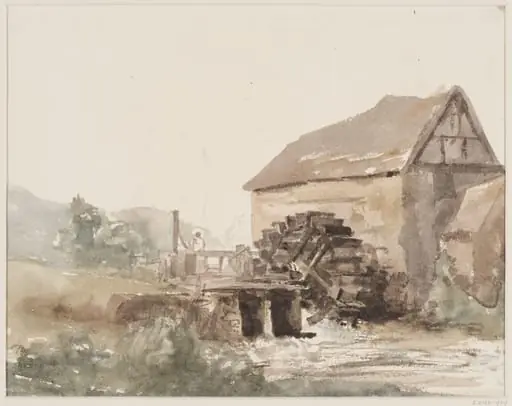
Landscape with Watermill
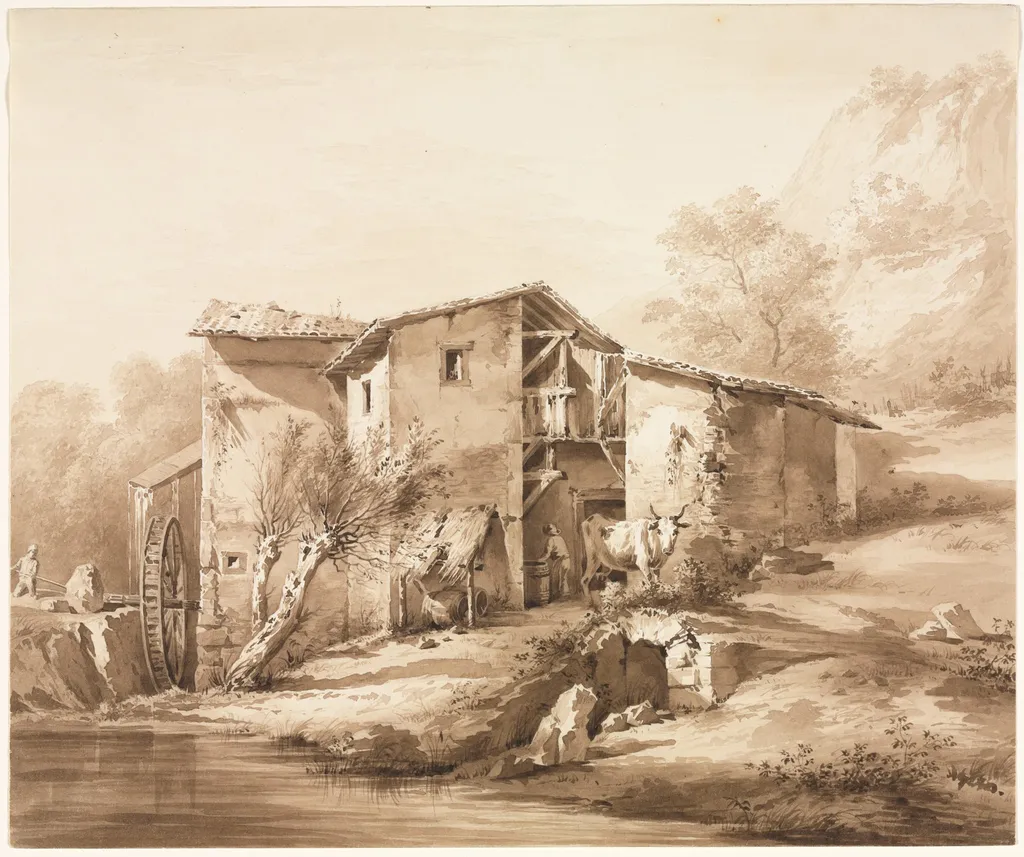
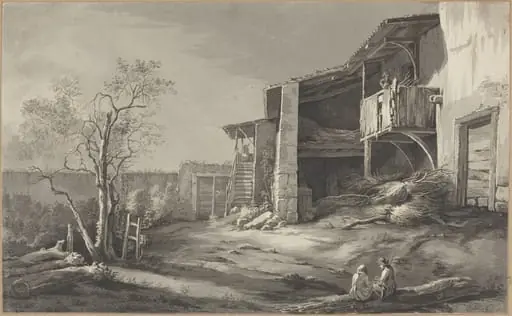
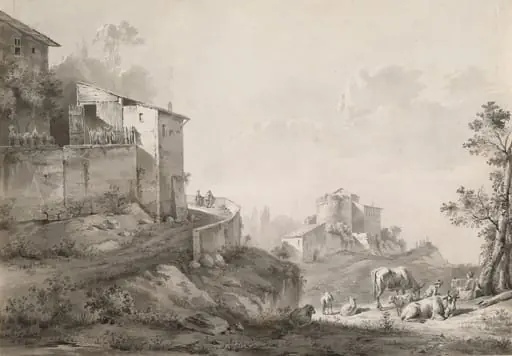
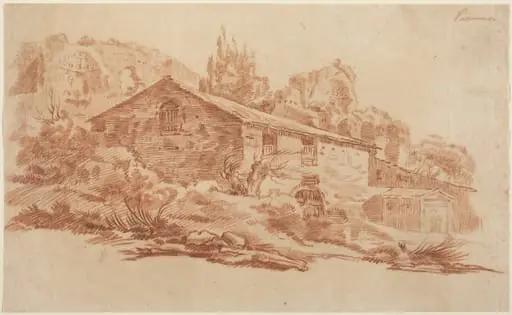
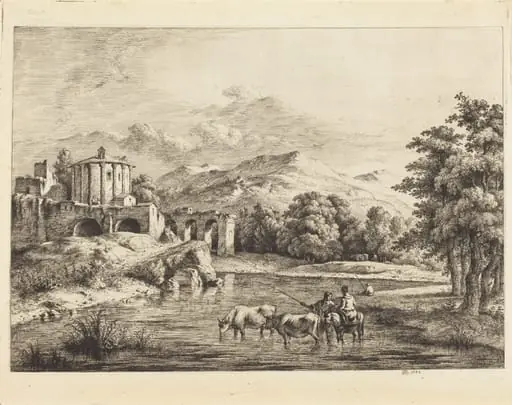
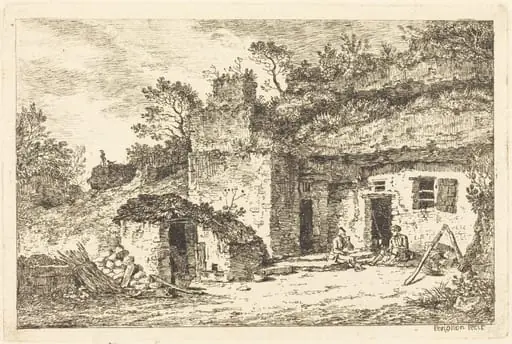
Landscape with Watermill is a drawing by the Romanticist artist Jean-Jacques de Boissieu. It dates from 1790 and is held in the collection of the Cleveland Museum of Art. Jean Jacques de Boissieu created this drawing as part of a sustained engagement with rural French landscapes.
About this work
Overview
Jean Jacques de Boissieu created this drawing as part of a sustained engagement with rural French landscapes. Working primarily in pen and wash, he captured quiet scenes of the countryside near Lyon, where he spent his entire life. His approach was observational rather than academic, reflecting a personal, intimate response to the natural environment rather than formal training.
Subject & Meaning
The watermill stands as a quiet anchor in the composition, surrounded by trees, gentle hills, and subtle human traces. It evokes a sense of enduring labor and harmony with nature, without overt narrative. Boissieu’s focus on such structures suggests an appreciation for the rhythms of rural life, influenced by Dutch landscape traditions but grounded in the specific topography of his native region.
Technique & Style
His handling of chiaroscuro is restrained yet effective, avoiding dramatic contrasts in favor of soft transitions that enhance the tranquility of the scene.
Boissieu employed brush and ink wash to achieve nuanced tonal gradations, using light and shadow to model form and suggest atmospheric depth. His handling of chiaroscuro is restrained yet effective, avoiding dramatic contrasts in favor of soft transitions that enhance the tranquility of the scene. Fine pen lines define architectural details and foliage, reinforcing the precision of his observation.
History & Provenance
This drawing originates from Boissieu’s personal body of work, produced between the mid-18th and early 19th centuries. As a largely self-taught artist, he did not seek public acclaim, and many of his works remained in private hands. The piece likely passed through local collectors in Lyon before entering institutional collections, preserving its connection to the region.
Context
Boissieu worked during a period when landscape drawing was gaining recognition as an independent art form, separate from historical or religious themes. While French academies favored grand narratives, he turned to the everyday scenery around him, aligning more closely with Dutch and Flemish precedents. His work reflects a quiet resistance to academic norms, valuing direct experience over idealized composition.
Legacy
Boissieu’s drawings are now recognized for their quiet integrity and technical restraint. Though not widely known during his lifetime, his focus on regional landscapes and meticulous draftsmanship has influenced later studies of French rural art. His work stands as a testament to the value of personal observation in an era dominated by institutional aesthetics.
Artist & collection
Artist
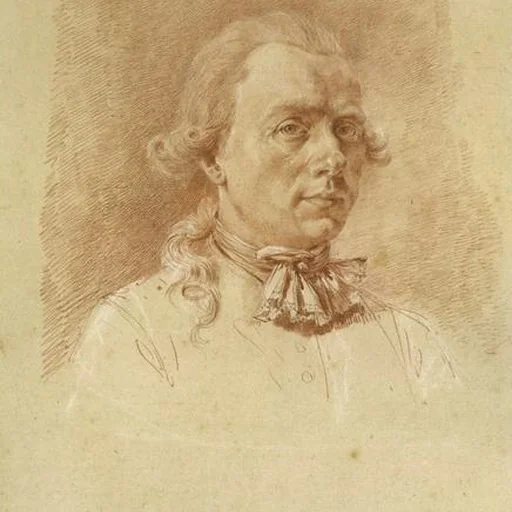
Jean-Jacques de Boissieu (1736–1810) was a French artist, born in Lyon.