Artwork
The Assumption of the Virgin, with the Nativity, the Resurrection, the Adoration of the Magi, the Ascension of Christ, Saint Mark and an Angel, and Saint Luke and an Ox
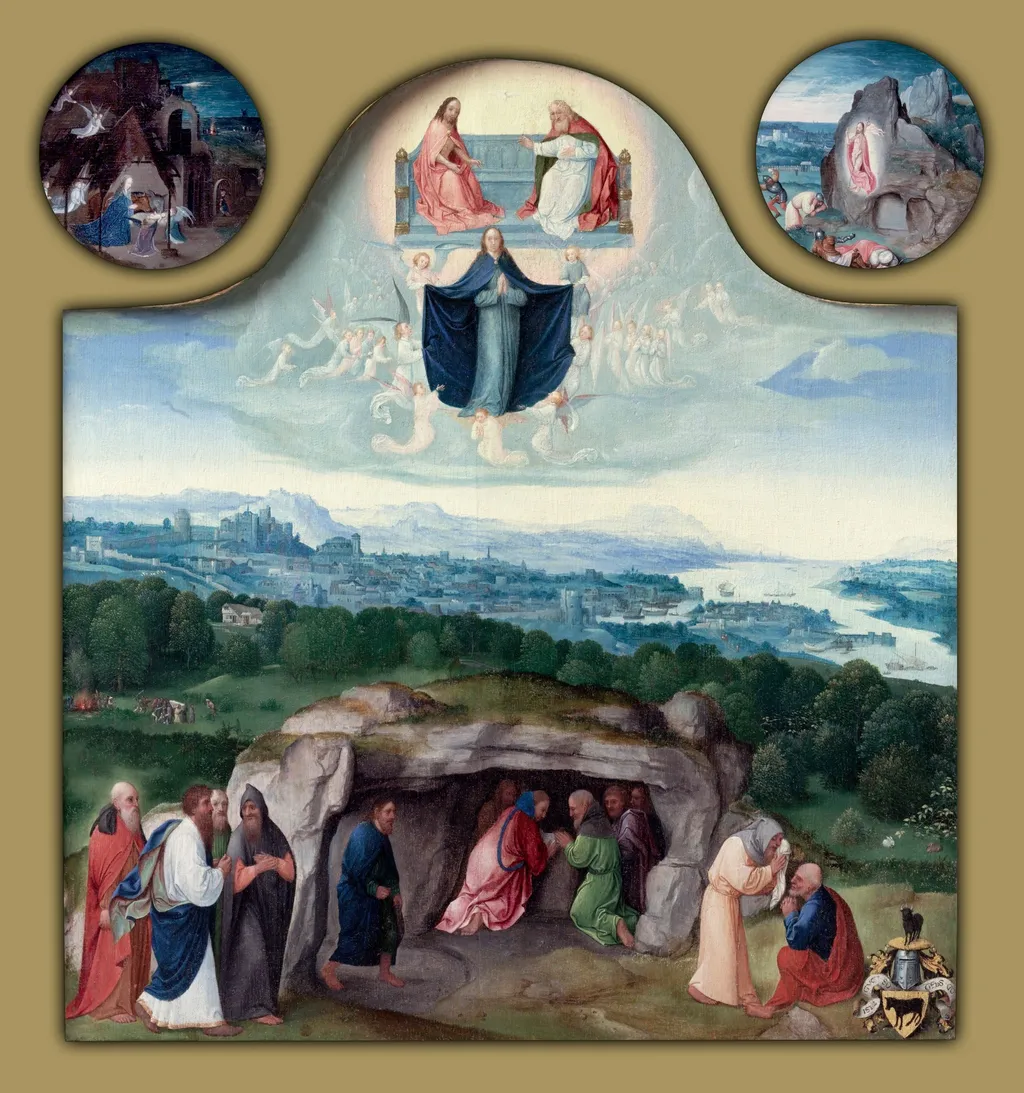
The Assumption of the Virgin, with the Nativity, the Resurrection, the Adoration of the Magi, the Ascension of Christ, Saint Mark and an Angel, and Saint Luke and an Ox is an oil painting by the Northern Renaissance artist Joachim Patinir. It dates from 1510 and is held in the collection of the Philadelphia Museum of Art.
About this work
Overview
Joachim Patinir’s oil on canvas, executed around 1510, presents a complex devotional tableau that unites several pivotal events from the Christian narrative. The work is currently part of the collection of the Philadelphia Museum of Art and measures a substantial size that allows for detailed rendering of both celestial and terrestrial scenes.
Subject & Meaning
The composition intertwines the Assumption of the Virgin with episodes such as the Nativity, the Resurrection, the Adoration of the Magi, and the Ascension of Christ. Flanking these central moments are figures of the Evangelists Mark, accompanied by an angel, and Luke, identified by his traditional ox, underscoring the painting’s role as a visual synthesis of salvation history.
Technique & Style
Patinir employs a panoramic landscape that stretches across a luminous sky and a receding terrain, characteristic of early Netherlandish world‑painting. Light and shadow are modulated to model forms, while the intricate detailing of distant towns, hills, and a river creates depth, inviting the viewer to navigate multiple narrative layers within a single frame.
History & Provenance
Created in the early sixteenth century, the painting entered the Philadelphia Museum of Art’s holdings through acquisition in the twentieth century, though earlier ownership records remain sparse. Its attribution to Patinir aligns with his known output of expansive, narrative‑driven landscapes produced for devotional contexts.
Context
Patinir, a pioneer of the ‘world landscape’ genre, often combined biblical scenes with expansive, idealized geography. This work reflects the period’s devotional practices, where multiple holy events were visually amalgamated to aid contemplation, and demonstrates the artist’s interest in integrating human drama within a meticulously rendered natural environment.
Artist & collection

Artist
Joachim Patinir, also called Patenier, was a Flemish Renaissance painter of history and landscape subjects.


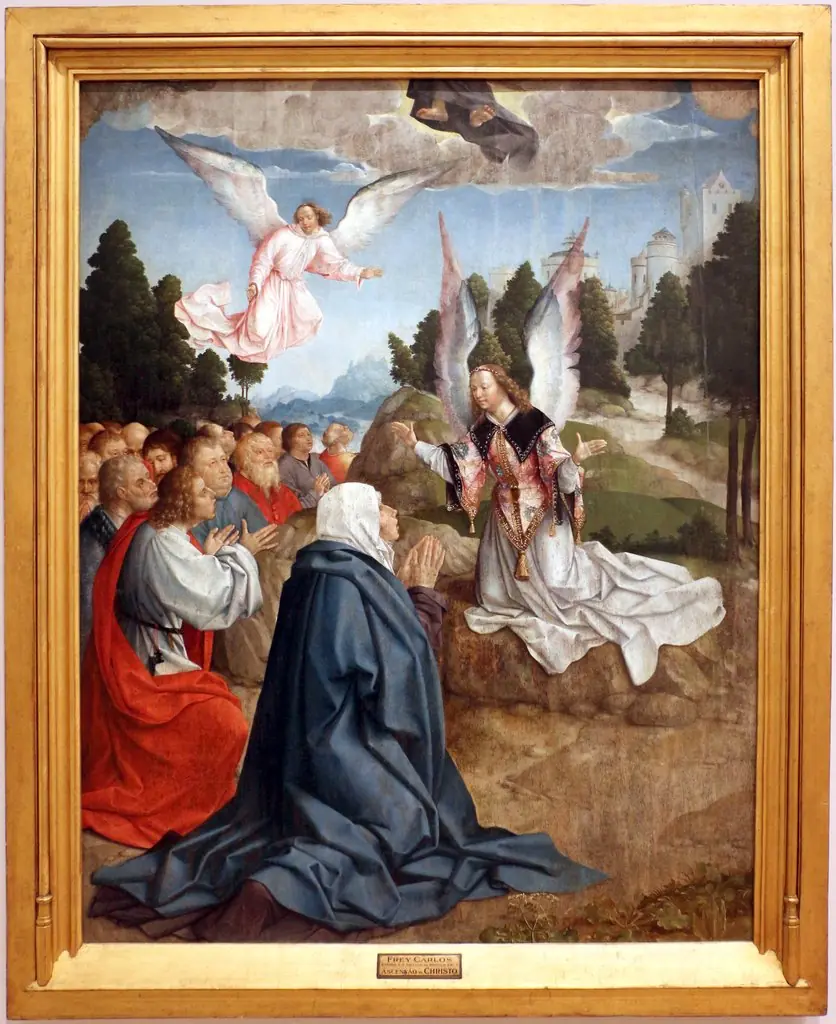 Ascensão de Cristo, Frei Carlos
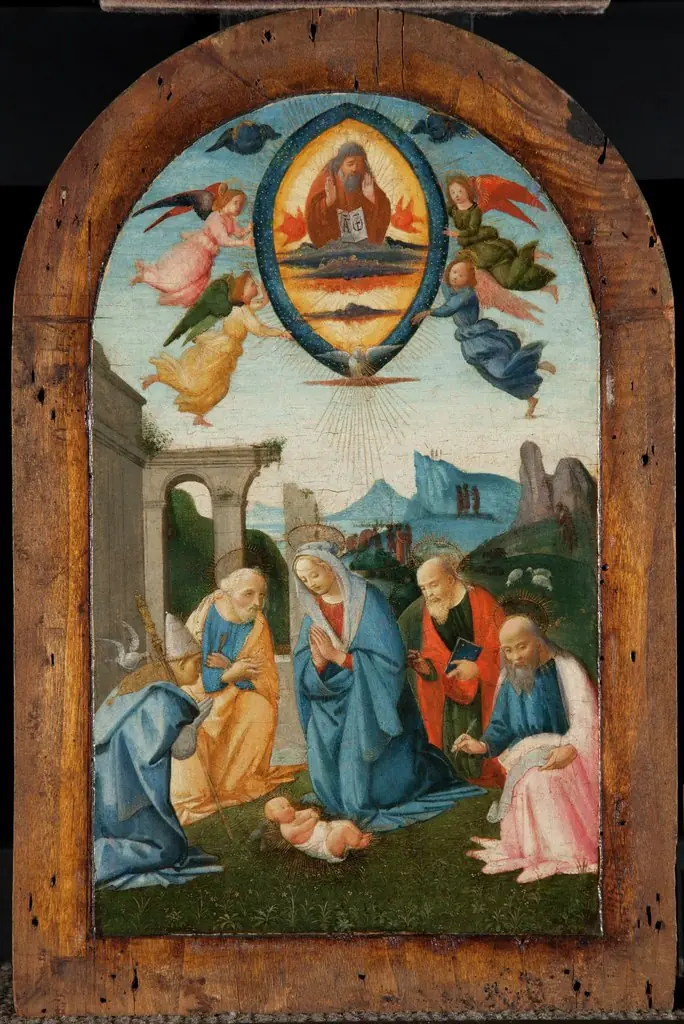 The Madonna and Four Saints Adoring the Infant Jesus
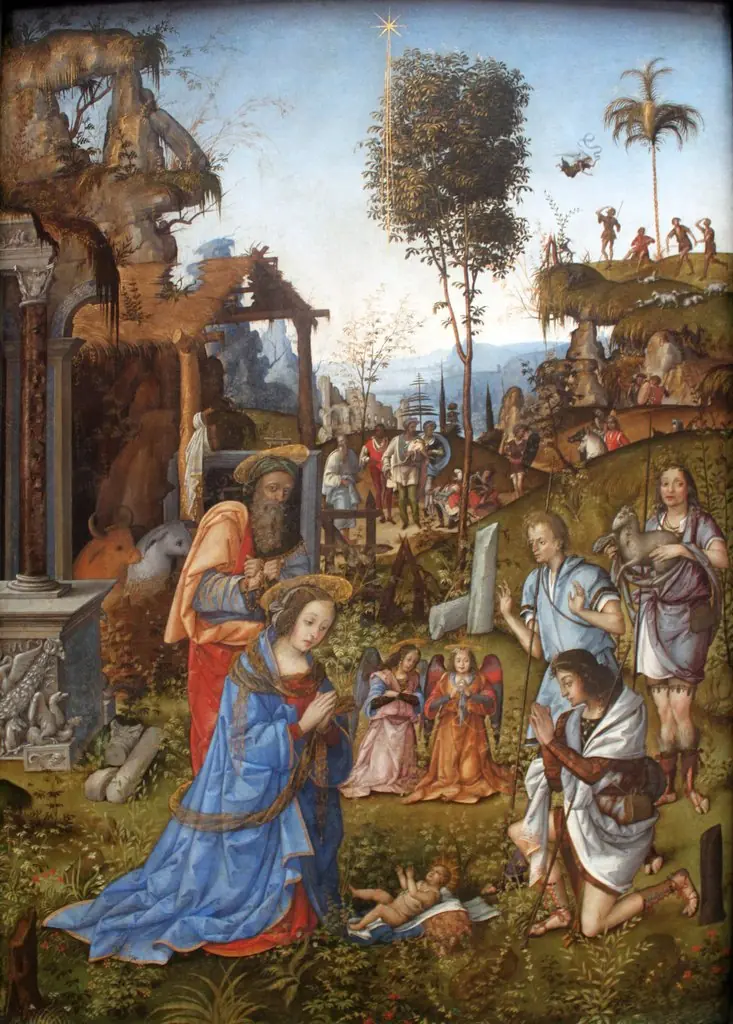 The Adoration of the Shepherds
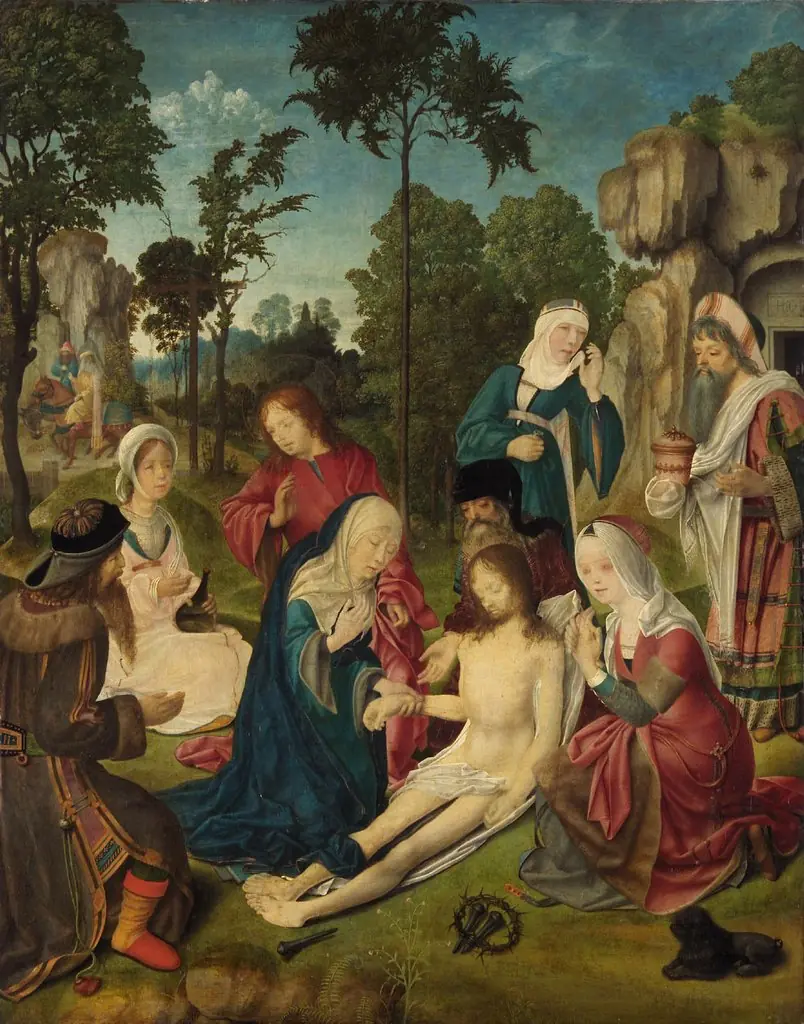 Lamentation of Christ
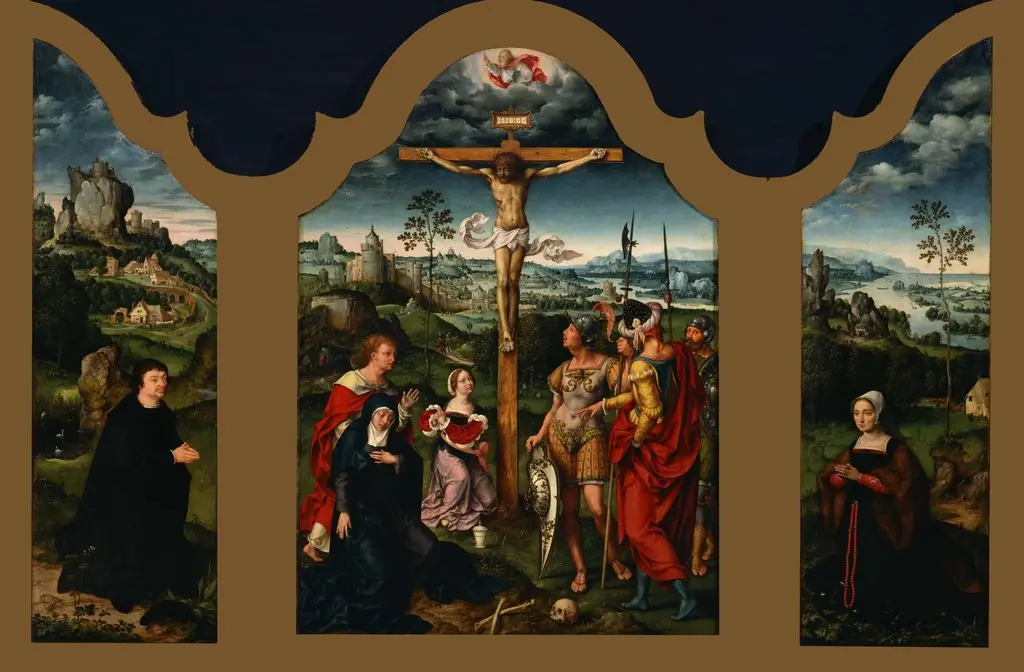 Triptych: The Crucifixion Flanked by the Kneeling Donor and His Wife
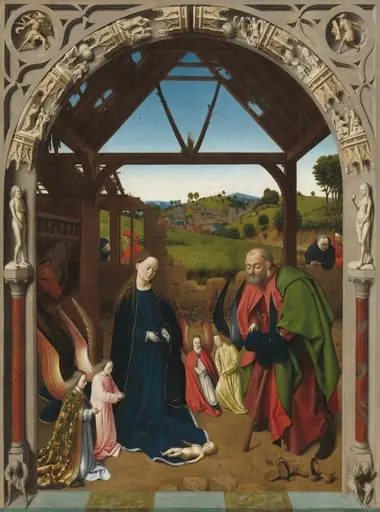 The Nativity
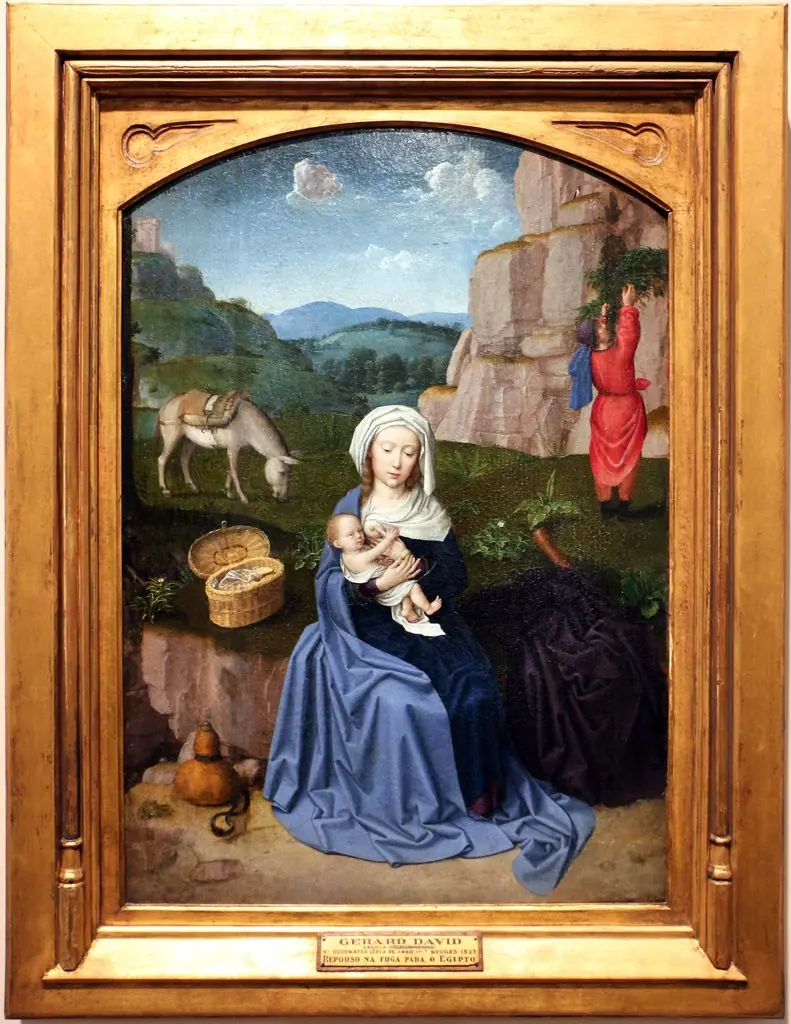 Rest on the Flight into Egypt
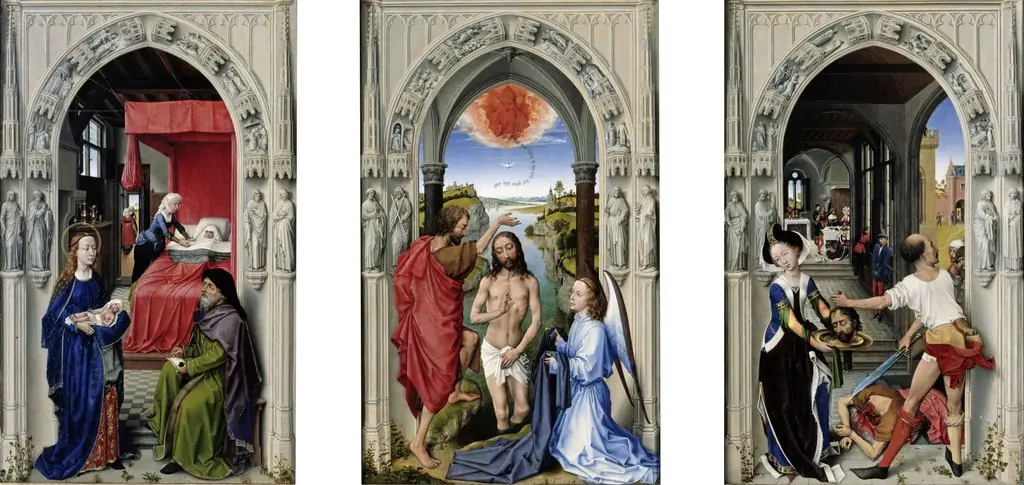 The Altar of St. John
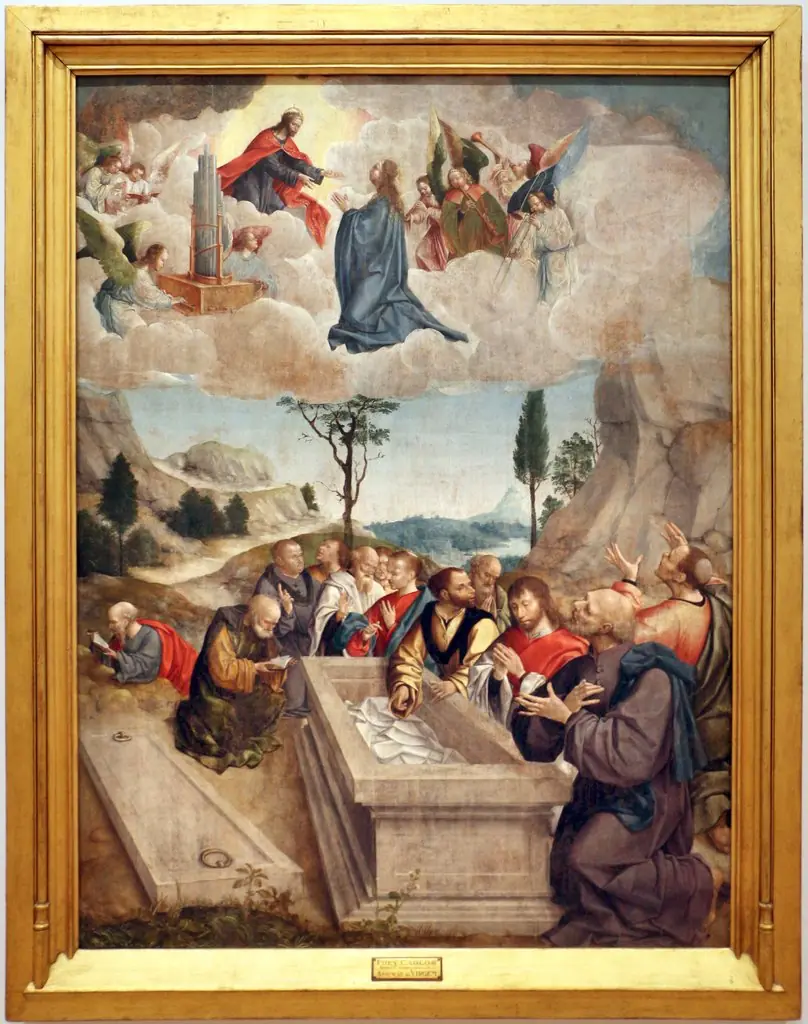 Assunção da Virgem Maria - Frei Carlos
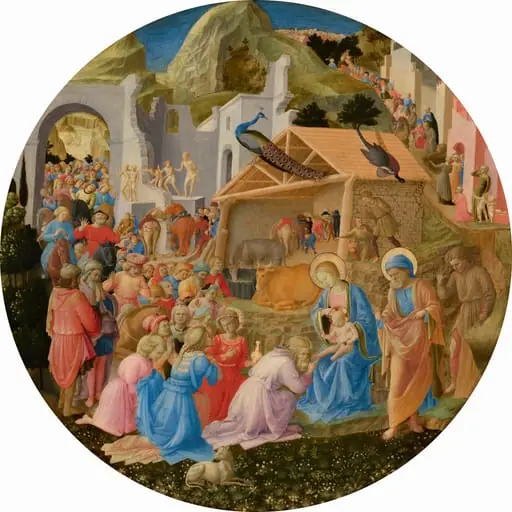 The Adoration of the Magi
 The Nativity
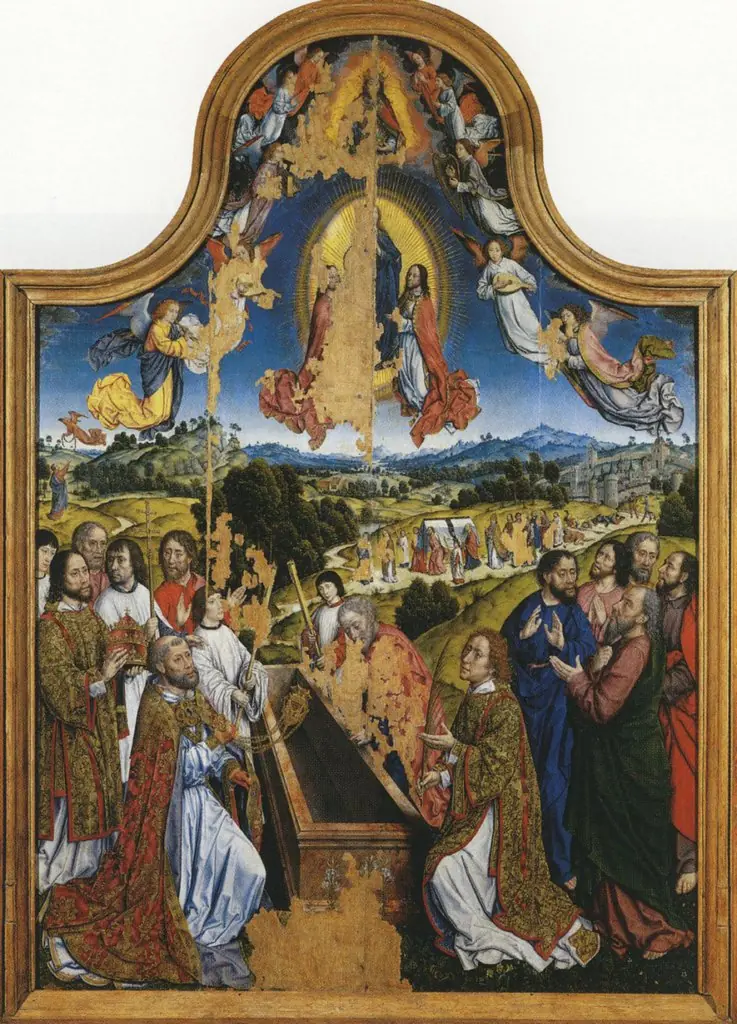 Assumption of the Virgin