Artwork
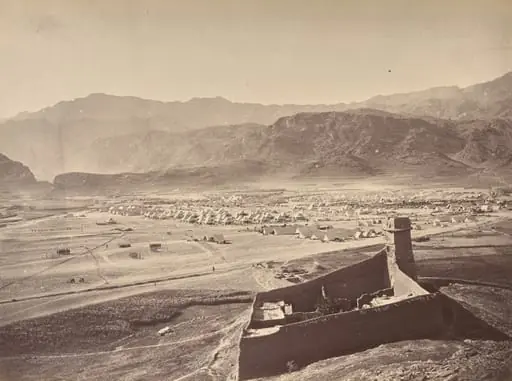
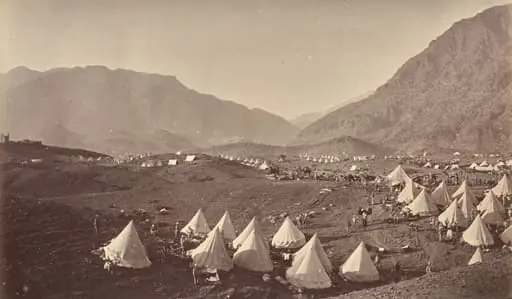
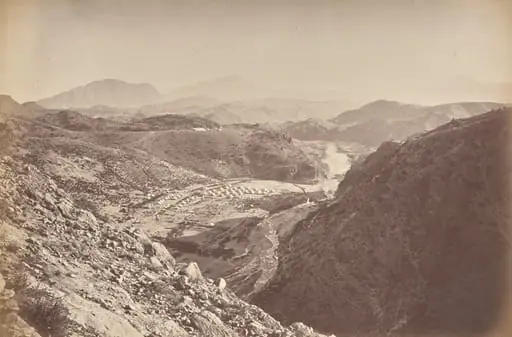
The 44th Hill, Looking Towards Jugdalluck
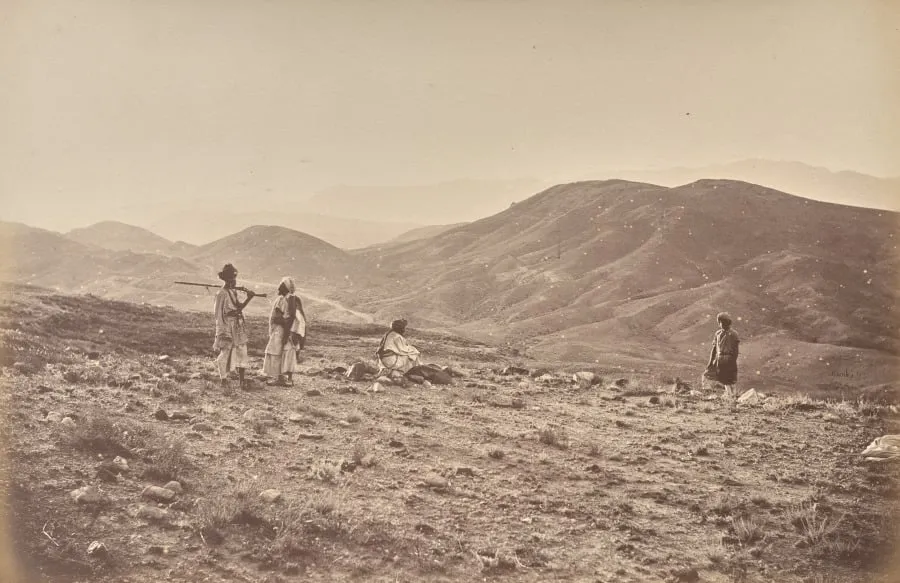
The 44th Hill, Looking Towards Jugdalluck is a photography by the Impressionist artist John Burke. It dates from 1879 and is held in the collection of the Cleveland Museum of Art. This early photograph records a tranquil hillside scene from the Second Anglo‑Afghan War (1878‑1880).
About this work
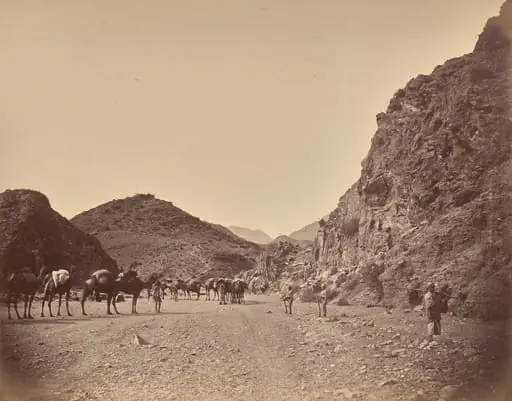
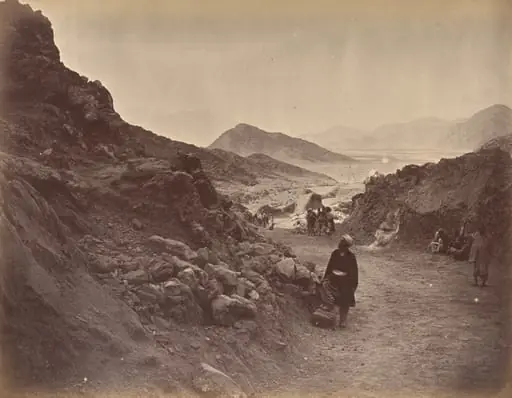
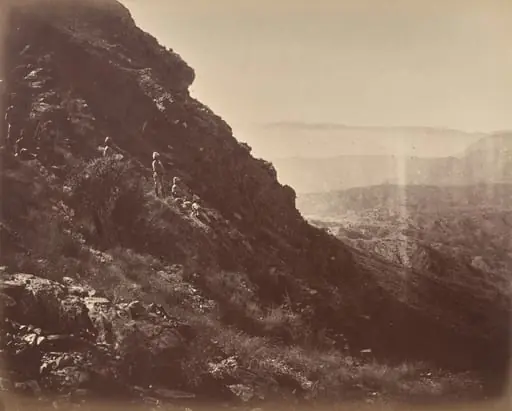
Burke traveled with the British army, but his lens stayed on the edges of battle: camps, roads, and empty ridges where fighting had just happened.
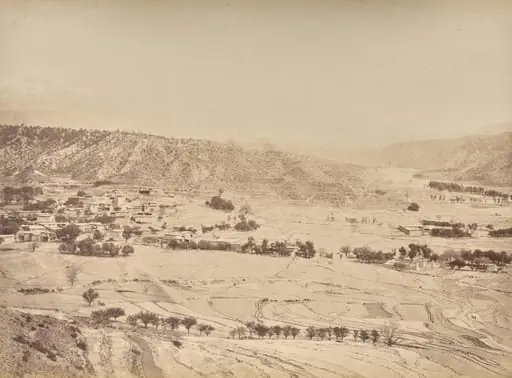
You see a quiet hillside dotted with tents and soldiers, the land rising toward distant mountains under a pale sky.
This isn’t a painting—it’s an early photograph from the Second Anglo-Afghan War. Burke traveled with the British army, but his lens stayed on the edges of battle: camps, roads, and empty ridges where fighting had just happened. The technology couldn’t freeze gunfire, so he framed the stillness instead.
To see more of Burke’s war photography, look up John Burke (Irish, 1845–1915).
Overview
This early photograph records a tranquil hillside scene from the Second Anglo‑Afghan War (1878‑1880). The composition shows a gently rising slope dotted with tents and soldiers, extending toward distant mountains beneath a pale sky. The image captures the landscape rather than combat, reflecting the limitations of photographic technology at the time.
Subject & Meaning
The picture documents the British military presence in Afghanistan, focusing on the infrastructure of a camp and the surrounding terrain where engagements occurred. By portraying the quiet moments on the periphery of conflict, the photograph conveys the logistical and environmental aspects of the war rather than its violence.
Technique & Style
Taken with mid‑19th‑century equipment, the image is a static, black‑and‑white view lacking any action. The long exposure required for the era’s glass‑plate processes meant that only still subjects—tents, soldiers at rest, and the landscape—could be captured, resulting in a composed, almost documentary aesthetic.
History & Provenance
The photograph was produced by John Burke, an Irish photographer who accompanied the British forces and became the first to document Afghanistan extensively during the conflict. His work, including this image, formed the primary visual record of the war’s environment and was circulated among military and public audiences after the campaign.
Context
During the Second Anglo‑Afghan War, photography was still emerging as a means of reportage. Because cameras could not capture rapid movement, photographers like Burke focused on camps, roads, and the aftermath of battles, providing a visual supplement to written accounts of the campaign.
Artist & collection