Artwork
Scene of Adolfo Pinto’s Family
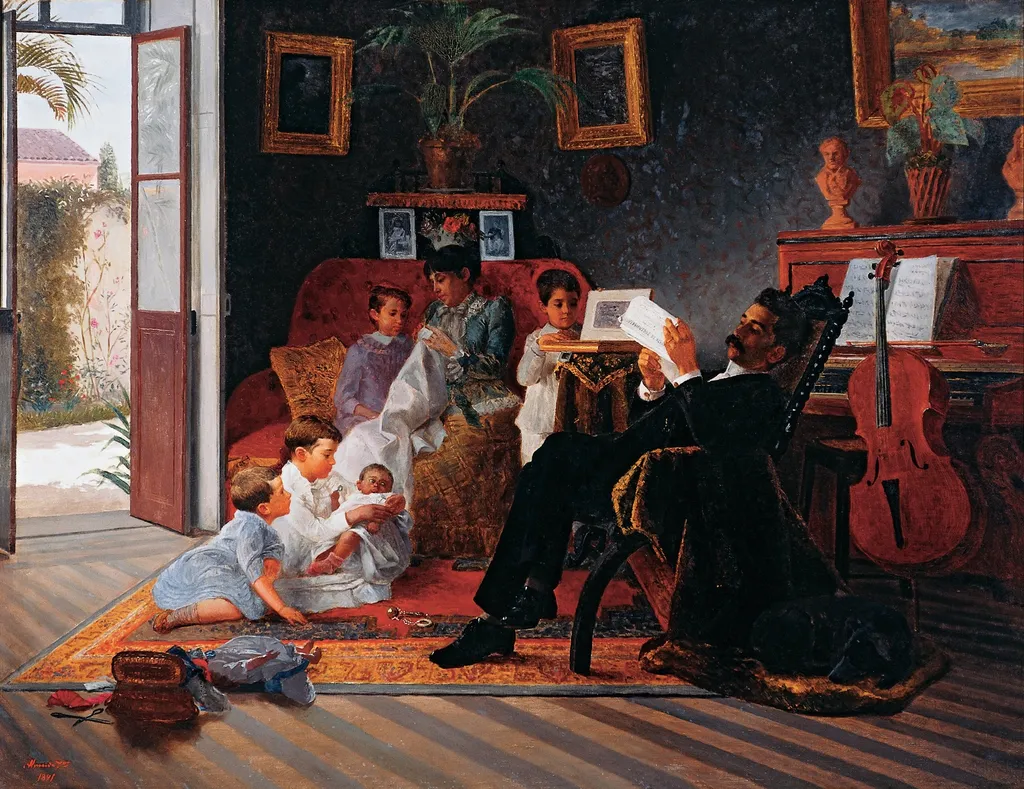
Scene of Adolfo Pinto’s Family is an oil painting by the Impressionist artist José Ferraz de Almeida Júnior. It dates from 1896 and is held in the collection of the Pinacoteca de São Paulo.
About this work
Overview
The piece is part of the Pinacoteca do Estado de São Paulo’s permanent collection, where it remains a key example of Brazilian genre painting from the period.
Painted in 1896 by Brazilian artist José Ferraz de Almeida Júnior, this oil-on-canvas work captures a quiet domestic moment within the household of Adolfo Pinto. It reflects the artist’s commitment to depicting everyday life with observational precision, aligning with broader 19th-century trends in realist painting. The piece is part of the Pinacoteca do Estado de São Paulo’s permanent collection, where it remains a key example of Brazilian genre painting from the period.
Subject & Meaning
The scene portrays a middle-class family engaged in routine, intimate activities: the father reads quietly, the mother sews, and four children play or rest nearby. No dramatic event unfolds; instead, the painting emphasizes the dignity of ordinary domestic life. The arrangement suggests harmony and stability, with each figure occupying a space that reflects their role. The absence of idealization underscores a deliberate focus on authenticity over sentimentality.
Technique & Style
Almeida Júnior employed oil paint to render subtle shifts in light and texture, using chiaroscuro to model forms and create spatial depth. His brushwork is controlled yet expressive, avoiding the loose strokes associated with Impressionism despite occasional similarities in subject matter. The composition is carefully balanced, with furniture and decorative objects anchoring the figures in a tangible interior. The palette is muted, dominated by earth tones that enhance the scene’s quiet atmosphere.
History & Provenance
Commissioned by or created for Adolfo Pinto’s family, the painting entered the Pinacoteca do Estado de São Paulo’s holdings in the early 20th century. It has remained there since, serving as a representative work of Brazilian Realism. Its preservation reflects institutional recognition of Almeida Júnior’s role in shaping a national artistic identity grounded in local subjects rather than European models.
Context
In late 19th-century Brazil, artists like Almeida Júnior sought to define a visual language distinct from colonial traditions. Influenced by French Realists such as Courbet and Millet, he turned to domestic and rural scenes to portray the lives of ordinary Brazilians. This work emerged during a period of social change, as urban middle-class values gained cultural prominence, making intimate family scenes both relevant and resonant.
Legacy
The painting stands as a foundational example of Brazilian Realism, influencing later generations of artists who prioritized social observation over romanticism. Its enduring presence in a major national museum affirms its role in documenting the material and emotional textures of Brazilian domestic life. Almeida Júnior’s approach helped establish genre painting as a legitimate and enduring strand in the country’s artistic heritage.
Own this work as a print
Artist & collection

Artist
José Ferraz de Almeida Júnior (8 May 1850 – 13 November 1899) was a Brazilian artist and designer; one of the first there to paint in the Realistic tradition of Gustave Courbet and Jean-François Millet.




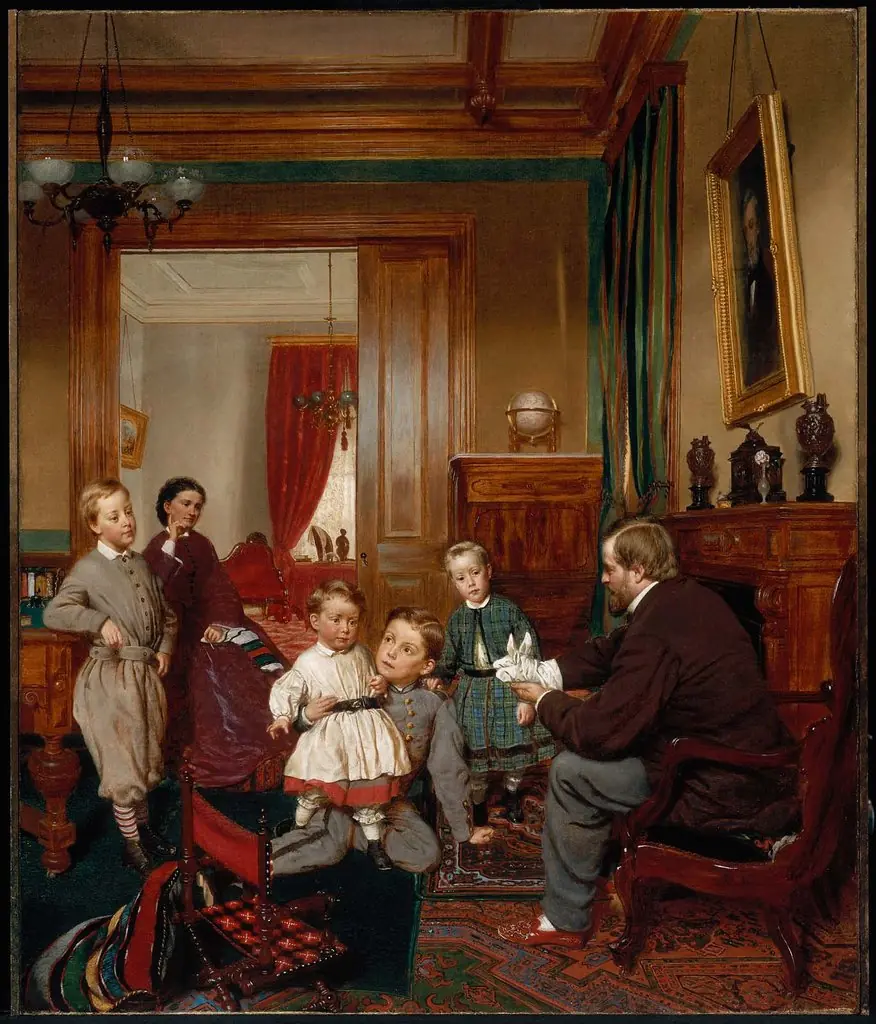 The Colgate Family
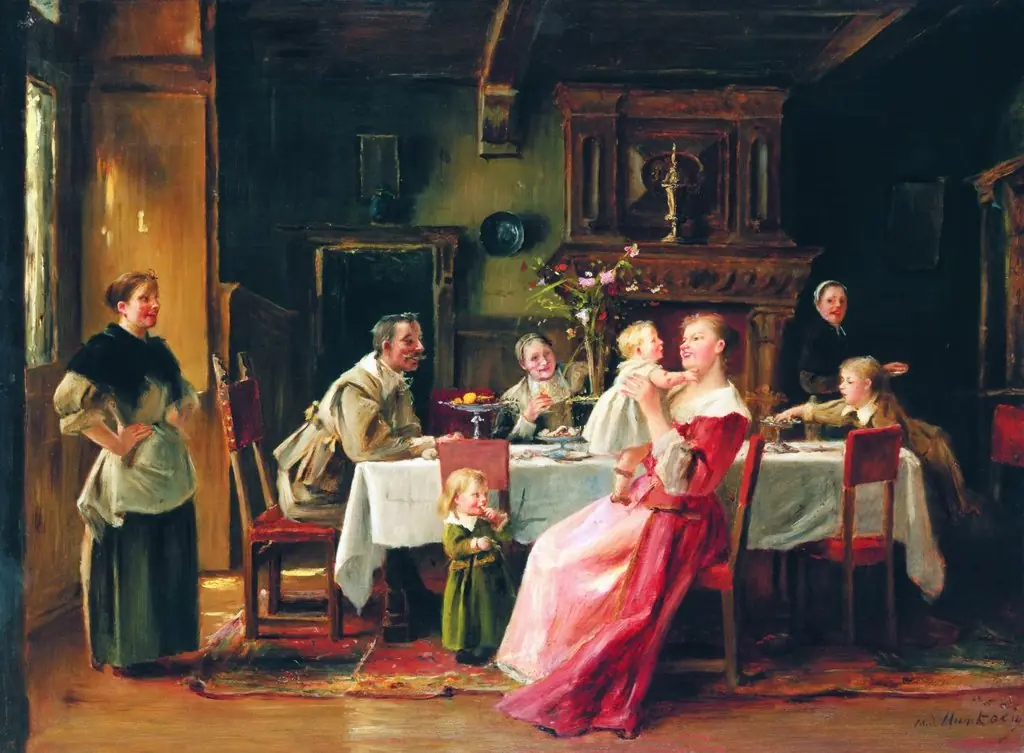 Ebéd után (Anyai boldogság)
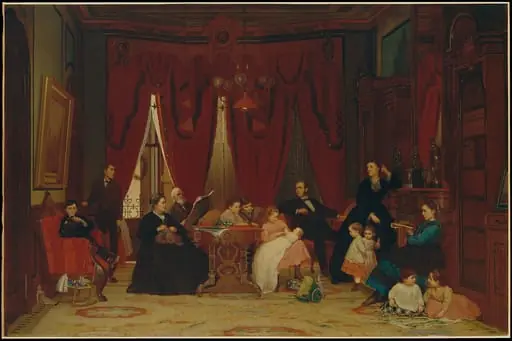 The Hatch Family
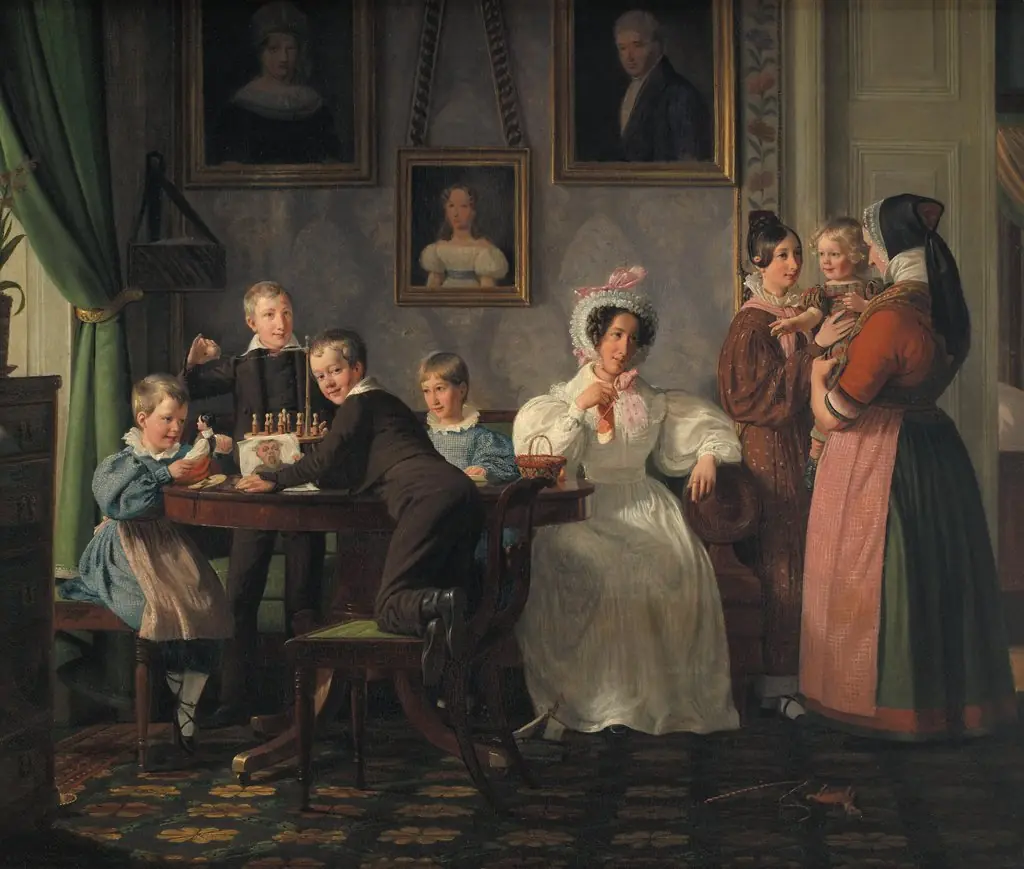 Familien Waagepetersen
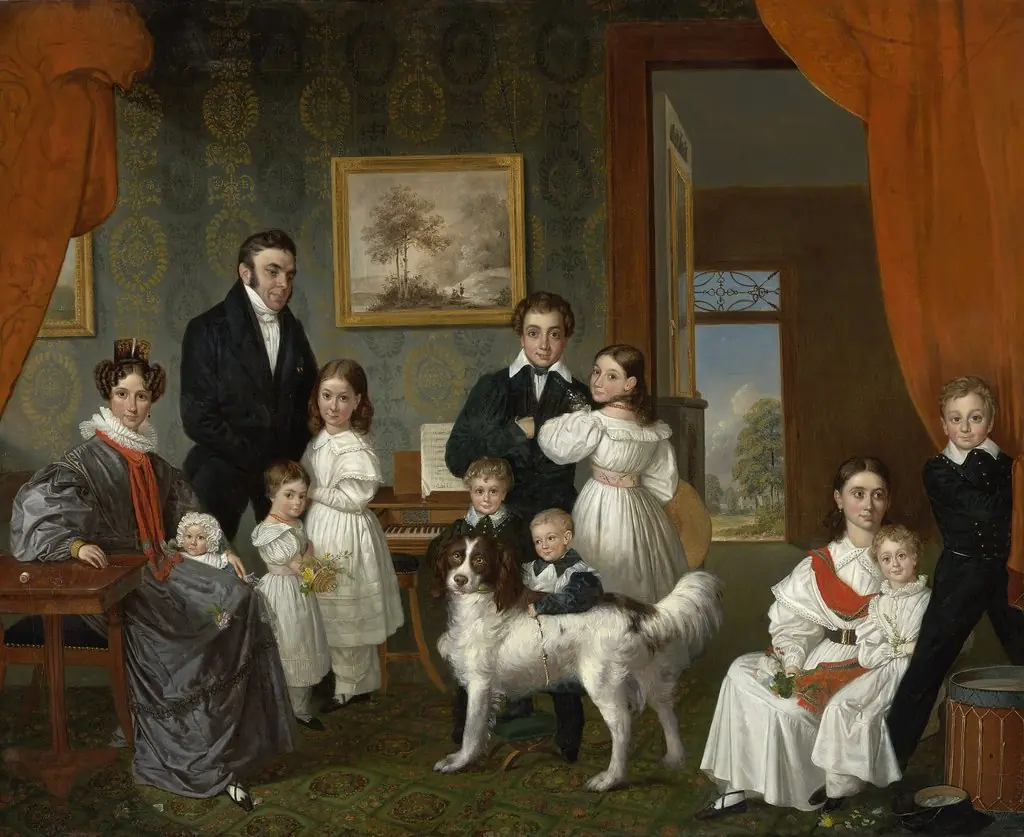 Portrait of the Baud family in their country house in Voorburg
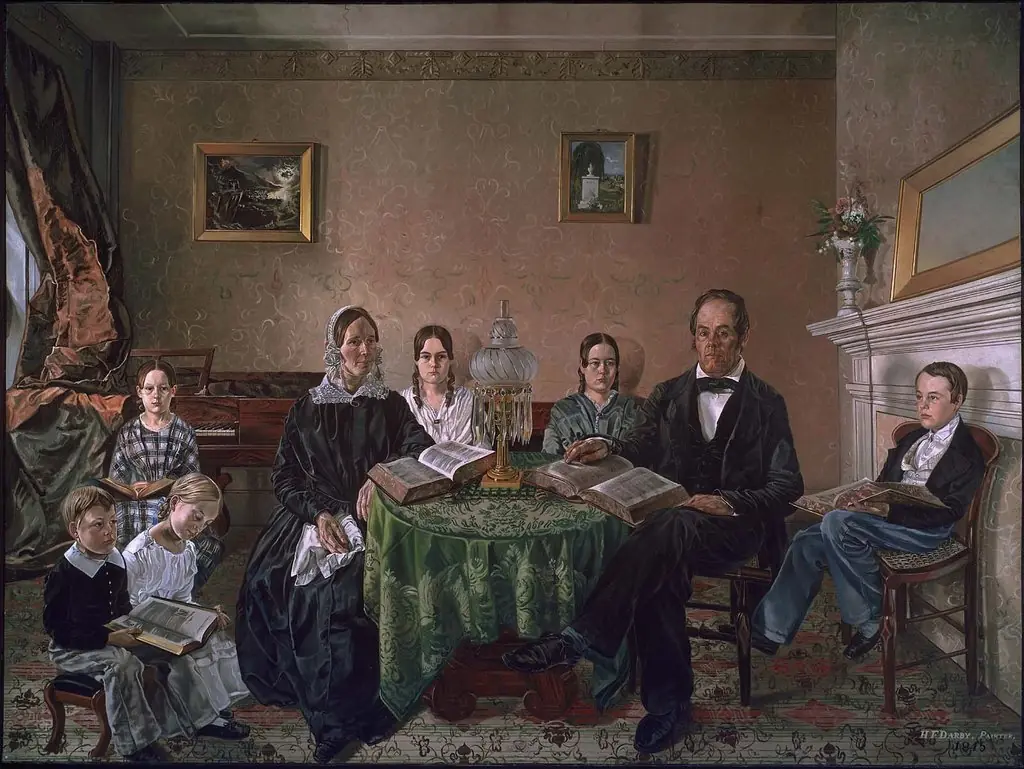 The Reverend John Atwood and His Family
 Braut wider Willen
 The Waagepetersen Family
 Taking the Census
 Portrait of the Family of the 1st Viscount of Santarém
 Family portrait
 musical party