Artwork
Los exploradores de la tierra de promisión
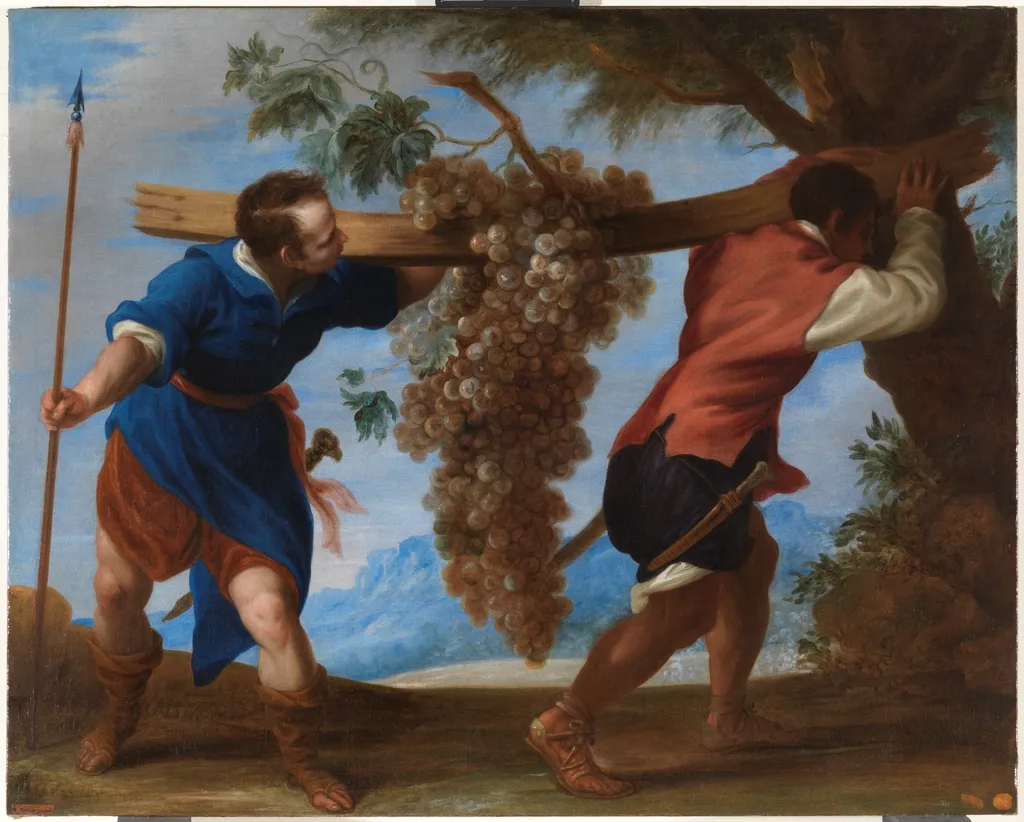
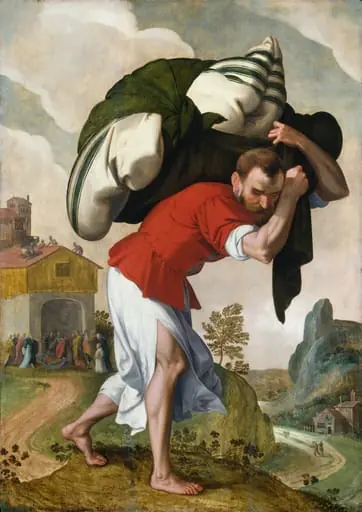
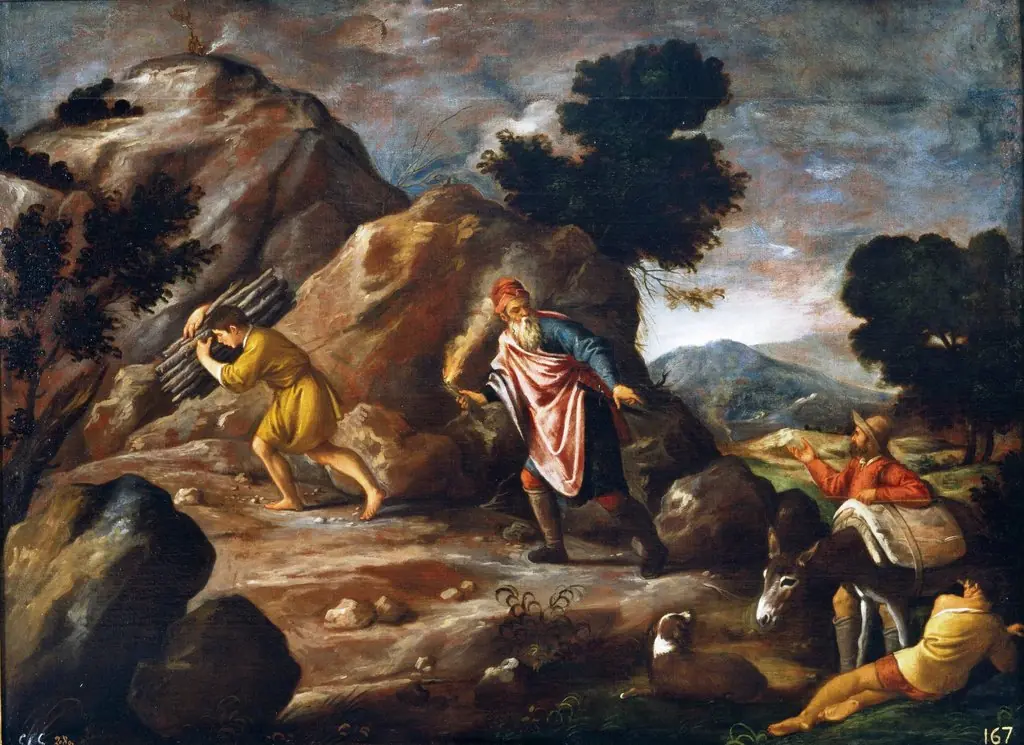
Los exploradores de la tierra de promisión is an oil painting by the Early Baroque Italian artist Juan Antonio de Frías y Escalante. It dates from 1668 and is held in the collection of the Museo del Prado.
About this work
Overview
A Spanish artist trained in Madrid under Francisco Ricci, he was active in royal circles and absorbed influences from Venetian colorism.
Juan Antonio de Frías y Escalante painted *Los exploradores de la tierra de promisión* in 1668 using oil on canvas. A Spanish artist trained in Madrid under Francisco Ricci, he was active in royal circles and absorbed influences from Venetian colorism. The work is part of the Museo del Prado’s collection and reflects his engagement with biblical themes through a grounded, earthly lens, distinct from the grandeur typical of his contemporaries.
Subject & Meaning
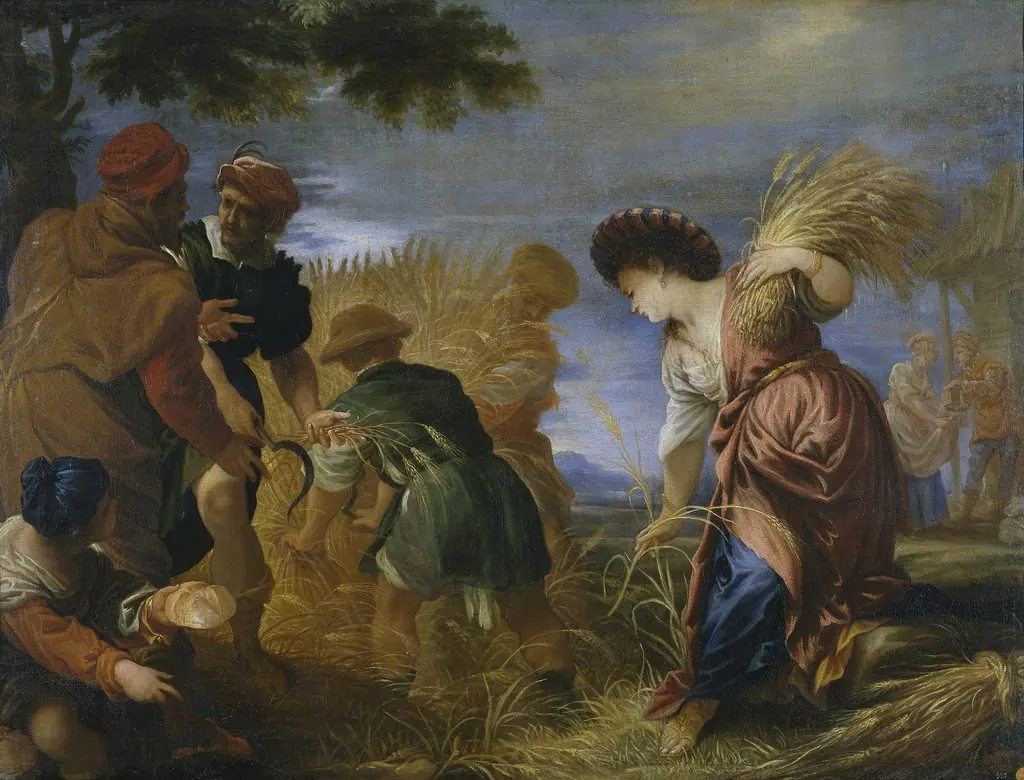
The painting illustrates a moment from the biblical account of the spies sent into Canaan, as described in the Book of Numbers. Two figures, burdened by a massive cluster of grapes, traverse a modest landscape, their labor evoking the weight of divine promise and human toil. The scene avoids theatricality, instead emphasizing physical strain and quiet endurance, aligning the sacred narrative with the dignity of rural labor.
Technique & Style
Escalante employed warm, earthy tones and soft brushwork to convey texture and atmosphere. The grapes, rendered in layered browns and greens, suggest ripeness through subtle gradations rather than dramatic highlights. The figures’ bare feet and simple garments, set against a hazy background of trees and sky, create a sense of intimate realism. His handling of light and color shows Venetian influence, tempered by a Spanish restraint in composition.
History & Provenance
Commissioned during Escalante’s tenure at the Spanish court, the painting entered the Prado’s collection in the 19th century, likely through royal or ecclesiastical transfers. Though little is documented about its early ownership, its survival in a major public institution underscores its recognition as a representative work of mid-17th-century Spanish religious painting, even if not among his most celebrated.
Context
In the 1660s, Spanish religious art often balanced Counter-Reformation solemnity with emerging naturalism. Escalante’s depiction diverges from the ornate altarpieces of his peers by focusing on ordinary human effort. His exposure to Venetian painting, combined with Spain’s cultural emphasis on humility, shaped a style that quietly elevated biblical stories through everyday detail rather than spectacle.
Legacy
While Escalante is not widely known today, this work exemplifies a quieter current in Spanish Baroque art—one that sought spiritual resonance in the mundane. His later pieces show a shift toward Rococo lightness, making this painting a rare anchor to his earlier, more grounded aesthetic. It remains a quiet testament to the intersection of faith, labor, and observation in 17th-century Spain.
Own this work as a print
Artist & collection
Artist
Juan Antonio de Frías y Escalante
Juan Antonio de Frías y Escalante (1633 in Cordoba–1669 in Madrid) was a Spanish Baroque Golden Age painter.