Artwork
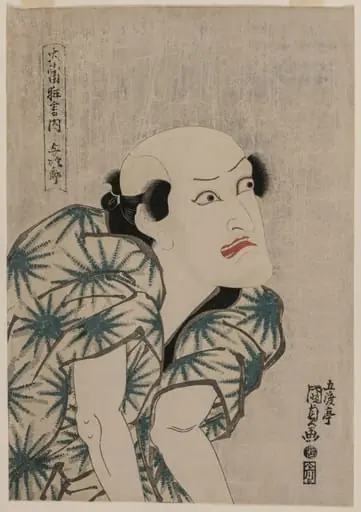
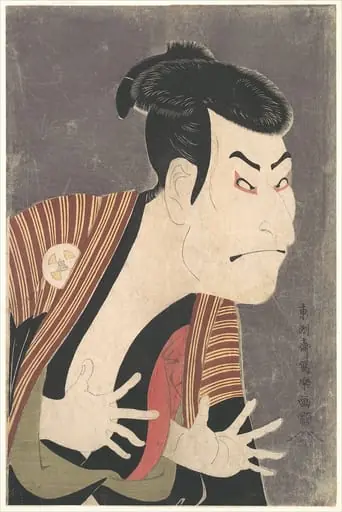
壽陽堂歳国画 『中村芝翫 楽屋之図』|Kabuki Actor Nakamura Shikan Backstage (Nakamura Shikan rakuya no zu)
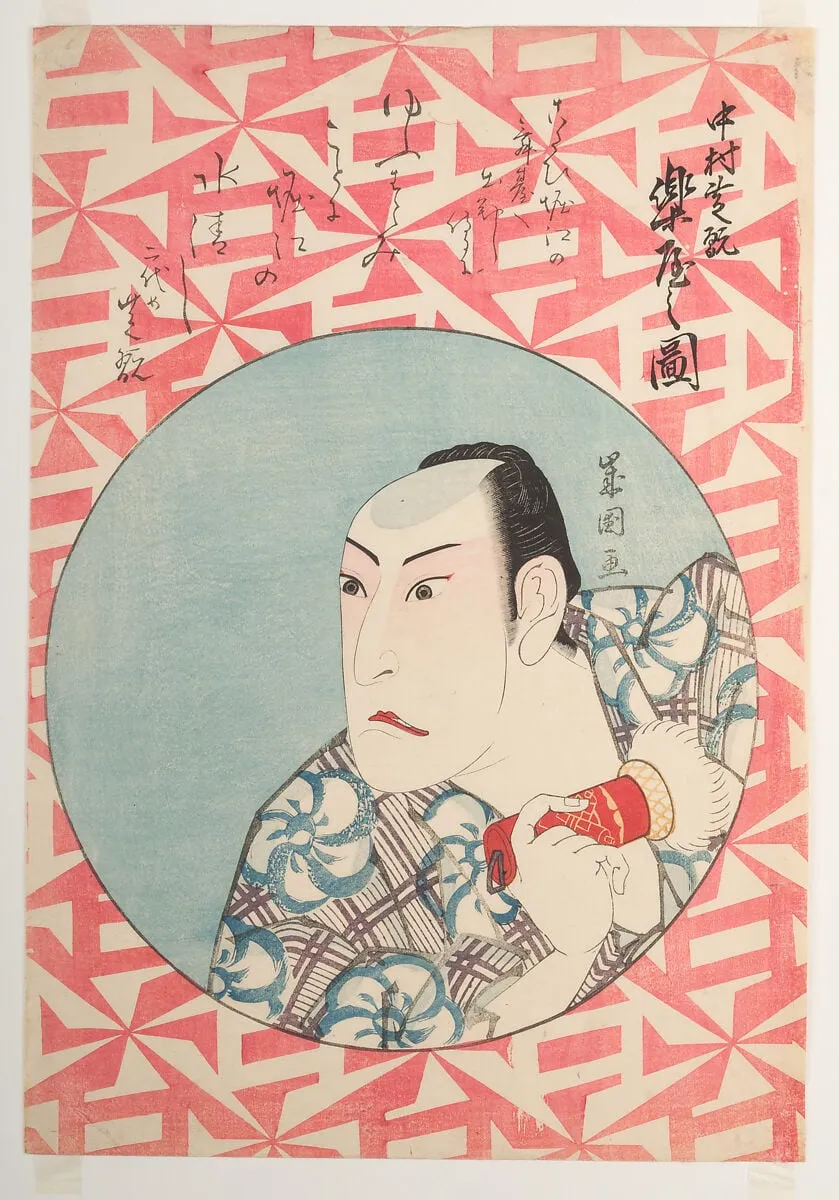
壽陽堂歳国画 『中村芝翫 楽屋之図』|Kabuki Actor Nakamura Shikan Backstage (Nakamura Shikan rakuya no zu) is an ink print by the Romanticist artist Juyōdō Toshikuni 壽陽堂歳国. It dates from 1826 and is held in the collection of the Metropolitan Museum of Art. Created in 1826 by the Edo‑period printmaker Juyōdō Toshikuni, this woodblock work depicts a kabuki performer in a stylised portrait.
About this work
Overview
Created in 1826 by the Edo‑period printmaker Juyōdō Toshikuni, this woodblock work depicts a kabuki performer in a stylised portrait. Executed with ink and colour on paper, the image is part of the Metropolitan Museum of Art’s collection of Japanese prints.
Subject & Meaning
The figure is presented within a circular frame, showing the actor’s face and shoulders. He wears a blue kimono with dark patterned trim, holds a red fan in one hand, and places the other hand on his chest, suggesting a moment of performance or preparation backstage.
Technique & Style
Toshikuni employs bold, contrasting hues—particularly a vivid red‑and‑white geometric background—to foreground the portrait. The composition relies on simple, flat shapes and clear outlines, characteristic of ukiyo‑e’s emphasis on graphic impact over naturalistic detail.
History & Provenance
The print was produced during the late Edo period, a time when kabuki actors were popular subjects for commercial prints. It entered the Metropolitan Museum of Art’s collection through acquisition in the early twentieth century, where it remains on view as an example of theatrical portraiture.
Context
Kabuki theatre flourished in the early nineteenth century, and portraits of actors served both as promotional material and as souvenirs for fans. This image reflects the era’s fascination with celebrity culture and the visual language of ukiyo‑e that catered to a growing urban audience.
Artist & collection
Artist
Juyōdō Toshikuni carved vibrant woodblock prints that freeze a single instant in 1820s Edo.

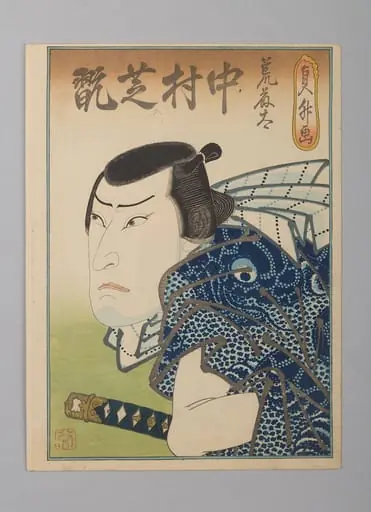 「荒藤太 中村芝翫」(四代)|Nakamura Shikan IV as the Fishmonger Aratota
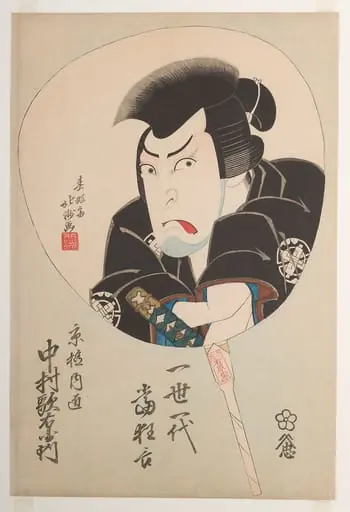 春好斎北洲画 三代目中村歌右衛門 『一世一代当狂言』|Kabuki Actor Nakamura Utaemon III as the Sword Master Kyōgoku Takumi, from the series Issei ichidai atari Kyōgen (Hits of a Lifetime of Kyōgen)
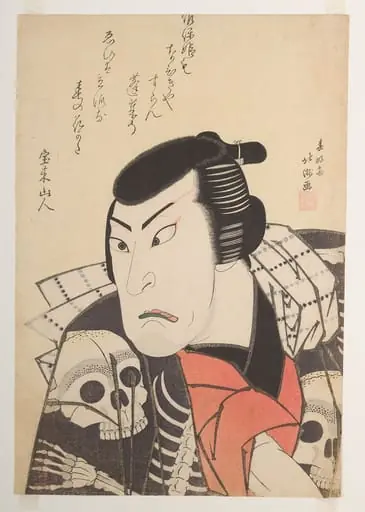 春好斎北洲画 初代市川鰕十郎 「紅紫大坂潤」|Kabuki Actor Ichikawa Ebijūrō I as Tōken (China Dog) Jūbei, in the play Benimurasaki ai de someage (Red and Purple, Rich Dyes of Osaka)
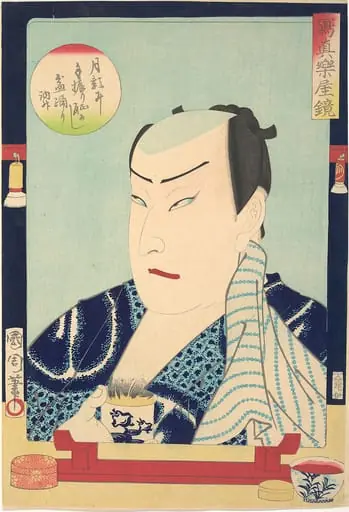 写真楽屋鑑 2代目澤村 訥升|Sawamura Tosshō II (1838–86), from the series Mirror of Photographs Backstage (Shashin gakuya kagami - Sawamura Tosshō nisei)
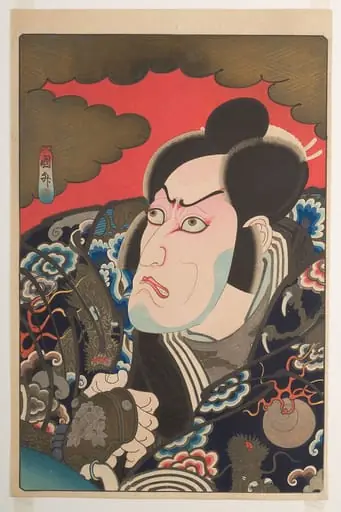 歌川国升画 五代目市川海老蔵 「熊谷次郎直実」|Kabuki Actor Ichikawa Ebizō V as Kumagai Jirō Naozane
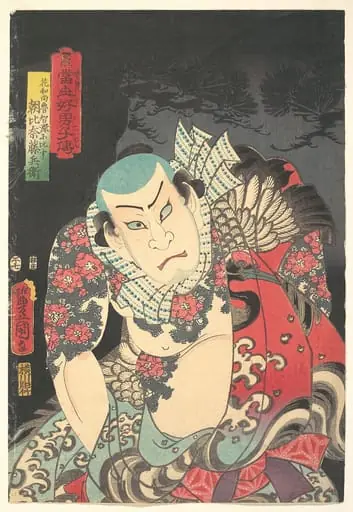 当世好男子伝」松 「花和尚魯智深に比す朝比奈藤兵衛」|The Actor Nakamura Fukusuke I as Asahina Tōbei, likened to Lu Zhishen the Tattooed Priest (Kaoshō Rochishin ni hisu), from the “Pine” triptych of the series A Modern Water Margin (Tōsei suikoden)
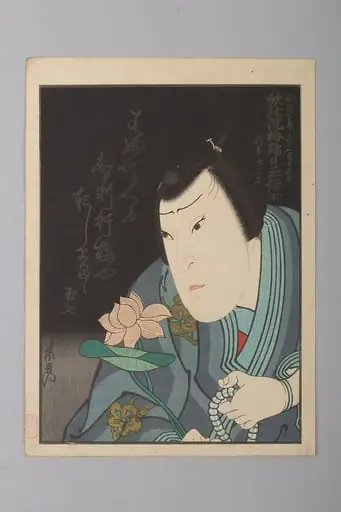 「中村玉七」(初代)|Memorial Portrait of the Actor Nakamura Tamashichi
 東洲斎写楽画 三代目大谷鬼次の奴江戸兵衛|Kabuki Actor Ōtani Oniji III as Yakko Edobei