Artwork
春好斎北洲画 三代目中村歌右衛門 『一世一代当狂言』|Kabuki Actor Nakamura Utaemon III as the Sword Master Kyōgoku Takumi, from the series Issei ichidai atari Kyōgen (Hits of a Lifetime of Kyōgen)
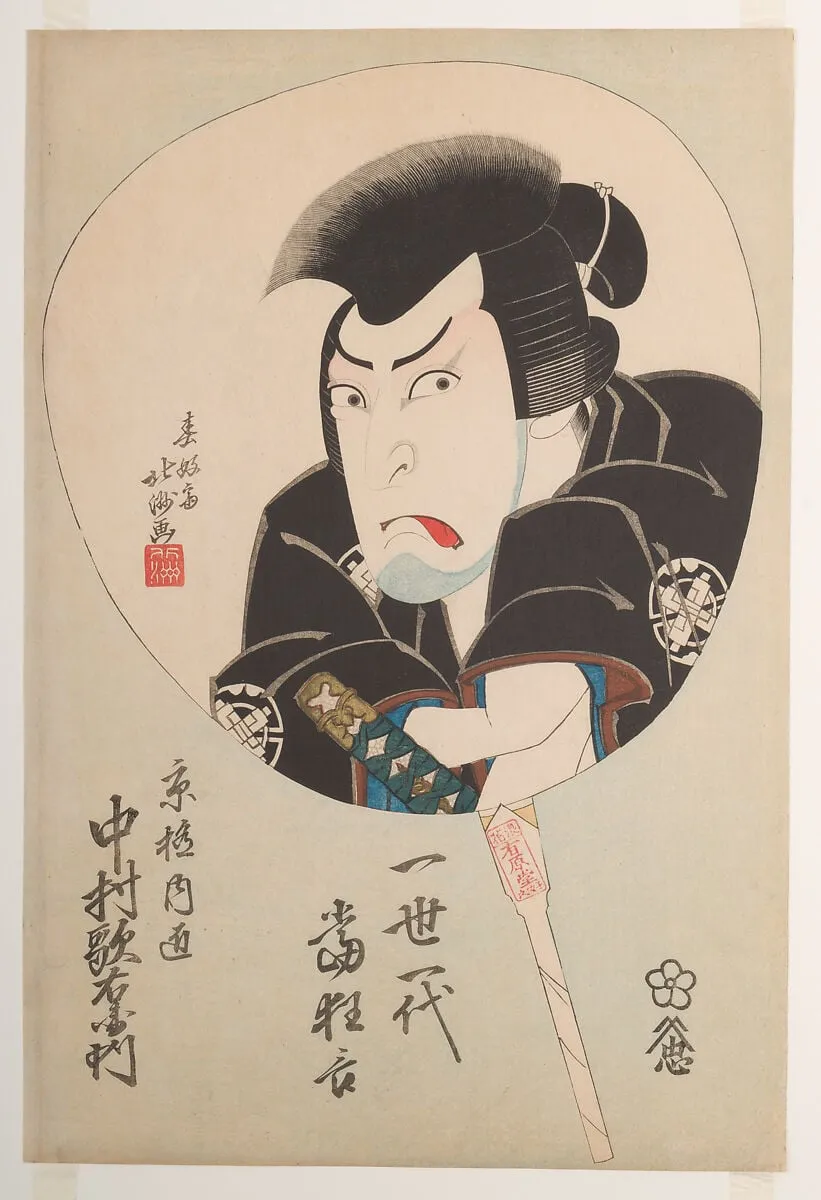
春好斎北洲画 三代目中村歌右衛門 『一世一代当狂言』|Kabuki Actor Nakamura Utaemon III as the Sword Master Kyōgoku Takumi, from the series Issei ichidai atari Kyōgen (Hits of a Lifetime of Kyōgen) is an ink print by the Romanticist artist Shunkōsai Hokushū. It dates from 1825 and is held in the collection of the Metropolitan Museum of Art.
About this work
Overview
Created in 1825 by the Edo‑period printmaker Shunkōsai Hokushū, this multicolour woodblock portrait belongs to the series Issei ichidai atari Kyōgen, a collection that highlighted celebrated kabuki roles. The image presents the third-generation actor Nakamura Utaemon III in the guise of the sword‑master Kyōgoku Takumi, rendered with vivid pigments and metallic accents on paper.
Subject & Meaning
The composition captures the actor mid‑gesture, his crimson kimono billowing as he raises an arm, the expression intense and focused. By portraying Utaemon III as the legendary swordsman, the print serves both as a visual record of a signature performance and as a tribute to the actor’s stature within the popular theatrical repertoire of the time.
Technique & Style
Executed with traditional ukiyo‑e woodblock methods, the work combines line engraving with hand‑applied colour, ink and a metallic pigment that gives the costume a glittering effect reminiscent of embroidered brocade. The bold outlines and flat areas of saturated hue emphasize drama, while the subtle gold flecks add a tactile quality that distinguishes the print from more modest fare.
Historical Context
During the early nineteenth century, kabuki actors were celebrated as cultural icons, and fans collected affordable prints that functioned like visual souvenirs. The Issei ichidai atari Kyōgen series compiled what were considered the most memorable roles of a generation, reflecting a market where theatre and print culture intersected to disseminate popular imagery across Edo.
Provenance
The print originates from a commercial workshop in Edo, where Shunkōsai Hokushū produced works for a network of publishers catering to theatre‑going audiences. Surviving copies are found in several museum collections, indicating the widespread distribution of the series and its continued relevance as a documentary source for early nineteenth‑century kabuki performance.
Artist & collection

Artist
Shunkōsai Hokushū spent his life in Osaka, where the city’s lively theater scene shaped his work.

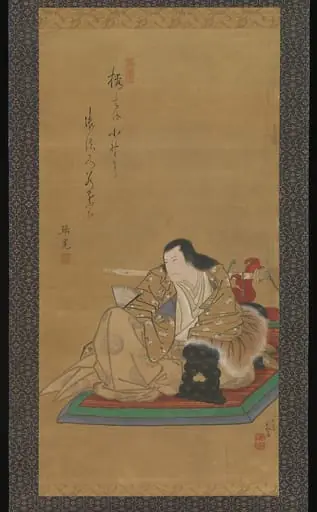 初代嵐橘三郎 (二代目嵐吉三郎) の惟高親王|The Actor Arashi Kitsusaburō I (Kichisaburō II) as Prince Koretaka
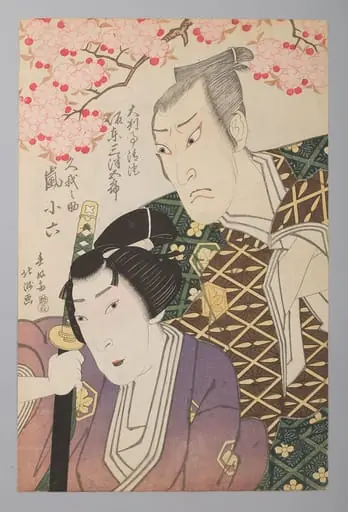 「大判事清澄 坂東三津五郎」(三代)・「久我之助 嵐小六」(四代)|Bandō Mitsugorō III as Daihanji Kiyozumi and Arashi Koroku IV as Koganosuke
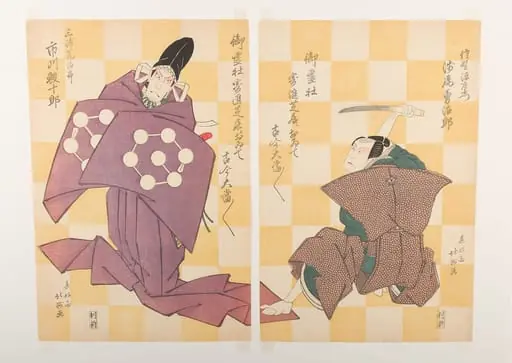 春好斎北洲画 初代浅尾勇次郎・初代市川鰕十郎 『傾城佐野の船橋』|Kabuki Actors Asao Yūjirō as Sano Genzaemon and Ichikawa Ebijūrō I as Miura Arajirō, in the play Keisei Sano no Funabashi
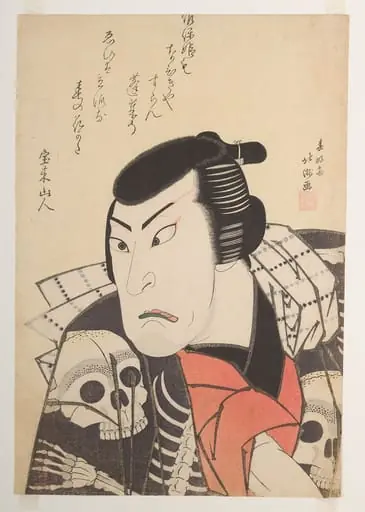 春好斎北洲画 初代市川鰕十郎 「紅紫大坂潤」|Kabuki Actor Ichikawa Ebijūrō I as Tōken (China Dog) Jūbei, in the play Benimurasaki ai de someage (Red and Purple, Rich Dyes of Osaka)
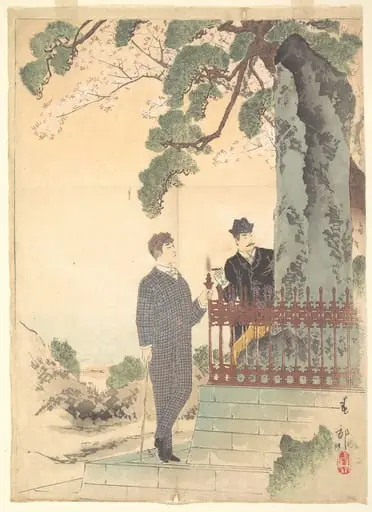 Untitled
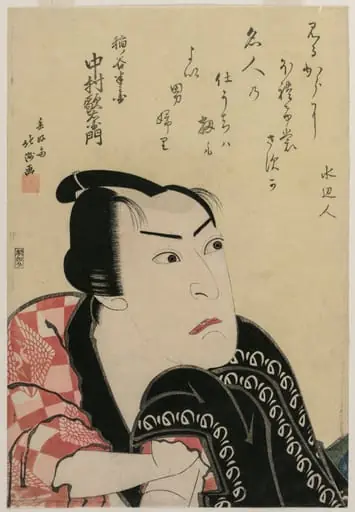 Nakamura Utaemon as Inanoya Hanbei
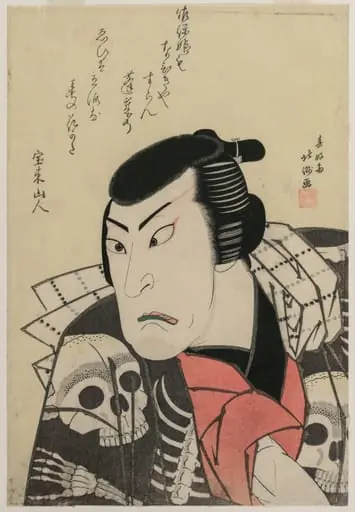 Actor Ichikawa Ebijūrō I as Tōken (China Dog) Jūbei, in the play Red and Purple, Rich Dyes of Osaka (Benimurasaki ai de someage)
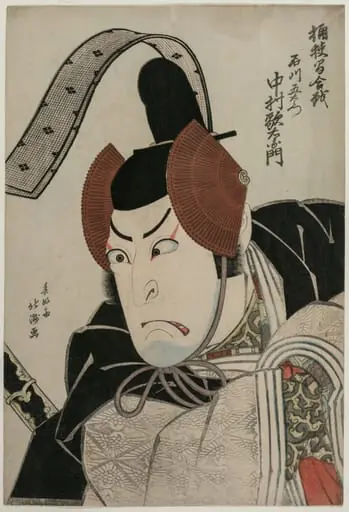 Actor Nakamura Utaemon III (Shikan) as Ishikawa Goemon at the Battle of Okehazama (Okehazama Gassen)
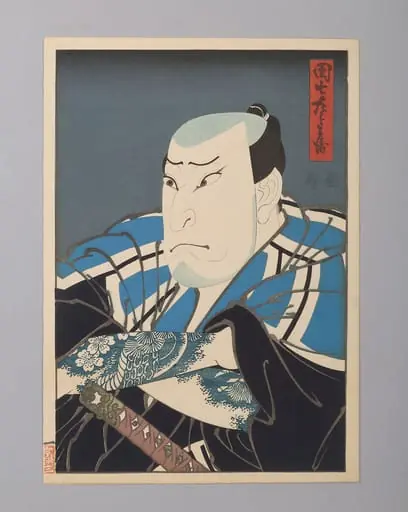 「団七九郎兵衛」|Nakamura Utaemon IV as Danshichi Kurobei
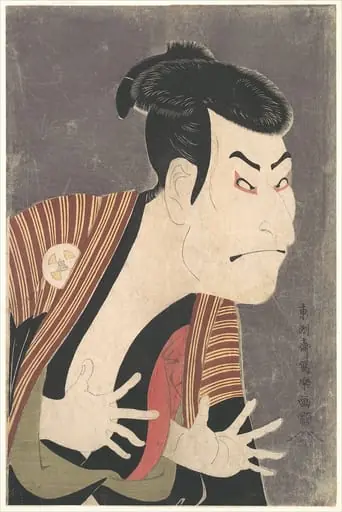 東洲斎写楽画 三代目大谷鬼次の奴江戸兵衛|Kabuki Actor Ōtani Oniji III as Yakko Edobei
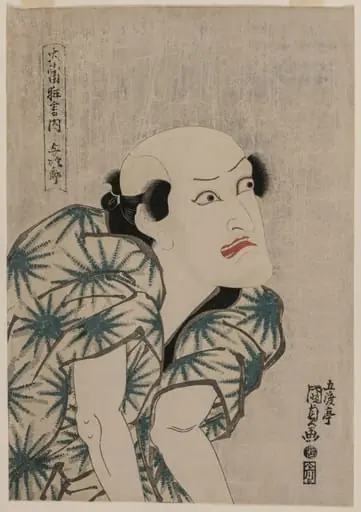 Nakamura Utaemon III as the Monkey Trainer Yojiro (from the series Famous Kabuki Plays)
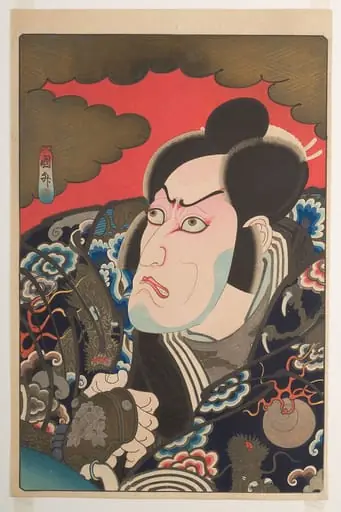 歌川国升画 五代目市川海老蔵 「熊谷次郎直実」|Kabuki Actor Ichikawa Ebizō V as Kumagai Jirō Naozane
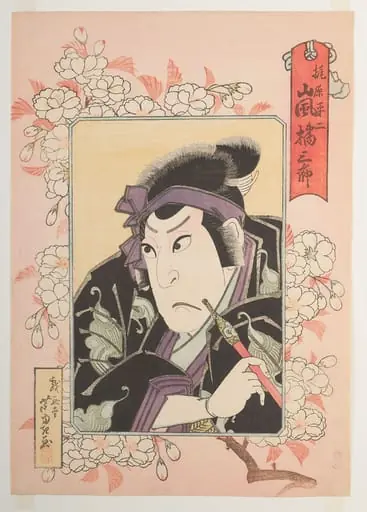 戯画堂芦幸画 二代目嵐橘三郎 「ひらかな盛衰記」|Kabuki Actor Arashi Kitsusaburō II as Kajiwara Heiji, in the play Hiragana seisuiki (Records of the Battles between the Minamoto and Taira Clans in the Japanese Syllabary)
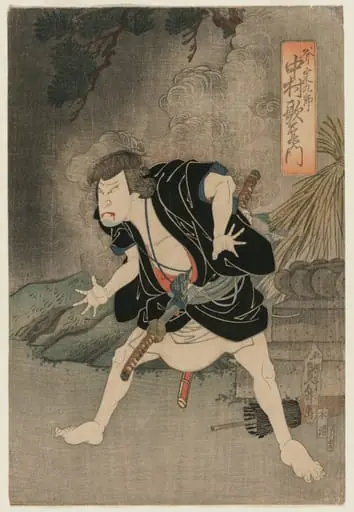 Nakamura Utaemon IV as Ono Sadakuro in Act Five of Kanadehon Chushingura, Naka Theater
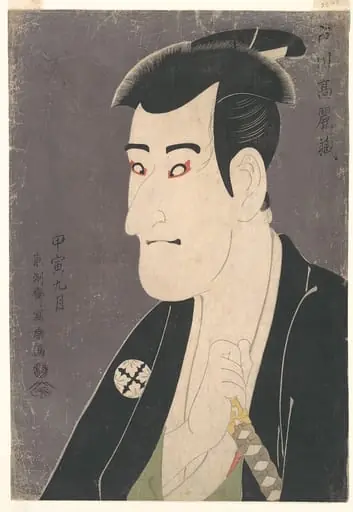 三代目市川高麗蔵の志賀大七|Kabuki Actor Ichikawa Komazō III as Shiga Daishichi in the Play A Medley of Tales of Revenge (Katakiuchi noriaibanashi)
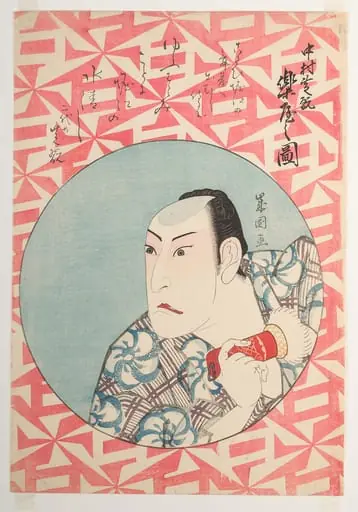 壽陽堂歳国画 『中村芝翫 楽屋之図』|Kabuki Actor Nakamura Shikan Backstage (Nakamura Shikan rakuya no zu)
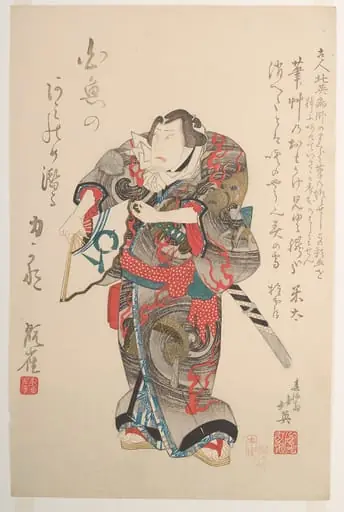 四代目中村歌右衛門 「関取千両幟」|The Actor Nakamura Utaemon IV as the Wrestler Iwakawa Jirokichi