Artwork
Untitled
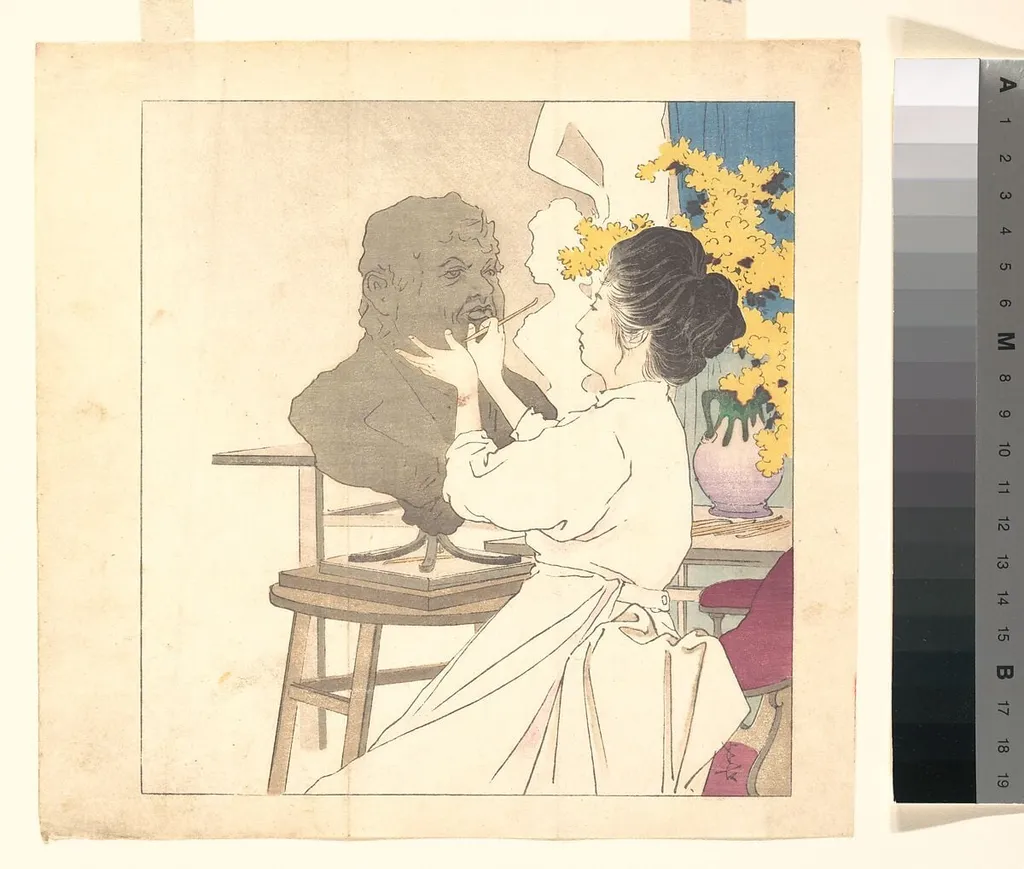
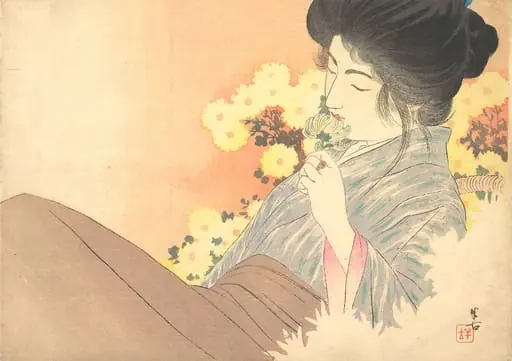
Untitled is an ink print by the Impressionist artist Kajita Hanko. It dates from 1906 and is held in the collection of the Metropolitan Museum of Art.
About this work
Overview
Executed in ink and color on paper, it captures a quiet domestic moment with minimal detail and strong graphic elements.
Created around 1906, this woodblock print by Kajita Hanko is part of The Metropolitan Museum of Art’s collection. Executed in ink and color on paper, it captures a quiet domestic moment with minimal detail and strong graphic elements. The composition relies on flat planes of color and defined outlines, reflecting a synthesis of traditional Japanese print techniques and modern aesthetic influences.
Subject & Meaning
A man reclines in a chair, head tilted back, while a woman leans over him, holding a small mirror. Their interaction suggests intimacy or care, though the scene resists narrative clarity. Behind them, yellow flowers in a vase and a small ceramic horse add symbolic or decorative weight, possibly evoking domestic tranquility or personal ritual. The absence of facial expression invites contemplation rather than storytelling.
Technique & Style
The print employs bold black outlines and unmodulated areas of color—primarily red, yellow, and white—without shading or gradation. This approach creates a flattened, graphic quality that emphasizes form over realism. The use of flat color and simplified shapes aligns with early 20th-century Japanese printmakers’ experimentation, drawing from both ukiyo-e traditions and contemporary Western movements like Impressionism.
History & Provenance
The work was produced during a period of artistic transition in Japan, when printmakers were redefining their role amid rapid modernization. Kajita Hanko, active in the early 1900s, contributed to this shift by blending traditional methods with new visual languages. The print entered The Metropolitan Museum of Art’s collection as part of its broader effort to document Japanese prints from the Meiji and Taishō eras.
Context
In early 20th-century Japan, artists like Hanko navigated the tension between preserving indigenous techniques and absorbing international styles. While Western Impressionism influenced color use and spontaneity, the print retains the compositional clarity of Japanese woodblock traditions. This work reflects a broader cultural dialogue, where domestic scenes became vehicles for artistic innovation rather than mere documentation.
Legacy
Hanko’s Untitled exemplifies a transitional moment in Japanese printmaking, where modern sensibilities merged with classical forms. Though not widely known today, such works helped pave the way for later avant-garde print movements. Its presence in a major Western museum underscores its role in shaping global perceptions of Japanese art beyond the 19th-century ukiyo-e canon.
Artist & collection


 Oranda|A Dutch Group
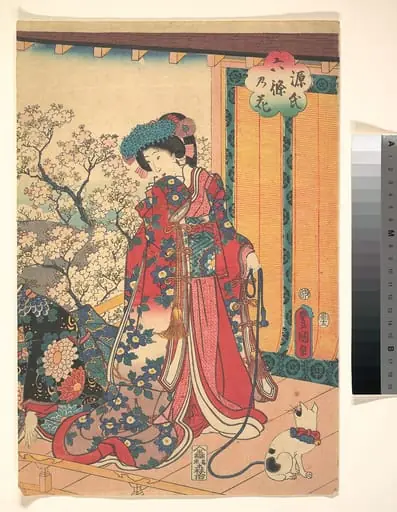 Untitled
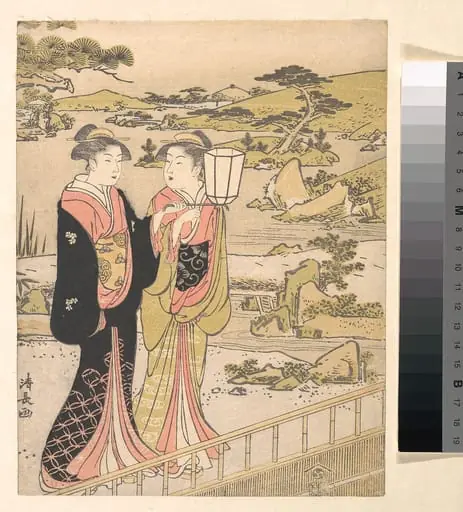 Untitled
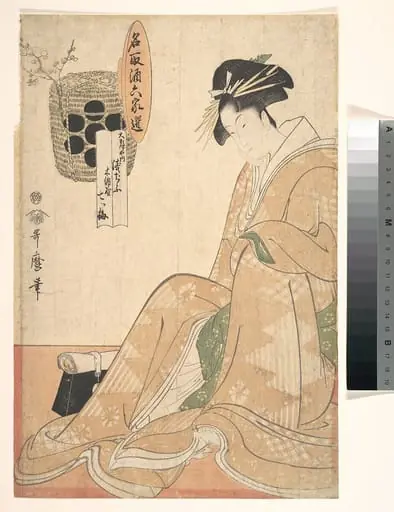 名取酒六家選 大もんぢや内浅じふ 木綿屋七ッ梅|A Courtesan
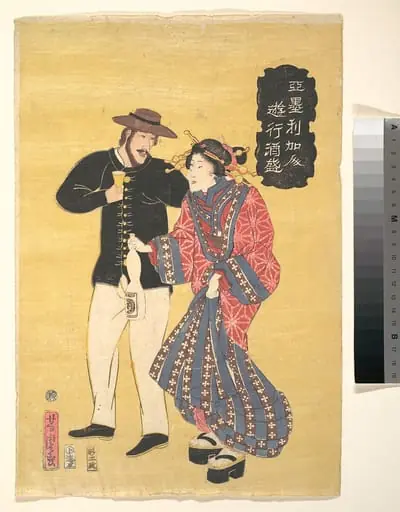 Amerika jin Yuko Sakamori|An American Carousing
 Untitled
 Untitled
 Untitled
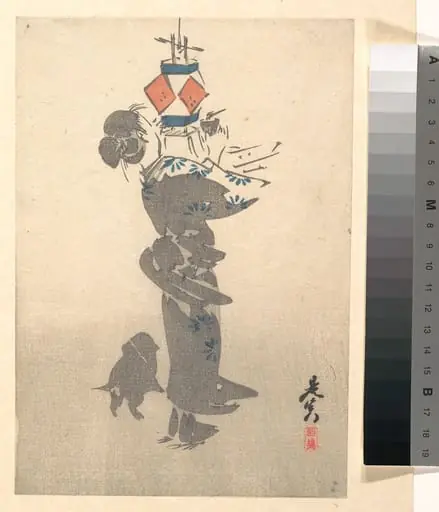 お盆燈籠の火付|Lighting a Hanging Lantern for the Obon Festival
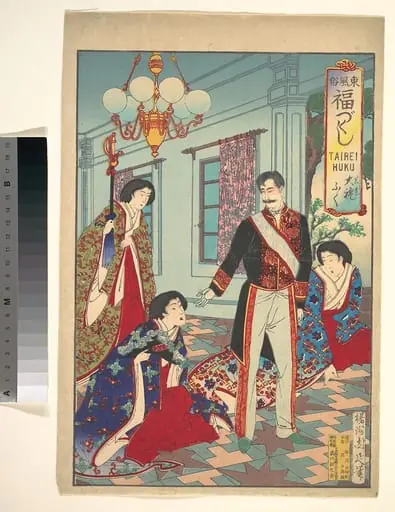 『東風俗福づくし 大 礼ふく』|“Ceremonial Attire” from the series An Array of Auspicious Customs of Eastern Japan (Azuma fūzoku, fukuzukushi: Tairei fuku)
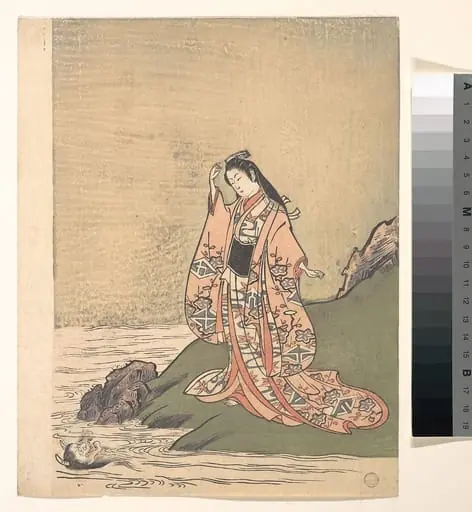 Untitled
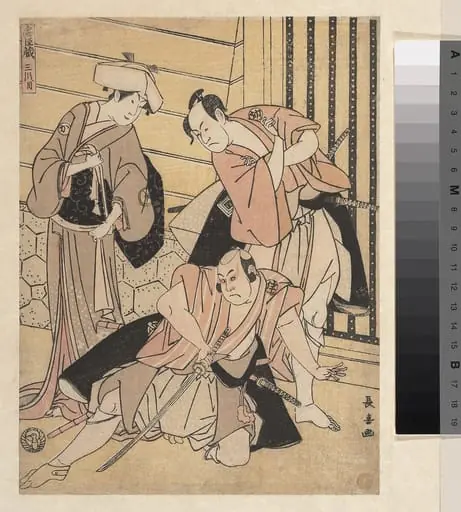 Untitled