Artwork
Prayers for Rain, from the series Seven Elegant Komachi
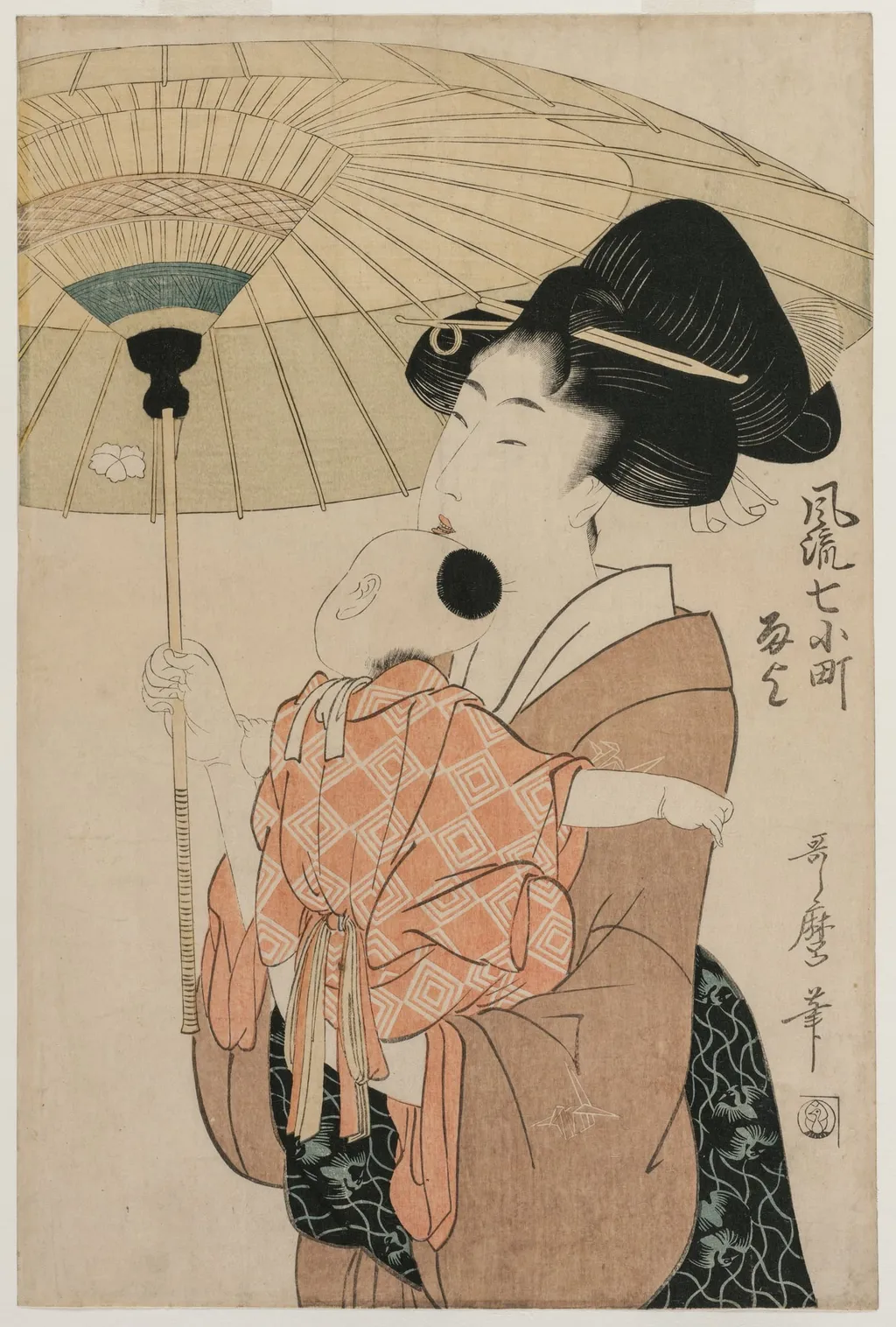
Prayers for Rain, from the series Seven Elegant Komachi is a print by the Romanticist artist Kitagawa Utamaro. It dates from 1794 and is held in the collection of the Cleveland Museum of Art. This print is part of a series by Utamaro inspired by seven Noh plays centered on the 9th-century poet Ono no Komachi.
About this work
Overview
The composition retains the umbrella as a central motif but shifts its symbolic weight from poetic solitude to maternal care.
This print is part of a series by Utamaro inspired by seven Noh plays centered on the 9th-century poet Ono no Komachi. Rather than depicting the poet herself, the artist reimagines the scene with a mother and child, transforming the original narrative into a tender domestic moment. The composition retains the umbrella as a central motif but shifts its symbolic weight from poetic solitude to maternal care.
Subject & Meaning
The scene replaces the legendary poet and her servant with an Edo-period mother shielding her child from rain. The child’s grip on a toy crane introduces a subtle layer of cultural symbolism, evoking longevity and good fortune. The quiet intimacy of the moment reflects a broader shift in Utamaro’s work toward everyday emotional nuance, moving away from dramatic legend toward gentle, human observation.
Technique & Style
Utamaro employs fine, delicate lines to render the mother’s elaborate hairdo and the texture of the bamboo umbrella. Rain is suggested through subtle, vertical ink strokes that dissolve into the sky, creating a sense of movement without overt detail. The color palette remains restrained, emphasizing tonal gradations and the soft contrast between the figures and the damp atmosphere.
History & Provenance
The print originates from a published series produced in the late 18th century, during the height of Utamaro’s career. It was likely distributed as a woodblock print for private collectors interested in literary themes reinterpreted through contemporary life. The work entered the Cleveland Museum of Art’s collection through documented acquisitions in the early 20th century.
Context
During the Edo period, ukiyo-e artists frequently drew from classical literature to appeal to educated urban audiences. Utamaro’s reinterpretation of Komachi’s legend aligns with a trend of humanizing historical figures through domestic scenes. This approach reflected growing interest in the emotional lives of women and children, a subject increasingly central to his oeuvre.
Legacy
Utamaro’s reimagining of Komachi’s story influenced later ukiyo-e artists to prioritize psychological depth over mythological spectacle. The print exemplifies his ability to elevate ordinary moments into quiet visual poetry, contributing to a broader shift in Japanese printmaking toward intimate, character-driven narratives rather than grand historical or theatrical themes.
Own this work as a print
Artist & collection


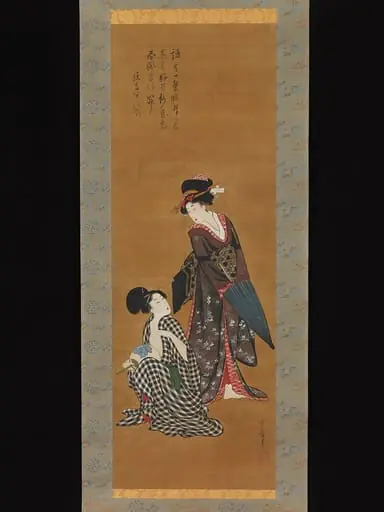 Untitled
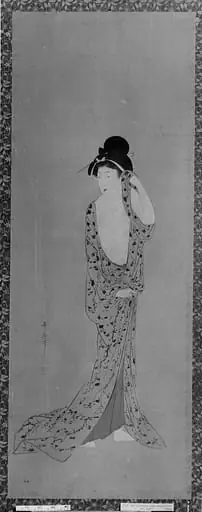 Untitled
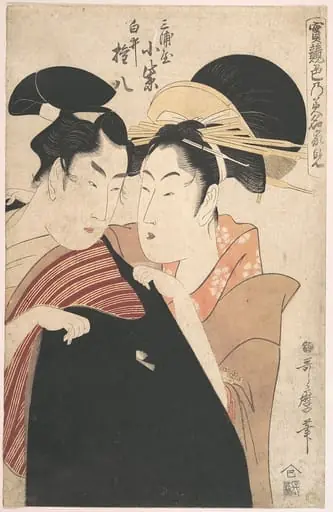 実競色乃美名家見 三浦屋小紫 白井権八|The Lovers Miura-ya Komurasaki and Shirai Gonpachi.
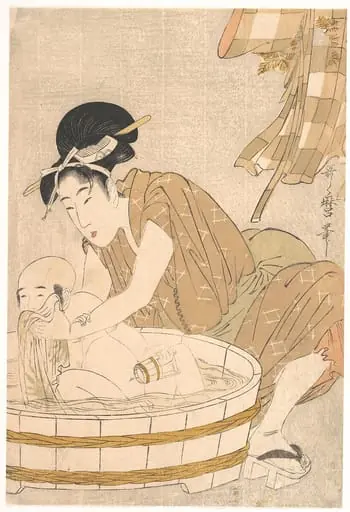 行水|Bathtime (Gyōzui)
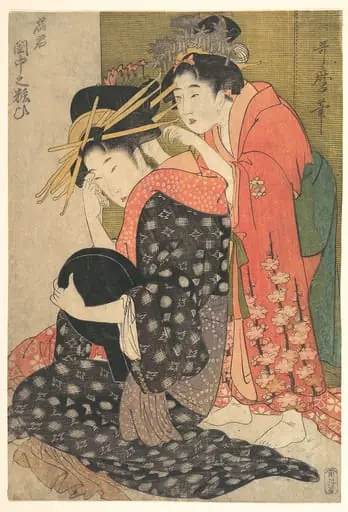 名君 閨中の粧ひ|The Oiran Yoso-oi Seated at Her Toilet
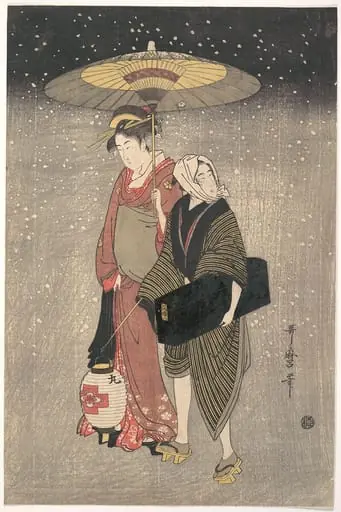 Untitled
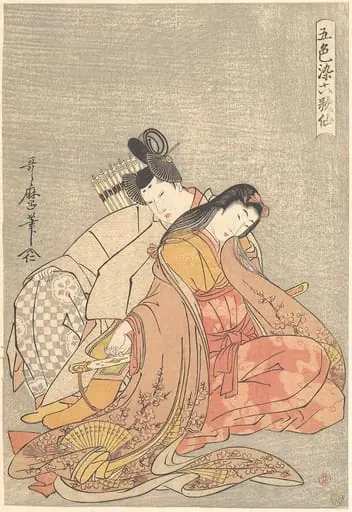 『五色染六歌仙』 在原業平と小野小町|“The Poet Ariwara no Narihira (825–880) and Ono no Komachi,” from the series Five Colors of Love for the Six Poetic Immortals (Goshiki-zome rokkasen)
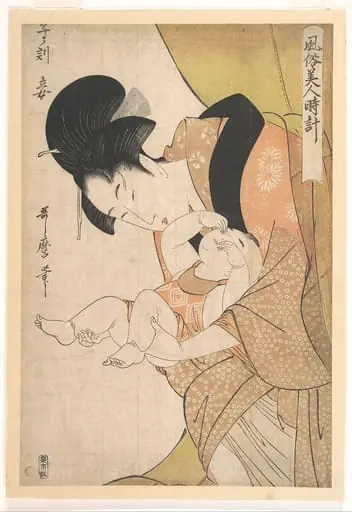 風俗美人時計 子ノ刻 妾|Midnight: Mother and Sleepy Child
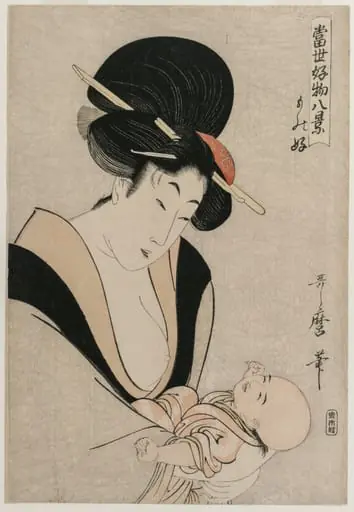 Fond of Things from the series Eight Views of Favorite Things of Today's World
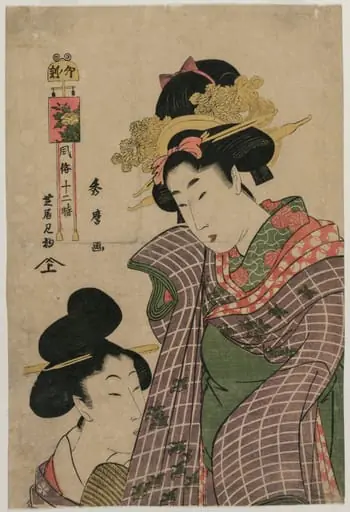 Going to the Kabuki Theater in the Hour of the Hare (From the Series The Twelve Hours with Daily Events)
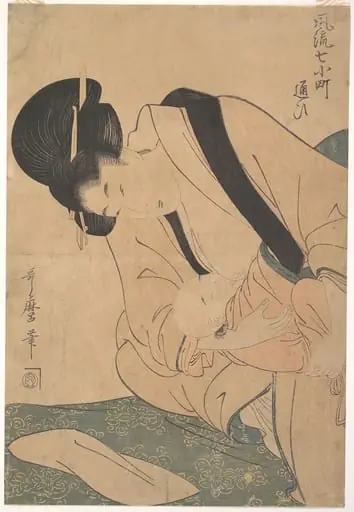 風流七小町 通ひ|Young MotHer Nursing Her Baby
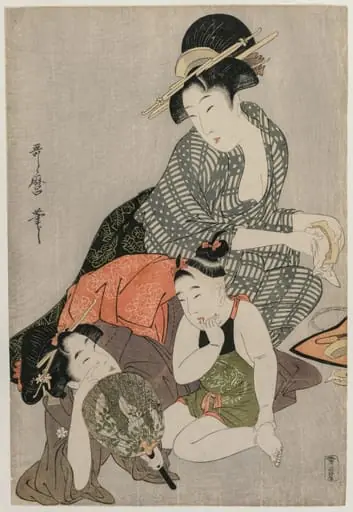 Cleaning Combs
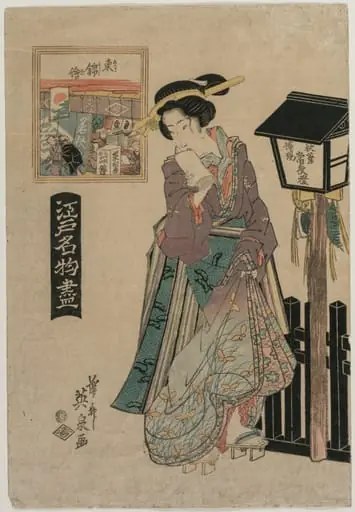 Pictures of Eastern Brocade (from the series Famous Products of Edo)
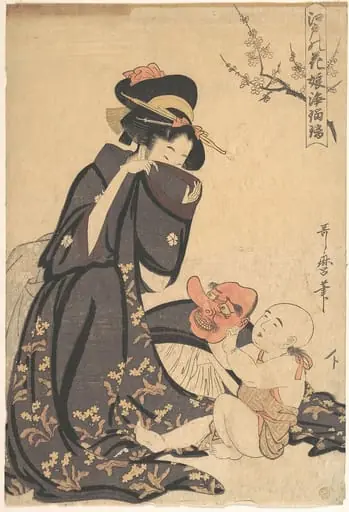 江戸の花 娘浄瑠璃|A Woman Playing with a Young Boy
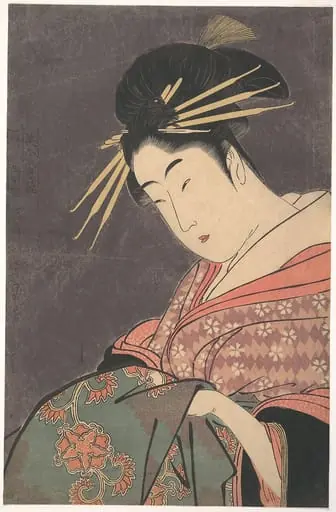 喜多川歌麿画 「美人気量競 五明楼 花扇」|“Hanaōgi of the Gomeirō,” from the series Comparing the Charms of Beauties (Bijin kiryō kurabe: Gomeirō Hanaōgi)
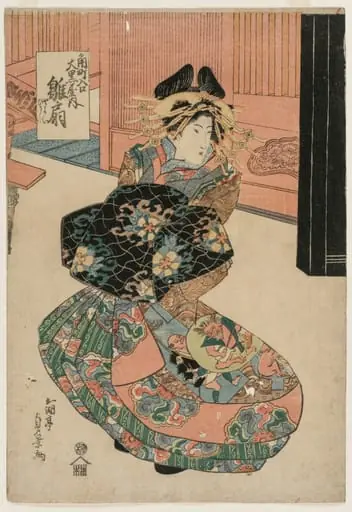 The Courtesan Hinaogi of the Daikokuya at the Entrance of Kadomachi
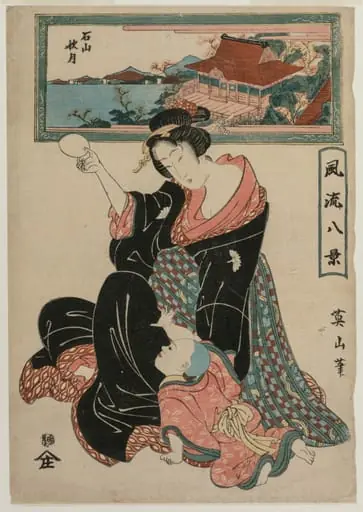 Autumn Moon at the Temple Ishiyamadera from the series Fashionable Eight Views