Artwork
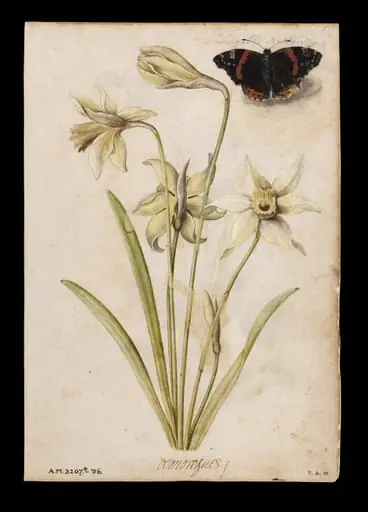
Dragon arum flower and tortoiseshell butterfly
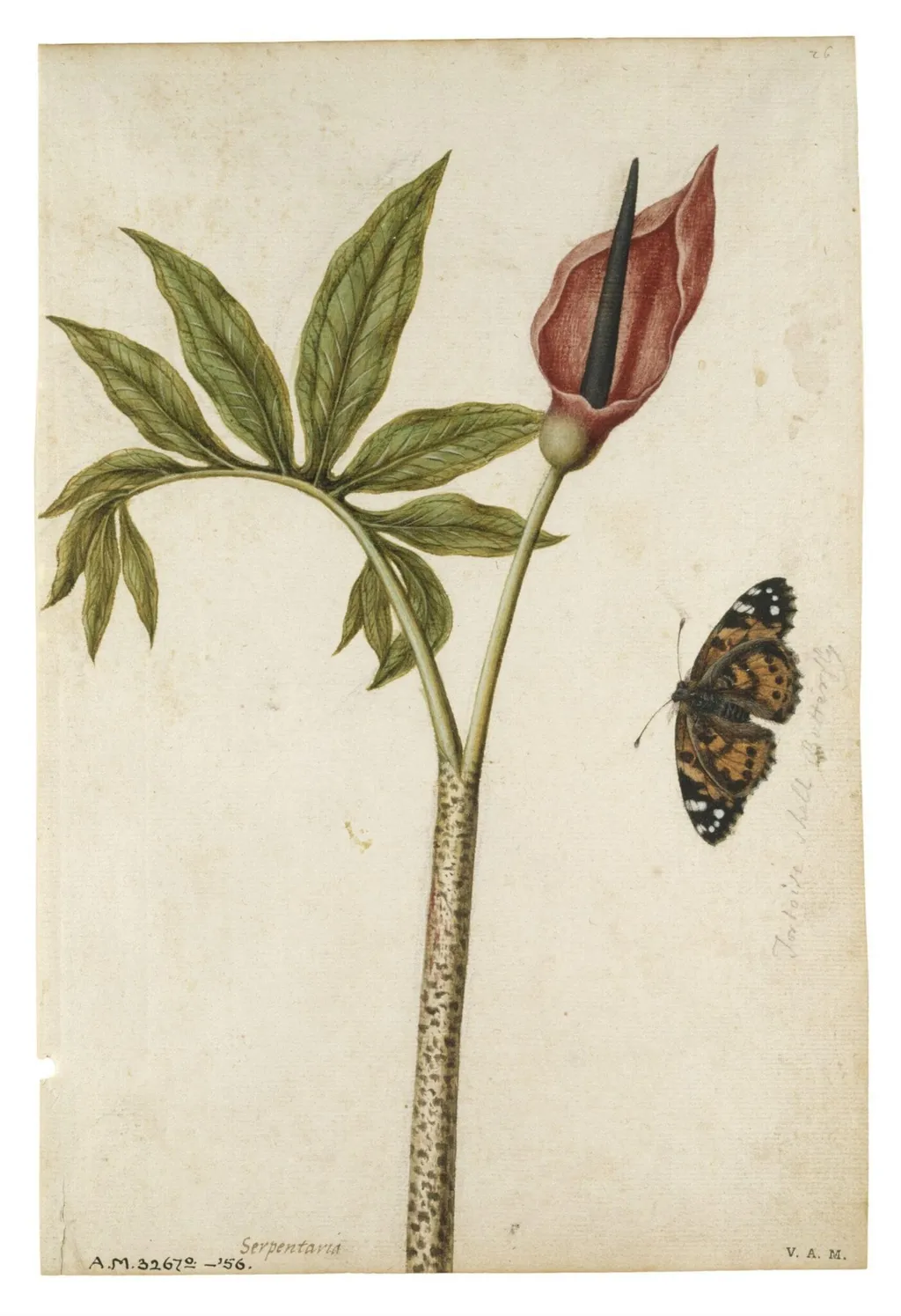
Dragon arum flower and tortoiseshell butterfly is a watercolor work on paper by the Byzantine icon painting artist Jacques Le Moyne de Morgues. It dates from 1568 and is held in the collection of the Victoria and Albert Museum. This watercolour depicts a dragon arum flower and a tortoiseshell butterfly, rendered with precise detail in a single composition.
About this work
Overview
This watercolour depicts a dragon arum flower and a tortoiseshell butterfly, rendered with precise detail in a single composition.
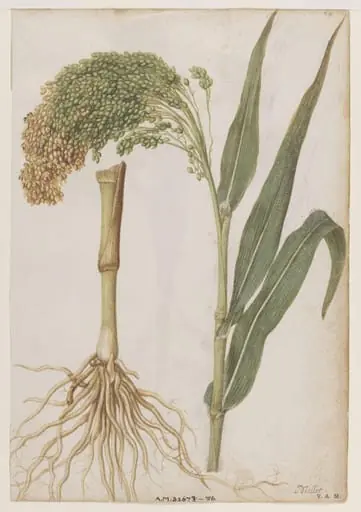
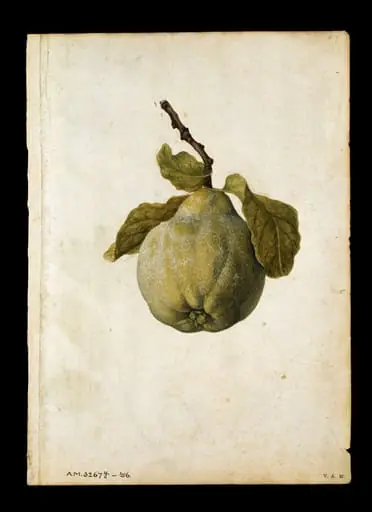
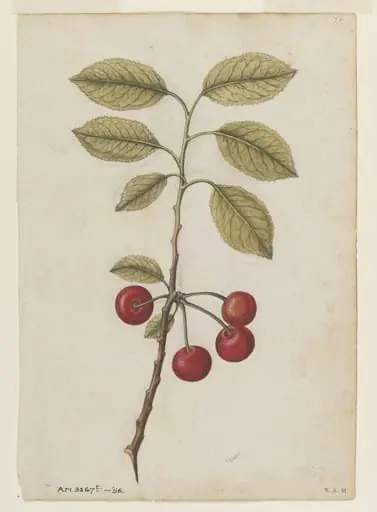
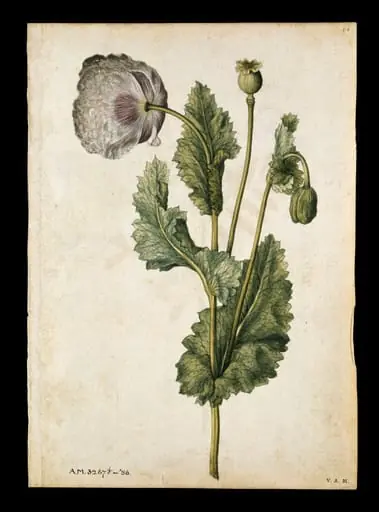
This watercolour depicts a dragon arum flower and a tortoiseshell butterfly, rendered with precise detail in a single composition. Created around 1575, it belongs to a series of fifty-nine botanical drawings attributed to Jacques Le Moyne de Morgues. The work exemplifies the 16th-century fusion of observational accuracy and artistic care, reflecting a period when natural forms were studied as both scientific specimens and aesthetic subjects.
Subject & Meaning
The dragon arum, with its hooded red interior and speckled stem, is paired with a butterfly whose wings display distinct orange and black patterning. Neither element is idealized; their placement suggests a moment of quiet coexistence in nature. The composition avoids symbolic embellishment, instead emphasizing the plant’s biological structure and the insect’s physical presence as subjects worthy of direct observation.
Technique & Style
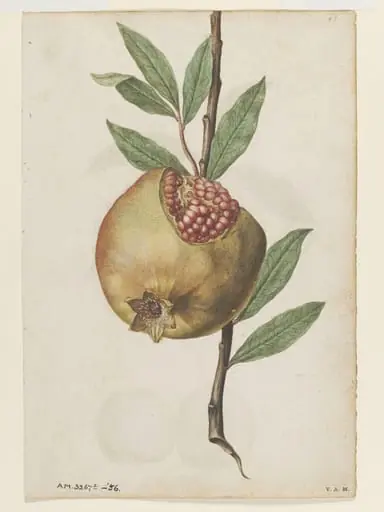
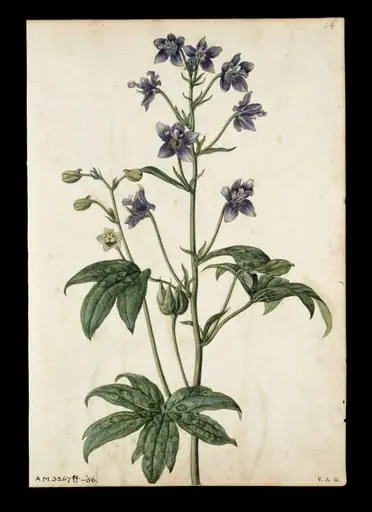
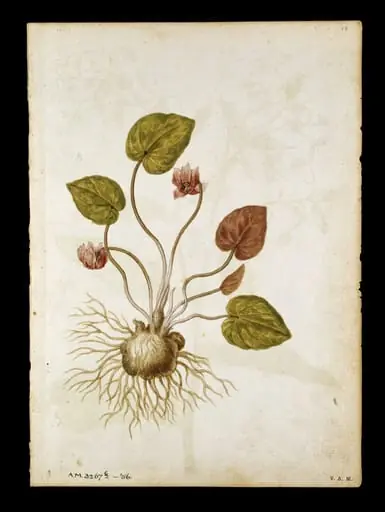
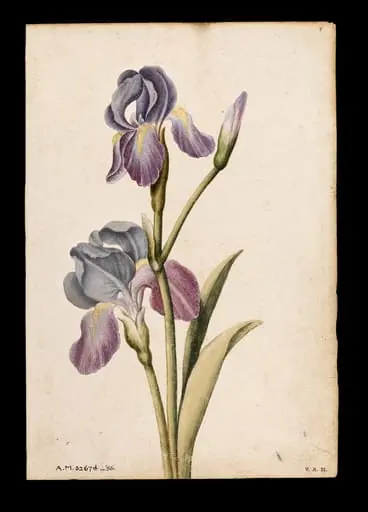
Executed in watercolour, the drawing employs fine brushwork to capture subtle textures: the mottled surface of the stem, the delicate veins of the leaves, and the fine scales of the butterfly’s wings. The palette is restrained, relying on natural hues to convey form and light. There is no background or contextual framing, focusing attention entirely on the organisms themselves, a hallmark of scientific illustration from this era.
History & Provenance
The drawing is part of an album of fifty-nine botanical studies acquired by the Victoria and Albert Museum in 1856. Attributed to Jacques Le Moyne de Morgues, the collection was likely compiled during or shortly after his time in Florida and South Carolina. Its survival and preservation reflect its value as a record of New World flora observed by European artists in the late Renaissance.
Context
Created during a period of expanding European exploration, the work aligns with a broader revival in botanical illustration driven by both scientific curiosity and the rise of herbaria. Similar studies by contemporaries in Germany, the Netherlands, and Italy reveal a shared commitment to documenting plant life with fidelity. Le Moyne’s drawings contribute to this transnational effort, bridging exploration and empirical observation.
Legacy
The album remains a significant example of early natural history illustration, valued for its unembellished depiction of species unfamiliar to European audiences. While not widely published in its time, its survival in institutional collections has ensured its role in understanding how Renaissance artists engaged with the natural world—not as ornament, but as subject of careful study.
Artist & collection
Artist
Jacques Le Moyne de Morgues (French pronunciation: ; c. 1533–1588) was a French artist and member of Jean Ribault's expedition to the New World. His depictions of Native American life and culture, colonial life, and…