Artwork
Departure for Greenwich (Depart pour Greenwich)
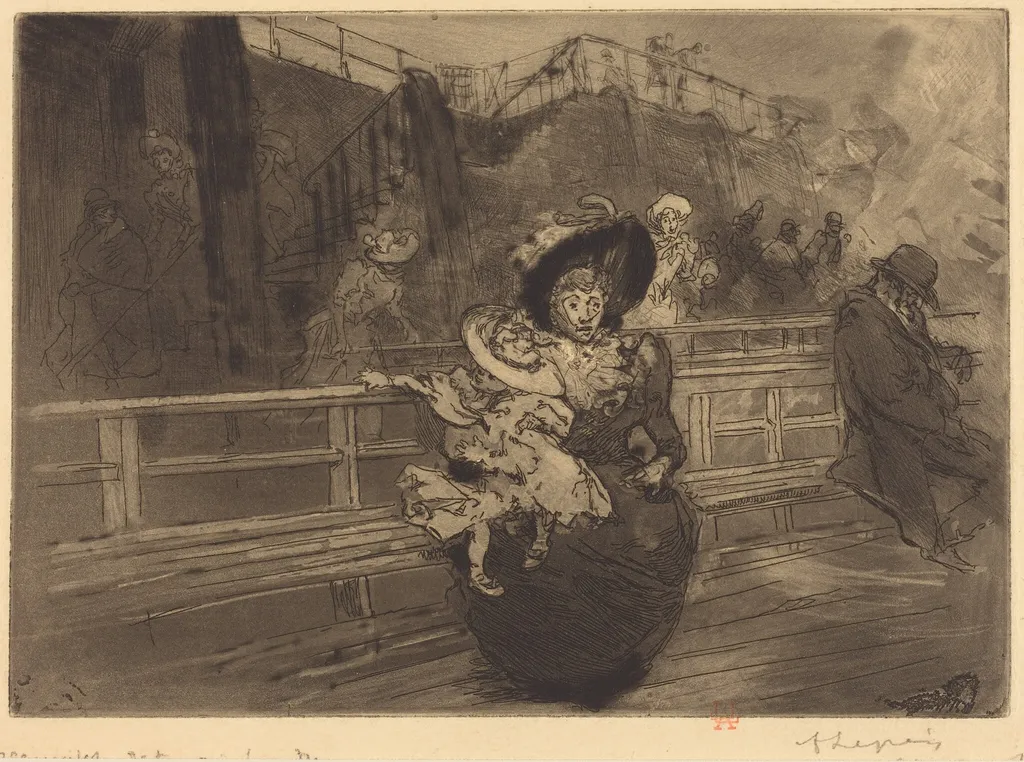
Departure for Greenwich (Depart pour Greenwich) is an ink print by the Impressionist artist Auguste Lepère. It dates from 1891 and is held in the collection of the National Gallery of Art.
About this work
Overview
Lepère, instrumental in revitalizing wood engraving, turned his attention to intaglio methods during a broader European resurgence in printmaking.
Created in 1891 by French artist Auguste Lepère, *Departure for Greenwich* is a print combining etching, aquatint, and drypoint techniques. Lepère, instrumental in revitalizing wood engraving, turned his attention to intaglio methods during a broader European resurgence in printmaking. This work exemplifies his technical precision and sensitivity to everyday moments, capturing transient scenes with atmospheric depth.
Subject & Meaning
The scene portrays a railway platform at a moment of departure, likely in late 19th-century England. A woman in a large hat, clutching a bundle of flowers, stands as a focal point amid a crowd of travelers moving in varied directions. The image suggests the emotional undercurrents of travel—goodbyes, arrivals, and the anonymity of urban transit—rendered without narrative clarity but rich in human gesture.
Technique & Style
Lepère employed layered intaglio methods to build tonal depth and motion. Etching defined the structural lines of railings and stairs, aquatint created soft, smoky shadows, and drypoint added fine, scratchy textures to suggest movement and fabric. The loose, rapid linework conveys urgency, while the woman’s bright hat and flowers contrast against the darker, blurred figures, guiding the viewer’s eye through the composition.
History & Provenance
The print was produced during Lepère’s active period in Paris, where he collaborated with publishers and fellow artists to elevate printmaking as a fine art form. While its early ownership is undocumented, it entered institutional collections in the 20th century, reflecting its recognition among scholars of late 19th-century print revival. No evidence suggests it was part of a larger series.
Context
In the 1890s, European artists increasingly turned to printmaking as a means of personal expression, moving beyond reproduction toward original artistic statements. Lepère’s work aligned with this trend, capturing modern life—railways, urban crowds, fleeting encounters—with the same attention to detail and mood found in contemporary Impressionist painting, but through the intimate scale of the printed image.
Legacy
Lepère’s technical innovations in etching and aquatint influenced a generation of printmakers seeking to merge realism with expressive line. *Departure for Greenwich* remains a quiet example of how everyday scenes could be elevated through skilled craftsmanship. Though not widely exhibited today, it endures in museum collections as a testament to the quiet power of printmaking in the modern era.
Artist & collection
Artist
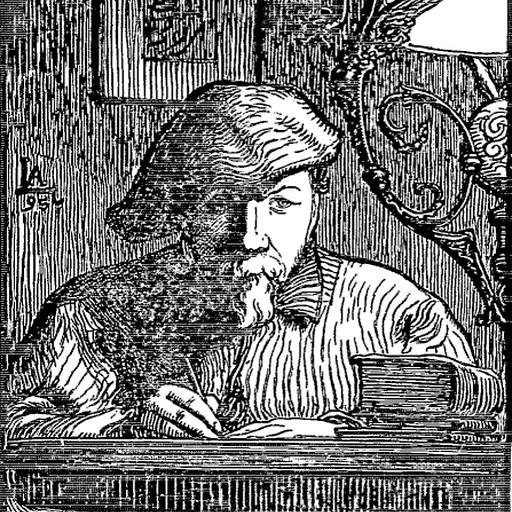
Louis-Auguste Lepère (30 November 1849 – 20 November 1918) was a French painter and etcher. Lepère is also considered a leader in the creative revival of wood engraving in Europe.

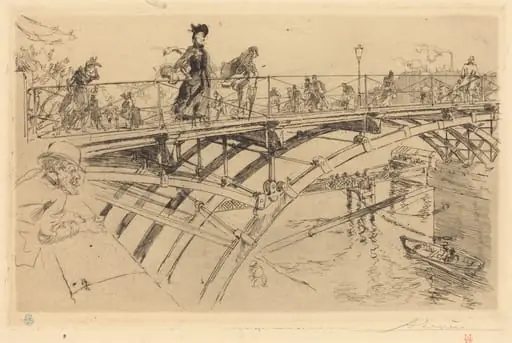 Bridge of Arts (Le pont des Arts)
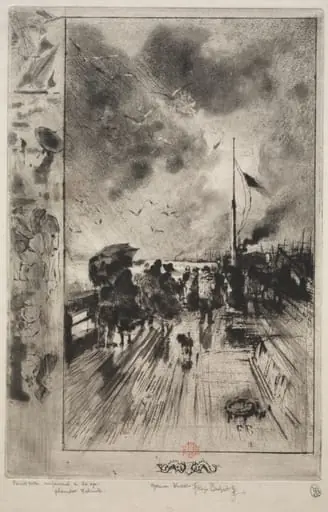 A Pier in England
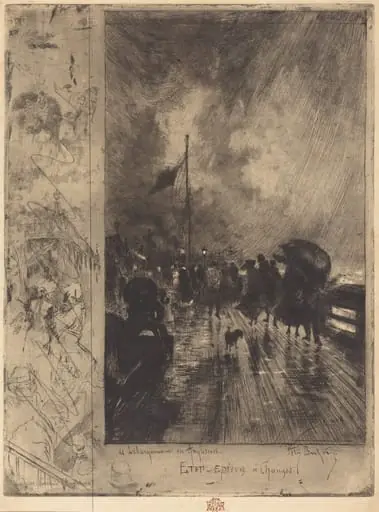 Un Débarquement en Angleterre (Landing in England)
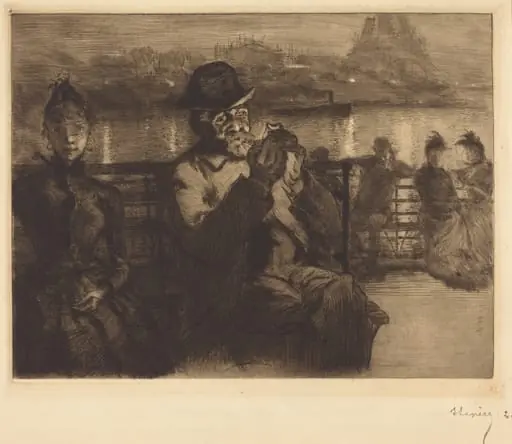 Sur la Seine, la nuit
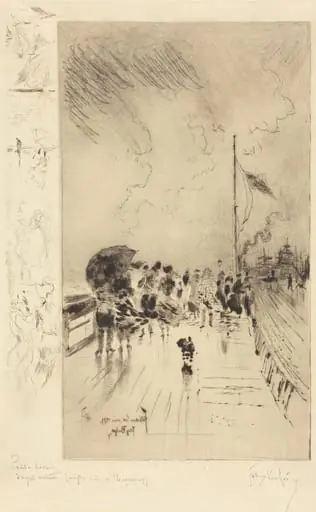 Une Jetée en Angleterre (A Pier in England)
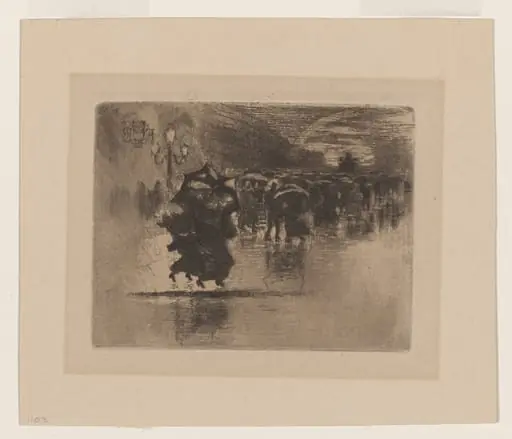 Le Petite Enterrement (The Burial -- Small Plate)
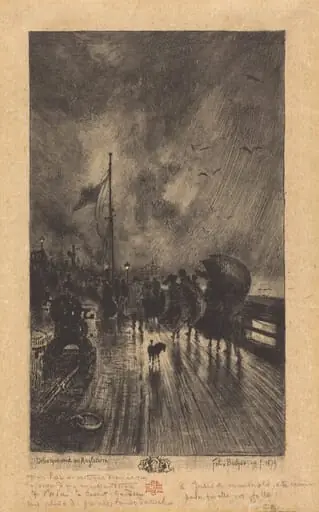 Un Débarquement en Angleterre (Landing in England)
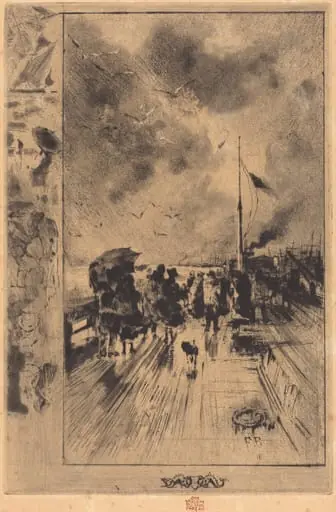 Une Jetée en Angleterre (A Pier in England)
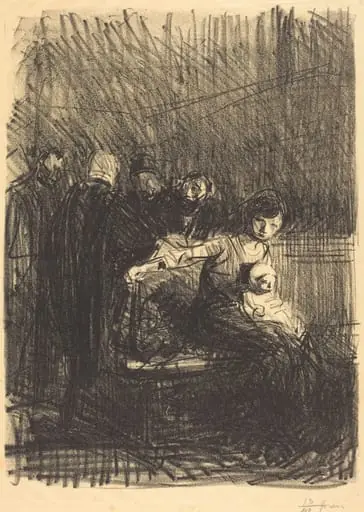 Suspension d'audience (Recess of the Hearing)