Artwork
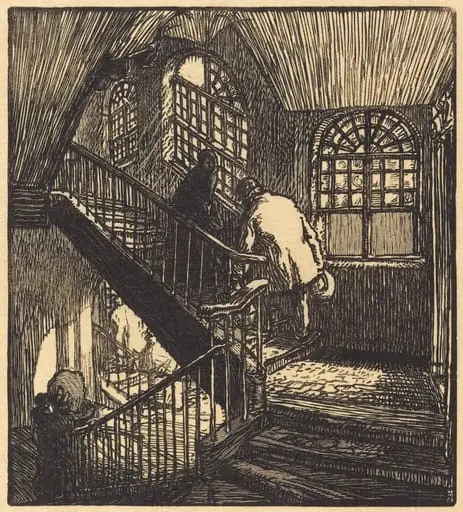
Escalier sculpte rue Boutebrie
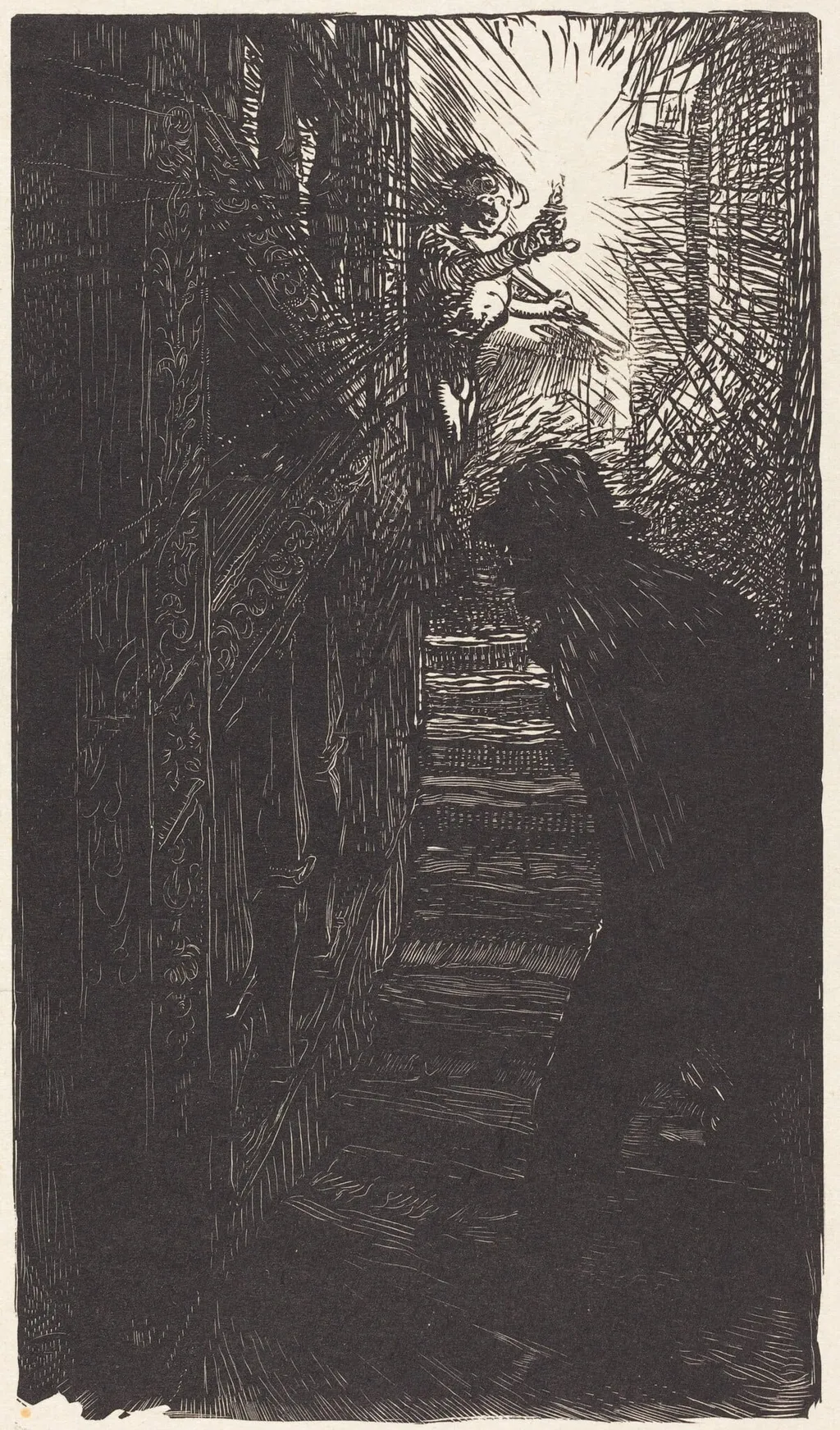
Escalier sculpte rue Boutebrie is an ink print by Auguste Lepère. It dates from 1901 and is held in the collection of the National Gallery of Art.
About this work
Overview
Created in 1901, this wood engraving by French artist Auguste Lepère captures a dimly lit, ornate staircase on rue Boutebrie. The composition draws the eye upward along the worn steps toward a partially hidden doorway, emphasizing the interplay of light and shadow in a confined interior space.
Subject & Meaning
The image presents an aging, intricately carved staircase whose decorative banister and wall panels show signs of neglect. By focusing on the decay of an urban architectural element, Lepère invites contemplation of the passage of time and the quiet dignity of everyday city structures.
Technique & Style
Lepère employed fine cross‑hatching and deep engraving to render the dark, muted tones of the scene. The meticulous line work creates texture on the chipped carvings and worn steps, while the contrast between illuminated areas above the doorway and surrounding shadows adds depth and a sense of atmosphere.
History & Provenance
Produced during a period when Lepère was instrumental in reviving wood engraving across Europe, the print reflects his commitment to the medium’s renewed artistic possibilities. It was executed as part of his broader engagement with urban subjects, contributing to the early twentieth‑century resurgence of printmaking techniques.
Artist & collection
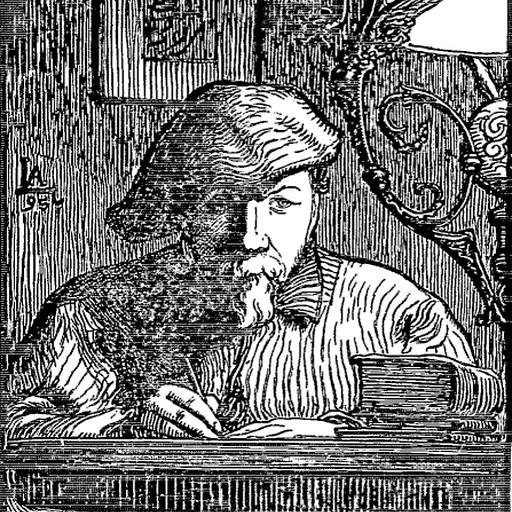
Artist
Louis-Auguste Lepère (30 November 1849 – 20 November 1918) was a French painter and etcher. Lepère is also considered a leader in the creative revival of wood engraving in Europe.

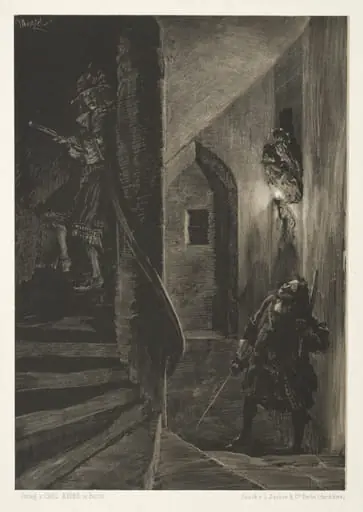 Essay on Stone with Brush and Scraper: Chase on the Winding Staircase
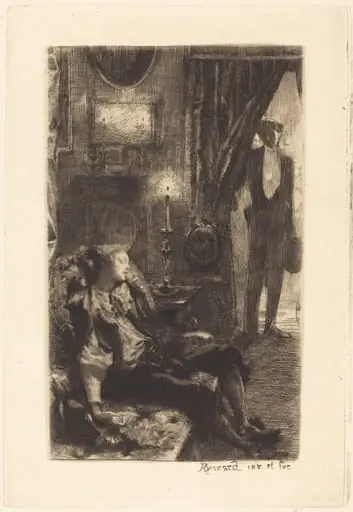 Iza Sleeping (Le Sommeil d'Iza)
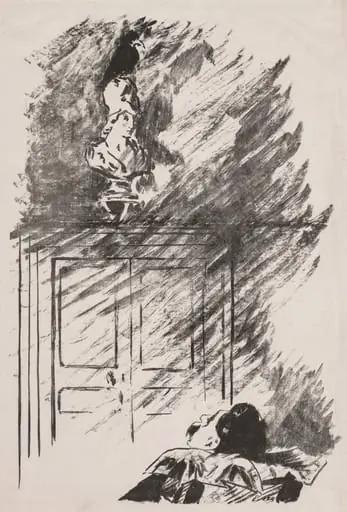 Perched upon a Bust of Pallas
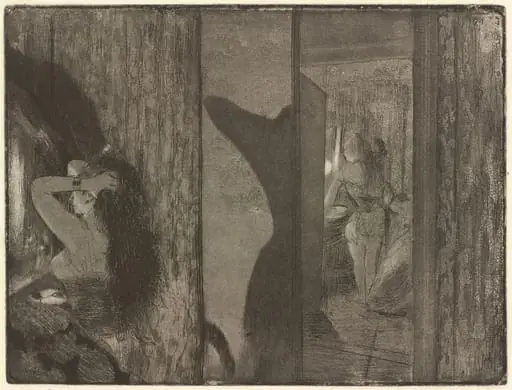 Actresses in Their Dressing Rooms
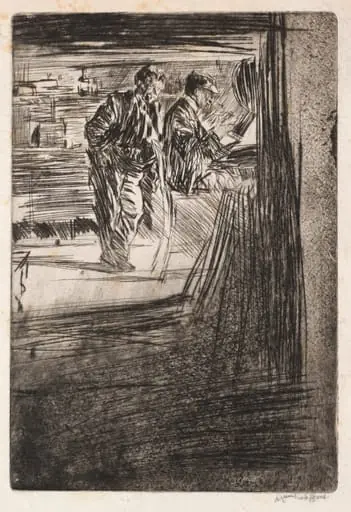 In Camera
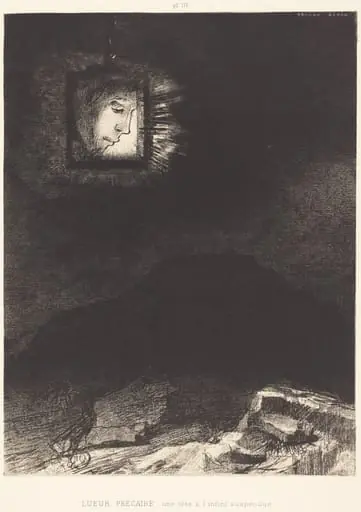 Lueur precaire, une tete a l'infini suspendue(Precarious glimmering, a head suspended
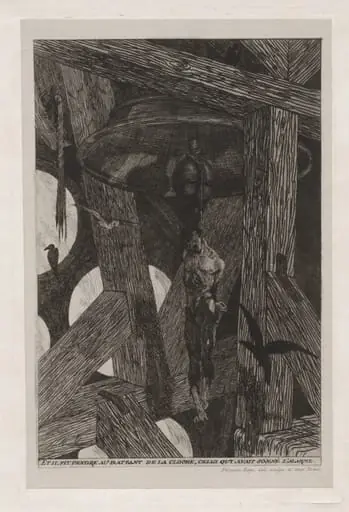 The Legend and Adventures of Ulenspiefel and Lamme Goedzak: The Hanged Man (La legende et les aventures d'Ulenspiegel et Lamme Goedzak: Le pendu)
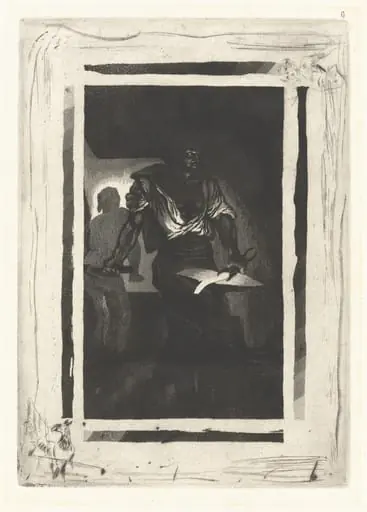 A Blacksmith (Un Forgeron)
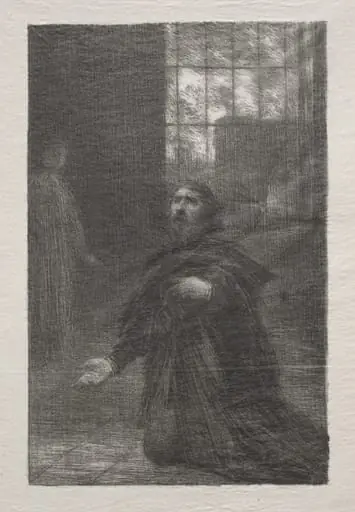 Rienzi, Act V: Rienzi’s Prayer
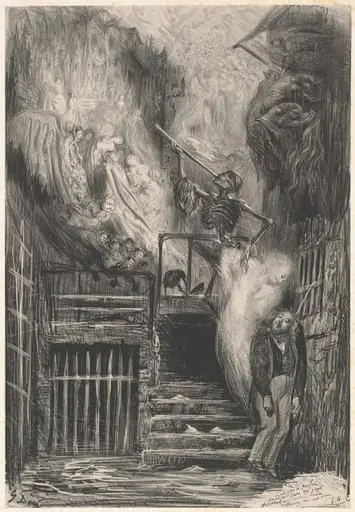 Rue de la Vieille lanterne (The Suicide of Gérard de Nerval)
 Escalier de la maison ou etait le Chateau Rouge
 Atelier de magisserie aux Gobelins